
Introduction to Registering a Truck as a Commercial Vehicle in Oklahoma
Registering a truck as a commercial vehicle in Oklahoma is a fundamental requirement for trucking company owners and fleet managers. This process not only ensures compliance with state regulations but also contributes to the smooth operation of logistics and transportation businesses. In Oklahoma, any vehicle with a Gross Vehicle Weight Rating (GVWR) exceeding 10,000 pounds falls under the category of a commercial vehicle, necessitating proper registration with the Oklahoma Department of Transportation (ODOT). The registration process mandates the submission of essential documents, including proof of ownership and valid insurance, along with payment of registration fees that vary based on the vehicle’s weight and assessed use.
For trucking companies, failing to secure a proper registration can lead to fines, operational disruptions, and potential vehicle impoundment. Therefore, understanding the nuances of truck registration is critical in maintaining compliance and ensuring operational readiness. Moreover, this knowledge empowers fleet managers to navigate the complexities of ownership and leasing options effectively. Learn more about current trends in used truck sales growth to understand how these regulations impact market dynamics. As the commercial trucking landscape continues to evolve, being well-informed and proactive in registration will help secure your business’s success in the competitive Oklahoma market.
Necessary Documents for Truck Registration in Oklahoma
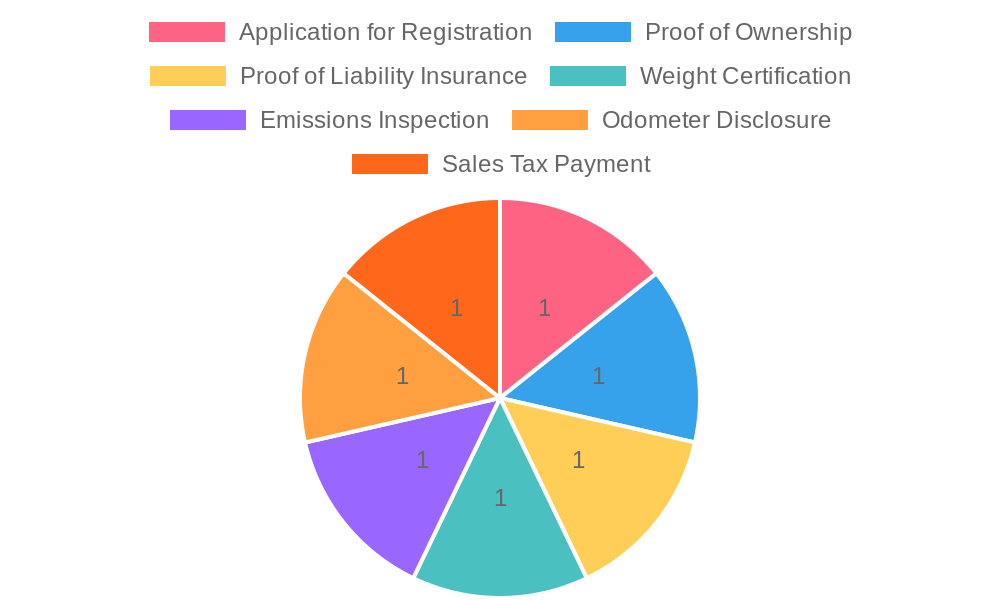
To register a truck as a commercial vehicle in Oklahoma, trucking company owners, and fleet managers must gather several essential documents. Below is a comprehensive list of required documentation to ensure a smooth registration process:
-
Application for Registration (Form MV-1): This official form starts the registration process for commercial trucks and must be completed and signed by the applicant.
-
Proof of Ownership (Title or Bill of Sale): A valid title document confirming legal ownership of the vehicle, or a bill of sale if the vehicle is newly purchased. If there are any liens on the truck, a lienholder’s release may also be necessary.
-
Proof of Liability Insurance: A copy of the current insurance policy that complies with Oklahoma’s minimum liability coverage requirements. For most vehicles, this is typically $25,000 per person, $50,000 per accident for bodily injury, and $25,000 for property damage. An SR-22 or similar certificate must be provided, if required by the insurer.
-
Commercial Vehicle Weight Certification (Form MV-47): Required for trucks exceeding 10,000 pounds gross vehicle weight (GVW) to certify the vehicle’s actual weight, ensuring compliance with state weight regulations.
-
Emissions Inspection Certificate (if applicable): Certain commercial trucks, particularly those operating in urban areas, may need a current emissions inspection certificate as a part of the registration. It is important to check regional requirements.
-
Odometer Disclosure Statement (Form MV-23): Mandatory for vehicles manufactured after 1986 during the ownership transfer process. This form must be completed by the seller to validate the odometer reading and prevent fraud.
-
Sales Tax Payment Receipt: Proof demonstrating that sales tax has been paid on the vehicle purchase. This amount varies based on the vehicle’s value and location of purchase.
Note: Additional documentation may also be required based on the truck’s specific use, type, or if it’s being registered for the first time in Oklahoma. For the most accurate and complete information, always verify with your local Oklahoma Department of Motor Vehicles (DMV) office.
For more insights into current trends impacting the trucking industry, check out this article on used truck sales growth.
The Importance of Compliance for Trucking Companies
Compliance with state registration laws is critical for fleet managers and trucking companies. These regulations ensure that all operations are conducted legally and safely, and adherence to them helps avoid a myriad of penalties. Non-compliance can lead to severe consequences, including hefty fines, operational suspensions, and even the revocation of licenses. According to recent data, the cost of non-compliance can range from thousands to millions of dollars, adversely affecting a company’s reputation, profitability, and long-term viability. A detailed article by FD 360 outlines the severe repercussions that trucking companies might face due to non-compliance with federal regulations.
Beyond penalties, proper registration and compliance offer significant benefits. Compliant trucking companies are often seen as more reliable and trustworthy by clients and partners. This reputation can lead to increased business opportunities, better contract terms, and financial incentives. Additionally, adherence to regulatory requirements helps ensure the safety of both drivers and the public, which ultimately protects businesses from liability claims. The Federal Motor Carrier Safety Administration emphasizes that maintaining compliance not only helps in avoiding legal troubles but also in enhancing overall operational efficiency and productivity.
Moreover, compliance often opens doors for participation in lucrative government contracts and grants that smaller, non-compliant companies may miss out on. To remain compliant, it is crucial for trucking companies to stay updated with the latest regulations, undergo regular training, and implement comprehensive safety management programs. Regular audits and maintaining accurate records of driver status and vehicle inspections are also essential practices that ensure continued compliance with state and federal laws.
In conclusion, the importance of compliance cannot be overstated. By investing in proper registration and adhering to all regulatory requirements, trucking companies not only safeguard themselves from penalties but also position themselves for sustainable growth and success. For fleet managers looking to enhance their understanding of industry compliance, insightful resources are available through FMCSA.
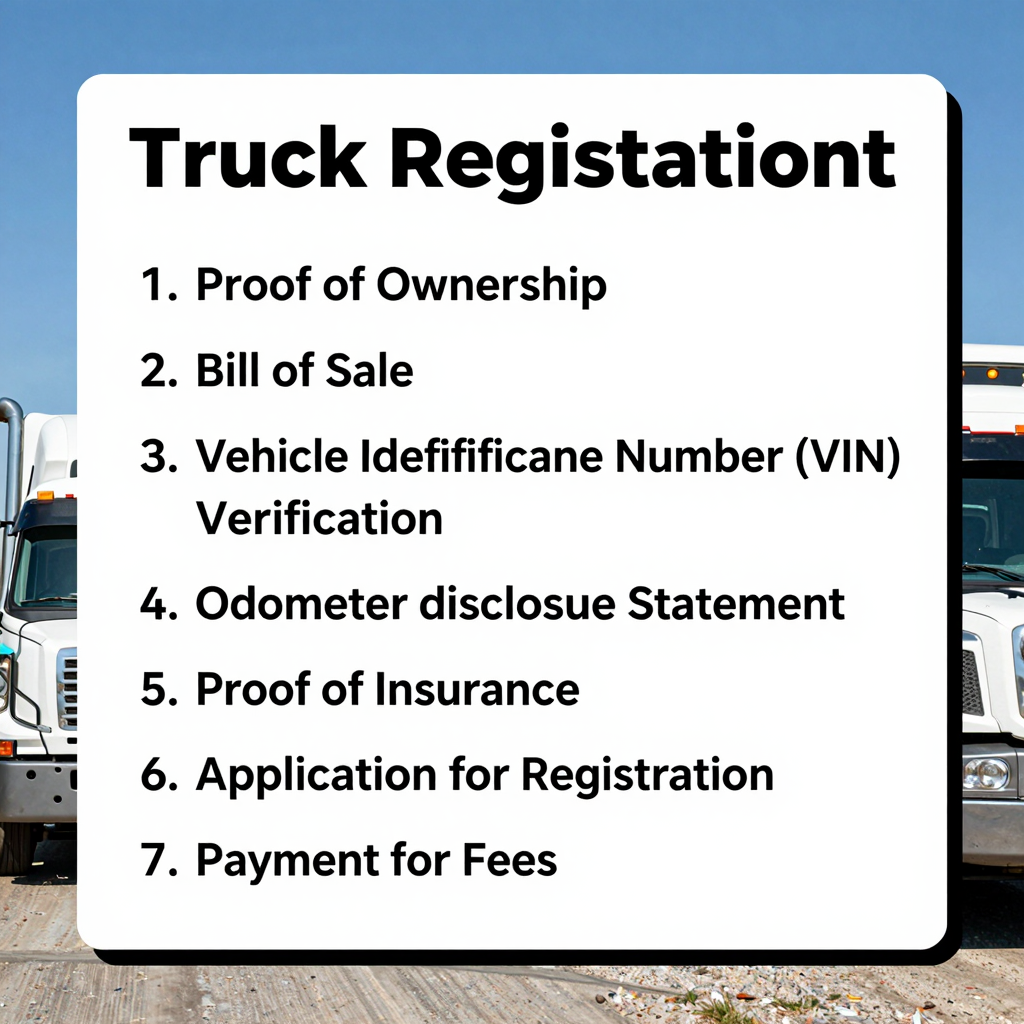
In Oklahoma, truck registration is governed by the Oklahoma Department of Transportation. According to their guidelines, “All trucks with a gross vehicle weight rating (GVWR) of 10,001 pounds or more must be registered. Registration is based on the truck’s weight class and type (e.g., commercial, private) and includes ensuring the vehicle passes a state safety inspection before receiving a registration certificate.” Learn more about truck registration requirements here. This underscores the importance of compliance with both state and federal regulations during the registration process.
Steps to Register Your Truck as a Commercial Vehicle in Oklahoma
- Determine the Weight Class: Ensure your truck’s GVWR is 10,001 pounds or more.
- Complete the Application: Fill out the necessary registration forms provided by ODOT.
- Payment of Fees: Be prepared to pay fees that vary according to your truck’s weight class.
- Safety Inspection: Schedule and pass the state-mandated safety inspection.
- Receive Registration: Once the above steps are complete, you can receive your registration certificate and valid license plates.
It’s essential for trucking companies to stay informed about regulations to avoid fines and ensure operational compliance.
For more insights on keeping abreast of industry trends, you might find this article on current trends in used truck sales growth useful.
Step-by-Step Guide to Registering a Truck as a Commercial Vehicle in Oklahoma
Registering a truck as a commercial vehicle in Oklahoma involves a systematic approach to adhere to state regulations. Below is a comprehensive guide that outlines each step to help trucking company owners, fleet managers, and procurement teams successfully navigate the registration process.
Step 1: Obtain a Commercial Driver’s License (CDL)
Before registering a commercial vehicle, ensure that the driver has the necessary Commercial Driver’s License (CDL). This is mandatory if the vehicle qualifies as a commercial vehicle based on state regulations. The required steps typically include passing a written test and a driving test. More information is available through the Oklahoma Department of Public Safety.
Step 2: Title and Proof of Insurance
You will need to secure a clear title for the vehicle, ensuring that there are no outstanding liens or claims. Along with the title, proof of insurance specific to commercial vehicles is required to comply with state laws. This safeguards your investment and meets the legal obligations according to Oklahoma law.
Step 3: Complete the Application Form (Form MV-1)
To begin the registration process, fill out Form MV-1 (Application for Title and Registration). This document is essential for registering a new or used commercial vehicle in Oklahoma. Ensure that all information is accurate to avoid delays.
Step 4: Submit Documents and Fees
Visit a local Oklahoma County Motor Vehicle Division office or a licensed agent. During this visit, submit the following documents:
- Completed Form MV-1
- Vehicle title
- Proof of insurance
- Payment for applicable registration fees
Fees vary depending on the weight class of the vehicle and its intended use. Expect this step to take about 1-3 days, depending on processing times.
Step 5: Pre-register the Vehicle
According to the recent Senate Bill 2035, all newly acquired commercial vehicles must be pre-registered within two days of purchase. This can be done at the point of sale if you are buying from a dealer, or online via the Oklahoma Department of Public Services for private purchases. During this process, you will receive a temporary registration sticker, allowing you to operate the vehicle legally while awaiting full registration.
Step 6: Finalize Registration
Full registration, which must be completed within 60 days of pre-registration, includes obtaining the permanent license plates and registration certificate. This should be finalized at the same county office or the licensed agent you initially visited.
Summary of the Registration Timeline
| Step | Description | Estimated Time |
|---|---|---|
| Obtain CDL | Pass necessary driving tests to receive a Commercial Driver’s License. | 1-4 weeks |
| Obtain Vehicle Title and Insurance | Ensure the title is clear and insurance is up to commercial standards. | 1-2 weeks |
| Complete Form MV-1 | Fill out the application for title and registration. | 1-3 days |
| Submit Documents and Fees | Submit all required documents and pay fees at the county DMV. | 1-3 days |
| Pre-register Vehicle | Complete pre-registration within two days after purchase. | 1-2 days |
| Receive License Plates and Registration | Collect permanent registration and license plates within 60 days. | Up to 60 days |
Note: The overall timeline may vary based on unique circumstances, such as documentation completeness and specific vehicle type. It is always favorable to check with the Oklahoma Department of Transportation for the latest guidelines and requirements
Important Considerations
- All documents must be complete and accurate to avoid delays.
- Understand your commercial insurance requirements for vehicle registration.
- The registration process may involve additional steps if tribal-issued plates are required.
Following these steps helps ensure that your commercial vehicle remains compliant with Oklahoma’s regulations. For further insights and recent trends in truck registrations, learn more about the current market conditions.
| Vehicle Type | Weight Classification | Registration Fee (2023) | Notes |
|---|---|---|---|
| Light-duty | Up to 8,000 lbs | $60 | Base fee |
| Medium-duty | 8,001 – 10,000 lbs | $120 | Base fee |
| Heavy-duty | 10,001 – 15,000 lbs | $180 | Base fee |
| Super heavy-duty | Over 15,000 lbs | Starting at $300 | Base fee; fees increase with weight |
*Note: Additional county surcharges of 1% to 2% may be applied to the base registration fee.
Common Pitfalls in Truck Registration
Registering a truck as a commercial vehicle can be a straightforward process, but it is often fraught with common mistakes that can lead to delays and complications. Procurement teams in construction and logistics can benefit greatly from understanding these pitfalls and implementing effective strategies to avoid them. Here are the most prevalent mistakes:
Common Mistakes in Truck Registration
| Common Registration Mistake | Details | Tips to Avoid |
|---|---|---|
| Incorrect or missing documentation | Submitting incomplete, inaccurate, or outdated forms (e.g., title, bill of sale, proof of ownership) can delay processing. | Double-check all required documents before submission. Use a checklist based on your state’s DMV requirements. |
| Invalid vehicle identification number (VIN) | A tampered, forged, or mismatched VIN can lead to rejection or legal issues. | Verify the VIN matches the vehicle’s physical label and official records. Use a VIN verification tool if unsure. |
| Mismatched ownership details | Discrepancies between the registered owner’s name, address, or business entity and the actual owner can cause denial. | Ensure all personal or business information is consistent across the application, title, and insurance records. |
| Outdated insurance information | Providing expired or insufficient insurance coverage violates registration rules. | Confirm that your policy is active and meets minimum liability limits required by your state. Renew insurance well in advance. |
| Failure to meet federal/state regulations | Not complying with emissions standards, safety inspections, or commercial vehicle requirements can lead to rejection. | Stay updated on federal (FMCSA) and state-specific rules. Schedule mandatory inspections and obtain necessary permits before registration. |
Tips to Avoid Registration Mistakes
- Thorough Preparation: Always prepare all necessary documents well ahead of time. This includes not just the title and bill of sale, but also proof of insurance and any required safety or emissions certifications.
- Double Check Everything: Before submission, cross-check every entry on your registration forms for accuracy. Specific details like VIN, spelling of names, and dates must be precise.
- Educate Your Team: Conduct training sessions for your procurement team about the registration process, emphasizing common pitfalls and how to navigate them. Keeping everyone informed reduces the chance of errors in the future.
- Leverage Technology: Use digital platforms provided by your DMV or registration agency. Many states now offer pre-check tools that can identify issues before you submit your application, saving time and hassle.
For comprehensive strategies and insights on managing truck-related expenses, consider checking out current trends in used truck sales.
Additionally, to understand the impact of regulations on truck ownership and registration processes, visit our analysis on the impact of tariffs on truck sales.
Visual Data Representation
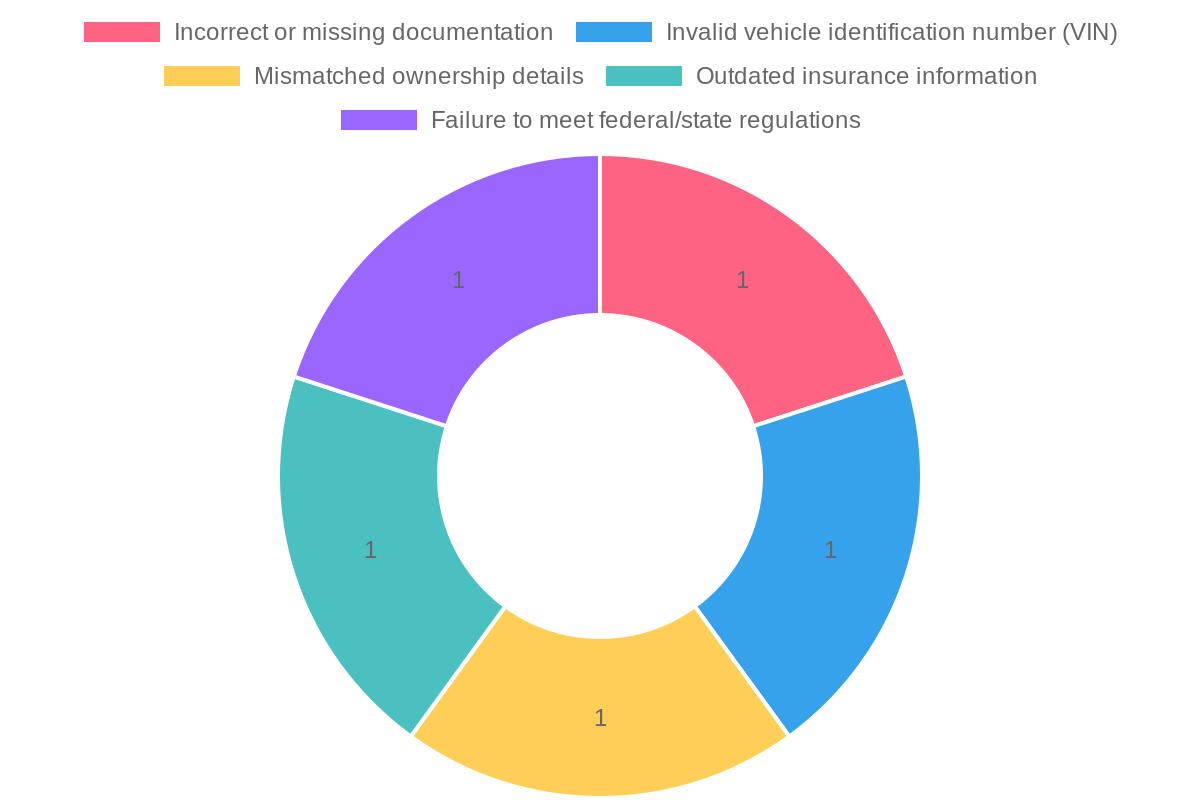
This doughnut chart displays the common registration mistakes and their frequency as experienced in the registration process.
Conclusion
In conclusion, properly registering a truck as a commercial vehicle is not merely a bureaucratic formality; it is a vital step that ensures compliance with legal standards, enhances operational efficiency, and ultimately safeguards the investment made in these essential assets. Trucking company owners, fleet managers, and procurement teams in construction and mining understand that adherence to registration laws not only keeps business practices aligned with regulations but also mitigates potential legal issues and fines.
Correct registration provides critical benefits, including the ability to operate legally, access specific tax benefits, and qualify for certain contracts. Additionally, it allows for easier tracking of vehicle history and compliance with state and federal regulations. Consequently, every organization involved in logistics, transport, or freight brokerage must prioritize this process.
As the commercial truck registration landscape evolves with economic shifts and market demands, such as those caused by tariffs or other regulatory changes (for instance, you can read more about the impact of tariffs on truck sales), it becomes increasingly important for stakeholders to stay informed and compliant. Encourage adherence to guidelines, not just as a normative practice but as a foundational pillar that supports the entire trucking operation. By doing so, businesses can not only enhance their credibility but also reinforce their operational longevity in an ever-competitive market.
Integrating Summit Fairings into Your Commercial Trucking Operations
When it comes to registering a truck as a commercial vehicle, it’s vital to ensure that your equipment meets industry standards for both performance and compliance. In the quest for reliable and cost-effective solutions, many trucking company owners and fleet managers turn to businesses like Summit Fairings.
Summit Fairings is recognized for providing high-quality and affordable products specifically designed for commercial trucking needs. Their extensive range of fairings not only enhances vehicle aerodynamics but also contributes to fuel efficiency and overall safety. By incorporating Summit Fairings into your operations, you can ensure your trucks are not only compliant but also equipped with superior components that withstand the rigors of daily use.
If you are looking for a dependable supplier that prioritizes both quality and affordability, learn more about Summit Fairings and explore how their offerings can optimize your fleet’s performance while keeping costs manageable.
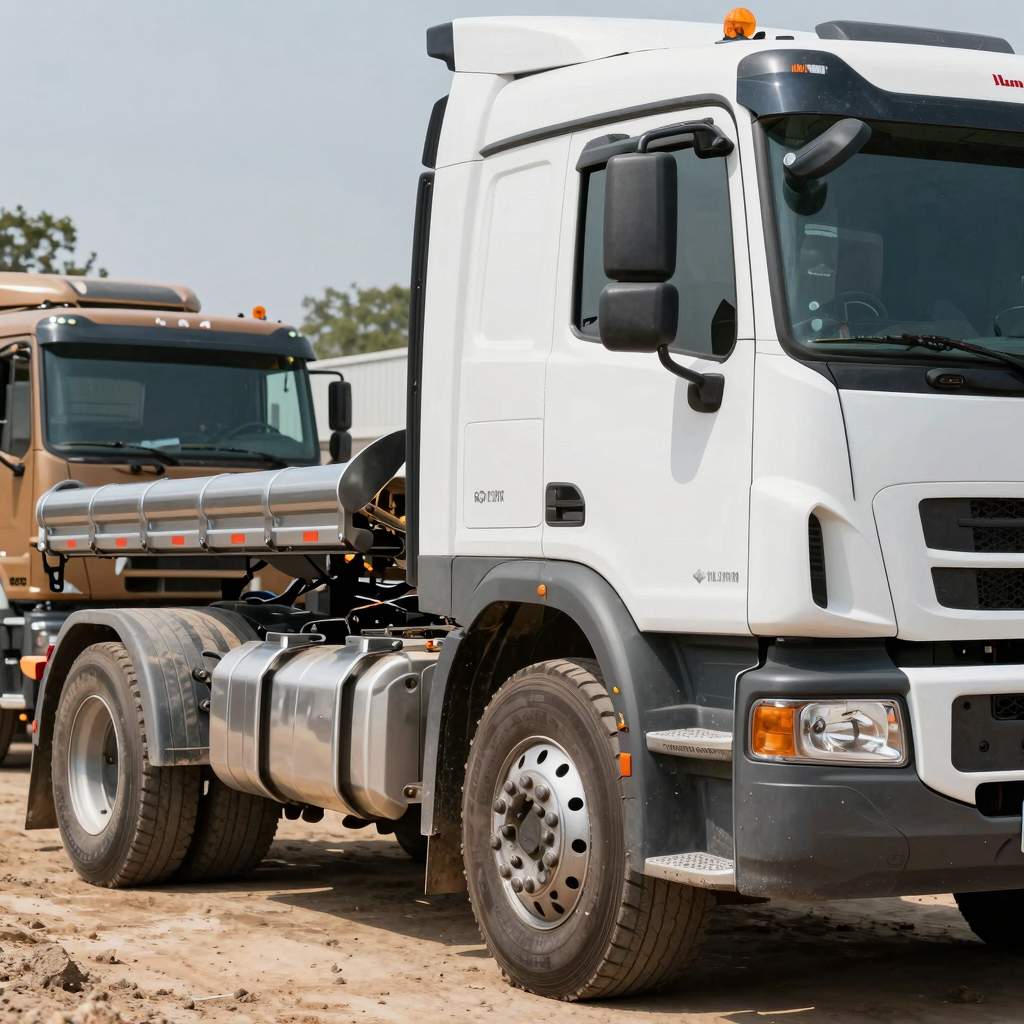
In conclusion, when registering your truck as a commercial vehicle, combining compliance with quality components like those from Summit Fairings can significantly enhance your operational efficiency.
For more details on regulations and registration processes, you can visit the FMCSA website for comprehensive resources.