
Introduction to Installing Snow Chains on Commercial Trucks
As winter approaches, the challenges posed by icy and snowy road conditions become increasingly significant for commercial trucking operations. For trucking company owners, fleet managers, and procurement teams in construction and mining enterprises, ensuring the safety and performance of their vehicles is paramount. Installing snow chains on commercial trucks is not merely an option; it is an essential safety measure that can prevent accidents, reduce downtime, and enhance overall operational efficiency during adverse winter conditions.
In regions where snow and ice are prevalent, the importance of having the right equipment cannot be understated. Snow chains offer increased traction, enabling trucks to navigate treacherous roads more effectively. This proactive approach not only safeguards drivers but also protects valuable cargo and helps maintain delivery schedules. Understanding how to properly install and utilize snow chains is crucial for maximizing their effectiveness.
For logistics and freight brokerage firms, the ability to respond swiftly to changing weather conditions can make all the difference in maintaining service reliability. By equipping their trucks with snow chains, businesses not only comply with safety regulations but also demonstrate a commitment to operational excellence. In this comprehensive guide, we delve into the installation process of snow chains, empowering trucking professionals with the knowledge they need to equip their fleets properly and tackle winter conditions head-on.
Learn more about current trends in used truck sales and how winter preparedness directly impacts fleet performance.
Furthermore, staying informed on the impact of tariffs on heavy trucks can assist in making strategic decisions that enhance productivity during the winter months.
Step-by-Step Guide to Installing Snow Chains on Commercial Trucks
When winter weather hits, snow chains can significantly enhance traction for commercial trucks under icy conditions. Here’s a detailed guide on how to properly install snow chains, ensuring safety and optimal functioning.
Preparation
- Location: Choose a flat, stable surface away from traffic. Always park on level ground.
- Safety First: Turn off the engine, engage the parking brake, and use hazard lights to alert other drivers.
- Gather Tools: Ensure you have the required tools ready, such as gloves, pliers, and the snow chain set.
Installation Steps
- Check Chain Fit:
- Ensure that the snow chains are the right size for your truck’s tires. Refer to the manufacturer’s specifications to confirm compatibility.
- Lay out the Chains:
- Remove the chains from the bag and lay them flat on the ground behind the drive wheels. Ensure there are no twists in the chains.
- Visual Aid:
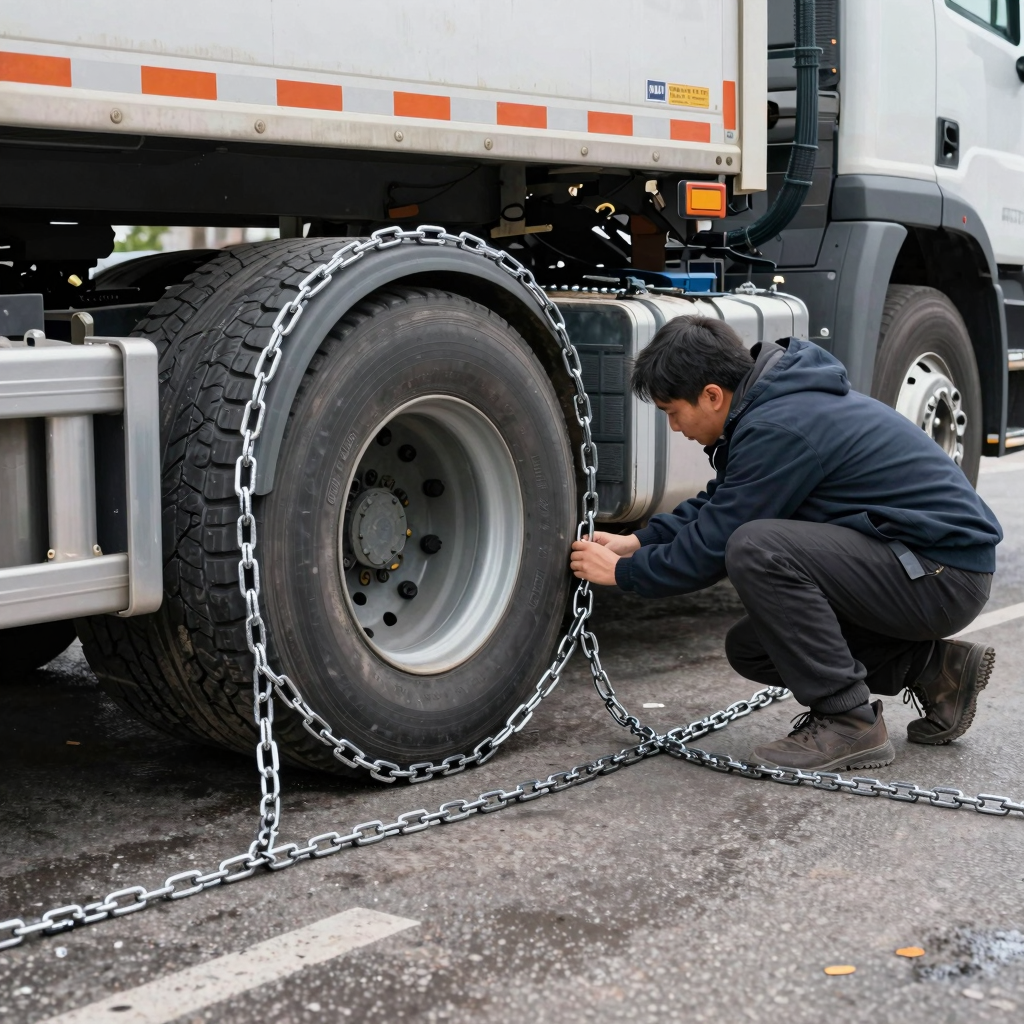
- Positioning the Chains:
- Pull the chain over the tire, starting from the rear. The smooth side of the chain should be facing outward.
- Ensure the chains are centered on the tire.
- Secure the Inner Clamp:
- Begin fastening the inner clamp or hook to the inner side of the tire. This helps in holding the chain securely.
- Fasten the Outer Clamp:
- Next, secure the outer clamp to the outside of the tire to ensure that the chain is held tightly.
- Tensioning the Chains:
- Use the provided tools or tension mechanisms to tighten the chains. Adjust both inner and outer tension for a snug fit.
- Final Check and Settling:
- Drive the truck forward about 15-20 feet to allow the chains to settle into place. Once stopped, check the tension and adjust if necessary to prevent slippage.
- Inspection:
- After adjustment, ensure the chains are secure, without any loose sections that could cause damage or malfunction.
Important Tips
- Only on Snow: Use snow chains exclusively on snowy or icy roads. Avoid using them on dry pavement to prevent damage to both the chains and tires.
- Speed Limit: Keep speeds low while using snow chains to maintain control and reduce the risk of chain breakage.
By following these steps, your commercial truck will be better equipped to handle winter conditions safely. For further insights into maintaining your fleet through seasonal changes, check out current trends in used truck sales.
Safety Precautions for Installing and Using Snow Chains on Commercial Trucks
Installing and using snow chains on commercial trucks is essential for maintaining traction during winter driving conditions. However, adhering to safety precautions is critical to ensuring the safety of operators and the integrity of the vehicles. Below is a comprehensive list of safety considerations:
- Inspect Compatibility: Ensure that the chains are compatible with the tire size and type of the truck. Only use chains approved for heavy-duty vehicles to prevent damage.
- Choose a Safe Installation Area: Always install chains in a flat, safe area away from traffic. Activate hazard lights and secure the area to prevent accidents during the installation process.
- Proper Installation: Follow the manufacturer’s guidelines for installation. Place the chain’s load-bearing side against the tire and ensure it is centered and aligned correctly.
- Test for Tension: After installation, drive the vehicle forward about 10-15 feet and then check the tension and alignment of the chains. Adjust as necessary to prevent them from coming loose during travel.
- Limit Speed: Never exceed a speed of 30 mph (48 km/h) while using snow chains. Higher speeds can lead to chain breakage and loss of vehicle control.
- Monitor for Noise or Vibration: Keep an ear out for any unusual noises or vibrations while driving. These may indicate that the chains are misaligned or damaged and should warrant stopping to reassess.
- Avoid Sharp Turns: Take wide turns while driving with chains to avoid straining them, which can cause them to break or dislodge.
- Remove Chains Promptly: Chains should be removed immediately once the roads are clear of snow and ice. Continued use on dry roads can damage both the chains and the pavement.
- Inspect Regularly: Conduct regular inspections of the chains to check for wear, damage, or corrosion, ensuring they remain in optimal condition.
- Operator Training: Ensure that all operators undergo appropriate training on the proper installation and use of snow chains, reinforcing safety measures and protocols.
These precautions, based on guidelines from the National Highway Traffic Safety Administration (NHTSA) and the American Trucking Associations (ATA), will help minimize risks and enhance safety when using snow chains on commercial trucks.
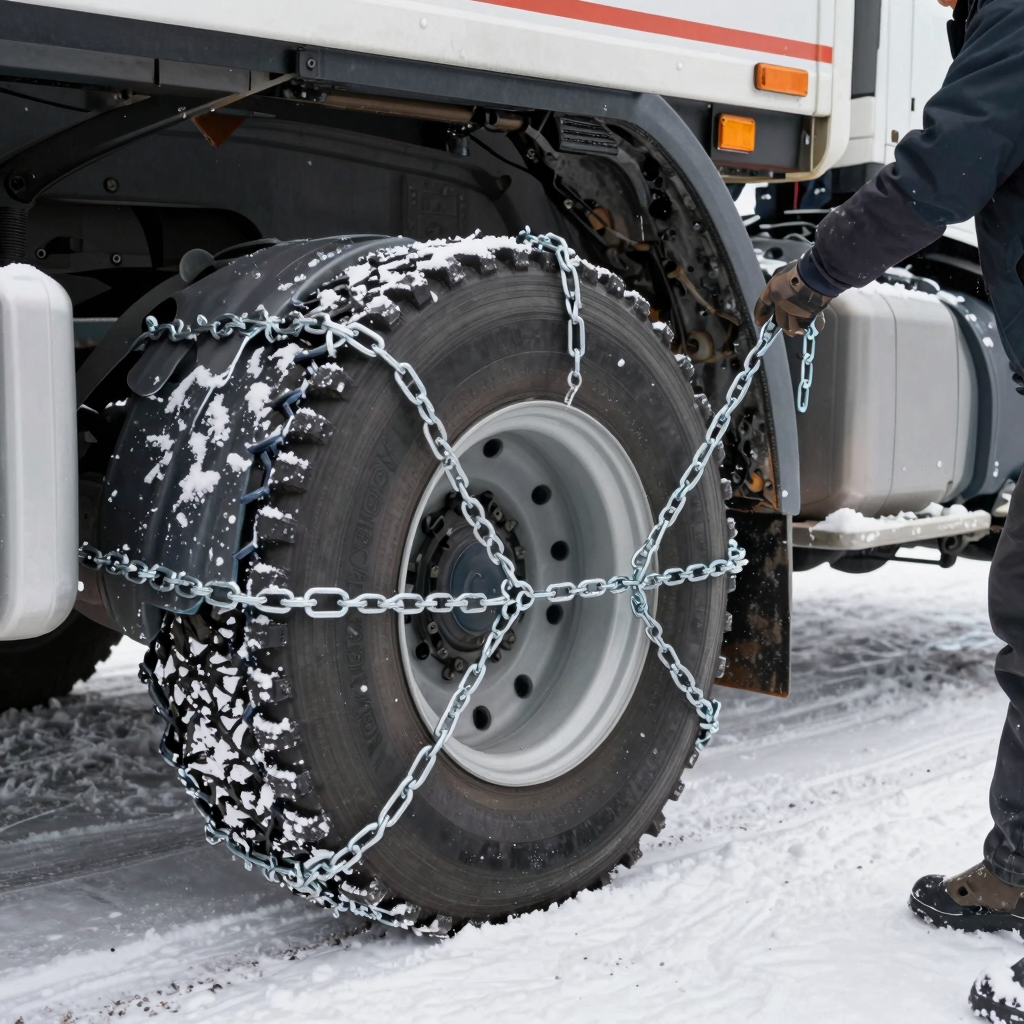
Comparison of Different Types of Snow Chains for Commercial Trucks
| Type of Chain | Features | Benefits | Pricing |
|---|---|---|---|
| Link Chains | – Heavy-duty steel or alloy links – Superior traction on ice and snow – Reliable durability |
– Excellent grip in severe winter conditions – Improved vehicle control and safety |
Starts at $350 per set High-performance models can exceed $1000 |
| Cable Chains | – Lighter and easier to install – Suitable for light snow |
– Good grip for moderate snow – Quick installation, thus operational efficiency |
Pricing varies, generally lower than link chains |
| DIN766 Chains | – Made from high-strength alloy steel – Electroplated for corrosion resistance |
– Meet international safety standards – Customizable size for various truck models |
Approx. $300-$400 per set |
| Wholesale Snow Tire Chains | – High-quality alloy construction – Durable and rust-resistant |
– Cost-effective for fleet purchases – Bulk discounts available |
Starts at $19.90 per set (small quantities) but $1.40 per meter in bulk |
Conclusion
Selecting the right snow chain is vital for ensuring safety and efficiency during winter operations. It’s crucial to evaluate the specific needs of your fleet and the conditions in which they will operate. For more insights on the impact of winter weather on trucking operations or best practices in logistics, consider exploring our other articles.
Snow chains, often viewed as essential tools for winter driving, have garnered a plethora of user experiences and expert insights highlighting their effectiveness under different conditions. As trucking companies and fleet managers often encounter severe winter weather, it is critical to understand how snow chains can enhance safety and stability in icy environments.
Key Findings from User Experiences
-
Exceptional Traction on Ice and Snow
According to a comprehensive review by Consumer Reports, users noted that snow chains significantly improve traction on icy and deep snow surfaces. Out of those surveyed, 94% expressed feeling much safer when driving with chains installed. The study highlighted that chains are particularly effective on compact ice and snow, where standard tires or even studded tires might fail. -
Real-World Insights
A discussion thread on Reddit’s r/AskCanada gathered a range of experiences from drivers in snowy Canadian provinces. Users reported that chains provided almost unparalleled grip on icy mountain passes and unplowed rural roads-essential during blizzard conditions. One user recounted safely descending a 12% incline in heavy snowfall while their all-season tires lost traction. However, others cautioned against using chains on dry pavement due to the risk of skidding and accidents, emphasizing that chains should serve as a temporary solution rather than a permanent fix. -
Speed and Installation Concerns
An article from Car and Driver noted that while snow chains offer great benefits, they are not without drawbacks. Users found that installing chains can be cumbersome and that they should not be used on dry roads at high speeds, as this can lead to increased tire wear and potential loss of vehicle handling. The recommendation is clear: carry chains in severe weather and use them only as necessary.
Limitations and Recommendations
While snow chains can greatly enhance driving confidence in severe winter weather, they are not without limitations:
- Difficulty in Quick Installation: Many users voiced that installing chains can be time-consuming, especially during adverse weather conditions.
- Potential Damage: Chains are not suited for dry pavement and can cause damage to road surfaces or vehicle tires if not removed promptly when conditions improve.
- Speed Restrictions: They should typically not be driven over 30 mph due to potential handling issues and noise.
As highlighted in the National Highway Traffic Safety Administration’s (NHTSA) study, snow chains significantly decrease stopping distances-up to 50% on icy roads compared to regular tires. Proper installation is crucial, as improper use can negate these benefits and lead to dangerous situations.
Conclusion
In summary, user experiences with snow chains emphasize their value as a temporary solution for extreme winter driving conditions. For trucking fleets operating in challenging terrains, understanding the capabilities and limitations of snow chains is essential for enhancing safety. Regular training on proper installation techniques and safe driving practices in winter conditions can ensure that drivers make the most of these vital accessories. For more insights on winter driving safety, consider reviewing Consumer Reports’ snow chain effectiveness guide.
Overall, while snow chains are a critical tool for enhancing traction in severe weather, they must be used judiciously to maintain safety and vehicle integrity on the road.
Snow Chain Performance Metrics Chart
The following chart illustrates the performance metrics of various snow chain models, effectively comparing three key factors: Grip, Durability, and Ease of Installation.
| Metric | Metal Chains | Polyurethane (TPU) Chains |
|---|---|---|
| Grip | Superior grip on ice and snow; ideal for extreme winter conditions. | Good grip, slightly less effective than metal but sufficient for most winter driving conditions. |
| Durability | Highly durable under extreme conditions (e.g., heavy snow, ice, sharp road debris). | Less durable than metal; more prone to wear over time, but resistant to noise and damage from road surfaces. |
| Ease of Installation | Traditional installation requires manual tightening and can be time-consuming (typically 10-15 minutes per wheel). | Self-tensioning models can be installed 3-5 times faster than traditional chains (as little as 2-4 minutes per wheel). |

Source: Snow Chain Comparison Guide – Winter Driving Safety, 2026
Conclusion
In conclusion, the proper installation of snow chains on commercial trucks is not merely a precaution; it is essential for ensuring safety and operational efficiency during winter conditions. As discussed, snow chains dramatically enhance traction on icy and snowy roads, potentially improving grip by up to 70% compared to winter tires alone, which significantly reduces stopping distances and the risk of accidents.
The Federal Motor Carrier Safety Administration (FMCSA) underscores the necessity of snow chains, particularly in hazardous weather zones, advocating for compliance with state regulations to avoid severe consequences such as accidents and legal penalties. Improperly installed or unsuitable snow chains can lead to vehicle loss of control, endangering both the driver and other road users. The risks associated with inadequate chain installation further highlight the importance of equipping drivers with the necessary training and resources to ensure correct handling.
Moreover, companies that neglect the importance of this crucial winter safety measure not only jeopardize the safety of their operations but also face potential financial losses from vehicle damages, liabilities, or increased insurance premiums. Maintaining a well-trained workforce adept at snow chain installation, coupled with adherence to winter preparedness protocols, can significantly enhance the efficiency and safety of fleet operations in winter environments.
By prioritizing the installation of snow chains, companies can safeguard their investments in their fleets and, most importantly, protect their drivers and the communities they serve. For fleet managers and trucking company owners, understanding and implementing these practices can lead to safer journeys through winter’s challenges, ensuring timely and efficient deliveries.
For additional insights on maintaining a safe and successful operation during winter months, please check out Truck Safety in Winter: The Critical Role of Snow Chains and Why Snow Chains Are Vital for Commercial Trucks During Winter Months.
Importance of Snow Chains in Winter Trucking
Snow chains are a critical element in ensuring safety during winter trucking operations. According to a safety expert from Market Research Intellect, “Heavy-duty trucks and buses rely on durable snow chains to maintain operations in adverse weather conditions. Their importance is widely recognized, especially in regions where regulations mandate their use.” This underscores the necessity for trucking companies to equip their vehicles accordingly during winter months to prevent accidents and ensure safe driving conditions.
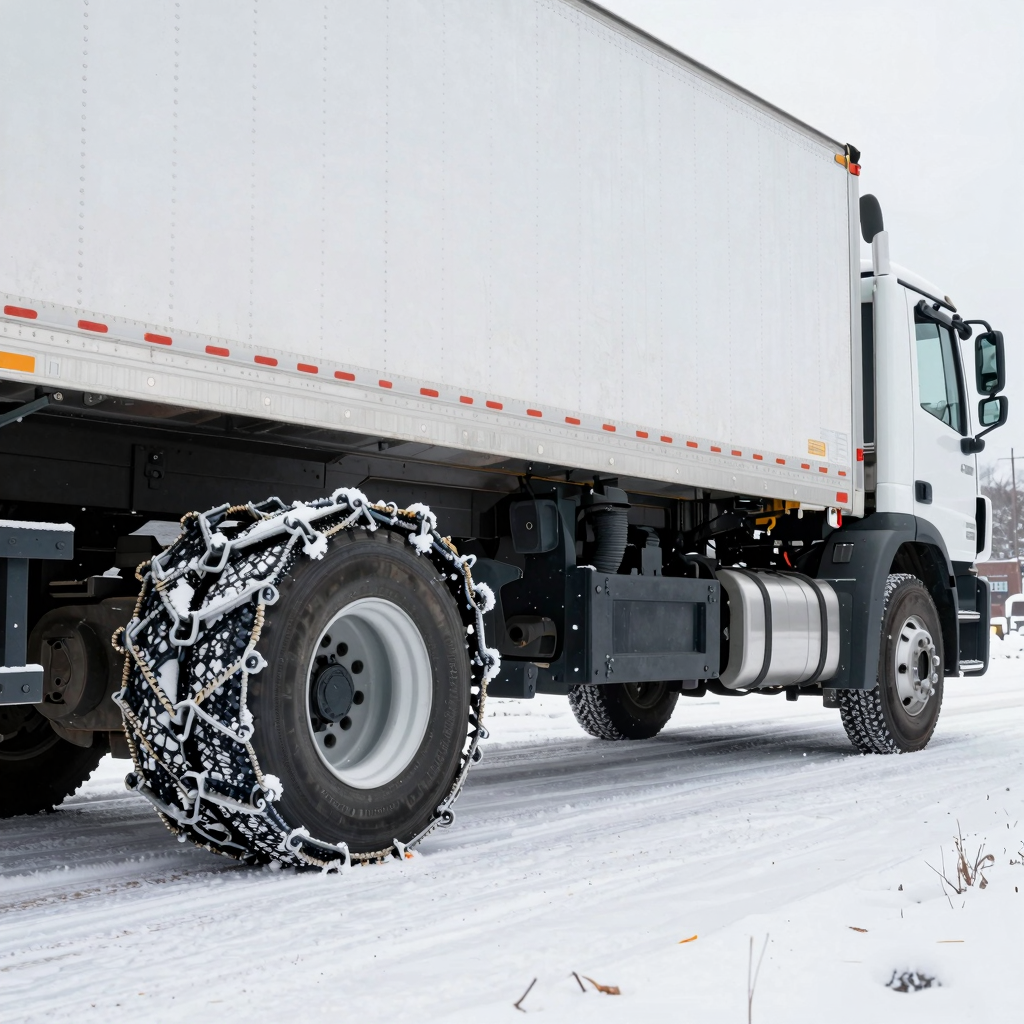
For more insights on the impact of winter conditions on trucking, learn more about the current trends in used truck sales growth.
And also consider the importance of safety gear in your fleet by checking our article on trucking oversight amid US government shutdown.
Enhance Your Trucking Experience with Custom-Fit Fairings
As you’ve learned about the vital role of snow chains in maintaining traction and safety during winter driving, consider taking your trucking operation a step further with custom-fit fairings. At Summit Fairings, we specialize in providing high-quality, tailored fairings designed specifically for your truck, ensuring maximum aerodynamic efficiency and fuel savings.
Why Choose Custom Fit Fairings?
- Improved Aerodynamics: Custom-fit fairings help reduce wind drag, leading to significant fuel economy improvements over time.
- Durability and Longevity: Built from robust materials, our fairings are designed to withstand tough weather conditions, ensuring they last through every season.
- Enhanced Aesthetic Appeal: Custom fairings can elevate the appearance of your truck, giving it a more professional look on the road.
By investing in quality fairings, you not only enhance the performance of your trucks but also contribute to a more sustainable operation with reduced emissions. Visit Summit Fairings today to explore our customizable options and see how our solutions can transform your fleet!
Let’s make your trucks more efficient and effective on the road together!