
Understanding Fuel Surcharges in the Trucking Industry
In the complex world of logistics and transportation, understanding the intricacies of fuel surcharges has become paramount for trucking company owners, fleet managers, and procurement teams. The fuel surcharge serves as a critical component in managing operational costs, ensuring that businesses can maintain profitability amid fluctuating fuel prices. As diesel fuel costs continue to rise and fall due to various market factors, having a deep understanding of how surcharges are calculated and implemented is essential. This knowledge not only combats potential profit erosion but also facilitates better budgeting and pricing strategies in a competitive environment.
Moreover, the fuel surcharge impacts negotiations with shippers and clients, often serving as a pivotal point in service contracts. By gaining insights into how fuel surcharges operate, stakeholders can enhance their decision-making processes, leading to more efficient operations and improved service delivery. In this article, we will examine the fundamentals of fuel surcharges-what they are, how they’re calculated, and the implications for those involved in the trucking industry. For additional context on how current trends affect operational costs, explore how tariffs impact truck sales.
Ultimately, this article aims to equip trucking professionals with the necessary knowledge to navigate the ebbs and flows of fuel pricing, allowing them to make informed decisions that support their long-term business sustainability.
Overview of Fuel Surcharge in the Trucking Industry
A fuel surcharge is an additional fee imposed on shipping clients to adjust for fluctuations in fuel prices, particularly diesel. This extra charge is distinct from the base freight rate and is designed to compensate trucking companies for the volatility in fuel pricing that directly affects their operational costs. Fuel surcharges are calculated based on diesel price indexes, ensuring that transportation costs align with current market realities.
The primary purpose of a fuel surcharge is to enable logistics and freight brokerage firms to maintain financial stability amid the frequent changes in fuel costs. Such surcharges significantly impact the commercial trucking costs, making it essential for trucking company owners and fleet managers to understand their implications. As fuel prices ascend, the accompanying fuel surcharge can escalate rapidly, leading to increased freight expenses for clients. This dynamic can strain budgets and shift profitability away from the service providers unless passed on to the customers through adjustments in the fuel surcharge.
Research indicates that recent fluctuations in diesel fuel pricing have led to a notable rise in average fuel surcharges-from approximately 16.6% to as high as 29.8% in certain instances, as reported by Ecommerce News. Such variations are particularly critical for logistics and freight brokerage firms as they strategize to manage operational costs and meet client expectations effectively.
Furthermore, the implementation of fuel surcharges can also serve as a strategic tool in negotiations between freight providers and shippers. When fuel prices spike, having a well-defined fuel surcharge in contracts can protect the financial interests of the logistics companies and ensure that unexpected costs do not erode profit margins.
In essence, while a fuel surcharge may seem like an unavoidable cost to clients, it plays a fundamental role in stabilizing financial outcomes in the face of inconsistent fuel pricing. Understanding this mechanism can aid all parties involved, ensuring transparency and facilitating smoother logistics operations.
Fuel Surcharge Rates Comparison
Fuel surcharges are an essential factor for trucking companies as they reflect fluctuating fuel prices and impact overall shipping costs. The following table presents a comparison of fuel surcharge rates across various major trucking companies as of 2023. The data outlines current rates and recommendations from reputable sources, providing valuable insights for fleet managers and procurement teams.
| Company | Fuel Surcharge Rate (%) | Notes |
|---|---|---|
| UPS | 2.3% | Current fuel surcharge for ground services |
| FedEx | 2.5% | Based on national U.S. average price for diesel |
| Freight Carriers Association | 1.0% | Recommended for LTL shipments |
| Freight Carriers Association | 2.3% | Recommended for truckload shipments |
Key Insights
- UPS and FedEx have relatively high surcharge rates, reflecting current fuel market conditions.
- The Freight Carriers Association offers guidelines for surcharge applicability based on the type of shipment, emphasizing lower rates for less-than-truckload (LTL) shipments.
For more insights into the trucking industry’s shifting landscape, you may want to explore current trends in used truck sales growth or understand the impact of tariffs on truck sales as they also intersect with operational costs like fuel surcharges.
Visual Representation
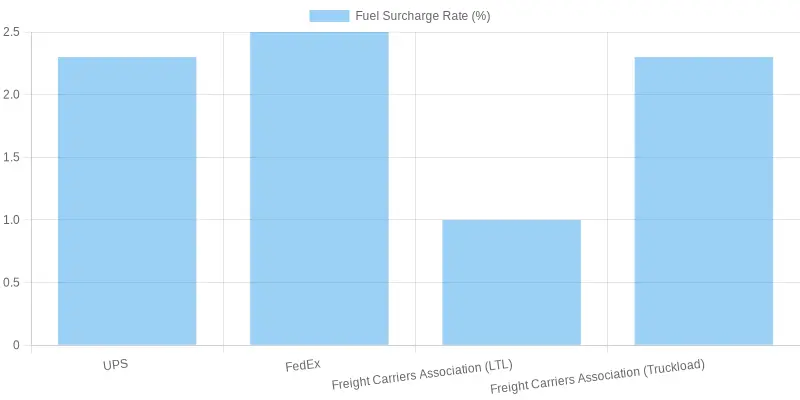
This chart clearly illustrates the differences in fuel surcharge rates across the listed trucking companies and can assist stakeholders in making informed decisions regarding transportation costs.
The Importance of Fuel Surcharges in Trucking Companies
In the dynamic environment of the trucking industry, fuel surcharges play a critical role in maintaining the financial health of transportation companies. These surcharges are implemented primarily to counteract fluctuations in fuel prices, which can significantly affect operational costs. As fuel expenditures can comprise 20-40% of total trucking costs, it is essential for companies to manage these expenses effectively to protect their profit margins.
Understanding Fuel Price Fluctuations
Fuel prices are notoriously volatile, influenced by global oil markets, geopolitical tensions, and seasonal demand fluctuations. An increase in diesel prices can occur suddenly and significantly, compelling trucking companies to implement fuel surcharges to pass these costs onto shippers. For instance, during the COVID-19 pandemic, fuel prices saw unprecedented swings, leading to adjustments in fuel surcharges as companies struggled to cope with fluctuating operational costs (Freight Amigo).
Maintaining Profit Margins
For trucking companies, fuel surcharges are not just an additional fee; they are essential for maintaining profit margins in a competitive market. A key reason for their implementation is to align freight rates with the rising operational costs. According to Labworks USA, fuel surcharges provide a predictable mechanism for both carriers and shippers to manage the volatility associated with fuel pricing (Labworks USA). This predictability allows trucking companies to forecast their overall expenses and adjust their budget accordingly.
Flexibility and Regulation
Fuel surcharges aren’t regulated, allowing trucking companies to adjust them based on real-time fuel price changes. This flexibility is crucial for sustainably operating within the industry. For instance, when fuel prices hit a substantial peak, companies can quickly revise surcharges to ensure they do not erode profitability (Drive4ATS). This capability provides a buffer against economic uncertainties and strategic advantages in contract negotiations with clients by reflecting current market conditions in pricing.
Conclusion
In conclusion, fuel surcharges are a vital tool for trucking companies to navigate the challenges posed by fluctuating fuel prices while protecting their profit margins. By implementing these surcharges, companies not only ensure financial stability but also foster transparency and predictability in their pricing strategies. This understanding is crucial for procurement teams making informed financial decisions regarding logistics and transportation contracts. For further insights into how external economic factors such as tariffs affect the trucking industry, learn more about the impact of tariffs on truck sales.
Legal and Regulatory Aspects of Fuel Surcharges in the Trucking Industry
Fuel surcharges play a critical role in the trucking industry as they help businesses manage fluctuations in fuel prices. However, fleet managers and logistics companies must navigate complex legal frameworks to ensure compliance with applicable regulations governing fuel surcharges. Understanding these legal and regulatory aspects is essential for maintaining profitability while adhering to the law.
Key Legal Frameworks Governing Fuel Surcharges
-
Federal Regulations: The Federal Motor Carrier Safety Administration (FMCSA) regulates many aspects of the trucking industry, including fuel surcharges. While the FMCSA does not set a specific limit on fuel surcharges, it mandates that carriers must be transparent regarding their pricing and charges. It is crucial for carriers to disclose how fuel surcharges are calculated in their contracts and agreements with shippers to ensure compliance.
-
State Laws: In addition to federal regulations, each state may have its own laws addressing fuel surcharges. Some states may impose maximum surcharge limits or require specific disclosures to protect consumers. Fleet managers must familiarize themselves with both federal and state regulations to avoid potential legal issues.
-
Carrier Policies: Many trucking companies have internal policies regarding fuel surcharges that align with industry standards. Ensuring that the implemented policies are compliant with both state and federal regulations is vital to prevent any legal pitfalls.
-
Consumer Protection Laws: Under consumer protection laws, carriers must ensure that fuel surcharges are not misleading or deceptive. Failure to provide clear, accurate information regarding these charges can lead to legal action from consumers or regulatory agencies.
Compliance Considerations for Fleet Managers
Fleet managers and logistics firms should consider the following compliance aspects to avoid sanctions and maintain operational integrity:
- Transparent Disclosure: Carriers must clearly outline fuel surcharge calculations in contracts, ensuring shippers understand how charges are determined.
- Record Keeping: Maintaining detailed records of fuel purchases and surcharge calculations is essential. This documentation supports compliance with legal requirements and provides transparency in case of audits.
- Regular Training: Continuous staff training on compliance issues regarding fuel surcharges is necessary. This ensures that all employees, especially those involved in contract negotiations and customer service, are aware of legal obligations.
- Monitoring Changes: Regulations can change frequently. Keeping abreast of regulatory updates is essential. Subscribing to trucking industry newsletters and seeking guidance from legal counsel can bolster awareness of compliance requirements.
Potential Penalties
Non-compliance with fuel surcharge regulations can have severe consequences. Potential penalties include:
- Fines for misleading pricing or failure to comply with disclosure laws.
- Operational Disruptions due to regulatory investigations or audits.
- Reputational Damage that can impact business relationships with shippers and customers.
Conclusion
Understanding the legal frameworks governing fuel surcharges is essential for trucking companies to operate effectively within the law. Compliance with both federal and state regulations protects companies from penalties and helps maintain strong relationships with shippers. By implementing transparent practices and continuously monitoring regulatory changes, fleet managers can safeguard their businesses and optimize their operations.
For more insights on managing operational challenges in trucking, learn more about current trends in used truck sales and assess the implications of market fluctuations.
Overview of Fuel Surcharge Compliance
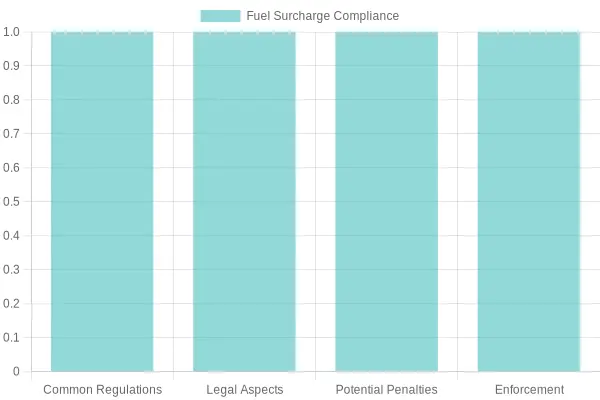
| Category | Details |
|---|---|
| Common Regulations | Compliance with fuel surcharges involves understanding state laws, federal regulations, and carrier policies. |
| Legal Aspects | Surcharging is subject to specific legal frameworks, including disclosure requirements and permitted surcharge limits. |
| Potential Penalties | Non-compliance may lead to fines, operational disruptions, or reputational damage. |
| Enforcement | Stricter compliance checks are performed by regulatory bodies, especially around surcharge reporting and disclosures. |
Insightful Perspectives on Fuel Surcharges
Fuel surcharges have become an integral aspect of trucking operations, serving as a mechanism to mitigate the impact of fluctuating fuel prices on freight costs. Here are insights from industry experts that underscore the importance of understanding this key component in trucking:
“Fuel surcharges help carriers manage changing fuel costs, but they aren’t regulated. Shippers aren’t required to pay them, and even when they do, each shipper uses its own calculation method, so the surcharge amounts vary widely.”
As noted by various experts, fuel surcharges not only assist carriers in maintaining operational effectiveness but also help in providing transparency to shippers. In light of these insights, trucking business owners and fleet managers should grasp how fuel surcharges can impact their profitability.
Additionally, ongoing developments in fuel pricing and regulation may further complicate this landscape, making it essential to stay informed and adaptive. Learn more about current trends in the trucking industry to better grasp the nuances of fuel surcharges and their implications.
Tips for Managing Fuel Surcharges Effectively
Managing fuel surcharges effectively is crucial for trucking companies as they strive to maintain profitability amid rising fuel prices. Here’s a list of best practices aimed at helping fleet managers and procurement teams navigate this challenge:
-
Monitor Industry Trends
Stay updated with the latest trends in fuel pricing and surcharges by subscribing to industry publications and services. Websites like Dashdoc provide comprehensive information to help companies benchmark their practices against competitors. -
Utilize Load Board Data
Leverage load board data to understand the demand-supply dynamics in your route markets. This can assist in setting appropriate surcharge rates and give insights on how competitors respond to fuel price changes. -
Enhance Fuel Efficiency
Invest in technology and vehicle enhancements that improve fuel efficiency. Practices such as maintaining optimal tire pressure, conducting regular maintenance, and investing in more aerodynamic trailer designs can substantially reduce fuel consumption and associated costs. -
Implement Clear Communication with Clients
Transparency with clients regarding how fuel surcharges are calculated fosters trust. Regularly communicate about market conditions and how they might necessitate adjustments in surcharge rates, allowing both you and your clients to plan accordingly. According to GlobalTranz, proactive communication can offset some of the costs associated with fluctuating fuel prices. -
Regularly Review Surcharge Policies
Continue to evaluate your surcharge policies to align them with market changes. Consider conducting analyses every quarter to ensure your practices remain competitive and effective as noted in Baton Transport. -
Educate Your Team
Provide training for your team on fuel management strategies and the importance of fuel surcharges. Greater awareness can lead to better decision-making regarding routing and operations, ultimately making your fleet more efficient. -
Diversify Your Fuel Sources
Explore alternative fuel options where possible. Depending on routes, investing in technologies that accommodate biofuels or electric vehicles can provide long-term savings amidst volatile conventional fuel prices. -
Leverage Fuel Reward Programs
Participate in fuel rewards programs that some fuel retailers offer. These programs can help offset some of the costs associated with fuel surcharges through discounts or loyalty points redeemable for future fuel purchases.
Implementing these strategies can significantly ease the burden of fuel surcharges and contribute to a more stable operational budget for trucking companies amidst fluctuating oil prices. For more insights on managing logistical challenges, learn how trucking companies adapt to economic uncertainties.
Maintaining a keen understanding of surcharges and adopting proactive management techniques can help safeguard the financial health of your trucking operations against rising fuel costs.
Conclusion
In conclusion, understanding fuel surcharges is vital for maintaining financial health within the trucking industry. Fuel surcharges, averaging 49 cents per mile in 2023, play a key role in compensating trucking companies for fluctuating fuel prices. This additional fee is crucial for managing unpredictability and stabilizing operational costs for logistics and freight brokerage firms. As fuel prices rise, trucking companies must adapt their surcharges to cover increased expenses effectively, ensuring continued profitability.
Moreover, managing these surcharges not only helps maintain operational stability but also strengthens the financial planning process for both carriers and shippers. By understanding how fuel surcharges affect overall freight pricing, trucking company owners and fleet managers can make more informed strategic decisions.
As challenges in the trucking industry evolve, embracing effective strategies to handle fuel surcharges is more important than ever. For additional insights on managing the economic uncertainties facing your fleet, consider exploring solutions offered by Summit Fairings to enhance the efficiency of your operations. Equip your business with the tools it needs to navigate the complexities of fuel surcharges as well as the broader trucking landscape.
Trends in Fuel Prices and Surcharges for 2023
To better understand how fuel prices affect fuel surcharges in the commercial trucking industry, the following chart presents a visual representation of their correlation. The data indicates significant trends observed in 2023, revealing fluctuations that may impact decision-making for trucking company owners and logistics firms.
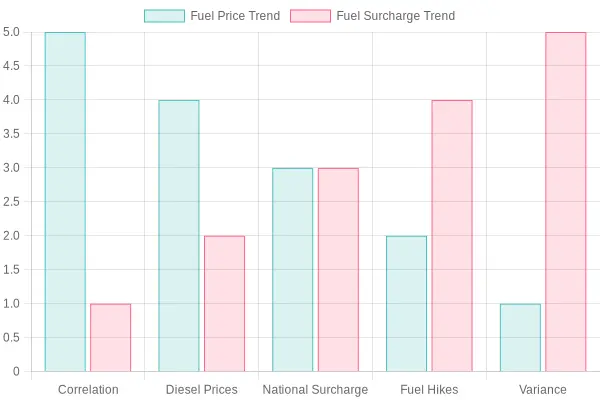
Trends in Fuel Prices and Surcharges for 2023
Key Insights:
- Fuel price trends have shown a correlation with surcharge increases, yet recent data suggests diverging paths.
- The impact of fuel prices on operational costs, especially for logistics and trucking firms, necessitates close monitoring.
For further insights, refer to the impact of economic uncertainties on the trucking market or explore trends in used truck sales.