
Introduction Paragraph Draft
In the ever-evolving landscape of the trucking industry, commercial truck insurance stands as a vital safeguard for trucking company owners and fleet managers. This critical coverage not only protects assets but also plays a significant role in ensuring business continuity amidst unforeseen circumstances. With the rising costs associated with truck insurance, influenced by various market trends and economic conditions, understanding these expenses becomes imperative for strategic financial planning. For instance, the growing frequency of uninsured accidents can have devastating financial repercussions, leading to substantial losses that can cripple even well-established fleets. As we delve deeper into the intricacies of commercial truck insurance costs, we will explore the factors influencing these premiums, and highlight the importance of securing the right insurance policy to mitigate risks effectively. Learn more about market dynamics impacting truck sales.
Factors Influencing Truck Insurance Costs
Understanding the factors that influence truck insurance costs is vital for trucking company owners, fleet managers, and procurement teams in construction and logistics. Here are the key elements that determine the premium rates:
1. Type of Coverage
The type of insurance coverage plays a crucial role in determining costs. Basic liability coverage is usually cheaper than comprehensive or collision coverage, which provides widespread protection against various risks, including accidents and theft. Companies must assess their unique needs when selecting the right coverage. Learn more about insurance types.
2. Truck Type
The make, model, and age of the truck directly affect insurance premiums. Newer trucks typically have more advanced safety features, which can lead to lower insurance costs. Additionally, specialized trucks used for specific cargo (e.g., hazardous materials) may incur higher premiums due to increased risk factors.
3. Driving Record
The driving history of your truck drivers is another significant determinant of insurance costs. A clean driving record with no accidents, traffic violations, or claims leads to lower premiums, while a history of accidents can result in higher rates. Insurers often consider the experience level of the drivers as well.
4. Location
Where the truck primarily operates can impact insurance costs. Areas with high traffic, crime rates, or accident statistics are subject to higher premiums. Insurers evaluate the risk associated with different geographic locations before establishing rates, making it essential for companies to understand how location affects their policy.
5. Cargo Type
The nature of the cargo transported also plays a key role in determining insurance rates. High-value, delicate, or hazardous materials typically incur higher premiums due to the increased risk of loss or damage during transit. Thus, understanding the risks associated with your cargo can provide insights into your insurance costs.
6. Mileage
The anticipated annual mileage of a truck can influence premium rates. Generally, higher mileage translates to increased risk, leading to higher insurance costs. Companies that can accurately estimate their mileage expectations can potentially negotiate better rates with insurers.
7. Business Type
The specifics of the business model, including whether it’s a freight broker, construction company, or logistics provider, can impact insurance costs. Different sectors face distinct risks, and insurers will adjust premiums accordingly.
Conclusion
In summary, a combination of factors affects commercial truck insurance costs, including coverage options, truck types, driver history, location, cargo specifics, mileage, and business nature. To gain a deeper understanding of financial obligations and risks, operators can delve into more detailed topics such as current trends in used truck sales or risk management strategies in the trucking sector. By being informed, trucking companies can make confident decisions about their insurance needs.
Common Coverages in Commercial Truck Insurance Policies
When considering commercial truck insurance, it’s crucial to understand the various coverages that are typically included in such policies. Below is a list of common coverages:
- Liability Coverage: Protects against claims of bodily injury and property damage to others caused by your truck.
- Cargo Coverage: Covers loss or damage to the cargo being transported.
- Physical Damage Coverage: Protects against damage to your truck from accidents, theft, or natural disasters.
- Comprehensive Coverage: Covers non-collision-related incidents such as theft, vandalism, or weather damage.
- Uninsured/Underinsured Motorist Coverage: Protects you if you’re involved in an accident with a driver who has little or no insurance.
- Medical Payments Coverage: Helps cover medical expenses for you and your passengers in the event of an accident, regardless of fault.
- Workers’ Compensation: Provides benefits to your employees who are injured or become ill due to work-related activities.
- Bobtail Coverage: Covers liability when the truck is being driven without a trailer attached.
- Umbrella Liability Insurance: Offers additional liability coverage beyond what is included in your standard policies.
Understanding these coverages can help ensure that your trucking business is well-protected against a variety of risks. For more insights into the complexities of truck ownership and its financial implications, learn more about the impact of tariffs on truck sales and stay updated on current trends in used truck sales.
Average Yearly Costs of Commercial Truck Insurance by Truck Type
In this table, we present estimates of annual insurance costs for various types of commercial trucks. These estimates help truck owners and fleet managers understand the potential financial commitments associated with insuring different truck types.
| Truck Type | Average Yearly Cost |
|---|---|
| General Cargo | $1,200 – $3,500 |
| Long-Haul | $4,500 – $12,000 |
| Refrigerated | $10,000 – $15,000 |
| Flatbed | $7,000 – $12,000 |
| Dump Truck | $2,000 – $4,000 |
| Tow Truck | $1,500 – $5,000 |
Notes:
- Flatbed and Dump Trucks: These often incur higher premiums due to the high-risk nature of their operations, such as carrying heavy or unstable loads.
- Refrigerated Trucks: The costs can be higher due to the need for specialized coverage to protect against spoilage or damage to perishable goods.
Understanding these costs is crucial for budgeting and planning in trucking operations. For further insights into the insurance landscape, you might explore trends in commercial insurance costs and how tariffs impact insurance rates.
Cost Implications of Claims History in Trucking Insurance
Understanding how a trucking company’s claims history impacts insurance premiums is crucial for fleet managers and trucking company owners. Insurance underwriters analyze a company’s past claims to gauge future risks, significantly influencing the premiums they charge.
Trucking companies with a clean claims history tend to enjoy lower insurance rates. Conversely, a high claims rate signals higher perceived risk to insurers, leading to increased premiums. For instance, three claims over consecutive years can raise an annual premium from $8,000 to $10,560, representing a 32% increase. This data illustrates the financial implications for companies that do not prioritize safety and risk management.
Insurance experts recommend that trucking companies maintain a claims rate as low as possible. Here’s a breakdown of potential premium scenarios based on claims frequency:
| Number of Claims | Premium Amount ($) |
|---|---|
| 1 | 8,000 |
| 2 | 9,000 |
| 3 | 10,560 |
To mitigate these costs, companies are encouraged to implement rigorous driver training programs and regular vehicle maintenance. Furthermore, insurers may consider safety records and accident prevention practices as part of their risk assessment, allowing for more competitive premiums if a company demonstrates a commitment to safety.
By investing in driver safety and reducing claims frequency, trucking companies not only safeguard their employees but also positively impact their insurance costs. For more insights on related topics, you might want to learn more about current trends in used truck sales or understand the impact of tariffs on truck sales.
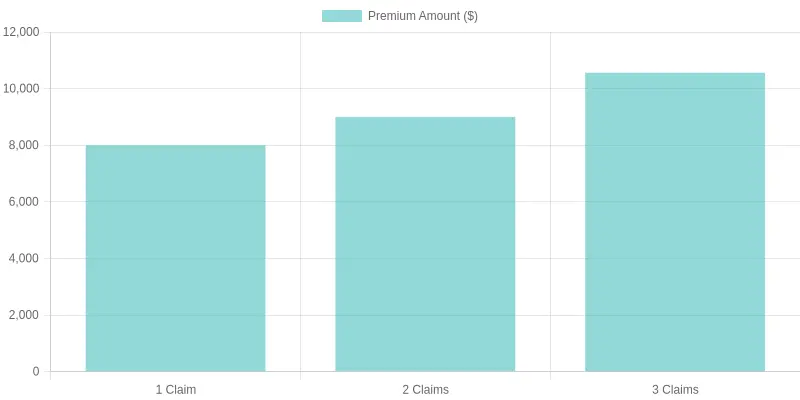
Premium Amounts by Number of Claims
By closely monitoring claims history and prioritizing safety, trucking companies can navigate the complexities of insurance premiums and ensure better financial stability.
Reducing truck insurance costs is a vital consideration for trucking companies looking to improve their bottom line. By adopting strategic practices, you can lower premiums while enhancing fleet safety and efficiency. Here are some actionable tips that trucking companies can implement:
1. Improve Safety Protocols
Investing in safety is one of the most effective ways to lower insurance premiums. Insurers often offer discounts for companies that have comprehensive safety programs in place. Some best practices include:
- Regular Safety Training: Conduct routine training sessions for drivers focusing on defensive driving techniques and safe operational practices.
- Safety Equipment: Equip vehicles with advanced safety features such as collision avoidance systems, electronic stability control, and dash cameras.
- Accident Reporting: Establish a clear protocol for reporting and responding to accidents, ensuring that incidents are properly documented and analyzed for future prevention.
2. Maintain Vehicles Regularly
Regular maintenance reduces the risk of breakdowns and accidents, which are critical factors in determining your insurance rates. Ensure that your fleet undergoes:
- Routine Inspections: Regular audits and inspections can identify potential issues before they become significant problems.
- Preventative Maintenance: Schedule regular maintenance for all vehicles, including oil changes, tire checks, and brake inspections to keep trucks running smoothly.
3. Choose the Right Insurance Provider
Selecting an insurance provider that understands your specific needs can lead to significant savings. Consider the following:
- Compare Policies: Take time to compare quotes from multiple insurers. Look for policies that offer the best coverage for your needs at competitive rates.
- Understand Coverage Options: Work with your insurance agent to understand which coverages are essential and which can be excluded to lower costs.
- Evaluate Deductibles: Increasing your deductible may lower your premium, but ensure you can cover the costs in the event of a claim.
4. Monitor Driver Behavior
Utilize telematics technology to monitor driver behavior, which can help identify risky driving patterns such as speeding or harsh braking. Keeping track of these behaviors allows you to:
- Provide Feedback: Give constructive feedback to drivers and implement incentive programs for safe driving.
- Reward Safe Drivers: Create a program that rewards drivers who maintain a safe driving record over time, which can lead to lower premiums.
Conclusion
By focusing on safety, maintaining your vehicles, selecting the right insurance provider, and actively monitoring driver behavior, your trucking company can effectively lower its insurance costs. Implementing these tips not only prepares your business for better insurance rates but also promotes a culture of safety and responsibility within your fleet.
Understanding the costs associated with commercial truck insurance is critical for trucking company owners and fleet managers. As noted in an analysis by a leading industry expert, “The complexities of truck insurance costs require a keen understanding, as unforeseen expenses can heavily impact operational budgets. Fleet managers must proactively assess their coverage options to align with their specific business needs.” This insight emphasizes the significance of making informed decisions regarding insurance plans and selecting the right coverage to mitigate risks effectively.
Key Considerations
When evaluating commercial truck insurance costs, it’s essential to consider several factors:
- Type of Coverage: The more extensive the coverage, the higher the premium.
- Truck Usage: How the truck is used (e.g., long-haul, local delivery) can significantly affect costs.
- Experience Level of Drivers: Insurers often consider the driving history and experience of the operators when setting premiums.
By understanding these variables, fleet managers can better manage their budgets and ensure that they are adequately protected against potential liabilities.
For detailed insights on factors affecting truck insurance costs, you can learn more here.
In summary, comprehensively understanding truck insurance costs not only helps in choosing the right policy but also fosters financial stability and robust risk management strategies for trucking businesses.
Summary and Call to Action
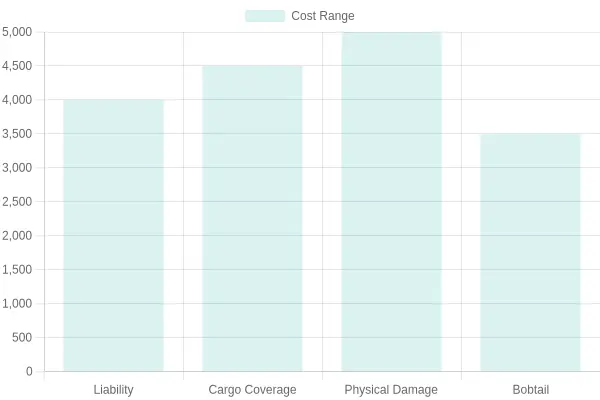
In conclusion, understanding the costs associated with commercial truck insurance is vital for trucking company owners, fleet managers, and procurement teams in logistics and construction industries. The insurance costs range significantly based on various factors, typically falling between $4,000 to $12,000 annually for small to mid-sized trucking companies. Key factors influencing these costs include driver history, vehicle type, the state in which one operates, and the specific type of coverage chosen, such as liability, cargo coverage, or physical damage.
As insurance rates continue to trend upward due to factors like inflation and rising repair costs, it’s essential to stay informed about your options and find the best coverage for your needs. Companies should evaluate their specific circumstances and ensure that they are getting optimal coverage without overspending.
For a detailed breakdown of coverage types and their respective costs in 2023, refer to the chart below:
As you weigh your options for commercial truck insurance, consider discussing your needs with professionals who can guide you through the process. If you’re also looking for high-quality truck and equipment solutions, explore what Summit Fairings has to offer.
This image showcases a commercial truck in a business setting, highlighting the importance of having comprehensive insurance coverage. Commercial truck insurance is crucial for protecting businesses against unexpected incidents on the road, ensuring both safety and financial stability.