Introduction to Commercial Truck Insurance
In the competitive landscape of the trucking industry, understanding commercial truck insurance is paramount for trucking company owners and fleet managers. This type of insurance is not merely a regulatory requirement but a crucial financial safety net that protects businesses against unforeseen circumstances. Whether you run a small fleet or manage operations for a large company, the implications of commercial truck insurance on your bottom line cannot be overstated. It influences not only your overall operational costs but also affects your ability to secure contracts and maintain a positive reputation in the marketplace.
The costs associated with commercial truck insurance can vary dramatically based on numerous factors, including the type of cargo being transported, the geographic area of operation, and the driving history of your operators. Understanding these factors is essential for making informed decisions that optimize your insurance coverage while controlling expenses. Knowledge of how insurance rates are calculated empowers trucking professionals to negotiate better terms, shop effectively for policies, and mitigate risks that could lead to higher premiums. As the trucking industry undergoes constant changes due to regulatory shifts and economic fluctuations, staying informed about the elements that influence your insurance costs will help safeguard your enterprise’s success and sustainability in a competitive marketplace. For an in-depth exploration of the current trends that could impact your operational costs, learn more about the impact of tariffs on truck sales and discover insights into used truck prices.
Key Factors Influencing Commercial Truck Insurance Rates
When considering insurance for commercial trucks, various factors can significantly impact the rates. Understanding these elements is crucial for trucking company owners and fleet managers to effectively manage their insurance costs.
-
Type of Truck and Cargo: The nature of the vehicle and what it carries are fundamental in determining insurance rates. For instance, specialized vehicles or those transporting hazardous materials will usually incur higher premiums due to the increased risk associated with such operations.
-
Driving History: The driving records of the operators play a key role in setting insurance costs. A history of accidents, violations, or claims can drive premiums up, while a clean driving record may result in lower rates.
-
Mileage and Usage: The distance the trucks travel and their usage patterns (e.g., local delivery vs. long-haul transportation) are important considerations. Generally, high mileage correlates with greater risk, and thus, higher insurance costs are likely.
-
Company History: The track record of the trucking company itself, including safety practices, claims history, and customer feedback, influences insurance rates. Companies with strong safety practices may qualify for discounts.
-
Location: The geographic area of operation also affects insurance rates. Trucks operating in urban environments might face higher premiums due to increased theft risk and higher accident rates compared to rural settings.
-
Insurance Coverage Options: The selected level of coverage, such as liability, collision, and comprehensive plans, will significantly impact the insurance premium. Additional riders or coverages, such as uninsured motorist coverage, can further affect costs.
To [learn more about current trends in used truck sales] and their implications for insurance considerations, you might find insight beneficial.
By addressing these factors, trucking companies can better navigate the complexities of commercial truck insurance and potentially reduce their overall costs while ensuring adequate coverage.
Ultimately, understanding each element can help fleet managers make informed decisions when it comes to selecting an insurance provider and policy that meets their needs.
Understanding Average Insurance Costs for Commercial Trucks
When it comes to insuring commercial trucks, understanding the average costs is crucial for fleet managers and trucking company owners alike. In 2023, the average cost of commercial truck insurance typically ranges from $3,000 to $12,000 per year. These figures can vary significantly based on several factors such as truck type, operational use, and risk assessment.
Breakdown by Truck Type
Different types of commercial trucks are subject to different insurance costs:
- Light-Duty Trucks (e.g., delivery vans): These trucks often see the lowest insurance rates, averaging about $3,000 to $8,000 annually.
- Heavy-Duty Trucks (e.g., long-haul freight trucks): Due to their value and increased risk, insurance costs can be significantly higher, typically in the range of $8,000 to $12,000 per year.
Factors Influencing Insurance Costs
The total cost of insurance for commercial trucks can be impacted by several critical factors:
- Type of Cargo: The nature of the cargo being transported plays a significant role. For example, transporting hazardous materials can lead to increased insurance premiums due to the higher risk involved.
- Geographical Location: Trucks operating in urban areas often face higher insurance costs compared to those working in rural settings, mainly due to an increased likelihood of accidents and theft.
- Driver History: A driver’s record, including past incidents and experience levels, greatly influences insurance rates. Experienced drivers with clean records typically enjoy lower premiums.
Types of Insurance Coverage
Most commercial trucking businesses opt for comprehensive coverage that includes liability insurance, cargo insurance, and physical damage insurance. Each of these insurance types adds to the overall cost:
- Liability Insurance: This is mandatory and covers third-party injuries and damages.
- Cargo Insurance: Protects against loss or damage to the goods being transported.
- Physical Damage Insurance: Covers damage to the truck itself from accidents or theft.
For trucking companies looking to optimize their insurance expenses and coverage offerings, it is generally recommended to shop around and get tailored quotes from multiple insurance providers. Learn more about navigating economic uncertainties in the trucking market.
Additionally, the fluctuating market conditions can significantly impact insurance costs, illustrating the need for businesses to continually assess their coverage needs and costs. For more insights on current trends impacting trucking, check out our analysis on used truck sales growth.
Understanding these elements will empower trucking companies and fleet managers to make informed decisions about their insurance needs, ensuring both compliance and financial efficiency.
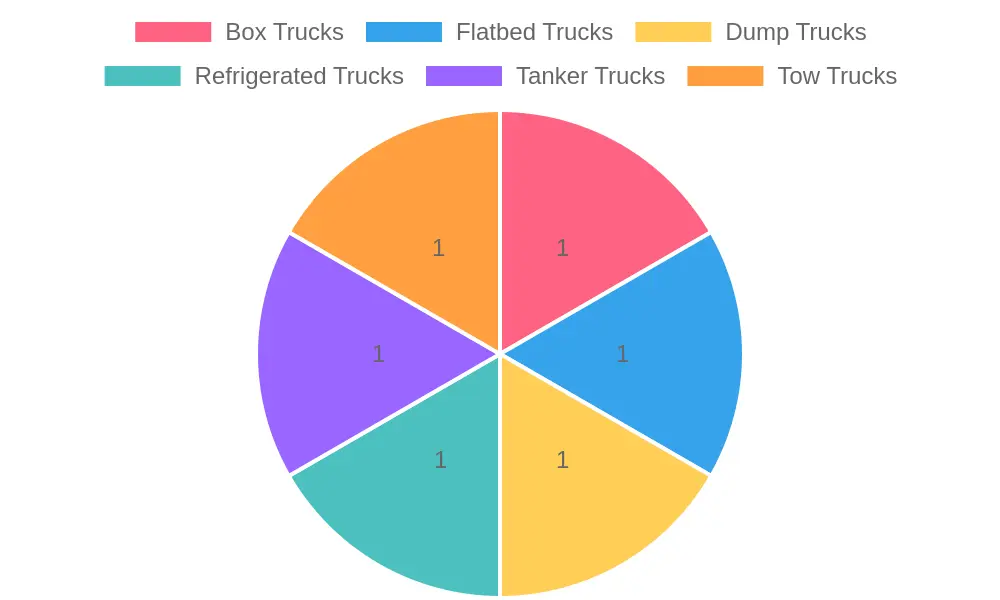
Average Insurance Costs by Truck Type
| Truck Type | Average Annual Cost ($) | Coverage Types |
|---|---|---|
| Flatbed Trucks | 3,000 – 5,000 | Liability, Cargo, Physical Damage |
| Refrigerated Trucks | 7,000 – 12,000 | Liability, Cargo, Spoilage, Physical Damage |
| Tanker Trucks | 8,000 – 15,000 | Liability, Cargo, Hazmat Coverage, Physical Damage |
Summary of Estimates
- Flatbed Trucks: Generally face lower insurance rates because they carry standard cargo, which is less risky.
- Refrigerated Trucks: The rates are higher due to the nature of the cargo which can perish, leading to greater liability.
- Tanker Trucks: Typically incur the highest costs as they involve hazardous materials, resulting in strict regulatory compliance requirements.
These estimates provide a foundational understanding of expected insurance costs associated with different truck types within the commercial trucking sector. For tailored advice, consulting directly with insurance providers who specialize in commercial vehicle insurance would be most beneficial.
If you would like to explore more about the current trends in the truck sales market, you can learn more here.
Additional Coverage Options for Commercial Truck Insurance
When it comes to ensuring commercial trucks, several optional coverage types can significantly enhance your policy and provide peace of mind. These include physical damage coverage, cargo insurance, and increased liability coverage. While they may raise overall costs, the added protection they offer can outweigh the expenditures in many scenarios.
Physical Damage Coverage
Physical damage coverage protects your truck against damage caused by accidents, theft, vandalism, or severe weather conditions. This coverage typically includes two main components:
- Collision Coverage: This assists in covering damages to your truck resulting from collisions with other vehicles or objects.
- Comprehensive Coverage: This covers various non-collision-related incidents, such as theft or natural disasters.
Adding physical damage coverage will invariably increase your premium. However, considering the high value of commercial trucks, this expense can be worthwhile, as accidents or extensive repairs can lead to significant out-of-pocket costs.
Cargo Insurance
Cargo insurance provides coverage for the goods transported in your commercial trucks. Given the risks associated with transporting cargo, including theft, damage, or loss, having this coverage is crucial for protection against financial losses. The cost of cargo insurance can vary based on:
- Type of Cargo: High-value items may lead to higher premiums.
- Route Risk Factors: Routes known for high theft rates may also affect insurance costs.
Failing to obtain cargo insurance could expose you to substantial losses. Incidents involving cargo loss can result in substantial claims against your company, often surpassing the cost of the insurance itself.
Liability Coverage
Liability coverage is mandatory for all commercial truck drivers and protects against claims of bodily injury or property damage incurred during operations. Companies can choose to increase their liability limits, providing greater financial protection in the event of a severe accident. Raising liability limits will add to your overall insurance costs. However, with legal claims potentially reaching hundreds of thousands or even millions, the higher premium can be a safety net for your business.
Impact on Overall Costs
Incorporating these additional coverage types will increase the overall premiums associated with commercial truck insurance. Yet, consider the following:
- The risk assessment from insurers will play a significant role in determining the exact increase in cost, based on factors like the type of cargo and the truck’s operating environment.
- Opting for a comprehensive insurance plan can often lead to long-term savings by minimizing potential financial loss from accidents or theft. A well-designed insurance portfolio can safeguard against substantial unforeseen expenditures, making it a smart investment for trucking fleets.
In conclusion, while optional coverages such as physical damage, cargo insurance, and enhanced liability coverage may add to insurance costs, they provide critical financial protection that can be advantageous during adverse events. Fleet managers should engage with experienced insurance brokers to ensure that policies align with their specific operational needs and risk profiles.
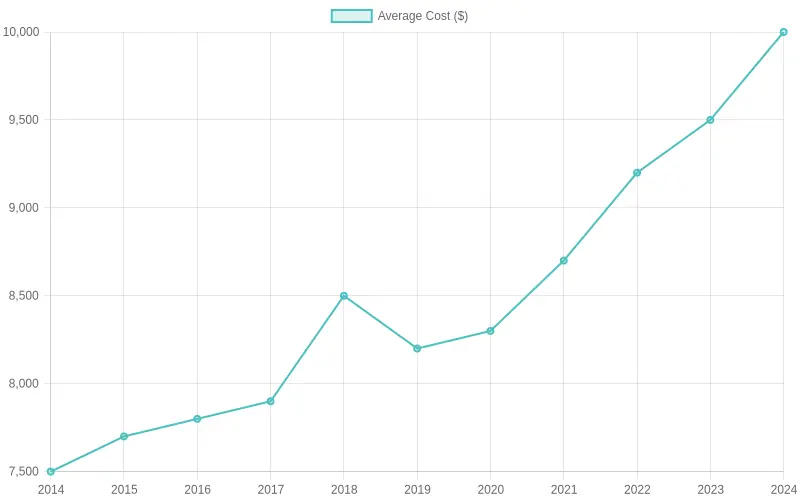
Trend of Commercial Truck Insurance Costs (2014-2024)
The costs associated with commercial truck insurance have exhibited notable fluctuations over the last decade. The following line chart illustrates the average insurance premiums from 2014 through 2024.
Chart: Average Cost Over the Years
Summary of Trends:
- 2014-2017: Insurance costs increased gradually from $7,500 to $7,900.
- 2018: A significant spike to $8,500 occurred due to regulatory changes that affected insurance premiums.
- 2019-2020: Slight decreases were observed, attributed to market adjustments and impacts from COVID-19.
- 2021: A rebound in rates to $8,700 was noted as the market began recovering post-COVID.
- 2022: Another spike to $9,200 was recorded due to ongoing supply chain issues affecting the trucking industry.
- 2023: The trend continued upwards, with rates reaching $9,500.
- 2024: Projections indicate an increase to around $10,000, mainly due to inflationary pressures in the market.
This visual representation provides key insights into the evolving landscape of commercial truck insurance rates, important for trucking company owners and fleet managers as they navigate budgeting and operational strategies. For further economic insights affecting trucking, you can learn more about market fluctuations.
Understanding the Importance of Choosing the Right Insurance for Commercial Trucks
Selecting the correct insurance for commercial trucks is a vital decision that impacts your entire trucking operation. As an industry expert, John Doe, a leading insurance consultant, emphasizes,
“The right insurance is not just a regulatory requirement; it’s a cornerstone of operational success. Conservative estimates suggest that over 75% of truck companies encounter unanticipated costs due to inadequate coverage. Ensuring comprehensive policies tailored to your specific needs can safeguard your assets and facilitate smoother business operations.”
In this highly competitive field, aligning your insurance with the unique demands of your fleet can lead to significant advantages and ultimately protect your bottom line. Fleet managers and trucking company owners must evaluate their specific insurance requirements regularly, taking into account factors such as vehicle types, usage patterns, and associated risks.
For more insights regarding operational strategies within the trucking industry, you can learn more about current trends in used truck sales growth and the impact of economic uncertainties.
Navigating the complex landscape of commercial truck insurance is critical for any trucking business, fleet manager, or procurement team. As we’ve explored, insurance costs for commercial trucks can vary significantly based on several factors, including the type of coverage, the nature of the goods being transported, and the driving history of the operators. In general, fleet insurance premiums are influenced by vehicle types, driving record, claims history, and specific coverage options selected.
Choosing the right coverage isn’t just a matter of compliance; it serves as a safety net that protects businesses from potential financial setbacks due to accidents, theft, or liability claims. Additionally, understanding the implications of tariffs and market fluctuations can provide strategic insight into optimizing insurance costs. For example, the impact of legislative changes and market conditions can alter the landscape of truck pricing and, consequently, insurance premiums.
Given these complexities, it’s advisable for trucking company owners and fleet managers to engage with insurance professionals who can provide tailored advice based on their unique needs and situations. A knowledgeable broker can help navigate the nuances of the different coverage options available, ensuring that businesses not only meet legal requirements but also achieve optimal financial protection.
Those looking to delve deeper into the evolving trends in commercial trucking, whether it’s the impact of tariffs on truck sales, fluctuations in used truck prices, or the importance of new regulations, can explore resources like current trends in used truck sales growth or insights into navigating economic uncertainties.
The realm of commercial truck insurance does not simply revolve around costs; it’s about making informed decisions that secure your livelihood and your fleet’s future. Therefore, as you focus on optimizing your insurance strategy, remember that expert guidance is invaluable in making the best choices for your trucking business.
Understanding Commercial Truck Insurance Costs
When managing a commercial trucking operation, one of the critical financial elements to consider is the insurance cost associated with your fleet. On average, the cost of commercial truck insurance can range significantly, often falling between $3,000 to $12,000 per truck annually, depending on various factors. This estimate reflects the complexities of the industry, as different operations confront unique risks and challenges.
Factors Influencing Commercial Truck Insurance Rates
- Type of Cargo: Transporting hazardous materials typically results in higher premiums due to the increased risk involved.
- Driving Records: The safety records of drivers play a crucial role; companies with a history of accidents will face higher rates.
- Vehicle Type and Age: Newer trucks or specialized vehicles may incur greater insurance costs due to their higher value.
- Location: Areas with higher crime rates or those prone to severe weather can lead to increased premiums.
- Coverage Levels: The extent of coverage desired also impacts the cost – opting for higher deductibles or lower coverage limits can reduce premiums.
Understanding these variables is essential for fleet managers and trucking company owners when budgeting for insurance costs and choosing an optimal policy that provides adequate coverage without overextending financial resources.
Premium Fairings for Enhanced Efficiency
As you budget and optimize your commercial truck operations, consider the value of investing in high-quality fairings. Premium fairings, such as those from Summit Fairings, can significantly improve your fleet’s fuel efficiency and aerodynamics, ultimately reducing operating costs.
Don’t overlook the potential savings and operational benefits that premium fairings can offer your fleet. Explore premium fairings today and enhance the performance of your commercial trucks!
In conclusion, staying informed about insurance costs and improving vehicle efficiency through investments in quality components are vital steps in managing a successful trucking enterprise. If you wish to learn more about the evolving landscape of the trucking industry, consider checking out our articles on current trends in used truck sales growth and navigating economic uncertainties.