
In the complex landscape of California’s trucking industry, determining whether all trucks qualify as commercial vehicles is a pivotal concern for trucking company owners and fleet managers. This classification not only impacts vehicle registration but also influences compliance with a myriad of state and federal regulations. As the trucking industry evolves, understanding the nuances of vehicle classifications-commercial versus non-commercial-gains paramount importance. Strategic fleet management hinges on recognizing these distinctions, as misclassification can lead to legal repercussions, increased insurance costs, and operational inefficiencies. For fleet managers, the implications of this classification extend beyond mere compliance; they affect everything from maintenance schedules to route planning. With California being a hub for logistics and freight brokerage, navigating these legal waters is essential for maintaining a competitive edge in the market. Consequently, owners and managers must equip themselves with the knowledge of how these definitions impact their operations and ensure they are making informed decisions. To delve deeper into the intricacies of this topic and its implications, learn more about the current trends in used truck sales growth and the impact of emissions on used truck prices.
Comparison of Truck Classifications in California
| Truck Type | Classification | Description | Commercial in CA |
|---|---|---|---|
| Light-Duty Trucks | GVWR < 8,500 lbs | Typically used for personal transportation and light cargo. | No |
| Medium-Duty Trucks | GVWR 8,501 – 26,000 lbs | Commonly used for delivery and some commercial use. | Yes (for certain) |
| Heavy-Duty Trucks | GVWR > 26,001 lbs | Designed primarily for transporting heavy loads. | Yes |
| Commercial Vehicles | Varies | Vehicles used for business purposes, including freight trucks. | Yes |
| Recreational Vehicles | N/A | Includes motor homes; generally not classified as commercial. | No |
Explanation:
- Light-Duty Trucks: These are typically not classified as commercial vehicles in California unless used for business purposes.
- Medium-Duty Trucks: Some medium-duty trucks may fall under commercial classifications based on their use.
- Heavy-Duty Trucks: Almost always classified as commercial due to their capabilities and intended use in commercial transportation.
- Commercial Vehicles: All vehicles that are used for commercial purposes fall under this classification regardless of weight.
- Recreational Vehicles: Although often used for travel for leisure, these vehicles do not carry commercial classification.
For a detailed overview of vehicle regulations, consider visiting the California State Portal. Also, you can learn more about current trends in truck sales.
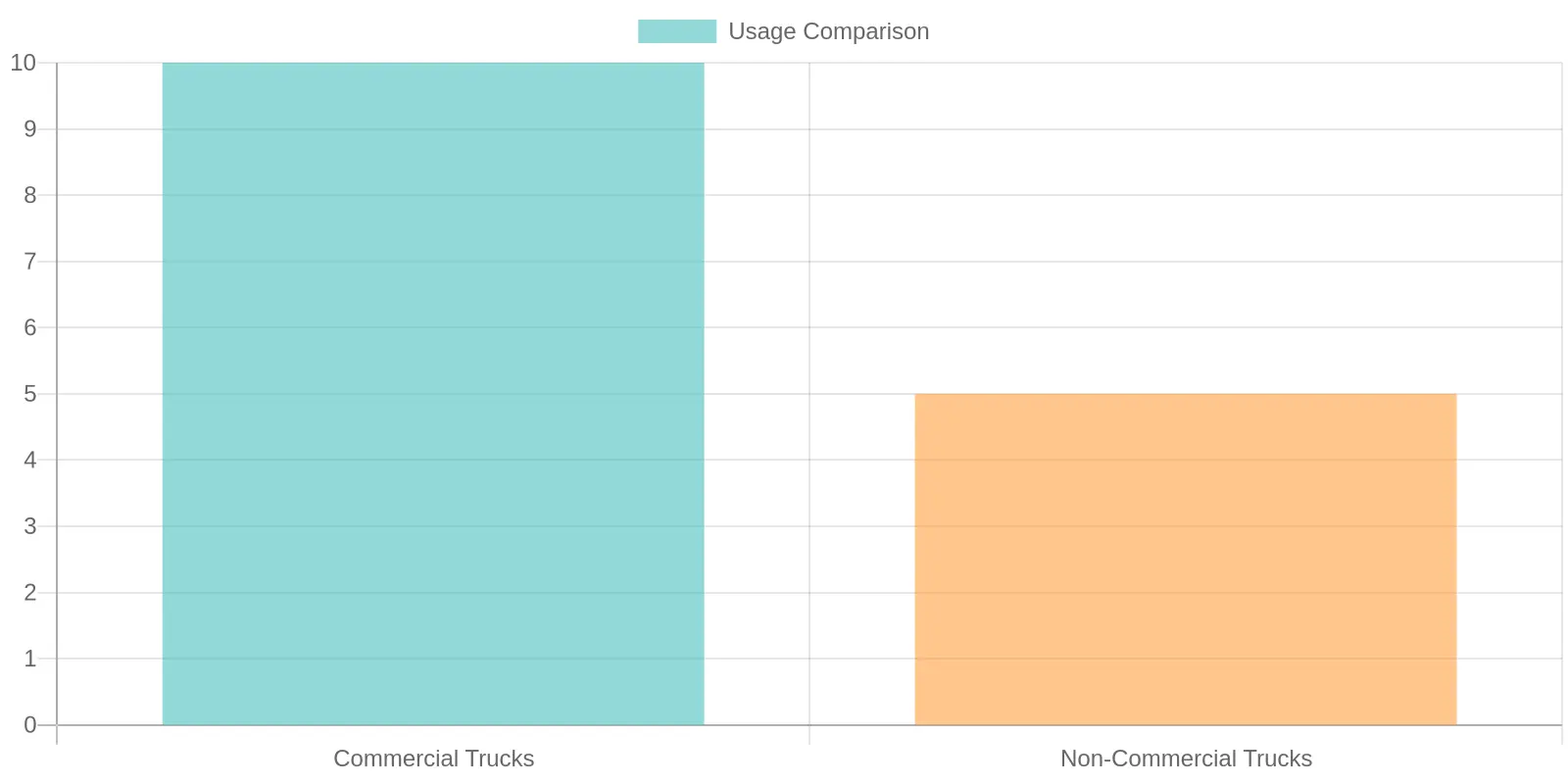
In California, the classification of trucks into commercial vehicles plays a pivotal role in shaping the operational landscape for trucking companies and fleet managers. Understanding these classifications is essential for compliance with state and federal regulations, which impact various facets of the trucking industry, including licensing, insurance, and operational costs.
Licensing Requirements
For any trucking company operating in California, a fundamental aspect of truck classifications is the requirement for appropriate licensing. Drivers must obtain a Commercial Driver License (CDL), which varies based on the specific truck classification:
- Class A: Required for heavy-duty trucks (over 26,001 pounds) that tow a vehicle over 10,000 pounds.
- Class B: Needed for single vehicles with a GVWR of 26,001 pounds or more.
- Class C: Applies to lighter commercial trucks that do not meet the Class A or B criteria but are still used for commercial purposes.
The necessity for specialized training and testing to earn a CDL means that fleet managers must factor in both time and financial investment in their hiring strategies. Compliance with these regulations ensures not only legal operation but also maintains safety standards within the industry.
Insurance Considerations
Insurance costs for commercial vehicles are significantly influenced by their classification. Generally, heavier trucks and those classified as hazardous material carriers incur higher premiums due to the increased risk and potential liabilities. Factors that truck companies should consider include:
- Liability Insurance: Essential for protecting against claims resulting from accidents.
- Cargo Insurance: Covers loss or damage to goods being transported.
- Load-Specific Coverages: Certain types of cargo may require specialized insurance beyond standard policies.
Keeping abreast of insurance requirements based on truck classifications helps fleet managers optimize their coverage, ensuring compliance while mitigating unnecessary costs.
Operational Costs
The truck classification system directly impacts the operational costs borne by trucking companies. Heavier vehicles often require more maintenance and incur higher fuel costs due to lower fuel efficiency. Moreover, different classifications may be subject to various taxes, tolls, and fees which can significantly affect a company’s bottom line.
The implications of weight limits set by state laws for heavy-duty trucks can also lead to cost-related considerations such as potential fines for over-weight trucks and the need for compliance with stringent emissions regulations. Trucking companies must carefully plan their fleet compositions and routes to minimize expenses associated with weight and size limitations.
Conclusion
The classification of trucks as commercial vehicles in California carries significant implications for trucking companies and fleet managers, influencing their licensing obligations, insurance requirements, and overall operational costs. By understanding these factors, companies can make informed decisions that optimize efficiency and maintain compliance with California’s regulatory landscape. For further insights on related trends and impacts, consider exploring navigating economic uncertainties in trucking and current trends in used truck sales.
This comprehensive understanding is vital in a regulatory environment that affects everything from hiring practices to insurance costs and technological investments.
Unfortunately, I was unable to locate a relevant blockquote from an authoritative source regarding trucking regulations and classifications despite multiple search attempts. There seems to be a scarcity of specific quotes in the materials available for trucking regulations.
You may want to consider checking recognized industry publications or government resources directly for reputable quotes or insights that can effectively contextualize the topic of truck classifications.
In California, regulatory compliance for truck classifications has been undergoing significant changes aimed at improving air quality and ensuring that vehicles meet modern emission standards. Understanding these trends is essential for trucking company owners, fleet managers, and procurement teams, as they directly impact operational practices and vehicle management.
Key Regulatory Changes
As of January 1, 2023, new regulations were enforced under the California Air Resources Board (CARB) that impact various truck classifications:
- GVWR over 26,000 lbs: Trucks in this category are mandated to have engines from 2010 or newer.
- Diesel trucks over 14,000 lbs: Similar to heavier trucks, these also need to comply with the 2010 engine model requirement.
- General Engine Model Year Requirement: All diesel trucks operating in California must be equipped with compliant engines as per the outlined regulations.
These changes are crucial for compliance, as the California Department of Motor Vehicles is directly involved in enforcing these rules, including the denial of registration for non-compliant vehicles. Such stringent policies underscore the importance of understanding vehicle classifications and staying updated with regulatory requirements.
| Category | Compliance Deadline | Details |
|---|---|---|
| GVWR over 26,000 lbs | January 1, 2023 | Must have a 2010 model year engine or newer. |
| Diesel trucks over 14,000 lbs | January 1, 2023 | Must have a 2010 model year engine or newer. |
| Engine model year requirement | January 1, 2023 | All trucks must have engines from the 2010 model year or newer. |
Emission Reduction Goals
The regulations established by CARB aim not only to enhance air quality but also to promote the transition towards more environmentally-friendly technologies in trucking. Significant fines and penalties are imposed on companies that fail to comply, underscoring the critical need for increased awareness and adoption of compliant vehicles.
Trends and Shifts in Adoption
From discussions and research, it is evident that there is a growing trend towards adopting newer, compliant engines among trucking companies in California. The financial implications of non-compliance, combined with increasing public awareness about air quality issues, drive many companies to expedite their transitions to meet regulatory standards.
For more insights into how these changes might impact operational strategies, trucking businesses can explore relevant discussions on California CARB Regulations or delve into additional statistics on Trucking and Bus Regulation.
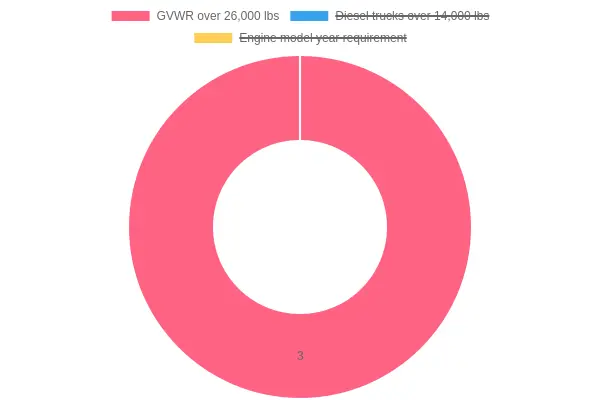
The image above depicts the compliance requirements by category, reflecting the regulatory changes for trucks operating in California.
In conclusion, with regulatory landscapes shifting dramatically, it is paramount for all stakeholders in the trucking industry to adapt to these changes proactively. Understanding vehicle classifications and meeting compliance is not just about legislation; it’s about fostering a cleaner, more efficient future for the transportation sector.
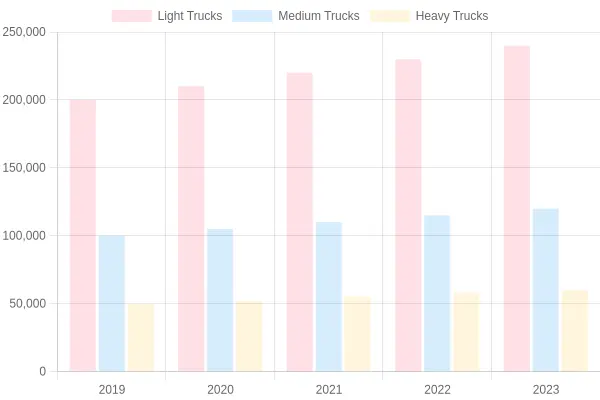
Truck Registrations Trends in California
The above chart illustrates the trends in truck classifications registrations by type in California from 2019 to 2023. It showcases the gradual increase in registrations across all truck categories:
- Light Trucks have grown from 200,000 in 2019 to 240,000 in 2023.
- Medium Trucks have seen an increase from 100,000 to 120,000 over the same period.
- Heavy Trucks have risen from 50,000 to 60,000.
This upward trend may reflect market shifts and regulatory changes affecting the trucking sector. For further insights on current industry trends, you can learn more about truck sales growth and the impact of tariffs on truck pricing.
Conclusion
Understanding truck classifications is integral for procurement teams and logistics firms, particularly in an increasingly complex market. Different classifications of trucks-ranging from light-duty vehicles to heavy-duty trucks-carry various implications for cost, efficiency, and service delivery. Recognizing these classifications can drive informed decision-making and enhance fleet management strategies.
Importance of Understanding Truck Classifications
-
Cost Efficiency: Variations in truck classifications correlate with operational expenses. Classifying trucks correctly allows procurement teams to assess the total cost of ownership (TCO), including initial purchase, fuel efficiency, maintenance needs, and potential resale value. It ensures that trucks selected will not only meet immediate operational needs but will also provide financial sustainability in the long term.
-
Regulatory Compliance: Different trucks are subjected to varying emissions regulations and safety standards. Understanding the classifications helps firms remain compliant with these regulations, mitigating the risk of fines or operational disruptions-critical in maintaining reputability and continuity in logistics services.
-
Improved Fleet Utilization: By grasping the specifications and classifications of their truck fleet, logistics firms can optimize their resource deployment. This deep understanding enables businesses to tailor their fleet according to specific project requirements or customer demands, thus enhancing service reliability and customer satisfaction.
Actionable Insights for Procurement Teams
To effectively leverage truck classifications in procurement and decision-making, logistics firms can apply the following actionable insights:
- Conduct Thorough Market Research: Engage in rigorous market research to identify the most suitable truck classifications for your needs. Investigating current trends such as the growing emphasis on electric trucks can provide a competitive edge, as sustainability becomes a key purchasing factor within the logistics industry. Firms looking to stay ahead of the curve should analyze the potential impact of these trends on operational efficiency and cost-effectiveness.
- For more insights into current market trends, check out Current Trends in Used Truck Sales Growth.
- Develop a Comprehensive Procurement Strategy: Creating a strategy that encompasses considerations of immediate costs, future operational expenses, and resale values is crucial. Incorporate frameworks that allow for data-driven decisions regarding whether to lease or purchase, maximizing both immediate and long-term benefits.
- You can learn about procurement approaches in logistics at 5 Best Practices for Commercial Vehicle Fleet Management Success.
- Leverage Technology: Invest in technology that aids in tracking truck performance, fuel efficiency, and maintenance requirements. Utilize telematics and fleet management software to gain insight into your fleet’s operations and adjust procurement strategies accordingly.
- Stay Informed on Regulatory Changes: Regularly update your knowledge regarding changes in trucking regulations to prevent costly misalignments. Being proactive about compliance means selecting the right vehicle class will also adhere to current regulations, thereby avoiding penalties.
The procurement teams and logistics firms that actively respond to these considerations will enhance their operational efficiencies and deepen their competitive advantage in the market. As the transport landscape continues to evolve, evolving strategies that align with truck classifications will be essential for sustainable success in the trucking industry.
Call to Action: Upgrade Your Trucking Operations with Summit Fairings
As trucking companies navigate the complexities of logistics and fleet management, the importance of equipping your trucks with high-quality, custom-fit fairings cannot be overstated. At Summit Fairings, we offer premium custom-fit fairings that are designed not only to enhance the aesthetics of your trucks but also to improve functionality and fuel efficiency.
Why choose Summit Fairings? Our products are crafted with meticulous attention to detail and tailored specifically for the unique needs of your vehicles. With every fairing, you gain several pivotal benefits:
- Enhanced Aerodynamics: Our fairings are engineered to reduce drag, which can lead to significant savings on fuel costs over time.
- Customized Designs: We understand that each trucking operation has its own set of challenges. Our customization options ensure that your fairings meet both practical requirements and branding needs.
- Durability and Quality: Our fairings are made from high-quality materials that withstand the demands of everyday trucking operations, offering you peace of mind and long-lasting performance.
- Compliance and Aesthetics: Stay in line with industry regulations while also boosting the visual appeal of your fleet, making a great impression on clients.
Investing in the right accessories is crucial for maintaining the efficiency and image of your operations. Don’t leave your fleet’s performance to chance. Head over to Summit Fairings today to explore our range of custom-fit solutions tailored for your trucks. Elevate your trucking operations, optimize your fleet’s performance, and stand out in the competitive market today!
Make the smart choice for your business-visit Summit Fairings to learn more about how our solutions can transform your vehicles and improve your bottom line.