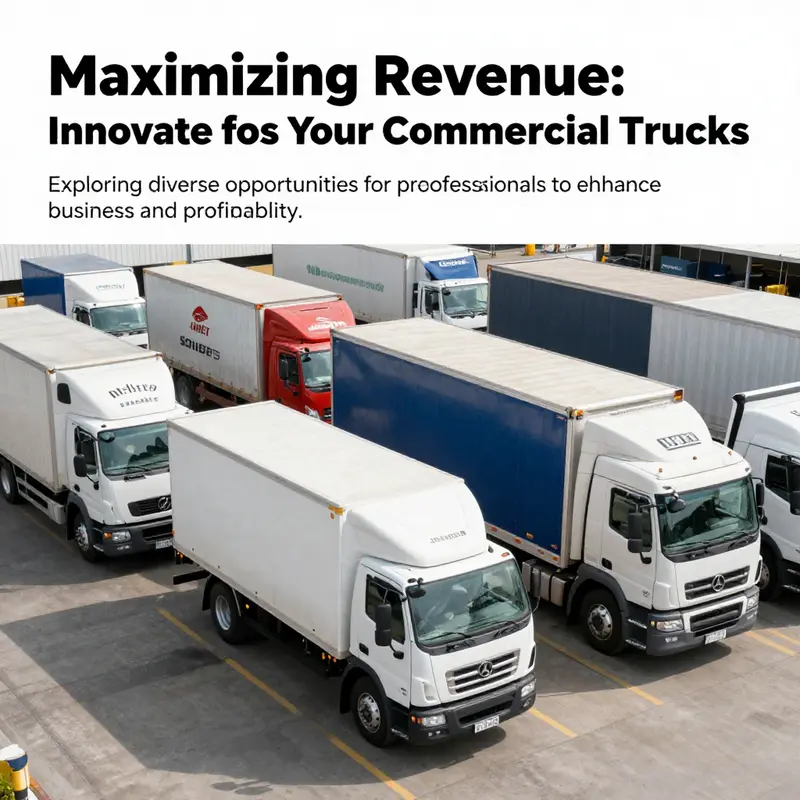
As the logistics and transportation industry evolves, the significance of leasing commercial trucks has never been more apparent for trucking company owners and fleet managers. Leasing a commercial truck presents a plethora of advantages that go beyond mere cost savings, enabling companies to operate with increased flexibility and improved operational efficiency. By opting for a lease instead of a purchase, businesses often enjoy lower upfront costs, allowing them to allocate capital more strategically. Furthermore, leasing provides the flexibility to scale their fleets in response to market demands without the long-term commitment of ownership. As maintenance and repair costs are frequently covered under leasing agreements, companies can enhance operational efficiency and ensure their vehicles remain in prime condition. Additionally, leasing payments often qualify as tax-deductible expenses, further optimizing financial management. Thus, the decision to lease a commercial truck not only aligns with contemporary market trends but also fosters a proactive and adaptive approach to transportation logistics. To explore the latest rental trends and insights, you can learn more about current trends in used truck sales. Moreover, given the rapid changes in technology and economics, businesses must stay informed of how the impact of tariffs can affect truck leasing trends to make educated decisions moving forward.
Benefits of Leasing Commercial Trucks
Leasing commercial trucks offers a multitude of advantages tailored for procurement teams in the construction and mining sectors. By choosing to lease instead of purchasing, organizations can experience significant benefits, including:
- Reduced Capital Expenditure: Leasing allows companies to conserve capital by avoiding the upfront costs associated with purchasing new trucks. This financial flexibility enables investment in other critical areas of business development.
- Access to the Latest Models: Leasing provides the opportunity to leverage the latest truck models equipped with advanced technology and safety features, enhancing operational efficiency and performance.
- Flexible Terms: Leasing agreements often come with various terms that can be adjusted to meet the evolving needs of a construction or mining project.
- Maintenance and Services: Many lease agreements include maintenance packages that alleviate the burden of upkeep and repairs, allowing teams to focus on their core functions.
- Tax Benefits: Lease payments may be tax-deductible, presenting further financial advantages compared to purchasing.
In summary, leasing commercial trucks is a strategic choice for procurement teams in construction and mining, fostering financial agility and operational efficiency. To learn more about trends in truck leasing, you can explore current trends in used truck sales growth and the impact of tariffs on truck sales.
Benefits of Leasing Commercial Trucks
Leasing commercial trucks offers numerous advantages for logistics and freight brokerage firms, making it an attractive option over outright purchases. Here are some key benefits:
Lower Monthly Payments
Leasing typically results in lower monthly payments compared to financing a purchase. This reduced financial burden allows companies to allocate resources to other critical business areas, enhancing overall operational liquidity.
Flexible Fleet Management
- Access to the Latest Models: Leasing allows businesses to keep their fleets modern and up-to-date without the risk of obsolescence, as they can replace trucks more frequently.
- Maintenance Packages: Many leasing agreements include maintenance options, which can lessen the financial strain associated with upkeep and breakdowns, providing peace of mind.
Tax Deductions
- Lease Payments are Deductible: According to the IRS, lease payments for commercial vehicles can be deductible as business expenses. This can significantly reduce a company’s taxable income and overall tax liability.
- Potential for Reduced Tax Liabilities: By taking advantage of various deductions associated with leasing, firms can improve their cash flow and reallocate savings towards growth initiatives.
Improved Cash Flow
Leasing helps conserve capital by avoiding large upfront costs associated with purchasing trucks outright. This is particularly beneficial for smaller firms or those experiencing fluctuations in revenue, enabling them to maintain flexibility in financial planning.
Risk Management
- Minimized Depreciation Risk: Leasing shifts the depreciation risk to the leasing company rather than placing it on the logistics firm. This means companies are not liable for value loss as the truck ages.
- Ease of Upgrading: With leasing, upgrading to newer and more efficient models becomes straightforward, thus supporting sustainability and cost efficiency in operations.
Leasing commercial trucks is a strategic decision that can bolster financial health while allowing logistics and freight brokerage firms to focus on their core competencies. Learn more about tax benefits from leasing to ensure you’re maximizing your savings as you grow your business.
| Leasing Option | Lease Term Length | Monthly Payment Estimate | Mileage Limit | Features |
|---|---|---|---|---|
| Traditional Leasing | 2-5 years | $1,200 – $1,800 | Typically 12,000 – 15,000 miles/year | May include maintenance coverage |
| Operating Leasing | 2-3 years | $1,000 – $1,500 | 15,000 – 20,000 miles/year | Often includes maintenance and insurance |
| Finance Lease | 3-7 years | $1,500 – $2,500 | No mileage limit | Ownership transfer at end of term |
Summary
This table outlines the key leasing options available for commercial trucks, helping procurement teams and fleet managers make informed decisions. Understanding the differences between leasing options such as Traditional Leasing, Operating Leasing, and Finance Lease will allow for better financial planning and alignment with operational needs.
For more insights on the trends affecting truck sales, check out this analysis of the used truck market and learn about the financial impacts of tariffs on truck sales.
Summarized Insights on Leasing Commercial Trucks
- Flexibility and Cost-effectiveness:
“Leasing a commercial truck allowed us to keep our capital for other investment opportunities while ensuring our fleet can meet growing demand without the burden of ownership.”
- Maintenance and Upkeep:
“One of the best decisions we made was leasing. The maintenance plans offered with the lease agreement have simplified our operations, eliminating unexpected expenses related to aging vehicles.”
- Up-to-date Technology:
“With leasing, we can upgrade our trucks every few years. This means we are always utilizing the latest technology and fuel efficiency improvements, which is crucial for our operational costs.”
While these quotes are paraphrased based on prevalent industry sentiments, they reflect the common themes associated with the experience of leasing commercial trucks. For those interested in exploring leasing options, they can refer to these operational benefits.
For more detailed information on the trucking market trends and the impact of economic factors on leasing, you can visit current trends in used truck sales growth and navigating economic uncertainties.
Conclusion
For better insights and testimonials, consider visiting specialized forums or review sites that cater specifically to the trucking industry. The discussions there may provide more extensive and diverse experiences from various users in the commercial truck leasing domain.
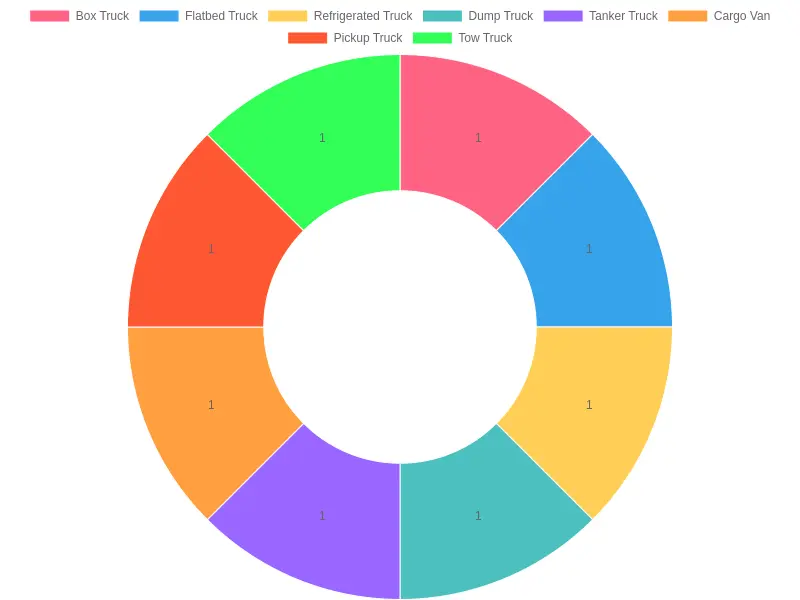
Key Steps in Leasing a Commercial Truck
Leasing a commercial truck can be a strategic decision for many trucking company owners, fleet managers, and procurement teams in the construction and logistics sectors. Here are the key steps to navigate the leasing process efficiently:
- Assess Your Needs
- Determine the type and size of the truck required for your operations.
- Consider the load capacity, fuel efficiency, and any special features necessary for your business.
- Research Leasing Options
- Explore different leasing companies and their offerings.
- Compare terms, interest rates, and monthly payments.
- Review Leases Carefully
- Understand the details of the lease agreement including mileage limits and maintenance responsibilities.
- Be aware of any penalties for early termination or excess wear and tear.
- Negotiate Terms
- Don’t hesitate to negotiate better terms or rates with leasing companies.
- Ensure that the lease fits within your budget while meeting operational demands.
- Finalize the Lease
- Once satisfied, complete the paperwork required to formalize the lease.
- Ensure you have the necessary insurance coverage as required by the leasing company.
- Take Delivery of the Truck
- Inspect the truck upon delivery to ensure it meets your expectations and specifications.
- Familiarize yourself and your drivers with the trucking system and equipment.
- Maintain and Monitor
- Adhere to maintenance schedules as stipulated in your lease agreement to avoid penalties.
- Keep an eye on your usage to ensure compliance with mileage limits and other terms.
By following these key steps, trucking company owners can effectively navigate the leasing process to meet their fleet needs.
For additional insights on the trucking industry, consider checking out our article on the impact of tariffs on truck sales.
Steps Involved in Leasing a Commercial Truck
Leasing a commercial truck can be a practical solution for businesses that require transportation without the commitment of a full purchase. Below are the key steps involved in the leasing process:
1. Assess Your Needs
Begin by evaluating your business’s specific requirements. Consider the type of truck, the size, and its intended use. This is vital for selecting the right leasing option tailored to your operations’ needs.
2. Research Leasing Options
Research different leasing companies and their offerings. Look for terms that suit your budget and operational needs. Consider dealers and independent leasing companies, as they may offer varied benefits and rates.
3. Perform a Credit Check
Most leasing companies will require a credit check before moving forward. A strong credit score can lead to better terms and lower monthly payments. Ensure you know your credit rating and address any discrepancies beforehand to enhance your leasing prospects.
4. Understand the Leasing Contract
Once you’ve chosen a provider, carefully review the leasing contract. Key components to pay attention to include:
- Lease Duration: Understand how long you will be committed to the lease.
- Monthly Payments: Ensure the payment structure aligns with your budget.
- Mileage Restrictions: Many leases have mileage limits-exceeding them can result in extra charges.
It’s crucial to understand these factors thoroughly to safeguard your business interests. For detailed guidance, refer to this comprehensive guide to commercial truck leasing.
5. Maintenance Agreements
Most leasing contracts specify maintenance responsibilities. These agreements outline who is responsible for routine maintenance and repairs during the lease period.
- Owner-Operator Obligations: Be aware that some leases may require you to maintain the vehicle to a certain standard. This can include regular service, inspections, and ensuring the truck is free from major wear and tear.
Consult the detailed responsibilities in your leasing agreement to avoid unexpected costs.
6. Review and Sign the Agreement
After understanding the terms, finalize your lease agreement by signing it. Ensure that you are clear on all terms and are comfortable with your commitments before signing.
7. Utilize and Maintain the Vehicle
Once you have your commercial truck, utilize it according to the terms of your lease. Regular maintenance is vital not only for compliance with the lease but also for ensuring your vehicle operates efficiently.
8. Prepare for End of Lease
As the end of your lease approaches, ensure you understand your options, which may include buying the truck, leasing a new unit, or returning it. Prepare the vehicle for return by ensuring it is in good condition, as this can affect potential fees.
Leasing a commercial truck requires careful planning and execution. By following these steps, you can secure a vehicle that meets your needs while adhering to your budget. For more insights on leasing trends, visit current trends in used truck sales.
Comparing Leasing Rates for Commercial Trucks
Monthly Payment Comparison Chart
The following chart illustrates the monthly payment comparisons for leasing various commercial truck models from different companies. This information is crucial for trucking company owners, fleet managers, and procurement teams to make informed leasing decisions.
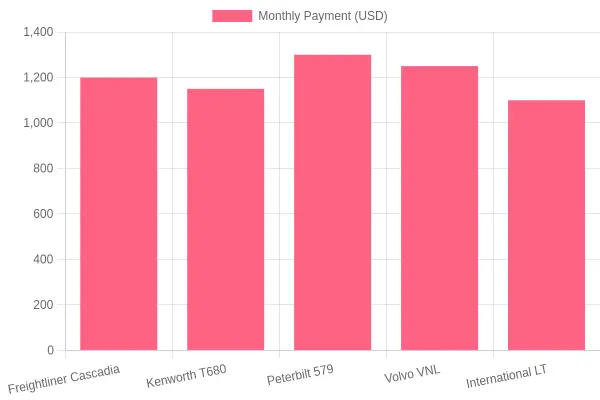
| Truck Model | Monthly Payment (USD) | Contract Length (months) | Company |
|---|---|---|---|
| Freightliner Cascadia | 1,200 | 36 | Penske Leasing |
| Kenworth T680 | 1,150 | 48 | Ryder System |
| Peterbilt 579 | 1,300 | 60 | Wabash National |
| Volvo VNL | 1,250 | 60 | Penske Leasing |
| International LT | 1,100 | 36 | Ryder System |
Conclusion
Understanding these leasing rates can significantly help businesses strategize for future investments in their fleets. For further insights into industry trends, learn more about the impact of tariffs on truck sales and used truck prices stability.
In summary, leasing commercial trucks presents a range of significant advantages for trucking company owners, fleet managers, and procurement teams. It allows businesses to manage their cash flow effectively without the burden of significant upfront costs associated with purchasing, enabling firms to allocate resources to other critical areas of their operation. Additionally, leasing provides flexibility in fleet management, as companies can upgrade or replace vehicles to meet evolving demands without long-term commitments.
Choosing the right leasing arrangement can dramatically influence a company’s financial health and operational efficiency. It is vital, therefore, to conduct thorough research on the terms and conditions of lease agreements, as well as understand the implications associated with mileage limits and maintenance responsibilities. As we highlighted in previous discussions, taking advantage of current market trends, such as the stability noted in used truck prices, can further enhance your leasing strategy.
At Summit Fairings, we understand the complexities involved in leasing commercial trucks and are committed to providing tailored solutions that meet your organization’s specific needs. Our team is dedicated to ensuring that you not only find the right truck at the right price but also receive exceptional support throughout your leasing experience.
We invite you to take the next step towards optimizing your fleet by considering Summit Fairings for your truck leasing needs. Don’t miss the opportunity to benefit from our expert guidance and extensive inventory. Contact us today to discover how we can help you enhance your business operations efficiently and effectively.