
Introduction to Commercial Truck Driving
Commercial truck driving is a cornerstone of the logistics and transportation industry, enabling the seamless movement of goods across vast distances. This vital profession not only supports local economies but also plays a significant role in trade and commerce on a global scale. Whether it’s transporting raw materials for construction or delivering consumer goods, commercial truck drivers ensure that businesses can operate efficiently and meet consumer demands.
For trucking company owners, fleet managers, and procurement teams in construction and mining enterprises, understanding the intricacies of commercial truck driving is crucial. As we delve into this subject, we will explore the various elements that define this profession, from compliance with regulations to the latest trends in technology, such as electric trucks and automated fleet management.
Moreover, the ongoing discussions around tariffs and used truck sales highlight the changing landscape of the industry, making it essential for stakeholders to stay informed. To address these complexities, explore current trends in used truck sales and the impact of tariffs on heavy trucks as we uncover the multifaceted world of commercial truck driving.
| Truck Type | Typical Use | Gross Vehicle Weight Rating (GVWR) | Key Specifications |
|---|---|---|---|
| Light-duty Trucks | Urban delivery, personal use, small business logistics | Up to 6,000 lbs | Typically powered by gasoline or diesel engines; often available with rear-wheel or four-wheel drive; commonly used for short-distance, local deliveries. |
| Medium-duty Trucks | Local distribution, municipal services, utility work | 6,000 lbs to 10,000 lbs | Higher payload capacity than light-duty trucks; often equipped with more robust suspension and braking systems; suitable for frequent stops and varied terrain. |
| Heavy-duty Trucks | Long-haul freight transport, construction, mining operations | Exceeding 10,000 lbs | High horsepower engines (typically 250-400+ hp); designed for sustained highway operation; feature durable frames and heavy-duty axles; often have manual or automated transmissions. |
| Refrigerated Trucks | Transport of perishable goods (e.g., food, pharmaceuticals) | Varies by model (often medium- to heavy-duty) | Equipped with refrigeration units to maintain specific temperature ranges (e.g., 32°F to 45°F); insulated cargo compartments; may be classified as medium- or heavy-duty based on GVWR. |
| Flatbed Trucks | Hauling large, irregularly shaped, or oversized cargo | Varies (typically medium- to heavy-duty) | Open-top, flat cargo bed without sides or roof; allows for easy loading/unloading of machinery, lumber, or construction materials; requires secure tie-downs. |
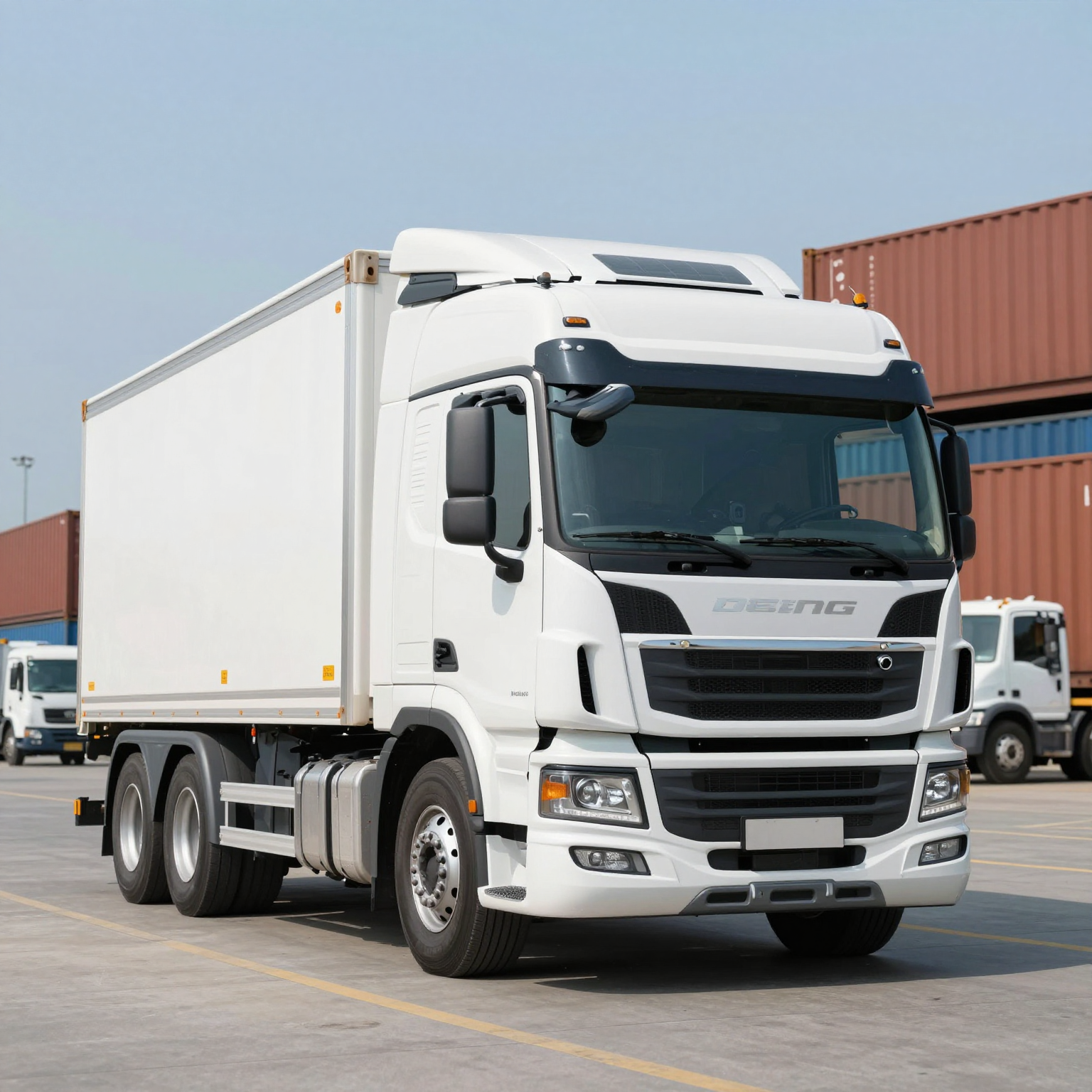
| Box Trucks | Secure, enclosed deliveries (e.g., retail, parcel services) | Varies (commonly medium-duty) | Fully enclosed, weatherproof cargo area; ideal for protecting goods from theft and weather; typically used in urban and suburban delivery routes. |
| Tanker Trucks | Transport of liquids (e.g., fuel, chemicals, milk) | Varies (typically heavy-duty) | Specialized tanks with internal baffles to reduce liquid surge; equipped with pumps and valves for loading/unloading; must meet strict safety and environmental regulations. |
| Dump Trucks | Transport and dumping of loose materials (e.g., sand, gravel, debris) | Varies (typically heavy-duty) | Hydraulic lift system to raise the cargo bed; reinforced frame and body; used primarily in construction and mining sites. |
The Importance of Commercial Truck Driving in the Supply Chain
Commercial truck driving is an integral component of the supply chain and logistics ecosystem, playing a pivotal role in ensuring the smooth and efficient movement of goods nationwide. Trucks are responsible for transporting approximately 72% of all freight in the United States, signifying their dominance in the logistics sector. According to the American Trucking Association, trucks transported 10.23 billion tons of freight in 2020 alone, demonstrating their fundamental role in supporting economic activities.
Connecting Supply Chain Elements
At the core of the supply chain, commercial trucking serves as the vital link between manufacturers, wholesalers, retailers, and consumers. The sector’s ability to adapt to various logistical demands enhances its importance. Here are a few key ways commercial truck driving connects various elements of the supply chain:
- Last-Mile Delivery: Trucking facilitates the last-mile delivery, ensuring that goods reach their final destinations efficiently. This aspect is critical, especially in an era where consumer expectations for quick delivery times are rising.
- Flexibility and Versatility: Trucks can navigate varying terrains and access remote locations, something that larger freight carriers cannot always achieve. This flexibility is essential for industries such as construction, where materials must be delivered to specific job sites.
Supporting Key Sectors
The commercial trucking industry also supports vital sectors, such as construction and food distribution. For instance, over 95% of the freight transported in the construction sector is moved by trucks. This statistic underlines the dependency of key industries on trucking services, highlighting the sector’s role in maintaining the flow of essential goods.
Statistical Insights
Recent data reveals that in 2023, heavy-duty truck sales in China surged by 39%, with total sales expected to approach 95 million units (source). This growth indicates a robust demand for trucks, directly correlated with increasing logistics and supply chain activities. Furthermore, with an estimated workforce of over 1.6 million truck drivers in the United States responsible for executing three-quarters of the country’s freight transportation, the human resource underpinning this industry cannot be overlooked.
As commercial truck drivers continue to navigate and enhance supply chains, their importance rises even further amidst burgeoning e-commerce and changing consumer preferences. Investing in the trucking sector not only supports economic growth but also underscores the foundational role that truck driving plays in ensuring that goods are delivered promptly and efficiently.
For more insights on current trends in the trucking industry, you can learn more about the used truck sales growth and the impact of tariffs on heavy trucks.
Regulations Governing Commercial Truck Driving
The commercial trucking industry is governed by a comprehensive framework of regulations designed to ensure safety, compliance, and environmental sustainability. Truck drivers and fleet managers must navigate these regulations to operate within the law and mitigate risks.
Licensing Requirements
A fundamental regulation for commercial drivers is the need for a valid Commercial Driver’s License (CDL). According to the Federal Motor Carrier Safety Administration (FMCSA), applicants must be at least 21 years old (or 18 for intrastate driving), hold a valid U.S. driver’s license, and pass both written and practical performance examinations. Furthermore, drivers must meet medical certification standards and maintain records of compliant driving practices, such as electronic logging devices (ELDs) for Hours of Service (HOS) compliance.
Safety Standards
Commercial truck drivers are subject to rigorous safety standards outlined in the Federal Motor Carrier Safety Regulations (FMCSRs). These regulations include requirements for vehicle maintenance, cargo securement, and specific operational practices. Regular inspections and maintenance ensure that trucks are safe to operate, helping to reduce accidents and ensure the safety of other road users. Drivers must also demonstrate proficiency in English to comply with inspection protocols that require effective communication with law enforcement.
Environmental Regulations
In recent years, environmental regulations focusing on emissions and fuel efficiency have gained prominence. Fleet managers must be aware of and comply with state and federal regulations aimed at reducing the environmental impact of commercial trucking. Compliance not only contributes to sustainability but can also influence operating costs significantly.
Importance of Compliance
The importance of adhering to these regulations cannot be overstated. Non-compliance can result in substantial fines, increased insurance costs, or even the suspension of a driver’s license. Furthermore, a commitment to compliance fosters a culture of safety and reliability, which is crucial for maintaining a reputable trucking operation. Trucking companies can enhance their operational efficiency and mitigate legal risks by understanding and adhering to these regulations.
Essential Skills for Commercial Truck Drivers
To excel in the commercial trucking industry, drivers must possess a variety of skills that ensure safety, efficiency, and effective communication. Here are the top essential skills for successful commercial truck drivers:
-
Advanced Driving Proficiency
Drivers should have expert driving skills, enabling them to safely navigate large vehicles under diverse weather and road conditions. This includes knowledge of defensive driving techniques. -
Vehicle Maintenance and Troubleshooting
A solid understanding of basic vehicle maintenance is crucial. Drivers need to identify and troubleshoot minor vehicle issues to ensure safety and reliability during long hauls. -
Cargo Handling and Securing
Proper loading and securing of cargo is essential to prevent accidents and damage during transportation. This involves knowledge of weight distribution and loading procedures. -
Route Planning and Navigation
Ability to effectively plan routes using maps and GPS systems to optimize travel time and avoid delays due to traffic or road conditions is vital. -
Regulatory Compliance
Knowledge of federal and state regulations regarding commercial driving (such as Hours of Service rules) is necessary to ensure compliance and avoid penalties. -
Effective Communication Skills
Clear communication with dispatchers, customers, and other drivers is essential for successful deliveries, addressing issues on the road, and ensuring customer satisfaction. -
Problem-Solving Abilities
The ability to quickly address unexpected issues, such as mechanical failures or route changes, is critical for maintaining schedules and safety. -
Time Management
Strong organizational skills and the ability to prioritize tasks efficiently is important for ensuring timely deliveries and managing long hours effectively. -
Physical Stamina
Commercial truck driving can require long hours on the road; thus, physical fitness and stamina are essential for coping with the demands of the job. -
Customer Service Skills
Drivers often serve as the face of their company, so having a customer-oriented attitude along with the ability to address client concerns is crucial.
These skills not only contribute to the safety and efficiency of deliveries but also enhance the overall reputation and reliability of trucking companies. To learn more about current trends and challenges in the industry, check out this analysis on the impact of tariffs on truck sales and insights into used truck sales trends.
Total Word Count: 419
Commercial truck drivers play an essential role in the logistics and transportation industries. However, they often encounter numerous challenges that influence their well-being and job satisfaction. Recent research highlights several prevalent issues impacting this workforce.
Long Hours and Fatigue
Chronic fatigue remains a significant concern, exacerbated by long driving hours and tight delivery schedules. According to a report by the American Psychological Association, many drivers work excessive hours, with over 50% reporting they often drive for more than 10 hours a day. The sedentary lifestyle associated with these roles leads to health issues, including obesity and chronic pain.
Regulatory Pressures
The regulatory environment for truck drivers has become increasingly complex. New regulations, particularly concerning Hours of Service (HOS) and electronic logging devices (ELDs), have introduced additional stress. The American Trucking Associations noted a 12% increase in driver stress levels since stricter compliance measures were implemented. While these regulations aim to enhance safety, they have simultaneously increased administrative workloads and reduced operational flexibility for drivers (FMCSA blog).
Mental Health Challenges
The mental health of truck drivers is a growing concern. Many drivers experience anxiety and depression stemming from isolation, job demands, and inadequate support systems. The American Psychological Association’s report emphasizes the importance of improving mental health resources and work conditions to support this workforce effectively.
Technology Adoption
Technological advancements offer potential benefits for safety and efficiency, yet they also pose challenges. Many drivers express skepticism regarding the reliability of advanced vehicle technologies. A study on Dutch truck drivers highlighted significant apprehension towards these technologies, which were seen as intrusive and unreliable, potentially leading to heightened job dissatisfaction (Frontiers in Public Health).
Safety and Security
Safety concerns are paramount, particularly for those driving internationally. Issues such as vehicle theft and cargo security weigh heavily on drivers. Furthermore, the shortage of qualified truck drivers compounds these challenges, causing longer hours and intensifying job-related stress (European Transport Safety Council).
Conclusion
The landscape of commercial truck driving in 2023 is fraught with challenges ranging from long hours and regulatory pressure to mental health issues and technological adoption. Addressing these challenges requires a systematic overhaul of working conditions, enhanced support systems, and a concerted effort to elevate the profession’s public image. For companies and fleet managers, understanding these issues is crucial in fostering a healthier and more productive workforce.
For more insights into the trucking industry, you can learn about trends in used truck sales or the impact of economic changes on trucking.
The Future of Commercial Truck Driving
As the commercial trucking industry continues to evolve, it faces numerous trends that shape its future. Experts are paying close attention to the integration of new technologies, regulatory changes, and shifting market demands.
“Future trends are being shaped by advancements in vehicle technology, regulatory changes, and evolving logistics demands,” says Rolf Lockwood, a recognized expert in the heavy-duty trucking industry. Lockwood emphasizes the importance of understanding regional regulatory contexts for effective procurement decisions and highlights the growing role of four-axle trucks due to their load stability and compliance with modern highway laws.
Key Trends to Watch:
- Rise of Electric Trucks: The shift towards electric trucks is gaining momentum, with significant increases in sales expected in the coming years. This transition is partly driven by environmental regulations and consumer preferences for sustainable transport options.
- Technological Advancements: Features like autonomous driving algorithms and telematics are becoming standard, enhancing operational efficiency and safety.
- Increasing Regulation: As safety and emissions standards tighten, companies will need to invest in compliant vehicles, thereby influencing purchasing decisions and fleet management strategies.
Commercial truck driving remains a cornerstone of the logistics and supply chain industry, and staying abreast of these changes will be critical for success in the coming years. For further insights into trends affecting the trucking market, explore our analysis on current trends in used truck sales growth.
In conclusion, commercial truck driving plays an indispensable role in shaping not just the logistics sector but the entire economy. As discussed, trucking accounts for an estimated $906 billion in freight revenue and represents 72.7% of total U.S. freight ton-miles, underlining its importance in the supply chain. Moreover, with 3.55 million professional drivers employed, the industry is vital for providing jobs and supporting related sectors. This immense employment figure illustrates how deeply integrated trucking is in both urban and rural economies, with its contributions comprising roughly 2.5% of the U.S. GDP.
It’s clear that as businesses rely on efficient freight transport, the trucking industry remains a backbone for economic health and growth. The resilience shown by the sector in adapting to economic challenges also emphasizes its critical nature. Trucking entities looking to enhance their operations and make impactful decisions can find resources and support at Summit Fairings where efficiency meets innovation.
Overall, the significance of commercial truck driving cannot be overstated, serving as a strong engine for both local and national economies.
Fuel Efficiency Comparisons of Commercial Truck Models
The rapid advancements in technology have significantly influenced the fuel efficiency of commercial trucks. Below is a bar chart that showcases the fuel consumption (in liters per 100 km) for various popular truck models in 2023:

Key Insights from the Chart:
- 解放J6L精英版载货: This model demonstrates the best fuel economy with a consumption of 15.4 L/100 km.
- 福田汽车欧曼银河 and other versions of the 欧曼 series report a fuel consumption of 30.0 L/100 km, reflecting the performance of modern gas-powered heavy trucks.
- The 2023款沃尔沃重型卡车 and 曼恩燃油卡车 also align at 30.0 L/100 km, showcasing consistent efficiency across major brands.
These efficiencies are a direct result of technology enhancements in engine design, aerodynamics, and smart transmission systems, marking an important trend for fleet owners aiming to reduce operational costs.