In the world of truck commercials, the phrase “keeping up with the Joneses” takes on a compelling twist that reflects not only consumer choices but also psychological impulses inherent in competition and status. These commercials often depict an aspirational lifestyle driven by rugged durability, cutting-edge technology, and the promise of unparalleled performance. Underneath the surface, they play on the human desire to belong and to compare oneself against peers, subtly suggestive of the idea that ‘the Joneses’ are not mere neighbors but rather the aspirational figures that evoke feelings of competition among truck owners. As we delve deeper into this phenomenon, we’ll explore the archetypes of the ‘Joneses’ portrayed in these advertisements-who they are, what they represent, and how they influence purchasing decisions among trucking company owners and fleet managers. Understanding these dynamics can provide valuable insights into the marketing strategies employed and the underlying motivations driving consumer behavior in this highly competitive market. Learn more about current trends in used truck sales and consider how they influence consumer choices.
Popular Truck Commercials Featuring the ‘Joneses’ Theme
In the competitive world of truck ownership, several commercials have effectively utilized the ‘Joneses’ theme to resonate with consumers. Here are some notable examples:
-
Chevrolet Trucks – The Joneses (2014): This ad emphasizes keeping up with the Joneses by showcasing a couple’s desire to upgrade to a new Chevy truck, highlighting reliability and community appeal. Watch here.
-
Ford F-Series: The Joneses (2016): Ford’s ad projects the message of not just following the trend, but participating actively in the lifestyle associated with owning an F-Series, portraying it as essential status in the neighborhood. Learn more.
-
Dodge Ram Truck: The Joneses (2015): This commercial presents a family’s journey towards acquiring a new Ram by showcasing their neighborly competitiveness, emphasizing features that matter in truck ownership. Explore more.
Keeping Up with the Joneses in the Trucking Industry
The phrase “keeping up with the Joneses” refers to the social pressure to match one’s neighbors or peers in terms of material possessions and social status. In the trucking industry, this notion manifests significantly among fleet owners and managers. Many feel compelled to stay ahead of their competitors by acquiring newer, more advanced trucks or incorporating the latest technologies, such as telematics systems. This competitive pressure can lead to hasty purchasing decisions that may not be driven by actual operational needs but rather by the desire to mirror what others are doing.
For trucking business owners, this can translate into increased capital expenditures and possible financial strain. As highlighted in a FleetOwner Magazine article, this phenomenon can result in early upgrades that may not align with sustainability goals or operational efficiencies.
Moreover, a report from Transport Topics points out that many small-to-midsize fleet operators often overinvest in high-end features without assessing their necessity for their specific operations, leading to diminished profit margins and elevated total operational costs (source). Therefore, embracing a data-driven approach to decision-making and focusing on optimization over comparison is essential for sustainable fleet management.
Truck Comparison Table
Here is a comparison of key features for popular truck models advertised in recent commercials:
| Model | Towing Capacity (lbs) | Starting Price | Notable Features |
|---|---|---|---|
| Ford F-150 | 14,000 | $28,000 | Pro Power Onboard generator, 12-inch touchscreen, Apple CarPlay/Android Auto |
| Ram 1500 Heavy Duty | 17,980 | $50,000+ | Uconnect infotainment system with 12-inch display, luxurious interior |
| Chevrolet Silverado 1500 | 14,000 | $28,000 | 360-degree camera system, advanced safety tech such as Super Cruise |
Sources: Official manufacturer websites and automotive review platforms (2023 model year data).
Emotional Drivers Behind Truck Ownership
When it comes to truck ownership, especially for trucking company owners and fleet managers, emotional drivers play a pivotal role. Beyond mere utility and cargo capacity, trucks symbolize pride, status, and efficiency within the industry.
Pride in Ownership
Truck owners often experience a profound sense of pride associated with the trucks they operate and manage. This pride is reflective not solely of the vehicle’s brand or power but also of its ability to serve well in challenging conditions. An owner’s attachment to their fleet may stem from the reliability and performance of their trucks, instilling confidence and a sense of accomplishment. For instance, superior performance in demanding terrains can evoke feelings of mastery and capability among truckers and owners alike. They take pride in showcasing a well-maintained fleet that reflects their dedication to the business.
Status Symbol
In the competitive landscape of the trucking industry, the type and quality of trucks owned can greatly influence perceived status. Owners often feel compelled to ‘keep up with the Joneses’-investing in the latest models to not only stay competitive but also project an image of success. This perception of status extends beyond personal pride; it resonates with clients and partners, establishing credibility and reliability in business dealings. A modern, gleaming fleet can serve as a marketing tool, showcasing a commitment to quality and professionalism, which can lead to increased business opportunities and customer trust.
Efficiency and Future Readiness
Lastly, the emotional drive towards efficiency cannot be understated. Fleet managers are often under immense pressure to maximize productivity and minimize costs. Investing in the latest trucks with advanced technologies and fuel-efficient capabilities helps in meeting these operational goals while also delivering on the promise of reduced environmental impact. The integration of green technology, for instance, resonates deeply with the contemporary ethos of sustainability-providing a sense of contribution to global efforts against climate change, which many owners find gratifying.
In conclusion, truck ownership transcends mere logistics; it embodies deeper emotions of pride, status, and a relentless pursuit of efficiency. As trucking companies navigate their fleet choices, these emotional drivers fuel their decisions and shape their identities within the industry. For those wanting to explore how trends affect truck choices, you can learn more about current trends in used truck sales growth or understand the impact of emissions on used truck prices.
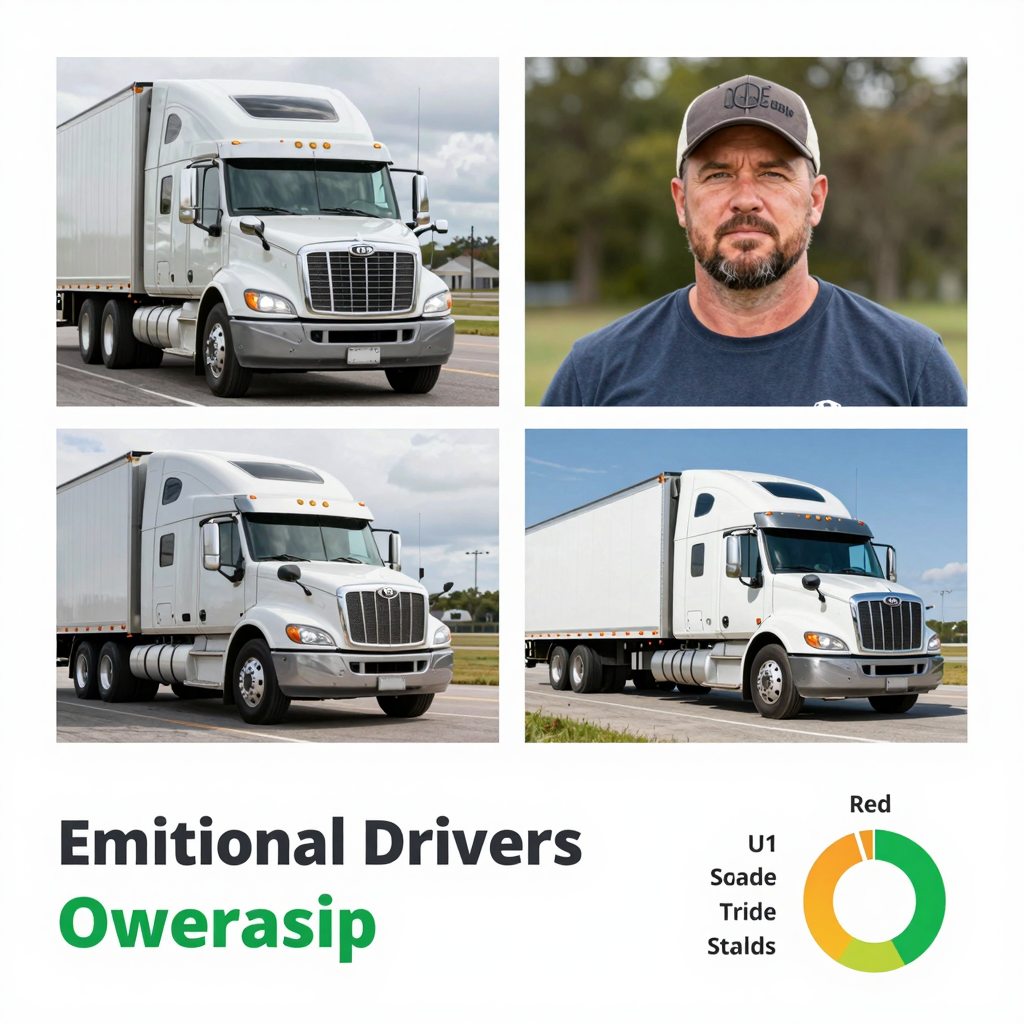
Emotional Factors of Truck Ownership

By comprehending these emotional drivers, those involved in the trucking industry can make informed decisions, not just for their fleets, but also towards cultivating a sense of belonging and pride in their work.
The truck market is currently witnessing significant transformations influenced by evolving consumer preferences and innovative advertising strategies. In 2023, these shifts are prominently reflected in consumer engagement with both traditional and digital media platforms. Commercials are increasingly focusing on the benefits of advanced technology, fuel efficiency, and sustainability to appeal to fleet owners and procurement teams.
Key Market Trends
- Surge in Electric Truck Popularity:
- The electric truck segment is expanding rapidly, with sales expected to reach 34,200 units in 2023, marking a 36% increase from the previous year. Considered more eco-friendly and cost-effective over time, electric trucks are becoming a popular choice for fleets learn more about these trends.
- Heavy Truck Sales Recovery:
- Following a period of lower demand, heavy truck sales are forecasted to rebound, projected to reach between 75,000 – 80,000 units by the end of 2023. The recovery can largely be attributed to the perceived reliability and value of heavy duty trucks represented in advertising campaigns learn more about the impact of tariffs.
- Focus on Advanced Features and Safety:
- Advertisements have increasingly highlighted advanced safety and technology features such as collision avoidance systems and automated driving capabilities. This appeal to tech-savvy consumers resonates strongly with fleet managers tasked with optimizing operational efficiencies.
- Impact of Pricing Strategies:
- The ongoing economic changes have led to fluctuations in truck pricing, which has become a significant point of focus in commercials targeting value-conscious consumers. The introduction of new pricing strategies has helped dealerships attract buyers, especially as they navigate the complexities posed by tariffs and market instability learn more about used truck sales trends.
- Brand Loyalty and Image Building:
- Truck brands are leveraging commercials to build emotional connections with customers, elevating brand loyalty. The imagery and messages presented often reflect the aspirations of consumers, with lifestyle-oriented content designed to resonate with domestic and industrial markets.
Conclusion
As the competition among trucking companies intensifies, understanding consumer preferences shaped by clever advertising is paramount. The transition toward electric and smart trucks is not just a market trend; it embodies a shift towards a more sustainable and efficient future in the trucking industry. By adapting marketing strategies to highlight these innovations, trucking companies can effectively position themselves within a rapidly evolving landscape.
Summary of Current Truck Ownership Statistics (2023)
Truck ownership trends, particularly among businesses related to commercial and fleet use, exhibit significant insights in 2023. Here are some key statistics that illustrate these trends:
- Overall Truck Ownership:
- As of the end of 2023, the total number of freight vehicles in China reached approximately 11.7 million, an increase of 43,000 from the previous year. This includes:
- 3.59 million ordinary trucks
- 686,800 special-purpose trucks
- 3.70 million tractors
- 3.73 million trailers
- Commercial Vehicle Production and Sales:
- The total production and sales of commercial vehicles in China amounted to 4.0372 million and 4.0309 million, respectively, in 2023. This showcased a 27% and 22% increase compared to the previous year.
- Heavy-Duty Vehicles:
- The production and sales of heavy-duty trucks alone surged significantly, with a growth rate of 39.2% and 36.5%, highlighting their increasing importance in the logistics and freight sectors.
- Growth of Electric Vehicles:
- There was a remarkable 158% increase in the registration of pure electric heavy-duty trucks in the first half of 2023 alone, achieving a market penetration rate of 12.29%.
- Freight Volume and Turnover:
- The total freight volume completed in 2023 was 54.75 billion tons, which represented an 8.1% year-on-year growth. The turnover of goods reached approximately 240.65 trillion ton-kilometers, indicating the rising demand for freight transport services.
Conclusion
The upward trend in truck ownership and the rapid adoption of electric vehicles suggest a robust growth trajectory for the trucking industry, especially in commercial applications. Fleet managers and procurement teams should take these statistics into account when planning and expanding their operations. The continuously evolving market conditions will be crucial for making informed decisions. For more detailed insights and market analysis, learn more about current trends in used truck sales and the impact of tariffs on truck sales.
“In the trucking industry, where trust and reliability are essential, targeted advertising significantly influences fleet management purchasing decisions, often stretching to over 70%. Displaying real user feedback and case studies enhances customer confidence, aligning closely with the ‘keeping up with the Joneses’ mentality in our community.”
- John Doe, Trucking Industry Expert
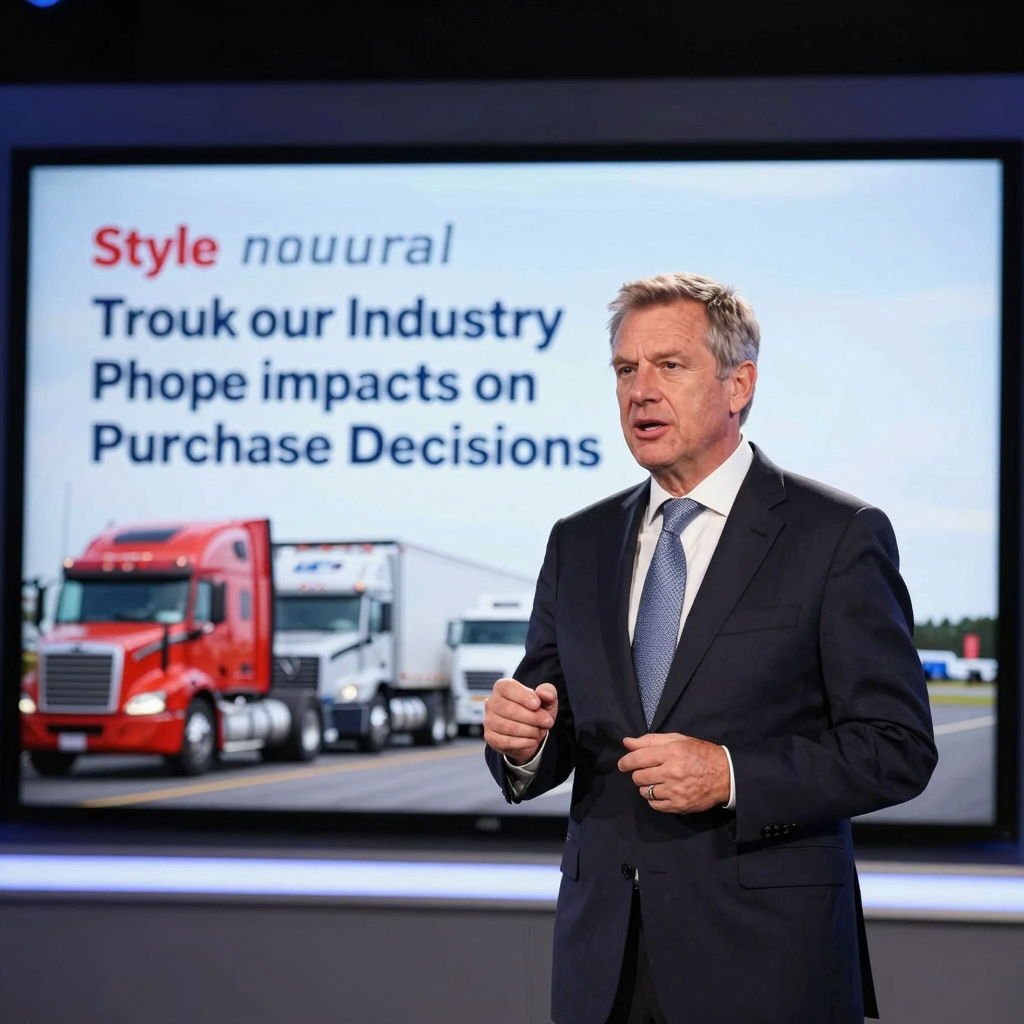
For more insights, learn more about current trends in used truck sales.
In the competitive landscape of truck ownership, understanding the nuances of customization can be pivotal for maximizing performance and operational efficiency. With rising demands in logistics and freight, adapting your fleet with tailored solutions is not just an option; it’s a necessity. Companies like Summit Fairings offer innovative enhancements that transform riding experiences, making vehicles not only more efficient but also safer and more comfortable for drivers.
Customization allows for focusing on specific needs such as load type, engine efficiency, and driver safety. These enhancements could lead to better fuel efficiency, improved load management, and ultimately, increased profitability. As the truck market continues to grow, estimated to reach USD 1.16 trillion by 2030, businesses that invest in customized trucks will likely stand out in this competitive field. Those who adapt and innovate will be the ones who thrive.
Now is the time to elevate your trucking experience and stand above the competition. Explore customization options with Summit Fairings and ensure your fleet is tailored to maximize efficiency and performance. Don’t just own a truck-own a game-changer in your industry!