The Importance of Motorcycle Fairings: A Deep Dive into Aesthetics and Performance
Motorcycle fairings are more than just stylish outer shells; they play a vital role in enhancing both the aesthetics and functionality of motorcycles. These protective panels are strategically designed to improve aerodynamics, enabling better speed and fuel efficiency while minimizing rider fatigue by reducing wind resistance. As riders push their machines to new limits, fairings become crucial in maintaining comfort and stability on the road. Furthermore, fairings can significantly influence the visual appeal of a motorcycle, allowing for personalization that can set a bike apart in a crowded landscape.
Among the different materials available for fairings, metal options stand out due to their unique benefits. While plastic fairings are prevalent, metal fairings offer superior durability and a distinctive, rugged appeal that many riders appreciate. The robust nature of metal means that these fairings are less likely to crack or shatter upon impact compared to their plastic counterparts, making them an excellent investment for serious motorcycle enthusiasts. In addition, metal fairings provide enhanced weather resistance-keeping internal components protected from rain and other environmental factors. They also contribute to a motorcycle’s weight distribution, potentially leading to better handling characteristics.
As we explore the intricate world of metal fairings for motorcycles, business owners in the motorcycle industry can leverage this knowledge to better serve their customers. Learn more about specific types of fairings for various models to understand the market demand and have a competitive edge in this evolving sector.
Types of Metals Used for Motorcycle Fairings
When it comes to motorcycle fairings, the choice of metal is crucial for balancing performance, durability, and aesthetics. Here, we explore the two primary metals used in manufacturing motorcycle fairings: aluminum and steel.
Aluminum
Advantages:
- Lightweight: Aluminum is significantly lighter than steel, contributing to an overall reduction in the motorcycle’s weight. This is crucial for improved acceleration and handling.
- Strength: Despite being lightweight, aluminum offers a high strength-to-weight ratio, which makes it suitable for the demanding conditions of motorcycle riding.
- Corrosion Resistance: Aluminum naturally forms a protective oxide layer, making it resistant to rusting and weathering, thus prolonging the lifespan of the fairings.
- Aesthetic Appeal: Aluminum fairings can be easily anodized or painted to enhance their appearance, making them a popular choice for custom builds.
Disadvantages:
- Cost: Aluminum fairings tend to be pricier than their steel counterparts and may require a larger investment upfront.
- Susceptibility to Dents: While strong, aluminum can be more prone to dings and dents compared to steel under certain impacts. Maintenance may require more effort, as they can show scratches more prominently.
Source: Summit Fairings
Steel
Advantages:
- Durability: Steel is known for its robustness and resilience under stress, making it an excellent option for riders who prioritize ruggedness.
- Cost-Effective: Generally, steel fairings are less expensive to produce than aluminum, making them an attractive option for budget-conscious riders.
- Customizability: Steel can be easily molded and welded, allowing for extensive customization options.
Disadvantages:
- Weight: The primary drawback of steel is its weight. Heavier fairings can affect the overall performance of a motorcycle, especially in terms of handling and fuel efficiency.
- Corrosion: Steel is prone to rusting if not properly coated or maintained. Riders in wet or salty environments must be diligent about upkeep to prevent deterioration.
Source: Wikipedia
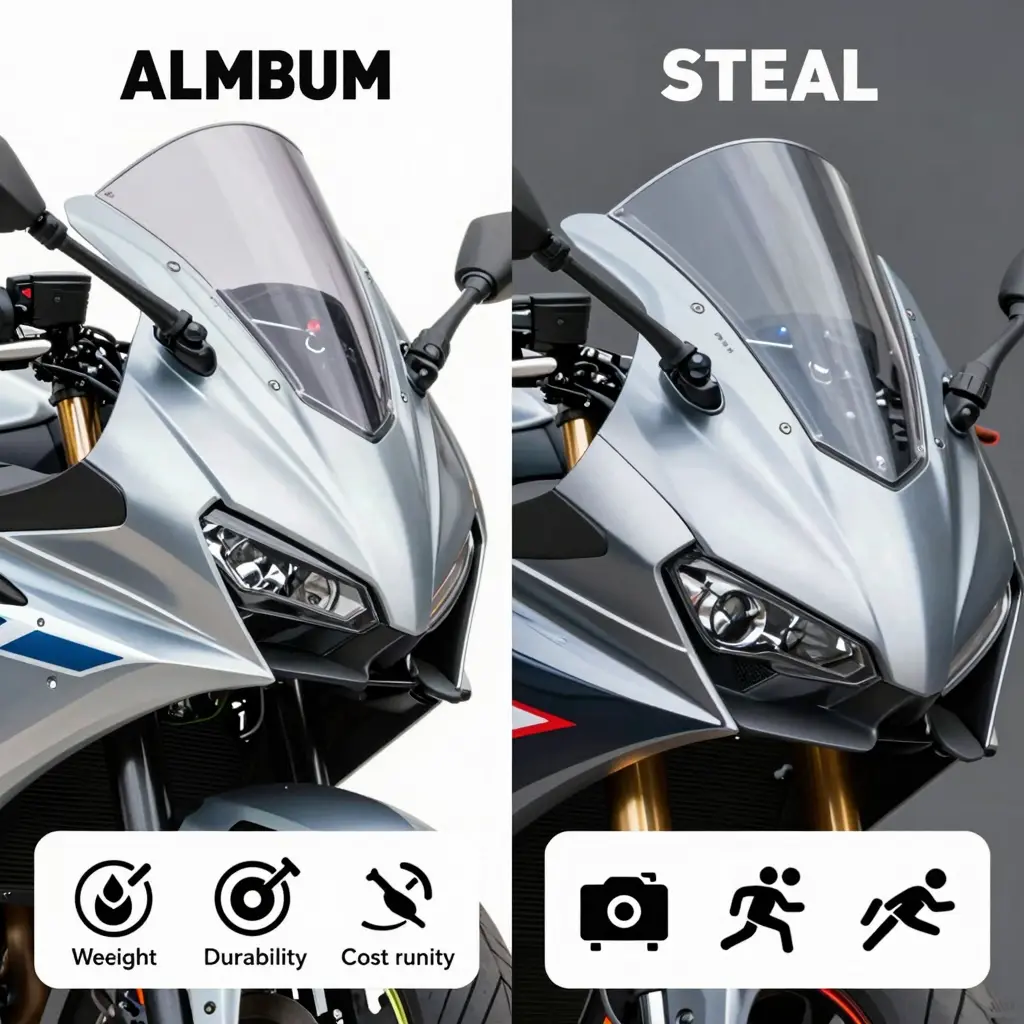
Visual Comparison
The image below visually represents the advantages and disadvantages of aluminum and steel motorcycle fairings, allowing business owners to make informed decisions when selecting materials for their projects.
In conclusion, the choice between aluminum and steel for motorcycle fairings ultimately comes down to priorities related to performance, budget, and aesthetics. Both materials offer unique advantages and drawbacks, catering to different types of riders and their needs.
Essential Tools for Fabricating Metal Motorcycle Fairings
When venturing into the fabrication of metal motorcycle fairings, it’s crucial to have the right tools at your disposal to ensure quality and efficiency. Below is an ordered list of essential tools needed for this process, along with a brief explanation of each tool’s purpose:
-
Sheet Metal Brake
A sheet metal brake is a vital tool for bending and shaping metal sheets with precision. It allows fabricators to create angles and folds necessary for contours of fairings. -
TIG Welder
A TIG (Tungsten Inert Gas) welder is essential for joining metal parts. It provides clean and strong welds, which is particularly important for aesthetic finishes and durability in motorcycle applications. -
Plasma Cutter
A plasma cutter is used for cutting metal sheets quickly and accurately. This tool is particularly useful for intricate designs that may be required in custom fairings. -
English Wheel
This tool is used for shaping and smoothing metal, allowing fabricators to create complex curves and contours needed in motorcycle fairings, improving aerodynamics and appearance. -
Metal Shears
Metal shears are necessary for cutting metal sheets to size before further processing. They are useful for making straight cuts quickly and effectively. -
Drill Press
A drill press is used for making precise holes in metal, which is essential for fastening components together, mounting points, and other necessary fittings. -
Dremel Tool
A Dremel tool offers versatility for detailed work, including engraving, cutting, and sanding, making it essential for finishing touches on fairings. -
Safety Equipment
Personal protective gear such as gloves, goggles, and respirators is crucial to ensure safety while working with metals and potentially harmful tools.
Having these tools in your workshop not only streamlines the manufacturing process but also ensures that the metal fairings produced meet the high standards expected in the motorcycle industry. For more insights on the manufacturing of motorcycle fairings, check out this guide from Ultimate MotorX and learn how to effectively customize your motorcycle components for brands like Ducati fairings.
By equipping your workshop with these tools, you can enhance your capability to fabricate high-quality motorcycle fairings that appeal to both performance and design enthusiasts.
Comprehensive Guide to Fabricating Metal Fairings for Motorcycles
Creating custom metal fairings for motorcycles is a complex yet rewarding process that involves various fabrication techniques. This guide provides a step-by-step approach covering cutting, bending, and shaping techniques, suitable for business owners looking to enhance their motorcycle customization offerings.
Understanding Metal Fairings
What are Metal Fairings?
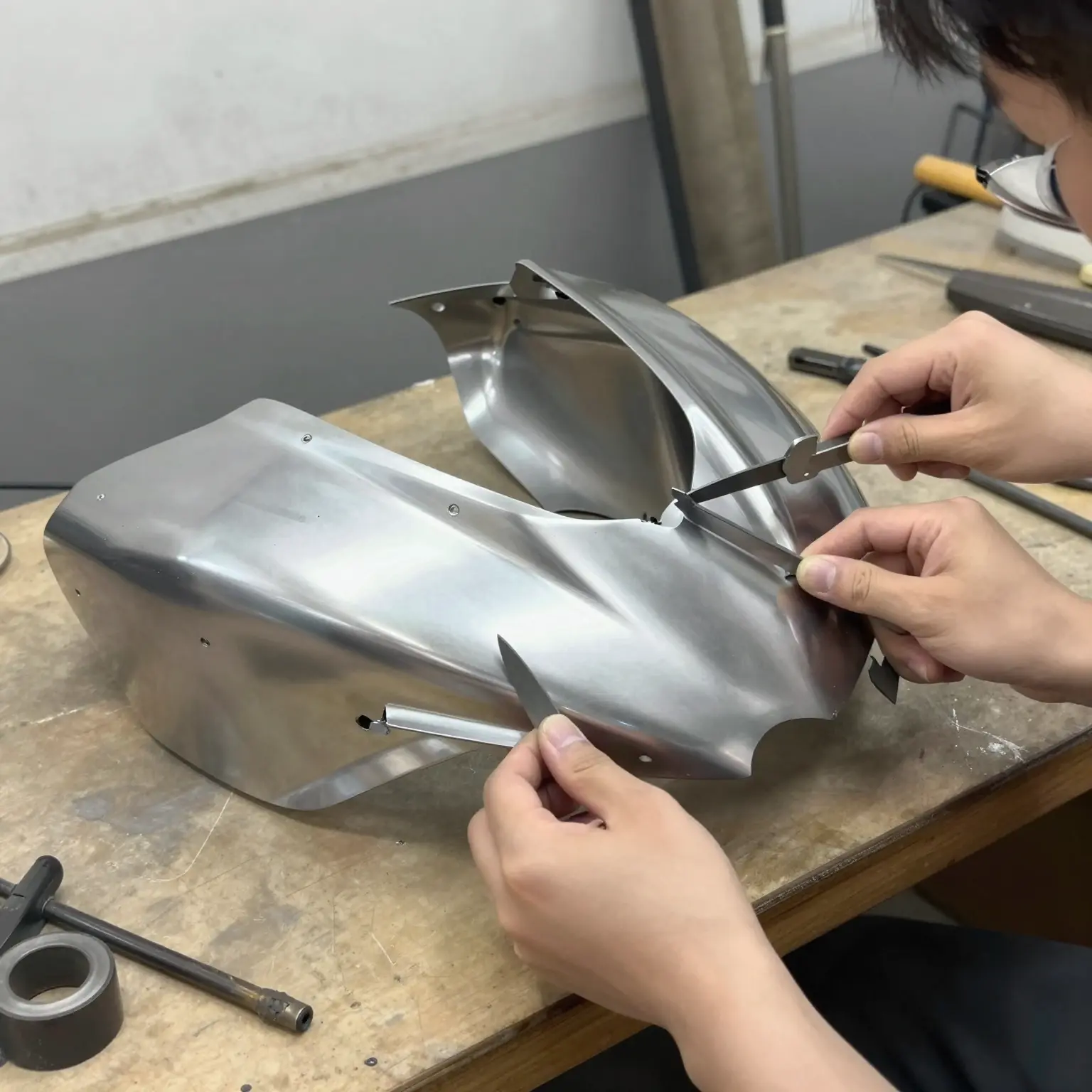
Metal fairings are streamlined panels on motorcycles, designed to improve aerodynamics and aesthetics. They are typically made from materials like aluminum or stainless steel, which offer durability and weight savings.
Step 1: Planning the Design
- Sketch the Design: Draw your fairing design on paper or use CAD software for precision. It’s essential to consider the motorcycle model and the specific requirements of the fairing.
- Select Materials: Choose suitable metal types based on weight, strength, and corrosion resistance.
For more design inspirations, check out our BMW Fairings.
Step 2: Cutting the Metal
- Tools Required: Use a metal cutting saw, plasma cutter, or shears depending on the thickness of the metal.
- Techniques:
- Direct Cutting: For simple shapes, measuring and cutting directly to specifications can be effective.
- Template Method: Create a template of your design using cardboard or plastic. Transfer the outline onto the metal sheet for accurate cutting.
Step 3: Bending the Metal
- Preparation: Ensure that the metal is clean and free from rust or coatings.
- Tools Needed: A bending brake or hammer and anvil can be used for shaping.
- Bending Process:
- For gentle curves, use a bending brake to avoid sharp edges.
- For more complex shapes, heating the metal may be necessary to avoid cracking.
Consider utilizing the bending techniques observed in Metal Shaping Techniques for Custom Ducati Motorcycle Fairing.
Step 4: Shaping the Fairing
- Techniques:
- English Wheel: Ideal for creating smooth, gently curved surfaces. This method is perfect for aesthetic panels.
- Hammer Forming: This involves using a hammer and anvil to create more aggressive curves and shapes.
- Hand Shaping: Flexible and allows for unique designs. Requires significant skill to achieve desired results.
A comparison of metalworking techniques is illustrated below:
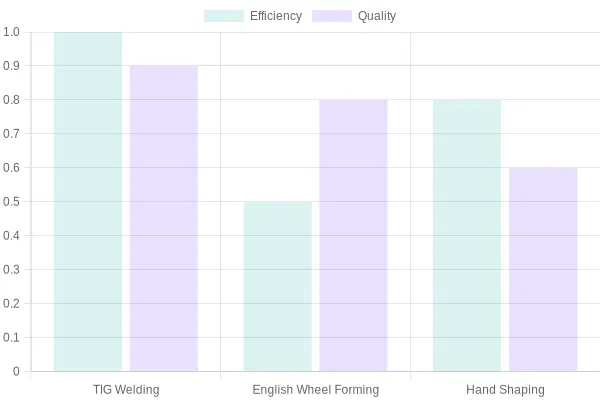
Table: Comparison of Metalworking Techniques
| Technique | Efficiency | Quality | Source |
|---|---|---|---|
| TIG Welding | High cost but offers clean welds with strong joints | Ideal for thin materials like stainless steel, aluminum, and titanium | Edgewater Manufacturing |
| English Wheel Forming | Moderate efficiency; allows for detailed shapes | Produces aesthetically pleasing curves, utilized in custom motorcycle parts | English Wheel Techniques |
| Hand Shaping | Flexible but labor-intensive | Varied quality depending on skill level, can achieve unique designs | Metal Shaping Guide |
Step 5: Final Assembly and Finishing
- Assembly: Secure all panels and fairings following the design layout. Use screws, rivets, or welding techniques for assembly depending on the final look desired.
- Finishing Touches: Sanding down edges, polishing surfaces, and applying a protective coating against corrosion can significantly enhance the lifespan of the fairings.
Conclusion
Fabricating metal fairings for motorcycles involves critical steps from design to finishing. By understanding and utilizing proper techniques for cutting, bending, and shaping, business owners can produce high-quality fairings that stand out.
For custom fairings for brands like Honda, Ducati, and others, consider exploring our range at Ultimate MotorX.
With the right tools and techniques, you can achieve impressive results that not only meet but exceed the expectations of motorcycle enthusiasts.
Comparison of Metal Fairing Options for Motorcycles
When considering motorcycle fairings, different materials offer a range of benefits and drawbacks. The table below compares popular materials used for motorcycle fairings, focusing on their weight, cost, durability, and ease of installation.
| Material | Weight (kg/m²) | Cost (USD) | Durability (Years) | Ease of Installation |
|---|---|---|---|---|
| Aluminum | 2.5 – 3.0 | 15 – 25 | 10 – 20 | Moderate; requires tools |
| Steel | 4.0 – 5.0 | 5 – 15 | 15 – 30 | Moderate; heavy and sturdy |
| Fiberglass | 1.5 – 2.0 | 10 – 20 | 5 – 15 | Easy; requires resin curing |
| Carbon Fiber | 1.0 – 1.5 | 100 – 300 | 10 – 20 | Difficult; needs careful handling |
Insights from Different Materials
- Aluminum: Lightweight and provides good durability; installation can be slightly challenging due to the need for specific tools.
- Steel: Heavier yet very durable, making it an ideal choice for those prioritizing longevity.
- Fiberglass: Offers an easy installation process; it is cost-effective and widely used due to its balance between performance and price.
- Carbon Fiber: While expensive, it provides significant weight savings and aesthetic appeal but requires careful handling during installation.
For more detailed information and products, check out our Ducati fairings or Yamaha fairings.
Visual Representation of Cost Comparison
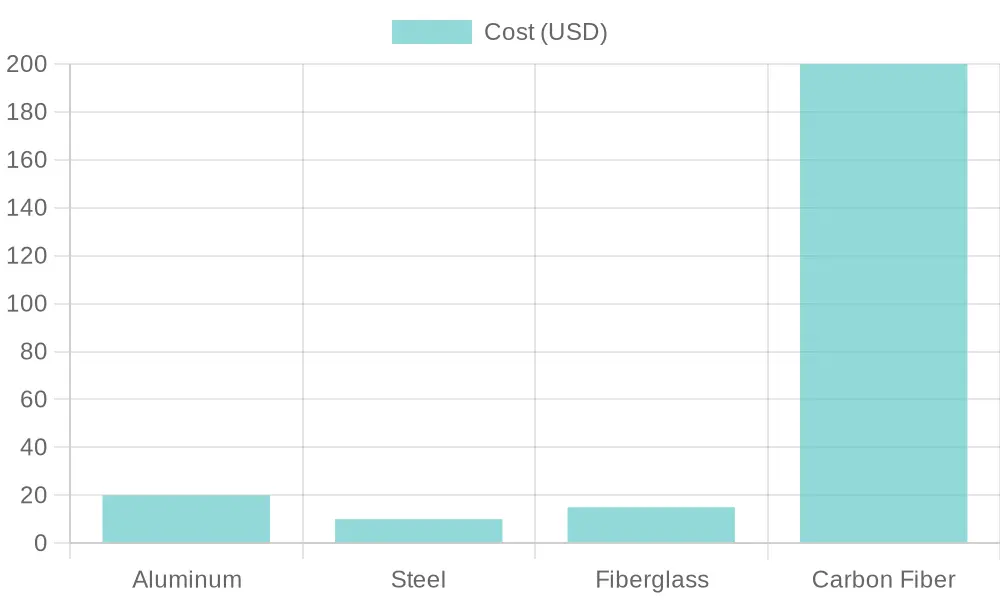
This chart visually compares the average costs of various materials used for motorcycle fairings, highlighting significant differences that can inform purchasing decisions.
Safety Measures and Tips During Metal Fabrication
When working with metal fabrication, especially in creating motorcycle fairings, safety cannot be overlooked. The process involves heavy machinery and sharp tools that can pose serious hazards. Business owners should prioritize safety to protect employees and ensure efficient operations. Here are essential safety measures and best practices to follow:
1. Wear Appropriate Personal Protective Equipment (PPE)
- Ensure that all workers wear safety goggles or glasses to protect their eyes from flying debris and sparks.
- Protective gloves should be used to shield hands from sharp edges and burns.
- Steel-toed boots can prevent foot injuries from heavy materials and equipment.
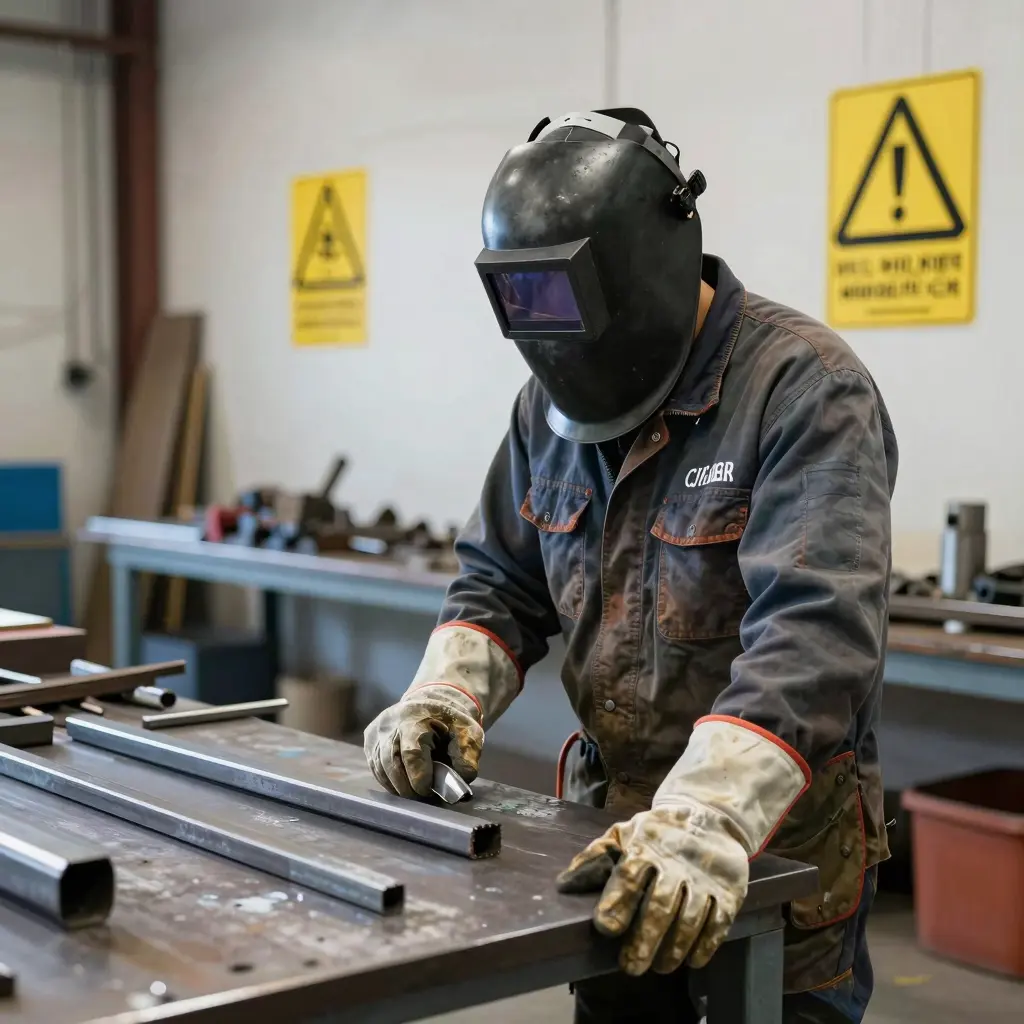
- A welding helmet is crucial for those engaged in welding activities to prevent eye damage and skin burns.
2. Maintain a Clean and Organized Workspace
- Keeping the fabrication area clean minimizes slip and trip hazards. Ensure that all tools are returned to their designated places after use.
- Use proper storage solutions for materials to avoid clutter.
3. Implement Regular Equipment Maintenance
- Regular inspections and maintenance of machinery help prevent malfunctions that can lead to accidents. Faulty equipment should be promptly repaired or replaced.
4. Train Employees on Safety Protocols
- All employees should undergo safety training aligned with OSHA standards to ensure they are aware of the dangers associated with metal fabrication and how to mitigate risks.
- Regular refresher courses can help maintain safety awareness among the workforce.
5. Establish Emergency Procedures
- Make sure that all workers know what to do in case of an emergency, including knowledge of first aid procedures and how to operate fire extinguishers.
- Clearly mark emergency exits and ensure they are unobstructed.
6. Use Proper Tools for the Job
- Equip workers with tools that are suitable for their tasks. Misusing tools can lead not only to injuries but also to damaged materials.
Conclusion
By adhering to these safety measures in metal fabrication, business owners can create a workplace that not only meets regulatory standards but also fosters a culture of safety among employees. Investing in safety is paramount for long-term success in the manufacturing sector, particularly in delicate processes such as creating motorcycle fairings.
For more information about motorcycle fairings, you can check out our BMW Fairings or Honda Fairings.
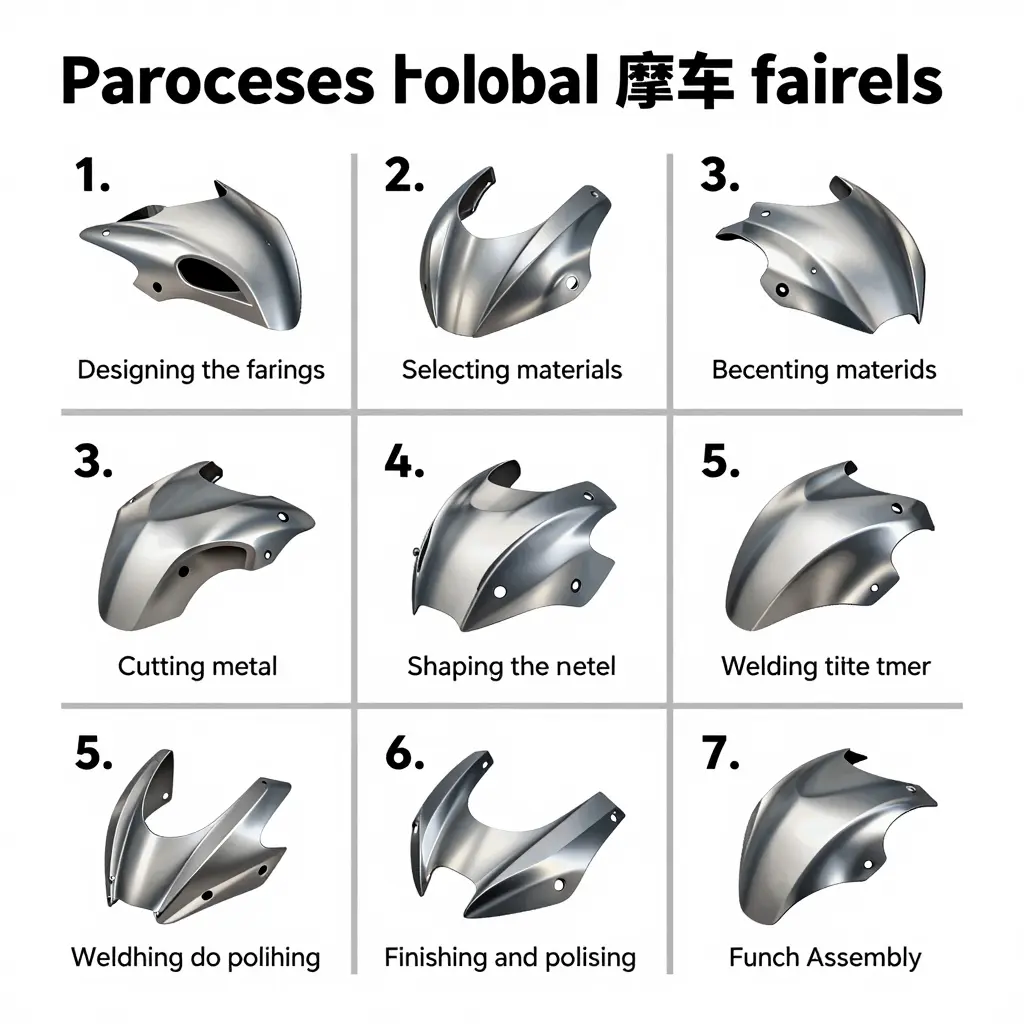
This image provides an overview of the fabrication process involved in making metal motorcycle fairings, detailing each crucial step from design to final assembly.
Installation of Metal Fairings for Motorcycles
Installing metal fairings on motorcycles can significantly enhance both aesthetics and aerodynamics. Here’s a comprehensive guide to ensure a successful installation while avoiding common pitfalls.
Preparation Before Installation
- Workspace: Ensure you have a clean, well-lit area to work in. This helps in avoiding misplacing parts and facilitates a more efficient installation process.
- Gather Tools: Before starting, gather all necessary tools. You will typically need:
- Screwdrivers (Phillips and flat-head)
- Wrenches and sockets
- Torque wrench
- Pliers
- Drill (if needed)
- Safety goggles and gloves
Installation Steps
1. Remove Old Fairings (if applicable)
- Start by safely removing any existing fairings. Keep track of all screws and clips, as you may need them for reinstallation.
2. Align New Fairings
- Position the new metal fairings carefully and ensure they fit snugly against the motorcycle frame. Use masking tape to temporarily hold them in place while checking the alignment.
3. Secure Fasteners
- Begin securing the fairings using bolts or screws, starting from the front and moving towards the rear. This ensures that the weight is evenly distributed. Use the torque wrench to tighten bolts to the manufacturer’s specs, which helps prevent damage to the fairing or motorcycle frame.
4. Connect Components
- If your fairings involve any electrical connections (e.g., lights), secure them properly. Avoid using quick-splice connectors, as they can lead to corrosion or failures over time. Instead, opt for soldering or quality connectors that provide a robust connection.
5. Final Checks
- Once everything is secured, take a step back and visually inspect the fit. There should be no gaps between the bike and fairing. If the fit isn’t perfect, adjust accordingly.
Tips for a Snug Fit
- Trial Fit: Before the final installation, trial fit the fairings. This allows you to make adjustments before securing everything.
- Use Padding: To prevent scratches or damage on painted surfaces, consider using padding between the fairings and the motorcycle frame.
- Double-Check Fasteners: Ensure all fasteners are properly tightened after installation. Regularly check them as part of routine maintenance to avoid loss during rides.
By following these guidelines, you can ensure a snug fit of metal fairings and enhance the overall performance of your motorcycle. For high-quality BMW fairings or Ducati fairings, visit our product categories and find the perfect fit for your bike!
Advantages of Metal Fairings Over Plastic
When it comes to motorcycle fairings, the choice between metal and plastic can have significant implications for durability, repairability, and aesthetics. For business owners looking to optimize motorcycle performance and appearance, understanding the advantages of metal fairings is essential. Here’s a comprehensive overview:
1. Durability
Metal fairings are generally much more durable than their plastic counterparts. Here are a few reasons why:
- Resistance to Damage: Metal fairings provide a more robust outer layer, offering enhanced protection against environmental factors such as debris, stones, and water. This makes them particularly advantageous for riders facing rough terrains or adverse conditions (learn more about protection).
- Less Prone to Cracking: Unlike plastic, which can crack under impact, metal is less vulnerable to damage. This durability translates to greater longevity and reduced frequency of replacements.
2. Repairability
When it comes to repairability, metal fairings also hold an edge:
- Easier to Repair: Damaged metal fairings can often be repaired rather than replaced. Techniques such as welding or panel-beating can effectively restore the fairing, saving costs and maintenance time compared to plastic parts, which often require complete replacement (check out this comprehensive guide).
- Lower Maintenance Costs: Since they are less likely to suffer from splitting or breaking, metal fairings tend to incur lower long-term maintenance costs due to their durability and ease of repair.
3. Aesthetics
Besides performance and function, aesthetics play a crucial role in motorcycle design and customer satisfaction:
- Premium Look: Metal fairings often provide a sleek, high-quality appearance that appeals to riders who value aesthetics. They can be painted, polished, or finished in a way that enhances the overall motorcycle design.
- Customizability: Metal fairings can be easily customized in terms of color and style, appealing to various customer preferences while maintaining a rugged and professional look.
Conclusion
In summary, for business owners in the motorcycle industry, investing in metal fairings presents a compelling case. Their superior durability, ease of repair, and aesthetic appeal make them a reliable choice for enhancing motorcycle performance and customer satisfaction. With lower long-term costs resulting from reduced maintenance and increased longevity, metal fairings are a smart investment for any motorcycle enthusiast or business owner.
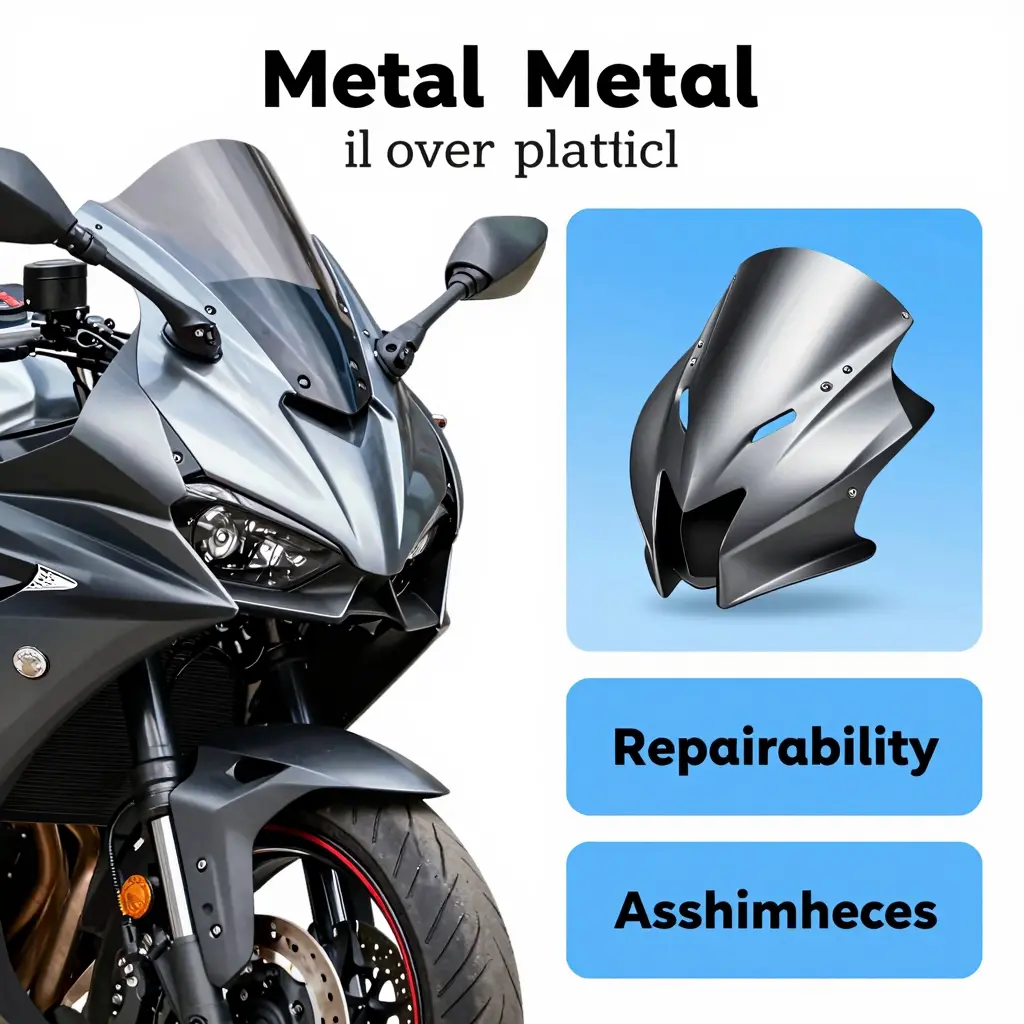
This image illustrates the critical advantages associated with metal motorcycle fairings compared to plastic alternatives, focusing on their durability, repairability, and aesthetic benefits.
For more insights on motorcycle fairings, check out our Ducati fairings and BMW fairings product categories.
“I recently purchased metal fairings from UltimateMotorX and I couldn’t be happier! The quality is top-notch, and the performance transformation on my bike is undeniable. I highly recommend these fairings to anyone looking for durability and style!”
- Satisfied Customer
For more information on our wide range of motorcycle fairings, check out our Ducati fairings and BMW fairings to elevate your ride!