Understanding lane regulations for commercial trucks in Maryland is critical due to the state’s unique traffic conditions and substantial truck traffic volume. In a recent analysis, Maryland reported over 141,000 truck-related crashes yearly, showcasing the significant risks and liabilities involved in commercial transportation. As a trucking company owner or fleet manager, acknowledging the stringent regulations surrounding left lane usage not only ensures compliance but also promotes safety and efficiency in transportation operations. The left lane in Maryland is primarily designated for faster traffic and overtaking, which means trucks, given their size and speed limitations, are often prohibited from occupying this lane. Failure to adhere to these regulations can lead to severe consequences, including hefty fines and increased accident rates. Moreover, a proposed bill in Maryland suggests imposing up to $250 fines for slow drivers in the left lane, indicating a growing emphasis on traffic flow and safety. Keeping abreast of these regulations is not merely a legal obligation but a fundamental aspect of operating a successful trucking business in the state. For those interested in the broader implications of regulations affecting truck sales, learn more about current trends in used truck sales right here.
Maryland Truck Lane Usage Regulations
In Maryland, the regulations concerning truck lane usage predominantly indicate that there are no specific laws that completely prohibit trucks from utilizing the left lane on highways. This position is significant for trucking company owners and fleet managers as it dictates how they can plan their routes through the state.
Current Regulations
According to the current Maryland traffic laws, trucks are not entirely barred from the left lane. However, it is advisable for truck drivers to consider some general guidelines and best practices:
- Safety Prioritization: Trucks, particularly those over a certain weight limit, are encouraged to avoid the left lane except when overtaking other vehicles. This practice helps in maintaining safety and an efficient flow of traffic.
- Highway Design: Many highways may feature signs indicating that trucks should remain in right lanes, particularly in areas where there are multiple lanes and heavy traffic. These guidelines exist to enhance safety and reduce congestion, particularly during peak hours.
Statutes and Guidelines
While not explicitly prohibitive, truck drivers should be aware of these relevant laws and guidelines:
- State Transportation Guidelines: The Maryland State Highway Administration encourages compliance with recommended lane usage, even if there aren’t explicit laws restricting the left lane.
- Frequent Verification: Trucking companies should regularly check for updates directly from the Maryland Department of Transportation, as regulations can change with new legislative sessions.
Exceptions and Considerations
- Overtaking Regulations: Trucks are permitted to enter the left lane for overtaking slower vehicles, but they should return to the right lanes once the maneuver is complete.
- Emergency Situations: In cases of mechanical failure or emergencies, trucks may need to use the left lane temporarily. However, drivers should communicate their situation clearly through hazard lights and follow all safety protocols to avoid accidents.
Conclusion
Maryland’s truck lane usage regulations provide flexibility for truck drivers while also emphasizing safety. By adhering to recommended practices and staying updated on traffic laws, trucking companies can ensure compliance and contribute to the safe and efficient operation of their transport services across the state. For further insights on trucking trends, consider exploring the current trends in used truck sales growth or the impact of tariffs on truck sales.
Truck Lane Violations in Maryland: An Overview
In Maryland, regulations for truck lane usage emphasize that commercial trucks are typically restricted from using the left lane on many highways, especially on interstates. This regulation aims to enhance safety and traffic flow. Violating these laws can lead to serious consequences not only for the driver but also for other road users.
Enforcement Actions and Consequences
Frequent violations of lane discipline by trucks have prompted law enforcement to actively address this issue. According to a source from FreightWaves, failure to comply with left-lane restrictions can result in significant fines, which can vary depending on the severity of the violation. For instance:
- Fines: Non-compliance can lead to fines ranging from $100 to $500.
- Traffic Congestion: Left lane violations by trucks are a contributing factor to traffic congestion, which affects overall roadway efficiency.
Accident Statistics
The statistics regarding accidents related to truck lane violations indicate a concerning trend. As noted in a Maryland Truck Accident Lawyer Blog, many serious accidents are linked to issues such as fatigue, distraction, and improper lane use. Notably, lane violations have been associated with:
- Increased Collision Rates: Trucks improperly positioned in left lanes can provoke accidents with smaller vehicles, leading to higher collision rates.
- Legal Complications: Accidents involving lane violations can result in complex legal battles concerning liability and insurance claims.
Conclusion
For trucking companies, it is imperative to educate drivers about the importance of lane usage compliance to avoid heavy penalties and ensure safety. Understanding the regulations and promoting good lane discipline not only safeguards drivers but also enhances the overall safety of Maryland’s roadways.
For more insights into the trucking market dynamics, consider how current trends affect used truck sales and the impact of tariffs on heavy trucks.
Here’s a summary comparison of truck lane regulations among Maryland, Virginia, and Pennsylvania, highlighting unique aspects of Maryland’s rules.
| State | Lane Use Regulations | Unique Aspects of Maryland’s Rules |
|---|---|---|
| Maryland | – Trucks over 10,000 lbs are generally prohibited from using the leftmost lane of highways (with exceptions on certain roads) | – Specific restrictions apply during peak hours on major highways. |
| Virginia | – Trucks must use the right lane unless otherwise indicated by road signs. | – Left lane use may be permitted sometimes on certain highways. |
| Pennsylvania | – Similar to Virginia, trucks are required to stay in right lanes except where signaled otherwise. | – Heavy trucks may face additional restrictions on specific routes, particularly in urban areas. |
Key Insights
- Maryland imposes strict regulations on the use of left lanes by heavy trucks to improve traffic flow and safety.
- Both Virginia and Pennsylvania have similar rules but can vary based on specific highway regulations and sign postings.
For more in-depth analysis and insights on truck regulations, you may find it useful to explore the implications of these rules on logistics and transportation, as outlined in articles like Navigating Economic Uncertainties and Current Trends in Used Truck Sales Growth.
This table serves as a starting point for understanding lane regulations in these neighboring states.
Safety Implications of Trucks Driving in Left Lanes
The issue of trucks utilizing left lanes in Maryland raises serious safety concerns, reflected by various studies and expert opinions. Drivers of commercial trucks face unique challenges while navigating highways, particularly in lanes designated for faster-moving traffic. Understanding the safety implications is crucial for trucking company owners, fleet managers, and procurement teams in the construction and mining sectors.
Potential Hazards
-
Increased Accident Risks: Trucks in the left lane are often at a greater risk of collisions due to the speed differentials with passenger vehicles. According to a study by the Science and Education Association, irregular work schedules can lead to driver fatigue, increasing the likelihood of accidents. When trucks are inappropriately positioned in the left lane, particularly those that are larger and slower, they become unwitting barriers leading to rear-end collisions and multi-vehicle pile-ups.
-
Blind Spot Issues: Trucks inherently have significant blind spots, commonly referred to as ‘No Zones’. When driving in the left lane, the visibility limitation becomes exacerbated, preventing truck drivers from adequately seeing smaller vehicles. As indicated by an article from Injury Law Group NW, being in these blind spots drastically raises the risk of accidents.
-
Driver Behavioral Factors: Driving in the left lane may encourage aggressive driving behavior from both truckers and drivers of personal vehicles. Trucks may take longer to accelerate and decelerate, resulting in tension on highways that can escalate toward road rage incidents.
Accident Statistics
The factors contributing to the risks associated with trucks in the left lane are corroborated by various studies and statistics. Truck-related accidents tend to have more severe consequences due to the mass and speed differentials involved. Data shows that collisions can result in considerable damage and human casualties, emphasizing the need for stricter lane regulations for truckers.
Conclusion
Strict adherence to lane regulations is crucial for enhancing safety on Maryland roadways. Authorities might consider implementing dynamic lane assignments or increased awareness programs to educate truck drivers about the hazards of driving in the left lane. For stakeholders in the trucking industry, prioritizing safety on the road can help reduce accidents and thereby enhance operational efficiency.
Adhering to lane regulations is essential not only for the safety of commercial drivers but also for improving traffic flow. Large vehicles, such as trucks, have specific lane restrictions that, when followed, can significantly reduce the risk of accidents and enhance overall road safety. This underscores the critical nature of compliance with lane regulations, especially for trucking professionals navigating Maryland’s transportation infrastructure. Such regulations are not merely bureaucratic measures; they are designed to protect all road users.
Frequently Asked Questions (FAQ) on Truck Lane Regulations in Maryland
Understanding the regulations surrounding truck lane usage in Maryland is crucial for trucking companies, fleet managers, and logistics firms. Below, we address common concerns about these regulations, including enforcement and penalties.
1. Can commercial trucks drive in the left lane in Maryland?
Commercial trucks are primarily restricted from using the left lane on many highways in Maryland, especially on multi-lane roads such as interstate highways. This regulation is in place to ensure smooth traffic flow and enhance safety. Trucks are advised to stick to the right lanes unless they are passing another vehicle or instructed otherwise by road signs.
2. What are the penalties for violating truck lane regulations?
Penalties for using the left lane when prohibited can result in fines. While specific amounts may vary by locality, violations could generally incur a fine of $90 to $200. The exact penalty can depend on factors such as the driver’s record and the particulars of the violation.
For a comprehensive overview of preset fines for various motor vehicle violations in Maryland, you can refer to the Maryland District Court’s fine schedule, updated as of October 2023.
3. How are truck lane violations enforced?
Enforcement of truck lane regulations in Maryland is typically conducted through various means:
- Traffic Cameras: Some highways are equipped with cameras that can capture lane violations.
- State Patrol: Law enforcement officers actively monitor traffic behaviors, and trucks using left lanes improperly can be stopped and issued citations.
- Public Reporting: Motorists can report lane violations, prompting investigations by law enforcement agencies.
4. What should truck drivers know before driving in Maryland?
Drivers should become familiar with local signage indicating lane usage rules. Notably:
- Lane Restriction Signs: Pay attention to signs that designate lane restrictions for trucks. Commonly, these signs are posted prominently prior to restrictions, preparing drivers for necessary adjustments.
- Right Turn Regulations: Trucks should maintain awareness of right turn regulations which might also affect lane positioning.
5. Are there exemptions to these lane restrictions?
Certain exceptions may allow trucks to use the left lane in specific scenarios, such as:
- Passing: If a truck is overtaking another vehicle, it may use the left lane briefly.
- Route Changes: Trucks might need to merge left to exit the highway safely.
6. Where can I find more information regarding Maryland’s truck regulations?
For further details on regulations affecting commercial vehicles and motor carriers operating in Maryland, consult the Motor Carrier Handbook provided by the Maryland State Highway Administration.
Conclusion
Adherence to truck lane regulations is not only vital for the lawful operation of commercial vehicles in Maryland but also contributes to overall road safety. Trucking companies and their drivers must stay informed about current laws and penalties to ensure compliance and avoid potential fines.
Tips for Compliance with Maryland’s Lane Regulations
Maryland’s trucking regulations are paramount for ensuring safety on the roads. Trucking companies must focus on compliance with updated lane regulations to avoid fines and accidents. Here are practical tips for maintaining compliance:
1. Driver Training
- Specialized Training: Implement specialized training programs for drivers that cover Maryland’s lane regulations, particularly those concerning the use of the left lane. Understanding lane designations can significantly reduce incidents and enforce safer driving practices.
- Regular Refresher Courses: Schedule regular training sessions, ideally bi-annual or annual, to keep your drivers informed about any changes in local and federal laws. Familiarity with regulations is fundamental to operational compliance and road safety.
2. Raising Awareness of Changing Laws
- Stay Updated: Encourage drivers to regularly check resources such as Maryland.gov for updates on trucking regulations. State agencies often post updates concerning lane usage and other vital operational laws.
- Use Technology: Implement mobile apps or platforms that provide alerts on any legal changes affecting trucking operations. This can reinforce awareness and accountability among drivers.
3. Monitoring and Compliance Systems
- Safety Inspections: Conduct regular safety inspections to ensure that vehicles meet compliance requirements, including safety equipment related to lane usage. Regular checks help in adhering to FMCSA guidelines and minimizing liabilities.
- Internal Audits: Perform internal audits to assess your compliance status with lane regulations and overall trucking practices. This proactive approach can identify areas needing improvement and enhance your adherence to state laws.
4. Document and Report
- Maintain Proper Documentation: Ensure that all training, inspections, and compliance activities are documented clearly. This will provide evidence of compliance should any issues arise pertaining to operations in Maryland.
- Reporting Compliance: Understand and follow the local and federal reporting requirements to avoid any violations. For detailed compliance tracking and reporting, refer to the FMCSA’s SAFER Web.
5. Promote Safety Culture
- Create a Culture of Safety: Encourage drivers to prioritize safety through a culture of accountability in your organization. Remind them that compliance leads not only to safer driving conditions but also enhances overall operational efficiency.
Conclusion
By implementing these tips, trucking companies can ensure compliance with Maryland’s lane regulations, thereby promoting safety and reducing operational risks. Consistent training, staying updated, maintaining documentation, and fostering a culture of compliance can help mitigate the challenges associated with transporting goods legally and safely in Maryland.
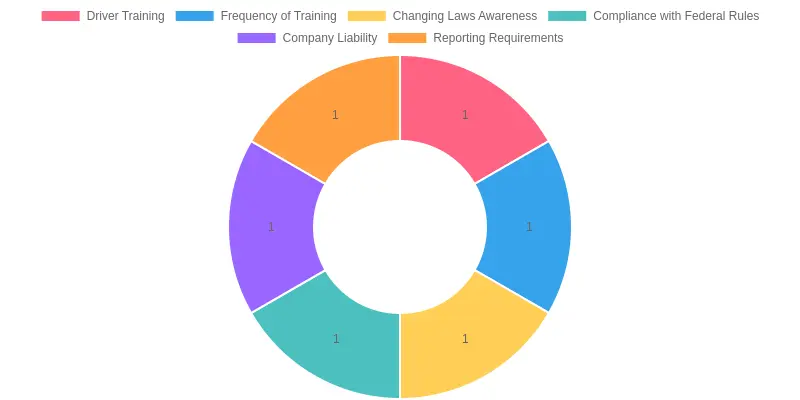
Compliance Requirements Overview
| Category | Compliance Requirement/Best Practice | Source |
|---|---|---|
| Driver Training | Specialized training required for truck drivers. | DCMD Law |
| Frequency of Training | Regular retraining sessions recommended (bi-annual or annual) | Goodfirms |
| Changing Laws Awareness | Stay updated with state regulations via Maryland.gov | Maryland.gov |
| Compliance with Federal Rules | Adherence to FMCSA regulations critical for all trucking firms | SAFER Web |
| Company Liability | Maintain standards to avoid liability; training reduces risk | Injury Lawyer MD |
| Reporting Requirements | Compliance with local and state reporting laws | STG Logistics News |
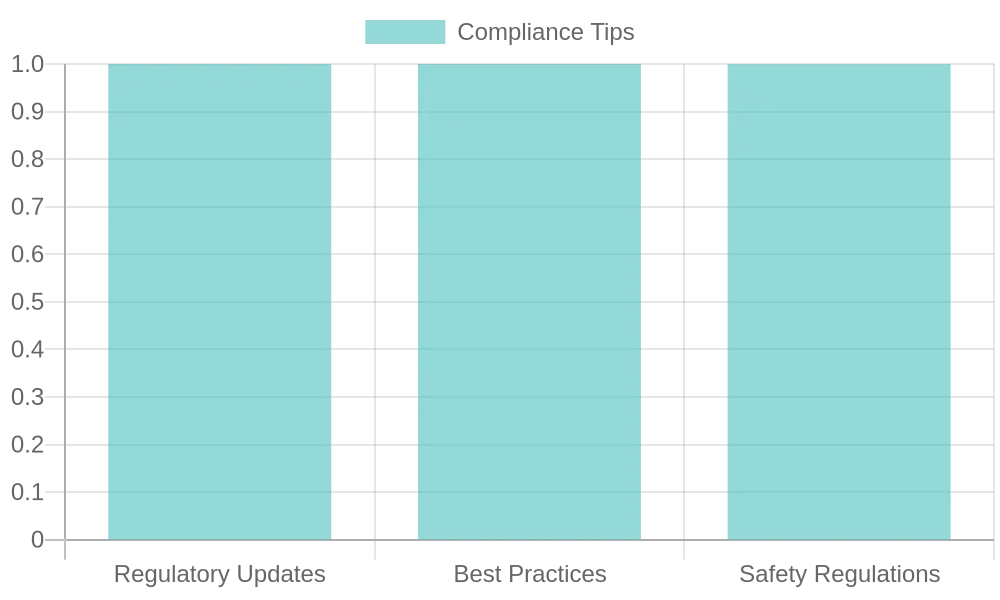
Relevant Compliance Charts
Truck Accident Rates in Maryland
To understand the impact of truck accidents, particularly in left-lane scenarios, it is crucial to visualize the trends over recent years. Here’s a chart that highlights the number of left-lane truck accidents in Maryland over the past five years:
As we can observe, the number of left-lane truck accidents has garnered significant attention due to safety concerns. This chart emphasizes the importance of compliance and awareness among trucking companies and fleet managers.
For more insights on trucking trends, consider checking out our article on current trends in used truck sales growth or understanding the impact of tariffs on truck sales.
Implementing safety protocols and adhering to lane regulations can significantly reduce these incidents, making the roads safer for everyone and ensuring legal compliance by trucking companies.
In summary, Maryland has implemented strict regulations regarding the use of the left lane by commercial trucks to enhance road safety and ensure smoother traffic flow. According to Maryland law, commercial vehicles, specifically those over five tons, are prohibited from using the left lane on multi-lane highways unless they are passing other vehicles. Failure to adhere to this regulation can result in citations and fines. For trucking professionals, understanding these laws is crucial in avoiding penalties and ensuring compliance.
As trucking regulations evolve, so does the need for trucking companies to equip their vehicles with the latest enhancements that not only meet legal standards but also improve operational efficiency. This is where Summit Fairings comes into play. Their high-quality aerodynamic fairings are designed to minimize air drag, resulting in better fuel efficiency and enhanced performance, particularly at lower engine RPMs. By investing in Summit Fairings, trucking professionals can not only ensure their vehicles comply with current regulations but also improve their bottom line through reduced fuel costs.
If you are looking to enhance your fleet’s performance while maintaining compliance with Maryland’s traffic laws, consider exploring the benefits of Summit Fairings. Learn more about how Summit Fairings can transform your trucking operations. It’s time to elevate your fleet’s performance and efficiency while keeping safety at the forefront. Don’t wait-take the step towards a more compliant and efficient trucking business today!