
The Significance of Trailer Tires in Commercial Trucking
In the realm of commercial trucking, the importance of trailer tires cannot be overstated. They are not merely a component of the vehicle; they are a decisive factor in ensuring safety, efficiency, and performance. With the demanding nature of logistics and the growing concerns surrounding fleet management and operational costs, the choice and maintenance of trailer tires play a critical role in safeguarding not only the cargo being transported but also the drivers on the road.
Properly maintained trailer tires enhance traction and control, especially under challenging weather conditions, reducing the likelihood of accidents. Additionally, they significantly impact fuel efficiency; worn or improperly inflated tires can lead to increased rolling resistance, resulting in higher fuel consumption-a costly oversight for any trucking operation.
As commercial truck fleets navigate through varying terrains and distances, selecting the right type and number of trailer tires becomes paramount. Understanding how many trailer tires are needed for specific configurations can streamline operations, optimize maintenance schedules, and reduce downtime. Fleet managers are keenly aware that investing in quality trailer tires is an investment in their vehicles’ longevity and their commitment to safety on the highways. To delve deeper into the strategies for effective fleet management, consider exploring current trends in used truck sales growth and the impact of tariffs on truck sales.
With the stakes so high, addressing the nuanced aspects of trailer tires not only enhances operational reliability but fortifies the entire trucking industry’s backbone, fostering a safer and more efficient logistics ecosystem.
| Tire Brand/Model | Load Capacity (lbs) | Durability Rating (Tread Wear) | Average Cost ($) |
|---|---|---|---|
| Goodyear G614 | 4,500 | 600 | 250 |
| Michelin XZE2 | 5,000 | 700 | 300 |
| Continental HSR | 4,800 | 500 | 280 |
| Bridgestone R250 | 4,000 | 550 | 265 |
| Sumitomo ST908 | 4,600 | 600 | 220 |
| Yokohama 703ZLT | 5,500 | 650 | 310 |
Summary of Table:
- Load Capacity: Indicates how much weight the tire can handle.
- Durability Rating: Measured by tread wear indicators, higher numbers signify more durable tires.
- Average Cost: Estimated price per tire, which can vary by retailer and region.
For accurate and updated information, fleet managers should consider checking tire manufacturer websites or directly consulting with suppliers. For the latest trends in tire options and pricing, you might also want to refer to resources like McGrath Trucks, where you can learn more about options for purchasing trucks and trailers.
Additionally, if you’re interested in insights about the impact of different factors on truck operations, explore current trends in used truck sales.
Types of Trailer Tires: Bias-Ply vs. Radial Tires
When it comes to trailer tires for commercial trucks, the two predominant types are bias-ply and radial tires. Each type possesses unique characteristics that significantly impact performance and safety and understanding these differences is crucial for optimal fleet management.
Bias-Ply Tires
Bias-ply tires are constructed with layers of fabric that are arranged at a diagonal angle (cross-ply construction). This results in a stiffer sidewall and a more flexible tread, which can be beneficial in specific scenarios.
Advantages:
- Cost-Effective: Bias-ply tires typically come at a lower upfront cost compared to radial tires, making them appealing for budget-conscious fleets.
- Puncture Resistance: They are often more resistant to punctures and cuts allowing for better performance when traversing rugged terrains or off-road scenarios.
- Traction: Bias-ply tires can provide superior grip on softer surfaces, enhancing performance in specific work environments.
Disadvantages:
- Reduced Stability: They are less stable at higher speeds and can cause more swaying, which poses a safety risk during transit, especially on highways.
- Higher Rolling Resistance: This results in lower fuel efficiency, further impacting operational costs over time.
- Quicker Wear: Bias-ply tires tend to wear out faster, leading to increased replacement frequency.
Radial Tires
Radial tires, in contrast, use plies that run perpendicularly from the center of the tire, resulting in a flexible sidewall and stronger tread area.
Advantages:
- Enhanced Stability: These tires offer improved handling and stability at high speeds, a critical factor for long-distance hauls.
- Fuel Efficiency: Radial tires provide lower rolling resistance, yielding better fuel economy, which can lead to significant cost savings for fleets.
- Longer Lifespan: They generally have a longer service life due to better heat dissipation and overall durability.
Disadvantages:
- Higher Initial Cost: Radial tires typically cost more than bias-ply tires upfront, which can deter some buyers.
- Less Puncture-Resistant: Given their flexible sidewalls, they may be more susceptible to punctures, especially in challenging environments.
- Performance on Soft Surfaces: They may not perform as well as bias-ply tires in off-road scenarios due to their construction.
Performance and Safety Comparison
The choice between bias-ply and radial tires often boils down to the operational needs of the trucking company. For example, fleets that engage in heavy highway travel will likely benefit from the stability and fuel efficiency of radial tires. Conversely, if activities include more off-road applications, bias-ply might provide the necessary traction.
| Category | Bias-Ply Tires | Radial Tires |
|---|---|---|
| Performance | Generally less stable at high speeds | More stable at high speeds |
| Cost | Typically lower cost | Typically higher cost |
| Fuel Efficiency | Usually lower fuel efficiency | Generally better fuel efficiency |
| Durability | Often less durable over time | More durable and longer-lasting |
In conclusion, evaluating the specific requirements of your operations will guide the decision in selecting the right type of tire. Aligning tire choice with operational goals optimizes safety and performance, ensuring the best return on investment. For further insights on trailer tire safety, refer to guidelines from the NHTSA and for tire choices based on load and distance, see Consumer Reports.
Industry Standards for Trailer Tires on Commercial Trucks
Maintaining adherence to industry standards and regulations for trailer tires is crucial for fleet managers to ensure safety and compliance in commercial trucking. Various regulations govern the use of tires on trailers, specifically under the jurisdiction of the Department of Transportation (DOT) and the Federal Motor Carrier Safety Administration (FMCSA). Here’s a summary of essential standards and guidance based on recent research.
Key Standards and Regulations
- DOT Tire Regulations: The DOT sets specific regulations regarding tire safety standards, including requirements for tread depth and inflation. All commercial truck tires must be regularly inspected to ensure compliance with these standards. Any violations related to tire issues can lead to significant penalties and affect a fleet’s safety record. Regular inspections can help mitigate these risks.
- Importance of Tire Maintenance: Regular maintenance and inspections are mandated for fleet operations. This includes documentation practices that support compliance with federal regulations, maintaining satisfactory Compliance, Safety, Accountability (CSA) scores, and avoiding penalties for neglecting tire conditions.
- Tread Depth Requirements: The DOT establishes minimum tread depths for tires to remain operational and safe. Fleet managers should regularly measure tire tread and ensure that all trucks within the fleet comply with these depth requirements to maintain safety and operational efficiency.
Compliance Consequences
Failure to comply with these regulations not only results in financial penalties but can also negatively impact the safety record of the fleet. Roadside inspections are frequent, and violations can lead to a decrease in safety ratings, affecting future business opportunities. Fleet managers need to ensure adherence to these standards by implementing regular check-ups and audits as part of their operational protocols.
By strictly following these industry standards and regulations for trailer tires, fleet managers can uphold safety, efficiency, and compliance in their trucking operations, ultimately contributing to lower operational costs and enhanced fleet reliability.
Tire Maintenance Tips for Trailer Longevity and Safety
Maintaining trailer tires is crucial for ensuring safety and enhancing their lifespan. Here are essential maintenance tips that fleet managers should consider:
- Regular Inspections: Check tire pressure, tread depth, and sidewall condition weekly to avoid unexpected failures on the road.
- Inflation Importance: Keep tires inflated to the manufacturer’s recommended pressure. Under-inflated tires can lead to excessive wear and heat buildup.
- Rotate Tires: Rotate trailer tires every 6,000 to 8,000 miles to ensure even wear and extend their life.
- Load Management: Avoid overloading the trailer. Adhering to the load limits helps prevent tire strain and prolongs their usability.
- Alignment Checks: Regularly check wheel alignment to prevent uneven wear and improve handling.
- Tread Maintenance: Monitor tread depth using a gauge; replace tires once tread depth is worn down to the recommended minimum.
- Clean With Care: Use mild soap and water to clean tires and remove debris that can embed in the tread area.
Implementing these proactive measures can significantly enhance the life and safety of trailer tires. For more information on how to maintain your fleet, consider visiting learn more about tire maintenance trends.
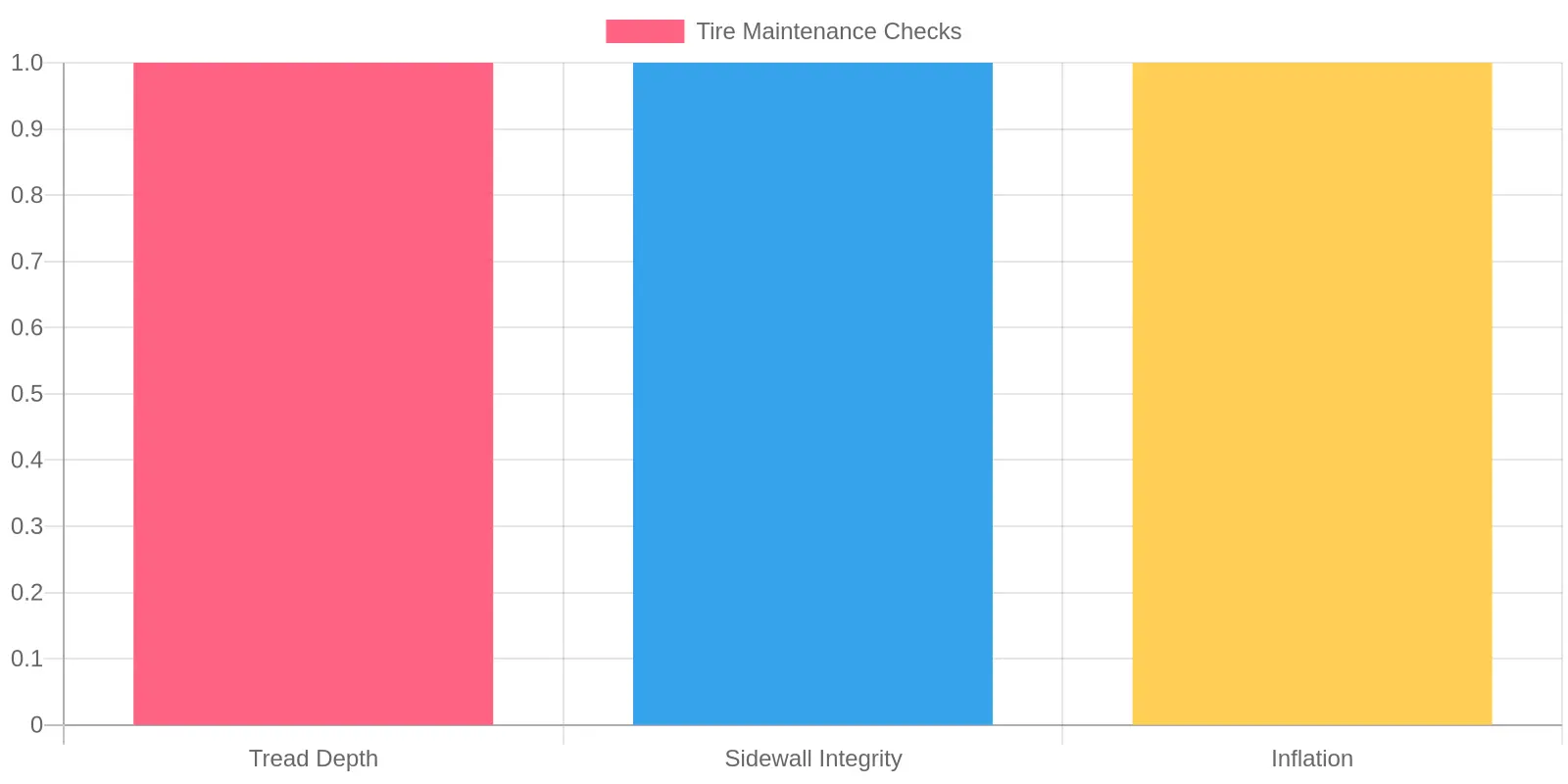
Key Components to Inspect on a Trailer Tire
| Component | Description |
|---|---|
| Tread Depth | Measure the depth of tire tread to ensure proper traction. Use a tread depth gauge or penny test. |
| Sidewall Integrity | Inspect for cracks, cuts, or bulges that may compromise the tire’s structure. |
| Inflation | Check tire pressure regularly to ensure it is within the manufacturer’s recommended range. Use a tire pressure gauge. |
Regular tire maintenance ensures the safety and efficiency of your trailer. By focusing on these areas, fleet managers can mitigate risks and improve vehicle performance. Learn more about tire maintenance best practices and trailer safety tips.
The Impact of Tire Quality on Fuel Efficiency
The quality of trailer tires plays a pivotal role in the operational efficiency of commercial trucks. Trucking company owners and fleet managers should prioritize the selection of high-quality tires, not merely for safety, but also for fuel economy and overall cost savings.
How Tire Quality Affects Fuel Efficiency
High-quality tires can significantly reduce the rolling resistance of a vehicle. Rolling resistance refers to the energy that needs to be overcome to keep a tire rolling; the lower this resistance, the less energy and fuel the vehicle will consume. Furthermore, tires designed specifically for commercial use tend to have better tread patterns and rubber compounds that improve fuel efficiency. According to industry research, maintaining proper tire inflation and ensuring tires are well-aligned can improve fuel efficiency by as much as 10%. This is particularly significant for fleets that log extensive miles-making fuel savings substantial over time.
Cost Savings from Proper Tire Selection
While the initial investment in high-quality tires may be higher than purchasing lower-grade options, the long-term savings are indisputable. A well-maintained high-quality tire can last longer, which reduces the frequency of replacements and the associated costs. Fleet managers have reported that spending on premium tires can yield a return on investment through reduced fuel costs and longer tire life.
For example, consider a fleet that operates 100 trucks, with an average fuel cost of $4 per gallon. If each truck achieves just a 10% improvement in fuel efficiency by using quality tires, the yearly savings can amount to thousands of dollars. This estimation underlines the importance of selecting the right tires to enhance fuel economy and optimize operational costs.
Graphical Insight into Efficiency Improvements
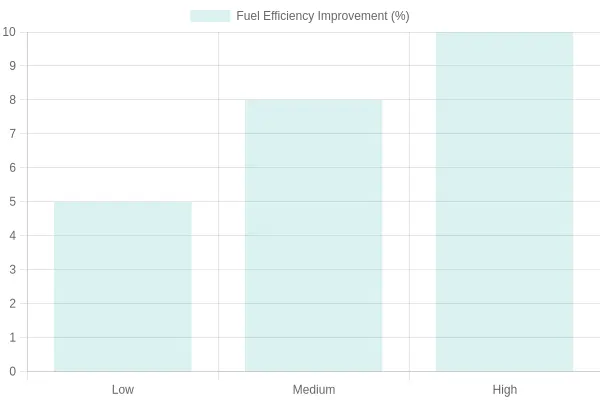
To further illustrate the relationship between tire maintenance quality and fuel efficiency, refer to the following chart:
| Maintenance Level | Fuel Efficiency Improvement (%) |
|---|---|
| Low | 5 |
| Medium | 8 |
| High | 10 |
Sources: Impact on Fuel Efficiency Statistics
Conclusion
In conclusion, the importance of tire quality in commercial trucking cannot be overstated. By choosing high-quality trailer tires, fleet managers can significantly enhance fuel efficiency, which correlates directly with lower operational costs. Prioritizing this aspect of fleet maintenance ensures long-term benefits that can make a marked difference in the competitiveness and profitability of truck operations. Investing in proper tires is ultimately an investment in the sustainability and efficiency of a fleet.
For those interested in further enhancing their fleet management strategies, consider navigating economic uncertainties to maximize efficiency and profitability.
Understanding Tire Lifespan Based on Usage Conditions
The lifespan of trailer tires can significantly vary based on a multitude of factors, especially the usage conditions. This chart below illustrates the expected lifespan of different trailer tire types under three distinct usage scenarios:
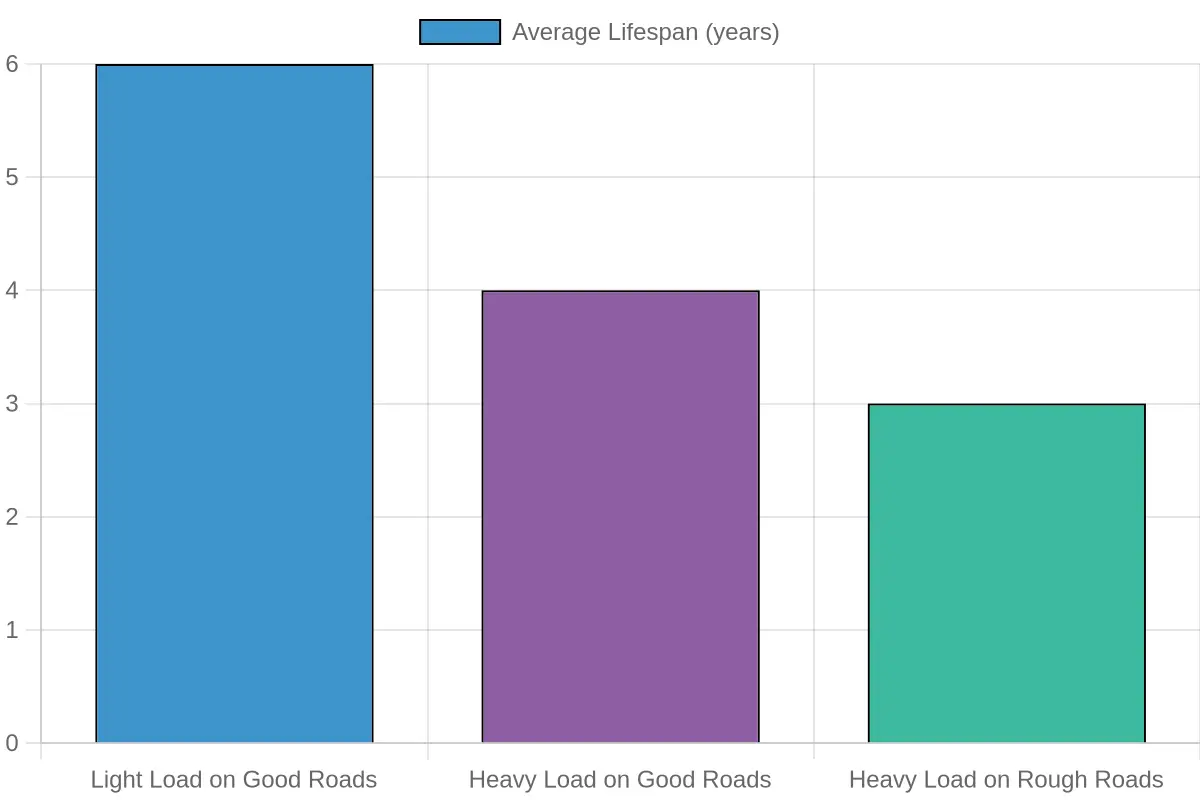
Average Lifespan Based on Usage Conditions
| Usage Condition | Average Lifespan |
|---|---|
| Light Load on Good Roads | 6 years |
| Heavy Load on Good Roads | 4 years |
| Heavy Load on Rough Roads | 3 years |
Key Insights:
- Light Load on Good Roads: Tires can last up to 6 years, making them resilient under low-stress conditions.
- Heavy Load on Good Roads: When under heavier loads, tires can have a lifespan of around 4 years.
- Heavy Load on Rough Roads: This checkered scenario reduces lifespan significantly to just 3 years due to the added wear and tear.
Regular maintenance and proper tire care can extend the lifespan significantly. For best practices, learn more about tire maintenance here and understand the importance of right tire selection to optimize performance in your fleet.
Conclusion
Selecting the appropriate trailer tires is not merely a logistical decision; it represents a critical aspect of ensuring safety, enhancing performance, and optimizing cost-efficiency in commercial trucking operations. The right tires can significantly impact safety by providing superior traction and resistance to blowouts, reducing the risks associated with hazardous driving conditions. With the right tire selection, trucking companies can avoid accidents and improve their overall operational safety.
Furthermore, tires that match the load specifications and usage patterns not only contribute to safer driving experiences but also enhance vehicle performance. Properly fitted tires can lead to better fuel efficiency and smoother handling, ultimately supporting a fleet’s productivity. Investing in high-quality tires may incur higher upfront costs, but these tires often prove to be more durable and capable of withstanding the rigors of rigorous use, thus minimizing long-term maintenance expenses.
In an industry where margins often dictate operational strategies, the importance of thorough consideration cannot be overstated. By evaluating available options and investing in the right trailer tires, trucking companies can substantially improve their safety records, performance metrics, and financial outcomes. It is essential to weigh these factors carefully, as the right choice can facilitate smoother operations and contribute to the longevity of both the vehicles and their cargo.
For more insights into maximizing your fleet’s efficiency and making informed vehicle purchases, consider reviewing our analysis of trailer impact on trucking costs and trends in used truck sales. Take the time to assess your tire options wisely; your safety and bottom line depend on it.
“Proper tire maintenance is not just a routine task; it is critical for the safety, efficiency, and performance of your trucks on the road. Ensuring the right tires are chosen for the specific job can greatly reduce costs and increase uptime.” – Anonymous Trucking Expert
For an authoritative discussion on tire maintenance and selection, sources such as tire manufacturers’ guidelines or automotive safety organizations may provide robust insights.