
Understanding Diesel Exhaust Fluid (DEF) and Its Importance for Commercial Diesel Trucks
Diesel Exhaust Fluid (DEF) plays a critical role in the operation of modern commercial diesel trucks, especially as stringent emissions regulations become a predominant concern for the trucking industry. DEF is a non-toxic solution comprised of 32.5% urea and 67.5% deionized water, which is injected into the exhaust system of diesel vehicles. This process helps reduce nitrogen oxide (NOx) emissions, transforming them into harmless nitrogen and water vapor. As such, DEF is not merely an additive; it is essential for compliance with the Environmental Protection Agency (EPA) standards aimed at minimizing environmental impact.
For trucking company owners and fleet managers, understanding DEF is vital not only for regulatory compliance but also for optimizing operational efficiency. The availability, storage, and usage of DEF can significantly impact the performance and maintenance of diesel trucks. Moreover, with evolving technologies and ongoing shifts in the trucking landscape, being informed about DEF ensures that fleets stay competitive and environmentally responsible. For further insights into economic factors affecting the trucking industry, learn more about the impact of emissions on used truck prices and trends in used truck sales.
Understanding Diesel Exhaust Fluid (DEF)
Diesel Exhaust Fluid (DEF) is an essential consumable in modern diesel engines, particularly those equipped with Selective Catalytic Reduction (SCR) technology. This clear, non-toxic liquid is composed of 32.5% high-purity urea and 67.5% deionized water. DEF serves a crucial purpose in reducing harmful nitrogen oxides (NOx) emissions, a key contributor to air pollution. The process involves injecting DEF into the exhaust stream, where it undergoes a chemical reaction that converts NOx into harmless nitrogen (N₂) and water vapor (H₂O), thereby helping diesel engines meet stringent emissions standards such as Euro IV, V, and VI regulations as well as Chinese National VI standards.
Composition of DEF
- Urea: 32.5%
- Deionized Water: 67.5%
This precise composition is critical for the effectiveness of DEF, as maintaining the correct urea concentration ensures optimal performance of the SCR system. The fluid typically has a pH between 4.5 and 8.5 and must comply with international standards like ISO 22241 to ensure its purity and performance. Using DEF that does not meet these standards can lead to engine performance issues, including potential damage to the SCR system.
Purpose of DEF
The primary purpose of DEF is to facilitate the reduction of NOx emissions in diesel engines. By converting these pollutants into nitrogen and water vapor, DEF plays a pivotal role in adhering to environmental regulations. Once diesel exhaust passes through the SCR system and mixes with DEF, it is transformed into less harmful emissions, effectively cleaning the exhaust.
Implications for Diesel Engines
Utilizing DEF has several implications for diesel engine operation and maintenance:
- Emissions Compliance: DEF is essential for trucks to comply with emissions regulations. Neglecting to use or improperly filling DEF can result in increased NOx emissions, leading to potential fines and penalties for non-compliance.
- Engine Performance: An insufficient supply of DEF can trigger engine derating, where the engine reduces power output to manage emissions, affecting overall vehicle performance. A warning light alerts drivers when DEF levels are low, necessitating timely refilling to avoid limitations on engine output.
- Cost and Availability: Though DEF is widely available, fleet managers should ensure proper inventory levels to avoid operational disruptions. Moreover, the cost of DEF should be factored into overall operating expenses as part of managing a diesel fleet efficiently.
In conclusion, DEF is not just a required operating fluid, but a critical component in the pursuit of cleaner diesel engine operations. For further insights into the implications of emissions and compliance for your fleet, visit our guide on the impact of emissions and learn more about the current trends affecting used truck sales here.
DEF Usage Trends in Commercial Diesel Trucks
The trend in DEF (Diesel Exhaust Fluid) usage among commercial diesel trucks has seen significant growth over the past five years. As a response to stringent regulations set by the EPA regarding nitrogen oxide (NOx) emissions, the adoption of DEF has become essential for fleet managers.
Key Trends: 2019 – 2023
- 2019: ~60% of commercial diesel trucks utilized DEF.
- 2020: Increased to approximately 70% adoption.
- 2021: Further growth led to 80% of trucks using DEF.
- 2022: The rate climbed to 85%.
- 2023: Over 95% of trucks are now equipped with systems that require DEF, highlighting its critical role in modern fleet operations.
These trends signify that DEF is not just a regulatory requirement but has also become integral to enhancing efficiency and reducing emissions in commercial trucking operations.
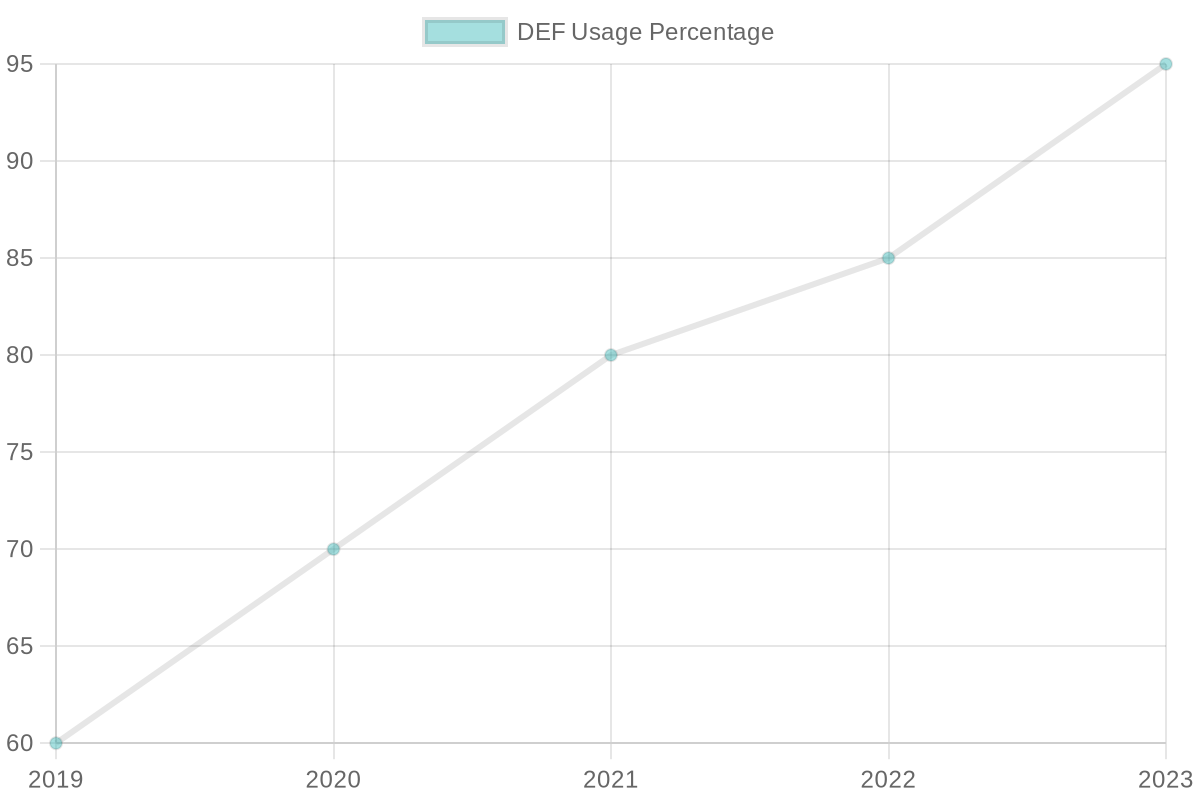
Source: Data compiled from the U.S. Environmental Protection Agency (EPA) and American Trucking Associations (ATA).
The Importance of Diesel Exhaust Fluid (DEF) in Emissions Control
Diesel engines are vital to many commercial sectors, including trucking, construction, and logistics. However, their operation often results in substantial emissions, particularly nitrogen oxides (NOx), which are harmful pollutants linked to respiratory problems and environmental degradation. Diesel Exhaust Fluid (DEF) plays a crucial role in managing these emissions effectively, enabling compliance with stringent environmental regulations.
DEF is a solution composed of 32.5% high-purity urea and 67.5% deionized water. It operates within Selective Catalytic Reduction (SCR) systems by converting NOx into harmless nitrogen and water vapor as exhaust gases pass through the SCR catalyst. This process can achieve over 90% reduction in NOx emissions, marking a significant improvement over older diesel technology.
Regulatory Framework
In the United States, the Environmental Protection Agency (EPA) enforces strict emissions standards that require DEF usage in most new heavy-duty diesel vehicles. Introduced with the 2010 EPA emission standards, the SCR technology utilizing DEF is now mandatory for compliance, ensuring trucks meet the national emission limits. The U.S. EPA also emphasizes the importance of maintaining DEF quality to prevent catalyst poisoning, which can lead to engine derating or shutdown if levels fall below regulatory standards (ISO 22241-3).
Across the Atlantic, European Union regulations, defined by the Euro VI emission standards, similarly mandate the use of SCR technology and DEF for all new heavy-duty vehicles. Since its implementation in 2014, these regulations have facilitated a dramatic reduction of NOx emissions-by as much as 90% compared to older models. The European Environment Agency calls for certified DEF products, warning against substitutes that could adversely affect vehicle performance and the environment.
Environmental Benefits
The adoption of DEF not only helps numerous trucking companies comply with regulations but also contributes significantly to improving air quality and mitigating climate change impacts. With growing urbanization, reducing NOx emissions is critical for public health and environmental sustainability. The International Council on Clean Transportation highlights that regardless of the region, DEF has become a global standard to meet evolving emissions regulations, such as China’s National VI standards and the U.S. EPA Tier 4.
Maintaining a reliable supply chain for high-quality DEF is essential for fleet operators. The integrity of the DEF impacts the SCR system’s efficiency and the engine’s longevity. Companies must prioritize education and proper maintenance practices to ensure DEF is not contaminated, preserving the SCR catalyst and avoiding costly repairs.
In conclusion, the integration of Diesel Exhaust Fluid in diesel engine operations is not merely regulatory compliance; it is an essential practice for fulfilling environmental responsibilities. With DEF, trucking companies, construction teams, and logistics providers can contribute to cleaner air while efficiently managing operational needs. For more information on recent trends affecting diesel emission regulations, visit McGrath Trucks.
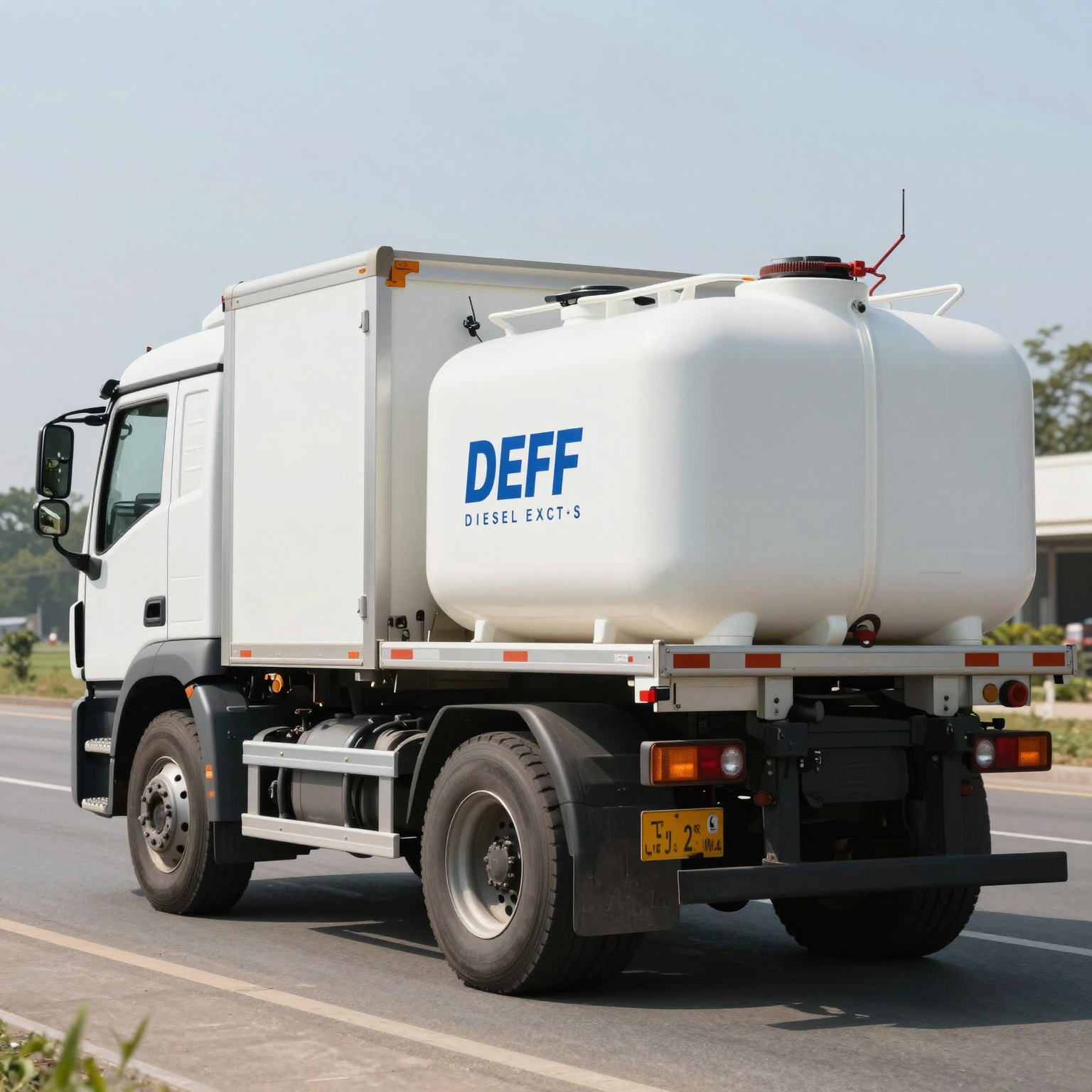
Understanding DEF Systems in Commercial Diesel Trucks
In recent years, the diesel engine industry has faced increasing pressure to reduce harmful emissions, particularly nitrogen oxides (NOx). Selective Catalytic Reduction (SCR) systems, which utilize Diesel Exhaust Fluid (DEF), have emerged as a crucial technology in meeting these regulatory demands. This section explores how DEF systems work in commercial diesel trucks, detailing their essential components and operational processes.
How DEF Systems Operate
At the core of the DEF system is Diesel Exhaust Fluid, a non-toxic solution consisting of 32.5% urea and 67.5% deionized water. This fluid is injected into the exhaust stream of diesel engines and plays a pivotal role in reducing NOx emissions by converting them into harmless nitrogen and water vapor. Below are the primary components and their respective functions:
| Component | Function |
|---|---|
| DEF Tank | Stores DEF for injection into the exhaust system. |
| DEF Pump | Pressurizes and delivers DEF from the tank to the injector. |
| DEF Injector | Sprays precise amounts of DEF into the exhaust stream, upstream of the SCR catalyst. |
| Sensors | Monitor the DEF system, checking levels, temperature, and quality. These include temperature, level, and concentration sensors. |
| SCR Catalyst | Facilitates the chemical reaction between ammonia and nitrogen oxides, converting them into nitrogen and water. |
| Exhaust Manifold | Directs exhaust gases through the SCR catalyst for treatment. |
| Engine Control Unit (ECU) | Manages DEF injection based on real-time analysis of exhaust conditions to optimize performance. |
Operational Process
- Exhaust Production: When a diesel engine operates, it emits NOx as a byproduct of combustion.
- DEF Injection: The ECU assesses the engine’s performance and NOx levels to determine when to inject DEF. The pump then supplies the correct amount of DEF to the injector, which atomizes it into the exhaust stream.
- Chemical Reaction: The hot exhaust gas (typically between 200°C and 400°C) causes the urea in DEF to decompose into ammonia (NH₃). This ammonia then reacts chemically with the NOx in the SCR catalyst, producing nitrogen (N₂) and water (H₂O):
- Reaction with NO:
[
\text{NO} + 2\text{NH}3 \rightarrow 2\text{N}2 + 3\text{H}_2\text{O}
]
- Emission Reduction: As nitrogen and water vapor exit through the exhaust pipe, the truck significantly lowers its NOx emissions, aligning with environmental regulations.
Note: Maintaining an optimal temperature is vital for this reaction to occur effectively, as too cool or too hot conditions can hinder performance.
Importance of Proper Maintenance
Proper maintenance of DEF systems is crucial. Truck operators should regularly check DEF levels, replace fluid that may crystallize or degrade, and monitor the overall system performance. Regular maintenance helps ensure compliance with environmental regulations and the longevity of the SCR system.
Fleet managers should also be aware that the efficient operation of DEF systems contributes not only to regulatory compliance but also to improved fuel efficiency and reduced operational costs in the long run.
To delve deeper into trends and implications surrounding truck sales and emissions, check out our articles on current trends in used truck sales growth and the impact of emissions on used truck prices.
DEF Tank Capacities and Refill Intervals by Truck Manufacturer
In commercial diesel trucks, adherence to Diesel Exhaust Fluid (DEF) requirements is crucial for meeting emission standards. Here’s a comparative table summarizing DEF tank capacities and refill intervals for various leading truck manufacturers:
| Manufacturer | DEF Tank Capacity (liters) | Average Refill Interval (miles) | Notes |
|---|---|---|---|
| Mercedes-Benz | 20 | 8,000 | Featured in the Actros model |
| Volvo | 17 | 7,500 | VNL series with refill alerts at 15% level |
| PACCAR (Kenworth) | 25 | 10,000 | Standard on their latest heavy-duty trucks |
| Freightliner | 25 | 10,000 | Cascadia model with standard capacities |
| Ford Super Duty | 15 | 10,000 | Lower capacity option for heavy-duty applications |
| Cummins-Powered | 20 | 8,500 (long haul) | Inspiring higher efficiency for fuel economy |
| Navistar | 30 | Varies | Optional larger tank for extended-range operations |
| Hino | 30 | Varies | Specialized logistics primarily |
Notes on DEF Usage and Fleet Management
- Most manufacturers produce DEF tanks with ISO 22241-1 certification standards.
- Refill intervals are generally designed to align with scheduled maintenance cycles, often set for every 10,000 miles or 3 months.
- Fleet managers are advised to monitor DEF usage through onboard diagnostics to ensure operational efficiency and prevent unexpected downtime.
Learn about current trends in used truck sales and the impact of emissions on used truck prices for further insights beneficial to your fleet management strategies.
Word Count: 334
Analyzing the Challenges and Solutions for DEF Usage in Trucking Companies
Diesel Exhaust Fluid (DEF) is essential for modern diesel engines, especially as emissions regulations become stricter. However, trucking companies face several challenges regarding DEF storage and handling that can impact operational efficiency and vehicle performance. Understanding these challenges and implementing practical solutions are critical for fleet managers and procurement teams.
Common Challenges
- Temperature Sensitivity: DEF is sensitive to temperature fluctuations, which can lead to crystallization or degradation. Exposure to temperatures below -11°C or above 30°C can render DEF ineffective, as noted by the American Trucking Associations (ATA). If DEF crystallizes, it can block the Selective Catalytic Reduction (SCR) systems, leading to costly repairs.
- Solution: Utilize insulated, closed-loop storage tanks equipped with temperature monitoring systems. These tanks can maintain DEF within the optimal range and prevent crystallization.
- Contamination Risks: Contamination from dirt, fuel, or moisture during transfer processes can severely damage SCR systems. A 2026 report highlighted that over 40% of fleet operators faced DEF-related issues due to contamination.
- Solution: Employ DEF-specific transfer equipment and ensure clean and filtered dispensing systems to prevent particulate contamination. Implement training for staff on proper handling procedures to minimize risks.
- Storage Best Practices: Proper storage methods are crucial for maintaining DEF quality. Storing DEF in unapproved containers can lead to chemical degradation. The ATA recommends avoiding metal containers unless explicitly designed for DEF.
- Solution: Use high-density polyethylene (HDPE) containers with UV protection for DEF storage. Establish a first-expired, first-out (FEFO) inventory system to minimize the risk of expired fluid use.
Implementing Solutions
Many trucking companies are turning to digital solutions to manage DEF effectively:
- Real-Time Monitoring: Integrating DEF management systems into existing Transportation Management Systems (TMS) allows for real-time tracking of inventory levels and condition monitoring. This technology can alert staff when DEF levels are low and help schedule timely refills.
- IoT-Based Solutions: The adoption of IoT sensors has become common in modern fleets. These sensors help monitor temperature and humidity levels continuously, thereby reducing DEF waste by up to 25%, as reported in pilot programs.
- Employee Training Programs: To enhance fluid handling, fleets are investing in training programs for drivers and maintenance teams, ensuring they understand the importance of proper DEF management techniques. This proactive approach fosters compliance and reduces SCR system failures.
Conclusion
As DEF becomes a standard requirement for diesel engines, addressing the challenges of storage and handling is vital for trucking companies. By implementing insulated containers, utilizing specific transfer tools, adopting digital management systems, and investing in employee training, fleets can optimize DEF usage, improve vehicle reliability, and remain compliant with emissions regulations. For a deeper dive into current trends affecting trucking operations, you can learn more about used truck sales growth or explore the impact of emissions on used truck prices.
The successful management of DEF not only safeguards fleet investments but also contributes positively to the environment by ensuring compliance with evolving regulations.
Conclusion
In conclusion, Diesel Exhaust Fluid (DEF) is not merely an accessory for commercial diesel trucks; it is a crucial factor that significantly influences their performance and compliance with environmental regulations. As outlined in various studies, including insights from the U.S. Environmental Protection Agency (EPA) and the American Trucking Associations (ATA), DEF plays a vital role in reducing nitrogen oxide (NOx) emissions by as much as 90%, helping fleets adhere to stringent EPA regulations. Without the adequate use of DEF, diesel trucks cannot meet legal emission requirements, paving the way for potential fines and penalties, which can adversely impact operational costs and fleet efficiency.
Furthermore, operating a diesel truck without DEF also risks damaging the Selective Catalytic Reduction (SCR) systems crucial for optimal engine performance. This not only hampers fuel efficiency but could lead to reduced power output, thereby affecting the overall productivity of trucking operations. As DEF levels deplete, warning systems alert drivers, emphasizing the necessity for timely DEF refills to avoid engine mobility or reduced driving capabilities that could disrupt delivery schedules.
The importance of DEF transcends compliance; it aligns with maintaining a green trucking operation, which is increasingly vital, especially in urban areas where stringent clean air standards are enforced. Moreover, ensuring the availability of high-quality DEF is essential to avoid costly maintenance and downtime that can arise from contaminated fluids. Fleet managers and trucking company owners must prioritize the management of DEF, as its availability can significantly influence operational continuity and supply chain efficiency. Therefore, recognizing the importance of DEF is key for modern fleets aiming to maintain compliance, enhance performance, and contribute positively to environmental goals.
Embrace DEF for Enhanced Performance
In today’s competitive trucking landscape, optimizing performance while meeting regulatory standards is more crucial than ever. Utilizing Diesel Exhaust Fluid (DEF) offers a pathway to not only comply with stringent emissions regulations but also to boost your truck’s efficiency significantly. Fleet owners and managers should consider that DEF systems can improve fuel economy by 3-5%, which directly translates to lower operational costs. According to the U.S. Environmental Protection Agency, effective DEF usage can reduce nitrogen oxide (NOx) emissions by over 90%, making a meaningful impact on both business sustainability and public health.
Moreover, the adoption of DEF can lead to extended engine life and reduced maintenance costs, as it minimizes deposits in the exhaust system and decreases the frequency of costly repairs. With DEF becoming an essential component of heavy-duty diesel truck operation, now is the time to incorporate it into your fleet strategy.
At Summit Fairings, we understand the importance of enhancing truck performance while maintaining compliance with environmental standards. By focusing on effective DEF usage, you position your fleet for success, ensuring you remain competitive while contributing to a cleaner environment. Don’t let your trucks fall behind; optimize their performance today with DEF and explore our full range of aerodynamic solutions designed to further enhance fuel efficiency.
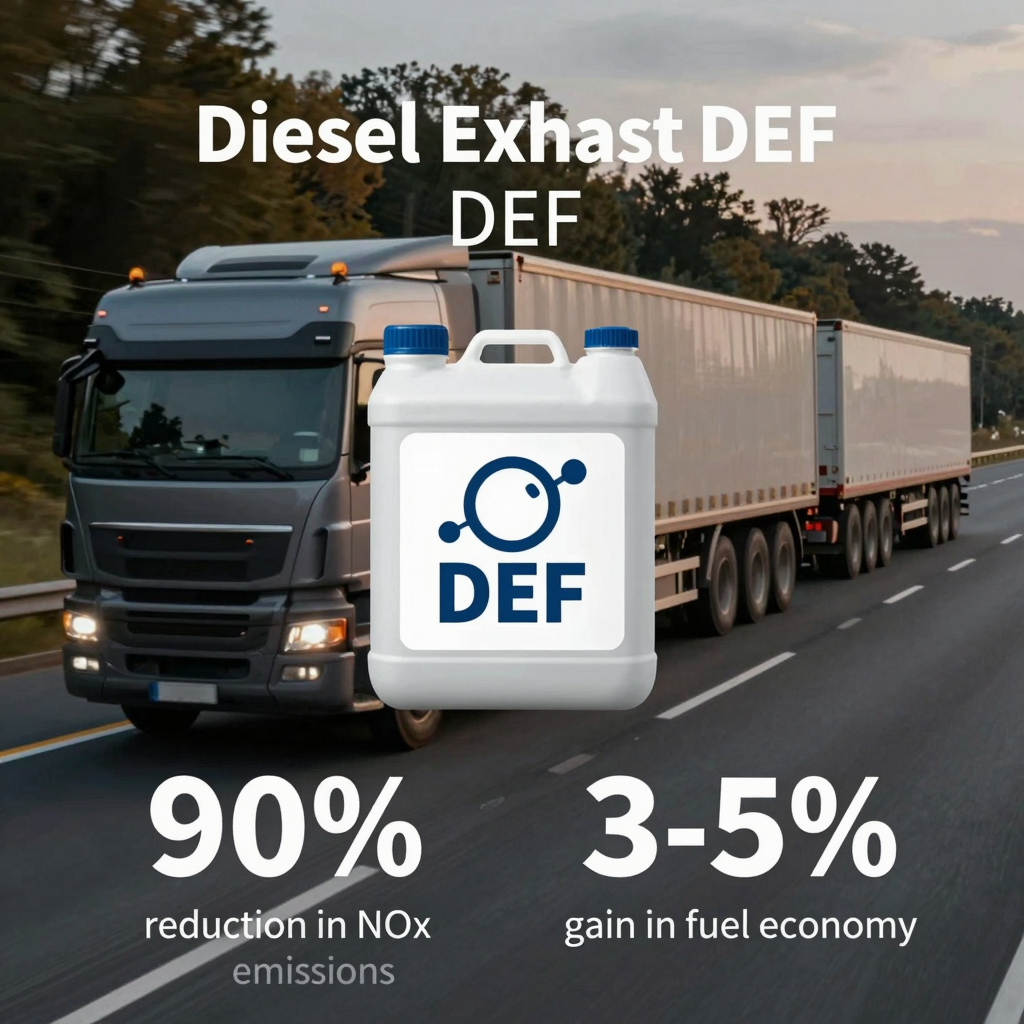
Discover the significant advantages of using DEF in your truck operations: from improved emissions to enhanced performance.