Introduction
Navigating the complexities of Chapter 7 bankruptcy can be a daunting endeavor, especially for business owners relying on commercial trucks for their operations. As the legal process unfolds, many are left wondering, “Can I keep my commercial truck?” The answer is often dependent on a variety of factors including the truck’s value and whether it is secured by debt. Fleet managers and procurement teams in the construction, logistics, and mining sectors face significant challenges as they weigh asset retention against financial distress. This is where the importance of having skilled legal counsel becomes paramount. Seasoned bankruptcy attorneys can provide invaluable guidance, helping to explore options such as exemptions for equipment necessary for business operations and negotiating with creditors to maintain essential assets. Understanding the legal framework surrounding asset retention in Chapter 7 bankruptcy will empower businesses to make informed decisions and potentially preserve vital equipment, safeguarding their operational capabilities during challenging financial times. For more insights on current trucking trends, learn more about the impact of tariffs on truck sales.
Common Concerns About Keeping a Truck in Chapter 7 Bankruptcy
When trucking company owners consider keeping a commercial truck during Chapter 7 bankruptcy, they face several significant concerns:
-
Asset Liquidation: Chapter 7 bankruptcy involves the liquidation of non-exempt assets to repay creditors. Owners may worry about losing their trucks entirely, as the bankruptcy trustee will sell these vehicles to generate funds. Learn more about asset liquidation.
-
Loan and Lease Obligations: Even if a truck is financed or leased, owners might still face challenges. The sale price at auction may not suffice to cover remaining debt, leaving owners without their truck and still liable for unpaid loans.
-
Limited Exemptions: Federal and state exemptions usually do not include commercial vehicles, increasing the risk of losing essential operational assets. Trucking companies must navigate the complex laws regarding asset exemptions during bankruptcy proceedings.
-
Reputation and Future Business: Filing for bankruptcy can impact a company’s reputation, potentially affecting relationships with clients and suppliers. Concern arises about how this may hinder future business opportunities in the logistics and freight sectors.
-
Loss of Income: For owner-operators, the truck is not just an asset but often the primary source of income. Losing it can lead to financial hardship and operational challenges, especially if unable to secure a replacement quickly.
-
Documentation and Compliance: Ensuring all legal documents are properly filed and compliance regulations are met is crucial and can be a source of stress during bankruptcy. Companies fear that missteps could result in losing more than just a vehicle.
Addressing these concerns with the guidance of experienced bankruptcy attorneys or financial advisors can provide trucking companies with clearer pathways during such challenging times.
For additional insights into managing your trucking business, consider reading about trending used truck sales and the impact of tariffs on truck sales.
Word Count: 352
Legal Aspects of Chapter 7 Bankruptcy for Commercial Trucks
Navigating Chapter 7 bankruptcy presents unique challenges for trucking companies that own commercial trucks. This legal process, often termed liquidation bankruptcy, requires a thorough understanding of the laws governing asset disposition, specifically regarding vehicles essential for business operations.
In Chapter 7 bankruptcy, a court appoints a trustee who is responsible for overseeing the liquidation of the debtor’s non-exempt assets to satisfy creditors. For trucking companies, this includes commercial trucks, trailers, and potentially any specialized equipment used in their operations. It’s crucial for owners to recognize that approximately 60-70% of commercial trucks are liquidated during these proceedings, as some assets may not qualify for exemption under state law. After the bankruptcy petition is filed, trucks that are not exempt will typically be sold at auction to recover funds for creditors.
Key Legal Considerations:
- Secured Debt and Liens: If a truck is financed, lenders often hold a lien, granting them the right to repossess the vehicle if payments are not maintained. The presence of a lien complicates asset retention; however, the automatic stay invoked during bankruptcy prevents immediate repossession actions.
- Exemption Laws: Each state has specific exemption limits that can affect whether a truck can be retained. If the equity in the vehicle exceeds this limit, it may become part of the estate to be liquidated. For instance, a truck valued at $50,000 with a $40,000 loan would have $10,000 in non-exempt equity, making it eligible for liquidation. Consultation with a legal expert familiar with state exemption laws is advisable to navigate these waters effectively.
Potential Outcomes:
The outcome of Chapter 7 bankruptcy can vary significantly. In about 30-40% of cases, debtors may successfully retain one or more trucks through reaffirmation of debts or other negotiations. Retention is often limited to trucks deemed essential for ongoing business operations and where the equity does not substantially exceed the secured debt.
The typical timeframe from filing to discharge can range from 4 to 6 months, but in some scenarios, it may extend up to a year, especially if complications arise involving asset disputes or creditor negotiations. As such, trucking companies must prepare for both the legal and operational ramifications that accompany bankruptcy filings. Initiating discussions with a bankruptcy attorney early in the process is critical to facilitate informed decision-making that aligns with their business objectives.
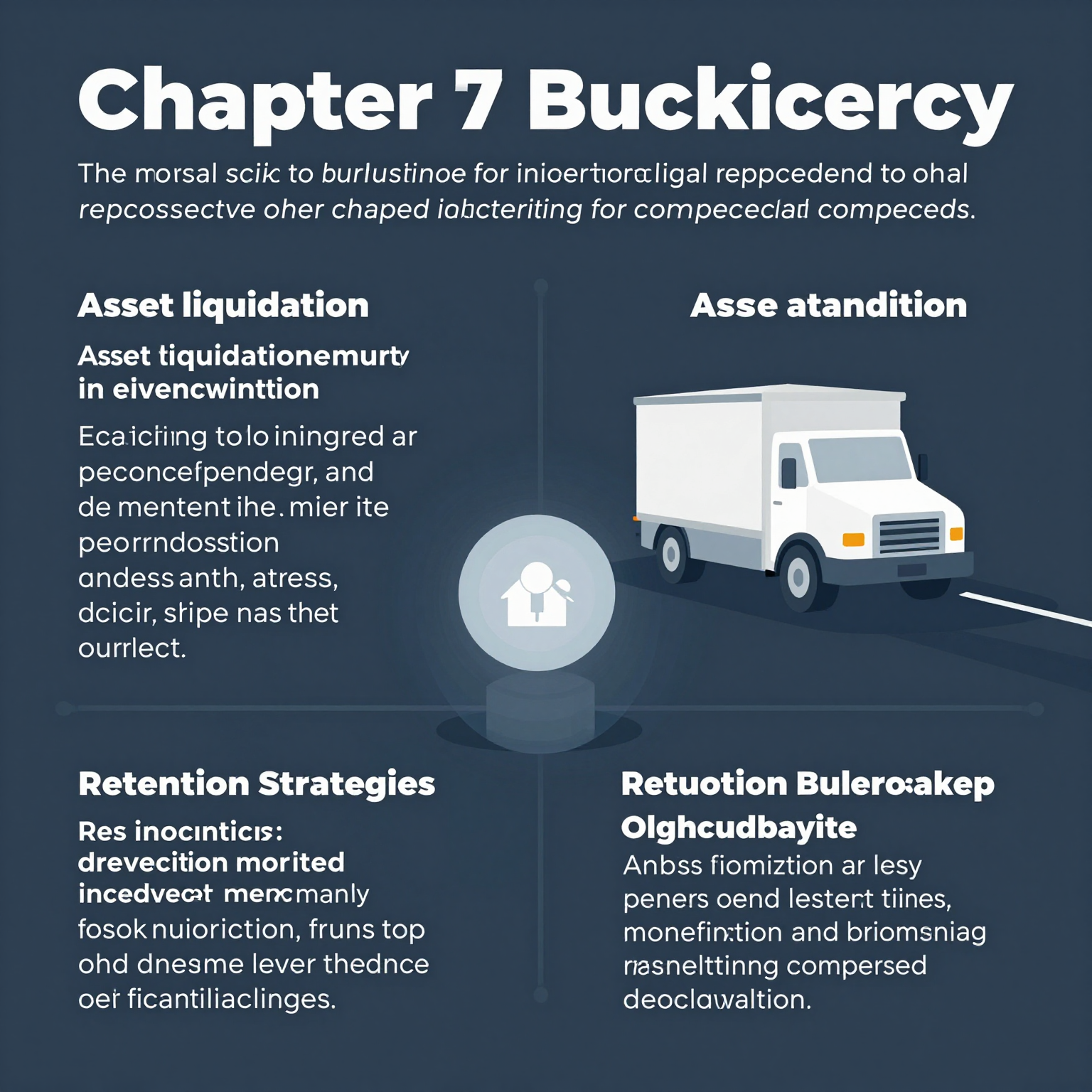
Understanding these intricacies allows trucking company owners to be better prepared for the implications of Chapter 7 bankruptcy, ensuring they can effectively navigate potential challenges and protect their operational capabilities.
For further insights on how economic factors affect truck sales and values, you can learn more about the impact of tariffs on heavy trucks.
Additionally, you can find valuable information on the stability of used truck prices and market trends affecting commercial vehicles in the trucking industry.
Comparing Chapter 7 and Chapter 11 Bankruptcy for Commercial Trucking Businesses
Understanding the differences between Chapter 7 and Chapter 11 bankruptcy is crucial for trucking companies navigating financial difficulties. Below is a comparison table detailing the implications and procedures associated with each type of bankruptcy.
| Aspect | Chapter 7 Bankruptcy | Chapter 11 Bankruptcy |
|---|---|---|
| Procedure | Liquidation of all business assets to pay off debts. A bankruptcy trustee is appointed to oversee the sale of assets and distribution of proceeds to creditors. The process is typically faster, often completed within 6-12 months. | Reorganization of business affairs while continuing operations. The company (debtor-in-possession) remains in control of its business under court supervision. A reorganization plan must be proposed, negotiated with creditors, and confirmed by the court. Can take months to years. |
| Implications | Business ceases operations permanently after asset liquidation. Employees are laid off; no possibility of resuming business under the same entity. Creditors receive a pro-rata share of remaining funds after expenses. | Allows business to continue operating during restructuring. May retain key personnel and contracts. Potential for financial recovery and long-term viability if reorganization plan succeeds. |
| Required Documentation | Petition for relief, list of assets and liabilities, schedules of income and expenses, statement of financial affairs, proof of creditor claims, and filing fees. | Same core documents as Chapter 7, plus: detailed reorganization plan, disclosure statement, feasibility analysis, creditor voting ballots, and motion for confirmation of plan. |
| Business Operations During Bankruptcy | Ceased immediately upon filing. All operations stop; assets are sold off. No continuation of business activities. | Continues normally under court protection (automatic stay). Can enter new contracts, manage inventory, hire employees, and maintain customer relationships while restructuring debt. |
| Eligibility | Available to any individual or business entity that cannot pay its debts. However, businesses with significant non-exempt assets may be more likely to file. | Generally available to businesses with complex debt structures, especially those seeking to reorganize rather than liquidate. Often preferred by larger firms like trucking companies aiming to survive. |
For more in-depth insights on the current trends impacting the trucking industry, you can explore changes in used truck sales growth and learn about the impact of economic uncertainties on the trucking market.
Keeping Commercial Trucks in Chapter 7 Bankruptcy
Retaining commercial trucks during a Chapter 7 bankruptcy can be fraught with complexities. As noted by a leading bankruptcy attorney, “In Chapter 7, whether you can keep your commercial truck depends on its equity and the applicable exemption laws. If the truck’s value is within the exempt limits, it can often be retained; however, if it exceeds those limits, the trustee may sell it to satisfy creditor claims. It is crucial to work with a qualified bankruptcy attorney to assess your specific situation and navigate these intricacies effectively.” This underscores the importance of understanding both state and federal exemption laws before deciding on the next steps.
For trucking company owners and fleet managers, it is critical to consult with a skilled bankruptcy attorney to create a strategy that prioritizes the preservation of essential assets while complying with legal requirements.

Alternatives to Chapter 7 Bankruptcy for Trucking Companies
When trucking companies face financial difficulties, Chapter 7 bankruptcy can often lead to liquidation of assets. However, several alternatives offer potential pathways to recovery without the severe consequences of complete asset liquidation. Below, we examine some viable options:
1. Chapter 11 Bankruptcy
Chapter 11 allows trucking companies to reorganize their debts while continuing operations.
Pros:
- Operational Continuity: The company can maintain its business and service its customers, crucial for preserving client relationships and revenue streams.
- Debt Restructuring Options: Companies can renegotiate with creditors to extend payment terms or reduce debt, aiming for long-term financial stability.
- Immediate Relief from Collectors: An automatic stay halts collection actions, giving companies a buffer to plan their recovery strategy.
Cons:
- High Costs: The process can be expensive due to legal fees and costs associated with ongoing operations during the restructuring phase.
- Uncertain Outcomes: If the restructuring plan fails, the company may still face liquidation or severe operational restrictions.
For more insights on this topic, you can check out the American Trucking Associations.
2. Debt Restructuring
Before filing for bankruptcy, many trucking firms opt to renegotiate their debt obligations informally.
Pros:
- Immediate Cash Flow Relief: This approach can improve liquidity without the need for drastic measures, allowing continued operations.
- Preservation of Assets: It typically doesn’t involve selling essential business assets, keeping the company intact.
- Competitive Advantage: Maintaining operations during this period can help preserve market position and prevent losing customers.
Cons:
- Creditors May Resist: Not all creditors may agree to favorable terms, potentially complicating relationships.
- Long-Term Commitment: The negotiation process can be lengthy and stressful, creating additional strain on management.
3. Asset-Based Lending
Utilizing existing company assets as collateral for new loans can provide immediate liquidity.
Pros:
- Quick Access to Funds: This method allows quick financing based on the current asset value of trucks and equipment.
- Reduced Overhead Costs: By increasing cash flow without needing to repay existing debts immediately, companies can lower operational expenses.
Cons:
- Risk of Default: Assets used as collateral are at risk of repossession if payments are missed, potentially leading to operational limitations.
- Long-term Costs: Asset-based loans may come with high-interest rates compared to traditional financing.
4. Sale of Assets
Strategically selling non-core or underperforming assets can generate cash to alleviate immediate financial stress.
Pros:
- Immediate Cash Generation: Converts assets into cash quickly, providing funds to assist with operational costs.
- Flexibility in Operations: Allows companies to focus on core assets and potentially improves operational efficiencies.
Cons:
- Loss of Valuable Equipment: Selling critical assets can negatively impact operational capabilities or customer service.
- Market Impact: Poor sales from a down market might yield lower-than-expected prices for sold assets.
For a detailed look at asset sales, visit the American Trucking Associations.
Conclusion
Trucking companies have multiple options to explore when faced with financial difficulties. Each alternative presents unique benefits and drawbacks that must be weighed carefully. Considering these alternatives rather than rushing into Chapter 7 bankruptcy can lead to more favorable financial outcomes while preserving the company’s operational integrity.
Case Studies: Retaining Trucks During Chapter 7 Bankruptcy
Retaining commercial trucks during Chapter 7 bankruptcy is challenging yet attainable for some companies through strategic legal measures and proper planning. Here, we explore several real-world examples of companies that successfully retained their trucks while navigating bankruptcy proceedings, along with the strategies they employed and the outcomes they achieved.
Example 1: Family-Owned Trucking Company in Texas
A family-owned trucking business in Texas faced severe financial strain leading to a Chapter 7 filing. The owner retained legal counsel to leverage the state’s asset exemption laws effectively. In Texas, there is a provision that allows up to $10,000 in equity per motor vehicle to be claimed as exempt property. This family-owned firm presented evidence demonstrating that its fleet of five trucks was indispensable to its operations. By carefully structuring their exemption claim and negotiating with their secured creditors, they successfully retained all their trucks and continued operating post-bankruptcy. Such strategies showcase how proper legal guidance can turn the tide in favor of a business under distress.
Example 2: A Small Freight Company
In another instance, a small freight company operating in a highly competitive market filed for Chapter 7 bankruptcy amid declining revenues. The ownership claimed its fleet of three trucks as essential tools of trade, a classification that state laws often protect from liquidation. By illustrating how integral these trucks were to their business model, including weekly delivery contracts that relied on their operation, they managed to retain two of their trucks while the third, which was heavily encumbered by a lien, was liquidated. This case highlights the importance of proper asset classification and utilizing local regulations effectively to protect crucial business assets.
Example 3: A Regional Delivery Service
A regional delivery service specializing in last-mile logistics also found itself under financial duress. Filing for Chapter 7, the owners claimed their delivery vans as exempt based on local codes that protect vehicles critical for business operations. Over the course of proceedings, the management team provided documentation detailing their contracts, customer dependencies, and the vehicles’ roles in sustaining operations. Their successful strategy hinged not only on exemptions but also on timely communication and negotiation skills with creditors. As a result, they retained all three of their critical delivery vehicles, ensuring continuity of service and re-establishment of their market presence.
Summary of Strategies and Outcomes
- Legal Expertise: Engaging knowledgeable bankruptcy attorneys who understand local laws and exemptions.
- Asset Exemption Claims: Properly classifying trucks as essential business tools or tools of trade may protect them from liquidation.
- Negotiation with Creditors: Maintaining open lines of communication with lenders to potentially reaffirm debts on retained vehicles.
As demonstrated through these examples, while Chapter 7 bankruptcy typically leads to asset liquidation, strategic use of asset exemptions, detailed documentation, and effective negotiation can allow certain businesses to retain vital trucks, aiding in their recovery and future sustainability. For companies in similar situations, these insights offer a beacon of hope and establish pathways to navigate this complex legal landscape.
For further understanding of retention strategies in bankruptcy, check out the resources on Chapter 7 bankruptcy retention strategies which delve deeper into company-specific legal tactics and success stories.
Graph of Truck Retention In Chapter 7 Bankruptcy
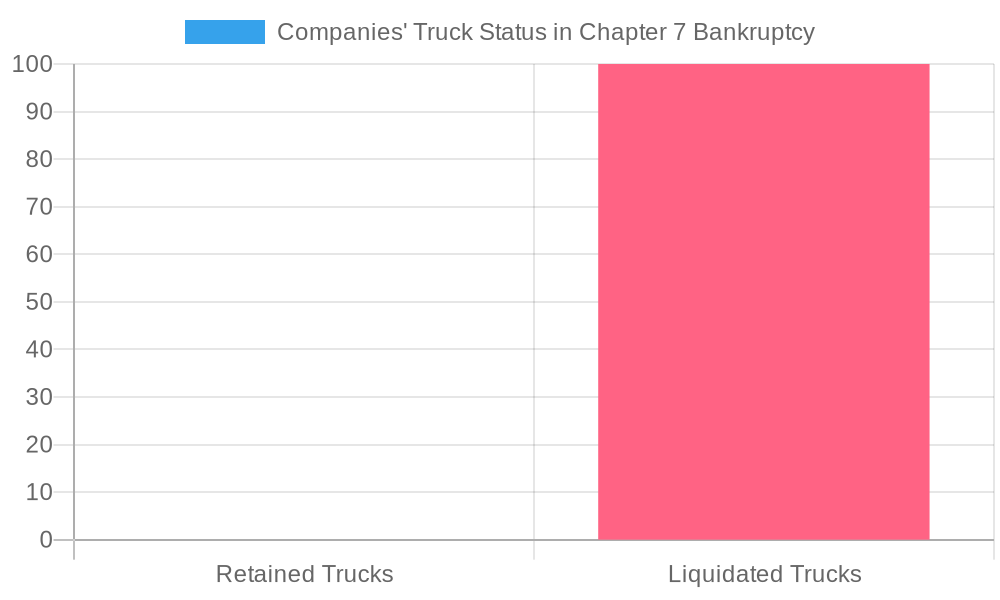
This chart depicts the stark reality faced by companies during Chapter 7 bankruptcy, with 100% of trucks typically being liquidated unless specific exemptions can be successfully claimed.
These real-life case studies provide valuable lessons for trucking company owners and fleet managers navigating the challenges of bankruptcy. Through careful planning and legal strategies, it is possible to retain essential assets and facilitate business continuity even in dire situations.
Retention Statistics for Commercial Truck Owners During Chapter 7 Bankruptcy
During Chapter 7 bankruptcy, the ability of commercial truck owners to retain their vehicles primarily depends on state exemption limits, which can vary significantly across the United States. Below is a doughnut chart that illustrates the situation, demonstrating that the chances of retaining a vehicle hinge on whether the vehicle’s net value falls below the applicable exemption amount.

According to legal resources, specific statistics detailing the exact percentage of truck owners who can retain their vehicles during Chapter 7 bankruptcy are not widely published. Generally, if the market value of the vehicle minus any outstanding loans is lower than the state’s exemption limit, the owner may retain the vehicle. You can find more insights into the implications of vehicle retention in bankruptcy through resources like NerdWallet.
Understanding the complexities of bankruptcy and vehicle retention is crucial for fleet managers and trucking company owners navigating these challenging financial waters.
Conclusion
In conclusion, understanding the nuances of retaining a commercial truck during Chapter 7 bankruptcy is crucial for trucking company owners and fleet managers. Key points discussed emphasize that while it may be possible to keep a truck, several factors must be considered, including local exemption laws and the truck’s equity. Legal advice plays a pivotal role in this process, as it helps navigate the complexities of bankruptcy law and protects essential business assets. A qualified bankruptcy attorney can ensure that you file the correct documentation and advocate on your behalf, potentially allowing you to retain crucial equipment during proceedings.
As we explored, the bankruptcy process often requires the liquidation of assets, including commercial vehicles, unless they qualify for specific exemptions. However, the legal landscape surrounding these exemptions is intricate and often varies by jurisdiction, reinforcing the importance of securing legal counsel. Doing so not only aids in the potential retention of your trucks but also assists in the overall management and restructuring of your business. For those interested in learning more about trucking trends, resources like Current Trends in Used Truck Sales Growth can offer further insights into how the market may affect decisions during bankruptcy scenarios. Recognizing the potential ramifications and the need for professional legal guidance is essential for any business navigating financial difficulties.