For trucking company owners, fleet managers, and procurement teams, understanding insurance for part-time commercial truck work is essential. The demand for flexible insurance solutions has surged, recognizing that not every operation requires full-time coverage. This article explores the key aspects of insuring a commercial truck for part-time work, addressing the types of available insurance options, factors influencing costs, documentation needed, and future trends in the insurance landscape. Each chapter provides insights into how to navigate these considerations effectively, ensuring your business remains compliant and protected without incurring unnecessary expenses.
Flexible Coverage on the Open Road: Mastering Part-Time Insurance for Commercial Trucks

For many operators, a commercial truck is not a full-time commitment but a practical tool tied to seasonal work, weekend deliveries, or a narrow window of business activity. The shift toward part-time trucking has prompted insurers to rethink risk and design products that fit irregular schedules without forcing a full-time usage footprint onto a policy. This chapter explores how to approach insuring a commercial truck when your driving comes in bursts rather than in a steady drumbeat. It focuses on what part-time usage means for coverage, how to align the policy with the actual risk you present, and how to navigate the conversations with providers so that you are protected without paying for coverage you don’t need. Importantly, the conversation begins with a clear picture of how the vehicle is used, because insurers rely on usage to determine risk, premiums, and the very structure of the policy. When you understand that logic, you can translate a business reality—occasional trips, limited mileage, selective cargo—into a policy that matches your needs rather than your calendar alone.
Part-time use is not a loophole; it is a recognition that risk is not constant. A standard commercial auto policy often assumes a degree of continuity: frequent trips, predictable routes, and steady mileage. If your truck sits idle for weeks or months and then suddenly runs a handful of deliveries, that kind of assumption inflates your premium and complicates the claims process. A part-time endorsement or a similar usage-based approach can reduce unnecessary premium while preserving essential protections. The core idea is straightforward: you pay for coverage that corresponds to the moments you actually drive and the risks you actively incur. This mindset aligns with broader shifts in risk management that favor real-world usage data, flexible billing structures, and policy language that can adapt to varying operational tempos. The result is not a sacrifice of protection but a more precise, cost-effective alignment of coverage with your business reality.
To move from concept to coverage, the starting point is disclosure—transparent, thorough reporting of how the truck is used. Insurers want to know how often you drive, the typical routes, the type of freight, and whether the vehicle serves personal purposes in off hours. When you work with a provider on a part-time plan, you may be asked to document usage through logs, trip records, or contractual arrangements with customers. The aim is not to police every mile but to establish a credible baseline that demonstrates limited use. Misrepresentation or omission about the truck’s use can lead to claim denial or policy cancellation, regardless of how well other terms are met. If your schedule fluctuates week to week, you can build a narrative around seasonal peaks and quieter periods, which helps the insurer tailor a pricing model that reflects the true level of exposure during any given term.
One practical truth is that weight class and usage alignment matter. A truck’s gross vehicle weight rating (GVWR) and the nature of its cargo can influence which policy terms apply. Some plans set caps or constraints based on GVWR, the kinds of loads carried, or whether the vehicle operates as a dedicated business asset versus a sporadic work vehicle. For part-time operators, this often translates into a need to verify that the vehicle remains properly classified and that the policy’s coverage scope fits the actual operations. In practice, this means clarifying whether the truck is used for a narrow set of tasks—like local deliveries, farm work, or occasional transport of nonhazardous goods—and ensuring that the policy does not assume a busier schedule than you actually maintain. A misfit here can create gaps in liability protection or, in a worst case, policy exclusion when the truck is used in a way not contemplated by the terms. It also underscores the importance of engaging a broker or insurer who specializes in commercial auto risk and can translate a fluid work pattern into a precise classification.
The conversation with insurers often reveals a spectrum of viable structures. There are standalone part-time or occasional-use endorsements, pay-per-mile arrangements, and hybrid policies that blend commercial liability with more flexible usage provisions. Some operators discover that a traditional policy can be adjusted by adding a limited-use clause or a mileage cap, effectively turning a full-time plan into a model that tolerates irregular schedules. Other drivers explore a switch to a more personal-vehicle-oriented approach when the truck’s commercial use is minimal and primarily for private tasks. The key is to approach these discussions with a clear sense of how the vehicle is used, what kind of trips you take, and the typical frequency of those trips. A capable insurer will translate those details into a policy that covers legal obligations—bodily injury and property damage liability, medical payments, and the broad spectrum of physical damage and cargo protections—without charging for the coverage you do not need. The process often requires a broker who can navigate endorsements, deductibles, liability limits, and exclusions with insight into the nuances of commercial auto risk.
A crucial dimension of part-time coverage is the availability of endorsements and usage-based pricing. A common feature in flexible policies is a limited-use clause that restricts annual mileage to a ceiling and curbs the types of jobs the truck can perform. Some carriers offer per-mile pricing or usage-based premiums, which can be a cleaner fit for low-frequency operations. The purpose of such features is to decouple cost from a presumed constant risk and instead tie it to actual activity. If you work seasonally, those options can yield meaningful savings during off-peak periods while still delivering the protection you need for the days you are on the road. When considering these features, it is important to assess not only the premium but also how the coverage responds in real-world scenarios: what happens if you exceed a mileage cap, or if a new type of cargo enters your workflow? Clear language and reasonable exceptions are essential for avoiding unexpected gaps at the moment you need coverage most.
Beyond these options, the policy’s structure should address the core lines of protection that matter for any trucking operation, large or small. Liability coverage remains a non-negotiable foundation, protecting you if your vehicle injures someone or damages another person’s property in the course of a job. Physical damage coverage—comprehensive and collision—provides a shield for the truck itself against accidents and other damage, while cargo coverage protects the goods you transport from loss or damage. Medical payments or PIP may be included to address medical expenses for the operator and passengers in the event of an incident. In a part-time scenario, you may find that some of these coverages can be scaled or scoped more precisely, but it is crucial to avoid gaps in protection that could complicate recovery after a claim. A thoughtful approach balances sufficient protection with a realistic view of the frequency and severity of risks you actually face. It also emphasizes the need for documentation: for example, keeping trip logs, maintenance records, and incident reports can support your usage profile and help validate claims when a policy is scrutinized after a loss.
Compliance is the quiet backbone of sound coverage. When a vehicle is registered as a commercial asset, many jurisdictions expect the owner to maintain appropriate insurance that aligns with the vehicle’s use. If the truck begins to serve personal tasks or vice versa, you may encounter regulatory friction unless the change is properly documented and reflected in the policy and registration status. Working with a broker who understands commercial auto rules and state requirements reduces the risk of inadvertent violations that could compromise coverage or licensing. It also helps ensure that endorsements and deductibles are set within a framework that is legally sound and financially sensible for your business. This practical dimension often matters more than the elegance of a policy brochure; it keeps you protected and compliant as your work patterns evolve.
Transparency remains the most reliable currency in these conversations. Disclosing how, when, and why you use the truck is not merely a formality. It is the safeguard that prevents disputes during the claims process. If your operation shifts—perhaps you gain a seasonal contract or you pause for an extended period—revisiting the policy with your insurer ensures that the coverage continues to fit. A good insurer will welcome updates and adjustments rather than view them as grounds for denial. In turn, you gain the confidence that a part-time arrangement will not devolve into a coverage complication precisely when you need protection the most.
For readers seeking more formal guidance on the regulatory and consumer-protection landscape surrounding part-time commercial truck insurance, official guidelines from the National Association of Insurance Commissioners provide accessible reference points. These resources clarify how coverage is evaluated, what documentation is typically required, and how consumers can compare policies across providers. Engaging with these guidelines as you shop can sharpen your questions and ensure you are comparing apples to apples rather than chasing marketing phrases. In practice, this means verifying the policy’s stated terms against the regulatory framework, confirming that the operating status reported to the insurer matches the vehicle’s registration, and asking for written explanations whenever a term feels ambiguous. The goal is not to secure the lowest price but to secure reliable protection that adjusts to your actual business rhythm.
In sum, insuring a commercial truck for part-time work is increasingly feasible and sensible when your approach is grounded in accuracy, flexibility, and clear expectations. By focusing on usage-based concepts, aligning coverage with the truck’s weight class and cargo profile, and maintaining open channels with a knowledgeable broker, you can craft a policy that provides robust protection without overpaying for idle capacity. The landscape has moved toward more adaptable products that acknowledge irregular schedules and provide practical ways to manage risk. As you navigate the options, remember that the strongest protections flow from honest disclosure, thoughtful policy design, and ongoing review as your business tempo shifts. For many operators, this is the sweet spot where protection, practicality, and cost balance in a way that keeps the wheels turning when work returns and the open road calls again.
External reference: For official guidance and regulatory context, see the National Association of Insurance Commissioners at https://www.naic.org
Flexible Shields for Irregular Routes: Insurance Options for Part-Time Commercial Truck Drivers
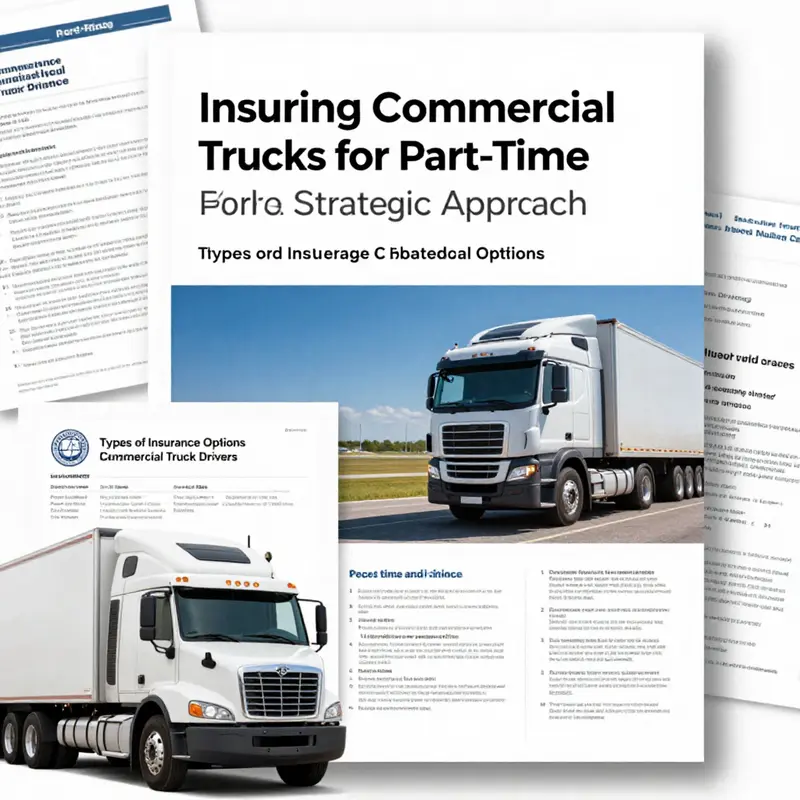
Part-time truck driving is now a practical path for many operators who balance multiple gigs. Flexible, usage-based insurance options price coverage by activity rather than a fixed annual rate, which helps drivers who work only on certain days or seasonally. Core protections remain essential: commercial auto liability, collision and comprehensive coverage, and cargo protection. For those who don’t own the vehicle they drive, non-owner auto insurance provides liability protection, while hired and non-owned auto liability fills gaps when you operate a rented or borrowed vehicle. General liability and workers’ compensation may apply in appropriate contexts, with umbrella protection as a safety net.
Pricing has shifted toward use-based models. Day-by-day or trip-based coverage activates when you’re actively transporting freight and scales back during idle periods. That means you don’t pay for coverage you’re not using while staying protected when wheels are turning.
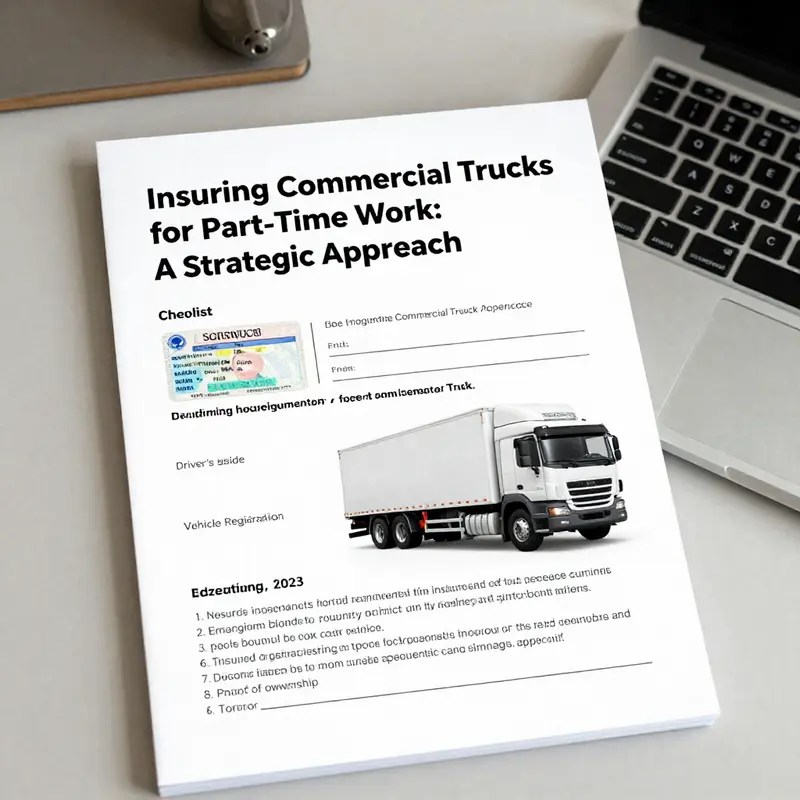
Documentation and planning: you typically need a valid driver’s license, vehicle registration, and proof of ownership or lease. Be explicit about who owns the vehicle and your usage patterns when talking to a broker, especially if you use borrowed or rented equipment. When personal and commercial use mix, non-owner coverage and HNOA coverage become important components of the policy.
Choosing a policy is about balance: start with core auto and cargo protections, and layer on general liability, workers’ comp if applicable, and umbrella coverage as your operation grows. Work with a broker who understands trucking to explore flexible premiums and use-based pricing, possibly day-by-day or trip-specific options.
Regulatory context: maintain minimum coverage and safety obligations. Use official guidance from the transportation administration as a reference point to stay compliant while pursuing flexible protection. For broader context, you can review industry insights on market dynamics and economic uncertainties in Canadian and U.S. trucking markets. Primary sources provide guidance, including official regulatory sites.
Part-Time, Fully Protected: Navigating the Costs and Coverage of Insurance for Intermittent Commercial Trucking
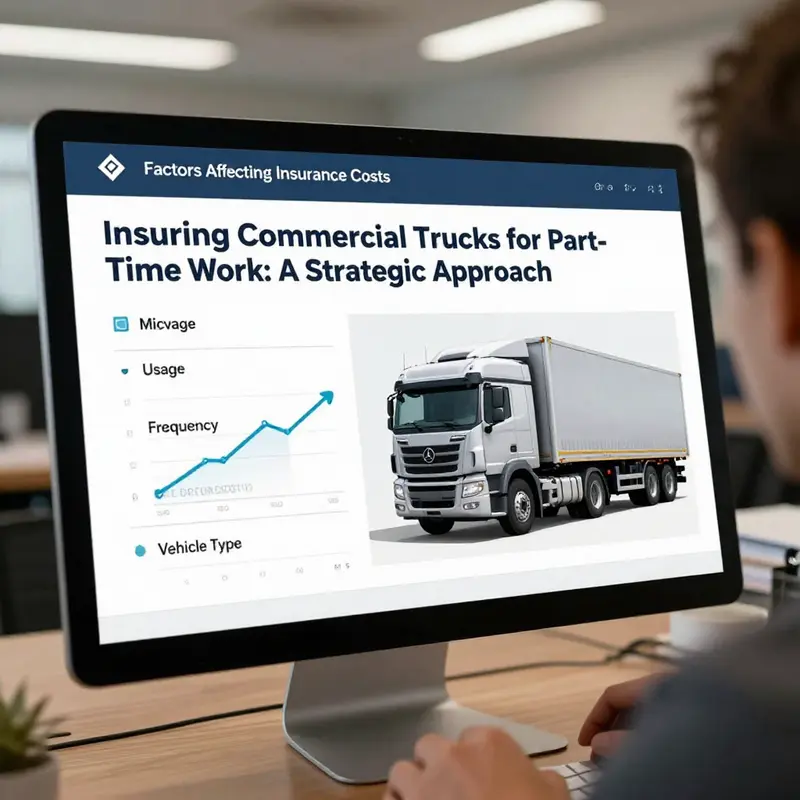
Part-time work in trucking is increasingly common, a practical response to shifting freight patterns, seasonal demands, or the realities of running a small operation alongside other work. Yet the question around insurance often lingers: can you truly insure a commercial truck for part time use without paying a fortune or sacrificing protection? The answer is yes, and the best path forward is to understand how insurers price part time coverage and how to tailor a policy to actual usage. The landscape has evolved to acknowledge irregular schedules and variable miles, offering flexible options that align premium with risk exposure rather than a blanket full-time assumption. This shift reflects a broader understanding that risk is not merely a factor of engine hours but of how, where, and how often a vehicle is used, what it carries, and who is behind the wheel. A thoughtful approach begins with recognizing the core factors that influence cost and translating those insights into a policy design that matches part-time operations.
Foremost among the cost drivers is the driver’s experience and driving record. Insurance providers typically reward drivers who bring a long, clean safety history to the table. Experience signals a track record of navigating challenging road conditions, managing fatigue, and maintaining vigilance in traffic, all of which statistically reduce the likelihood of claims. A clean record becomes especially valuable for part-time operators because the exposure period is often condensed into shorter bursts of activity rather than a continuous, year-round schedule. Conversely, a history peppered with violations, incidents, or frequent claims tends to raise the premium, even if driving is only occasional. In part-time contexts, where each mile might be a higher percentage of annual exposure, these distinctions can meaningfully tilt the economic balance of a policy.
The type and value of cargo carried also shape cost, sometimes more than the trip frequency itself. High-value goods, electronics, or sensitive materials call for higher liability thresholds and sometimes specialized coverage. The risk calculus grows when hazardous materials, flammable liquids, or other regulated cargo are involved, because the consequences of an accident extend beyond vehicle repair to potential impacts on people and the environment. For part-time operators, this means that simply running fewer miles does not automatically equal lower risk if the cargo carries elevated liability or investigative costs. Insurers therefore assess the cargo profile as part of the overall risk picture, and those with more demanding load profiles should expect premiums that reflect the heightened exposure.
Frequency and distance of trips are the second set of levers in cost. Intuitively, more trips and longer journeys increase the chance that something goes wrong, and insurers price accordingly. For part-time drivers, this is not a straight arithmetic equation but a usage-driven consideration. Some forms of part-time insurance are designed to align premium with actual use—charging based on miles driven within a policy term, days the vehicle is operational, or other measurable usage metrics. When a vehicle remains idle for long stretches, the risk footprint shrinks, and the premium can reflect that reduced exposure. The key is having a policy structure that credibly tracks use, whether through simple calendars, odometer readings, or more advanced telematics. The result is a more economical option for drivers who don’t log a full-time schedule yet still require reliable protection.
The age and condition of the truck are another pivotal determinant. Newer vehicles with up-to-date safety systems, such as anti-lock braking, stability control, and advanced braking technologies, tend to qualify for favorable terms because modern equipment lowers the probability and severity of crashes. Older trucks, particularly those lacking recent safety enhancements or with higher maintenance needs, are often deemed higher risk. For part-time operators, this means a careful balance: if someone operates an older, well-maintained truck with good reliability, the premium may stay reasonable; if the truck exhibits inconsistencies or escalating repair costs, the cost of insurance can rise more quickly than the miles driven. In practice, it is not uncommon for part-time fleets to invest in targeted safety upgrades to improve both risk profile and premiums, a strategic move when every dollar of insurance matters.
Geography matters as well. The region or operating area influences pricing through factors such as traffic density, weather patterns, theft rates, and regional claims history. A truck that operates in congested urban corridors or along routes with higher accident or theft risk will generally face higher premiums than one that runs shorter, lower-risk trips in rural areas or within defined local markets. Even within the same region, varying routes and a truck’s exposure to different terrain can shift risk in meaningful ways. For part-time use, geography can be a compelling argument for a policy that focuses on actual routes and time windows rather than a blanket coverage model.
The level of coverage, including policy limits and the range of protections chosen, directly shapes cost. Insurance for commercial trucking typically covers liability, collision, comprehensive, and optional protections such as uninsured or underinsured motorist coverage or medical payments. Higher liability limits, broader physical damage protection, and more extensive add-ons increase premium; conversely, choosing modest limits and essential protections can make part-time coverage far more affordable. The art of tailoring is not about cutting corners but about aligning protection with realistic risk and potential consequences. For a part-time operator, a lean core of essential protections often paired with careful risk management can deliver the right balance of security and affordability.
Business structure and vehicle usage further color the pricing. A sole proprietor may face different pricing dynamics than a formal company with multiple drivers, especially when insurers assess the overall risk profile, including governance, maintenance protocols, and claims history. The way the vehicle is used, whether for occasional local deliveries, irregular long-haul tasks, or seasonal work, also enters the equation. Part-time use may allow for more flexible premium structures, such as day-by-day or mileage-based pricing, which can align charges with actual risk exposure. When a driver carries evidence of a well-organized operation—clear maintenance logs, defined routes, predictable schedules—these factors can counterbalance some risk factors and favor more favorable rates.
Beyond the numbers, there is a strategic dimension to purchasing insurance for part-time trucking. The modern market recognizes the value of alignment between coverage and use. Instead of forcing a driver into a one-size-fits-all policy, many insurers now offer flexible constructs that scale with activity. A driver who primarily works weekends or seasonal peaks can lock in protection during those windows while avoiding costly coverage during quiet periods. This approach demands careful documentation, precise declaration of usage, and ongoing communication with the insurer to ensure the policy tracks reality. For operators who juggle multiple gigs or seasonal freight connections, the ability to adjust coverage in step with activity is not merely convenient; it is essential to sustaining a viable business model.
The literature on trucking economics also highlights the broader market forces at play. While part-time drivers may face higher per-mile costs in some contexts, the total annual cost of insurance can still be manageable if premium structures are accurately matched to use. The prudent path is to invest in a policy that is transparent about its pricing logic, provides predictable renewal terms, and offers room for adjustments as routes, cargo, or schedules shift. For those who navigate uncertain demand or fluctuating volumes, a flexible policy reduces the risk of overpaying during slow periods and underinsuring during peak bursts. This balance is not abstract; it translates directly into cash flow, competitiveness, and the ability to seize opportunities as they arise.
null
null
null
null
Final thoughts
Insuring commercial trucks for part-time work presents unique challenges and opportunities. The evolving landscape of insurance products now caters specifically to the needs of part-time drivers, providing them with tailored options that enhance flexibility and minimize costs. By understanding the types of insurance available, the factors that influence pricing, and the necessary documentation, businesses can make informed decisions regarding their insurance strategies. As the market continues to adapt, staying abreast of future trends will be key to maximizing value and maintaining compliance in a competitive environment.