
In the realm of commercial trucking, understanding fuel capacity is crucial not just for individual drivers but for the entire fleet management process. Knowing how many gallons a commercial truck can hold directly impacts operational efficiency, route planning, and overall logistics cost management. Fuel capacity can influence decisions on whether to invest in larger trucks for heavy loads or optimize routes to reduce fuel consumption. For trucking company owners and fleet managers, this knowledge translates to better budgeting, enhanced performance metrics, and improved response times to market demands. As fuel prices fluctuate and operational expenses grow, effective management of these resources becomes not only beneficial but imperative to sustain competitive advantages. Moreover, comprehending the implications of fuel capacity helps in aligning with regulatory standards and environmental concerns, making it a critical element in today’s trucking industry landscape. For more on emerging trends affecting your decisions, explore current trends in used truck sales or navigate economic uncertainties in trucking.
Average Fuel Capacity of Commercial Trucks
When it comes to commercial trucks, fuel capacity plays a crucial role in operational efficiency and logistics planning. The average fuel capacities can differ widely depending on the type of truck, with specific capacities for light-duty, medium-duty, and heavy-duty models.
Heavy-Duty Trucks
Heavy-duty trucks, which are primarily used for long-haul transportation and heavy loads, typically feature substantial fuel tanks. These trucks usually have fuel capacities ranging from 100 to 300 gallons. For example:
- Freightliner Cascadia: Offers a tank size of 120 to 150 gallons.
- Kenworth W990: Can hold up to 150 gallons.
- Volvo VNL Series: Features fuel tanks up to 300 gallons.
Having such large capacities allows heavy-duty trucks to cover long distances without frequent stops for refueling, which is crucial for maintaining efficiency in logistics operations.
Medium-Duty Trucks
Medium-duty trucks, often utilized for local deliveries and lighter freight, have smaller fuel tanks compared to their heavy-duty counterparts. The fuel capacity generally ranges from 40 to 80 gallons. Examples include:
- Ford F-650: Typically equipped with a fuel tank of 50 gallons.
- Hino 268: Offers a 60-gallon capacity.
- Isuzu NPR: Comes standard with a 40-gallon tank.
General Insights
- Light-duty trucks usually range from 20 to 30 gallons, making them less suited for long hauls but perfect for quick deliveries in urban settings.
By understanding these average fuel capacities, trucking company owners and fleet managers can make informed decisions about their operational strategies and fuel management, optimizing both costs and routes. For further insights, you can learn more about the impact of tariffs on heavy trucks.
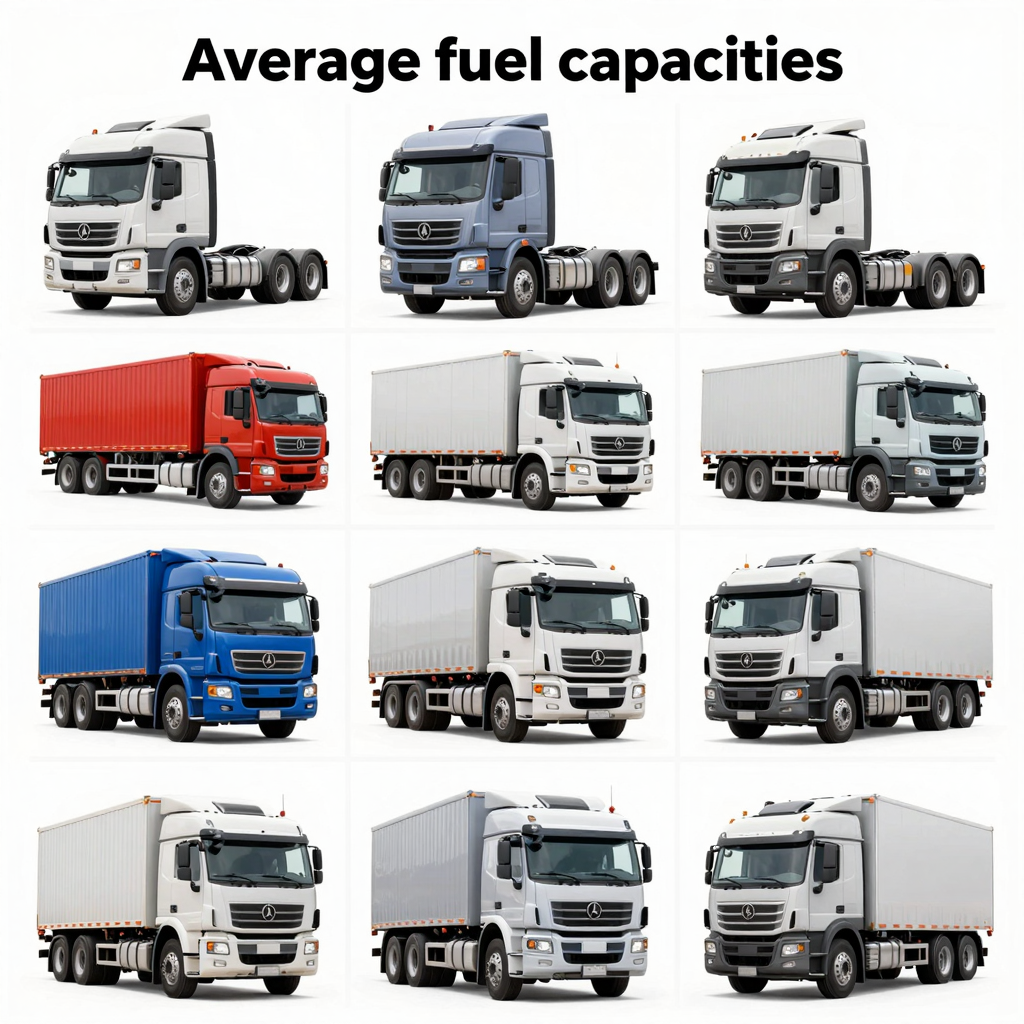
| Truck Model | Fuel Capacity (Gallons) | Notes | Source |
|---|---|---|---|
| Freightliner 114SD Natural Gas | Up to 250 gallons (natural gas) | Natural gas capacity varies by configuration; standard maximum GVWR is 62,000 lbs. | Campbell Supply |
| Ford F-750 (Diesel) | Approximately 120-180 gallons | Diesel fuel capacity depends on configuration; typically ranges from 120 to 180 gallons with dual tanks. | Ford Commercial Vehicles |
| Kenworth T680 (Diesel) | Approximately 150-300 gallons | Standard diesel capacity is around 150-200 gallons; extended-range configurations can reach up to 300 gallons. | Kenworth Official Site |
Note: Fuel capacity may vary based on body style, axle configuration, and optional equipment.
Factors Affecting Fuel Capacity of Commercial Trucks
Fuel capacity in commercial trucks is influenced by a variety of factors that can significantly affect the overall operational efficiency, cost-effectiveness, and performance of trucking operations. Understanding these factors is crucial for procurement teams in making informed decisions.
1. Truck Design
The design of a truck plays a pivotal role in its fuel capacity. Trucks are engineered with specific configurations of fuel tanks, which can vary based on make and model. For instance, most semi-trucks carry between 200 and 300 gallons of diesel, and alterations in wheelbase and chassis design may also dictate the possible tank sizes. This consideration is especially important for logistics involving long-haul transportation where extended range capabilities are necessary (source).
2. Payload Considerations
Another significant factor is the payload that the truck will manage. Heavier loads may necessitate designs that reduce fuel tank capacity to accommodate for weight distribution and safety regulations. This balance affects how far a truck can travel before needing to refuel, making it essential for fleet managers to consider payload in relation to fuel efficiency (source).
3. Manufacturer Specifications
Lastly, truck manufacturers set specifications that can limit or enhance fuel capacity. Features like aerodynamic designs, engine efficiency, and advance materials can affect both the size and efficiency of fuel tanks. Opting for vehicles that meet stringent manufacturing standards is advisable for companies focused on sustainability and fuel savings.
In conclusion, understanding and evaluating these factors not only aids in selecting the right truck but also enhances the overall operational strategy, ensuring that procurement objectives align with practical and economic goals in the trucking industry.
Top Truck Brands Known for High Fuel Capacity
Fuel capacity is a crucial consideration for fleet owners, particularly for long-haul trucking operations. Here’s an ordered list of top truck brands that excel in fuel capacity, along with their specifications and advantages for fleet owners.
- Peterbilt 389
- Fuel Capacity: 1,250 gallons (two 567L tanks)
- Engine Type: Cummins ISX15 (368 kW), PACCAR MX-13 (optional)
- Fuel Efficiency: ~35 L/100km (combined)
- Advantages: Exceptional fuel economy due to aerodynamic design, large-capacity fuel tanks allow long-range operations with fewer refuels, high reliability, strong aftermarket support.
- Kenworth T680
- Fuel Capacity: ~1,000-1,200 gallons (dual tanks)
- Engine Type: Cummins X15, Cummins X12 (optional)
- Fuel Efficiency: ~36-38 L/100km
- Advantages: Industry-leading aerodynamics, strong engine options, excellent driver comfort, and visibility.
- Freightliner Cascadia
- Fuel Capacity: 1,000-1,200 gallons (standard), up to 1,400 gallons (optional)
- Engine Type: Cummins X15, Detroit DT12
- Fuel Efficiency: ~37-39 L/100km
- Advantages: Advanced safety features, wide range of powertrain options, strong dealer network.
- Volvo VNL
- Fuel Capacity: 1,000-1,200 gallons (standard), up to 1,400 gallons (optional)
- Engine Type: D13, D16, D12 (CNG available)
- Fuel Efficiency: ~35-37 L/100km
- Advantages: Superior fuel efficiency, advanced driver assistance systems, eco-friendly options including CNG.
- Mack Anthem
- Fuel Capacity: 1,000-1,200 gallons (standard), up to 1,400 gallons (optional)
- Engine Type: Mack MP7, Mack MP8 (CNG option)
- Fuel Efficiency: ~38-40 L/100km
- Advantages: Rugged build quality, excellent torque for heavy loads, available in alternative fuel versions.
Conclusion
Choosing a truck with a high fuel capacity can significantly benefit fleet owners by reducing the frequency of refueling stops and enhancing overall efficiency. For more insights on trending used truck sales and their impact on the market, visit our blog. Additionally, exploring the effects of tariffs on truck pricing can provide further context for your purchasing decisions.
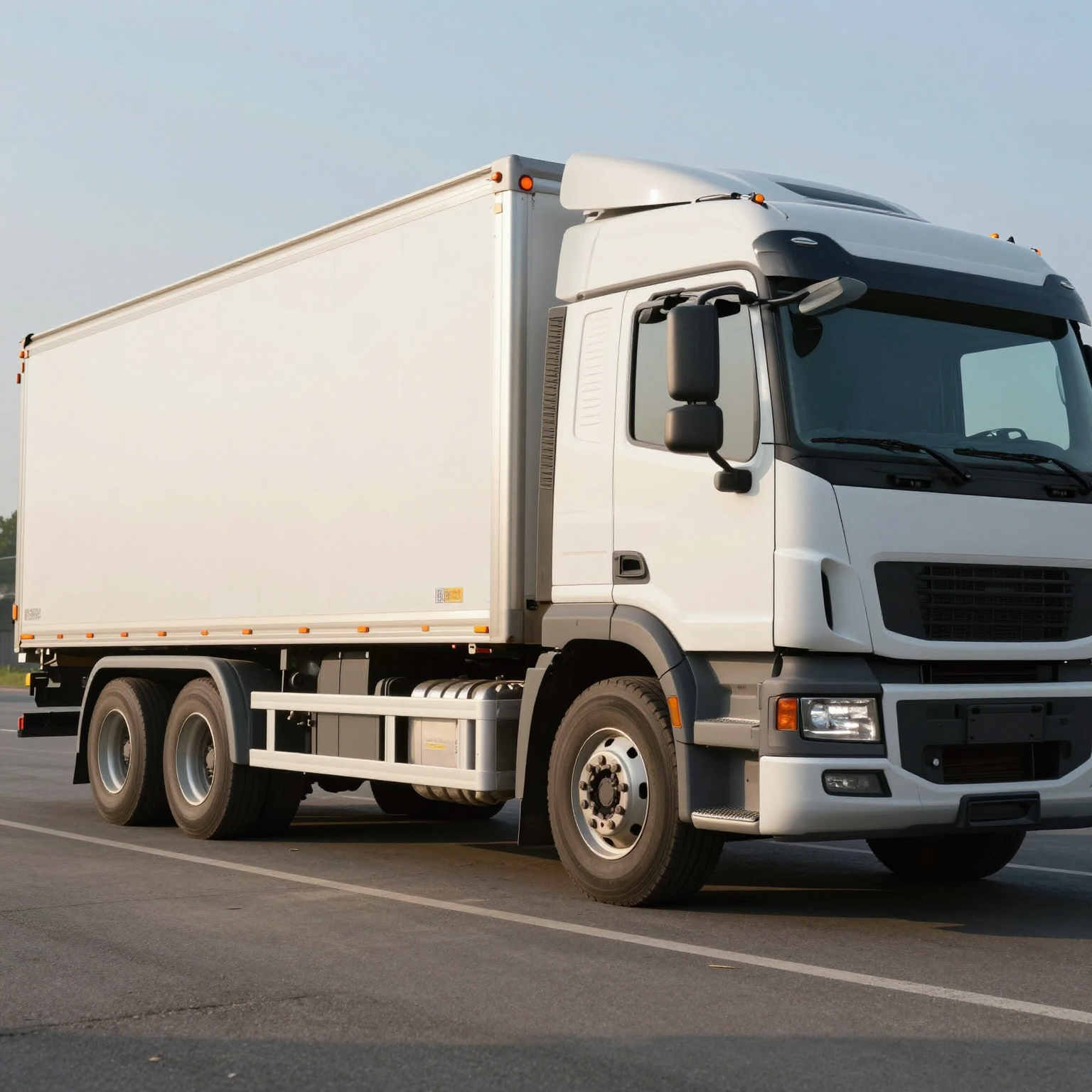
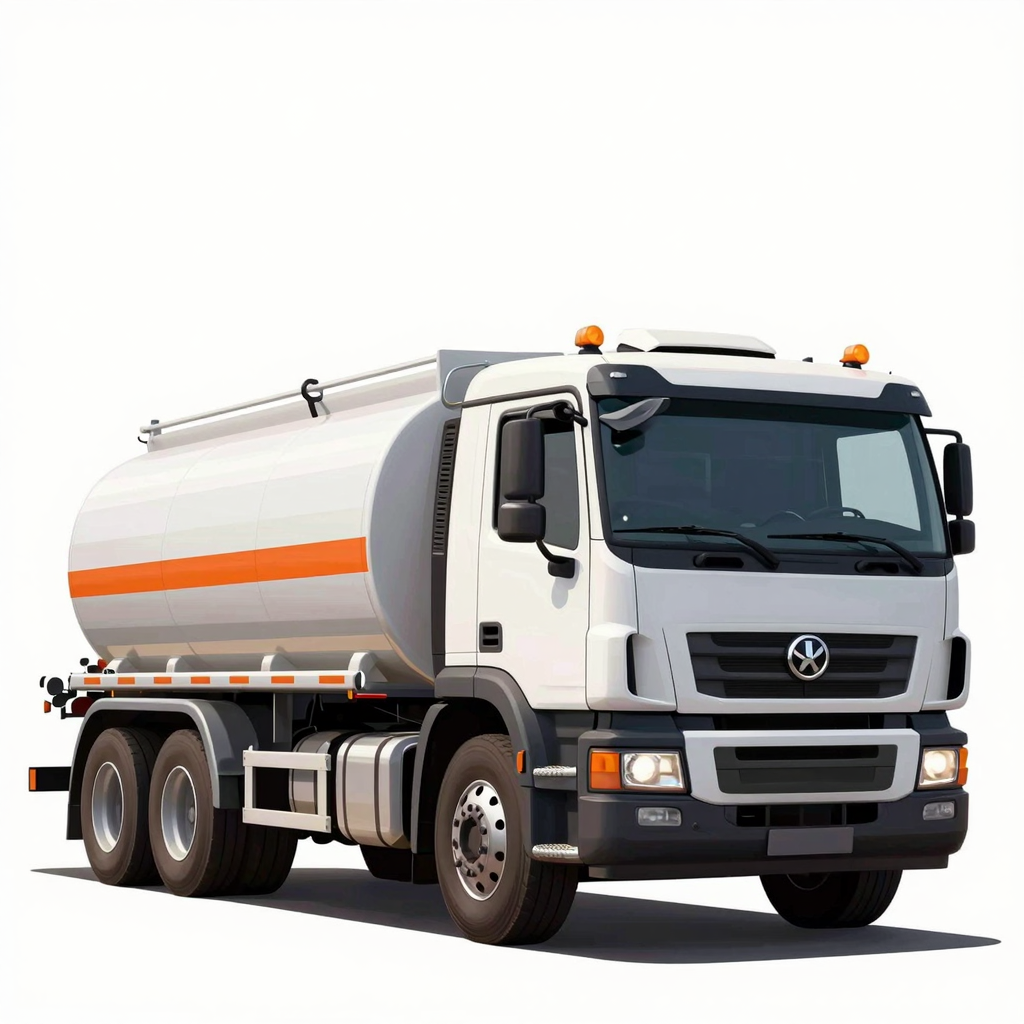
Here are three visuals of different types of commercial trucks to support the article on how many gallons they can hold:

Importance of Truck Fuel Capacity: User Experiences and Insights
Selecting trucks with optimal fuel capacity is crucial for enhancing operational efficiency and achieving significant cost savings in the trucking industry. User experiences demonstrate that a well-chosen fuel capacity can lead to improved logistics effectiveness and reduced downtime for refueling.
Fuel Capacity and Efficiency
Most semi-trucks come equipped with dual fuel tanks, each typically holding between 125 to 150 gallons, allowing a combined total capacity of approximately 250 to 300 gallons. This extensive capacity is designed to support long-haul operations, which is essential for minimizing refueling stops. Companies operating with larger fuel tanks report fewer interruptions, enabling more efficient routing and time management during deliveries. Learn more about optimizing load capacity.
Impact on Cost Savings
User testimonies indicate that optimizing fuel capacities leads to enhanced cost efficiencies through bulk fuel purchases. With larger tanks, companies can fill up in bulk, capitalizing on lower fuel prices, and reducing the frequency of stops to refuel. As noted in an article by UD Trucks, fuel accounts for a significant portion of trucking expenses, often cited at about one-third of total operating costs. Therefore, being able to manage fuel capacity effectively is directly linked to reducing overall costs, allowing firms to reap substantial savings.
Moreover, a strategic focus on maximizing load capacities enables trucks to operate near legal weight limits, which not only efficiency but also encourages fewer trips. For instance, a fleet capable of completing its deliveries in three trips rather than four can experience a considerable reduction in transportation costs per unit, resulting in improved profit margins.
Long-Term Benefits and Sustainability
Enhancing fuel efficiency through optimal fuel capacity also contributes to sustainability initiatives. Higher efficiency not only reduces greenhouse gas emissions but also prolongs vehicle lifespan and lowers maintenance costs. Companies investing in strategies that allow for greater fuel efficiency are likely to see long-term financial benefits, as evidenced by vehicles that are designed to reach high mileage without major repairs, thus minimizing lifecycle costs. Moreover, commercial vehicles equipped with advanced technologies aimed at enhancing fuel consumption can produce significant savings, with reports indicating potential savings exceeding $10,000 annually per truck over time, as discussed in TWG Truck Insurance.
Conclusion
In conclusion, the relationship between truck fuel capacity, operational efficiency, and cost savings is evident through various case studies and user experiences in the trucking industry. Companies that prioritize optimizing their fuel capacity are likely to enhance their overall operational efficacy and achieve substantial savings, ultimately leading to improved sustainability practices and profitability.
Industry Expert Insight on Fuel Capacity
“Effective fuel capacity is crucial for maximizing operational efficiency in trucking. Larger tanks help minimize downtime spent refueling, allowing trucks to stay on the road longer and deliver consistently.”
Why Fuel Capacity Matters
- Operational Efficiency: A suitable fuel capacity reduces the number of stops for refueling, enhancing the overall productivity of the fleet.
- Cost-effectiveness: Larger fuel tanks can potentially lower fuel costs by allowing trucks to buy fuel at more favorable rates instead of during peak times.
- Extended Range: Adequate fuel capacity extends the operational range of trucks, making it easier to meet delivery deadlines without the need for frequent stops.
For more insights into the impact of fuel capacity on trucking operations, you can learn more about current trends in used truck sales growth and explore the effects of tariffs on truck sales.
Conclusion and Call to Action
In conclusion, understanding the fuel capacity of commercial trucks is essential for optimizing operational efficiency within the industry. On average, larger trucks can hold between 50 and 300 gallons of fuel, significantly influencing both fuel management and overall costs for trucking companies. This knowledge is pivotal for fleet managers and procurement teams, as it enables better planning for routes, fuel purchases, and maintenance schedules.
Moreover, investing in enhancements such as custom-fit fairings can have a profound impact on fuel efficiency. Reports indicate that retrofitting trucks with these aerodynamic features can lead to a remarkable 12% improvement in fuel consumption, translating to substantial cost savings over time. Fairings not only reduce drag but also contribute to the longevity and durability of your fleet, making them a wise investment for any trucking operation.
At Summit Fairings, we specialize in high-quality custom-fit fairings designed to meet the unique needs of your fleet. If you’re looking to enhance performance while optimizing costs, consider leveraging our expertise in creating solutions tailored specifically for your trucks. Learn more about our offerings here and see how we can help drive your business forward!
Fuel Consumption vs. Capacity Chart for Trucks
Understanding the relationship between fuel consumption and fuel capacity across different truck types is essential for fleet operations. Below is a detailed chart illustrating this comparison:
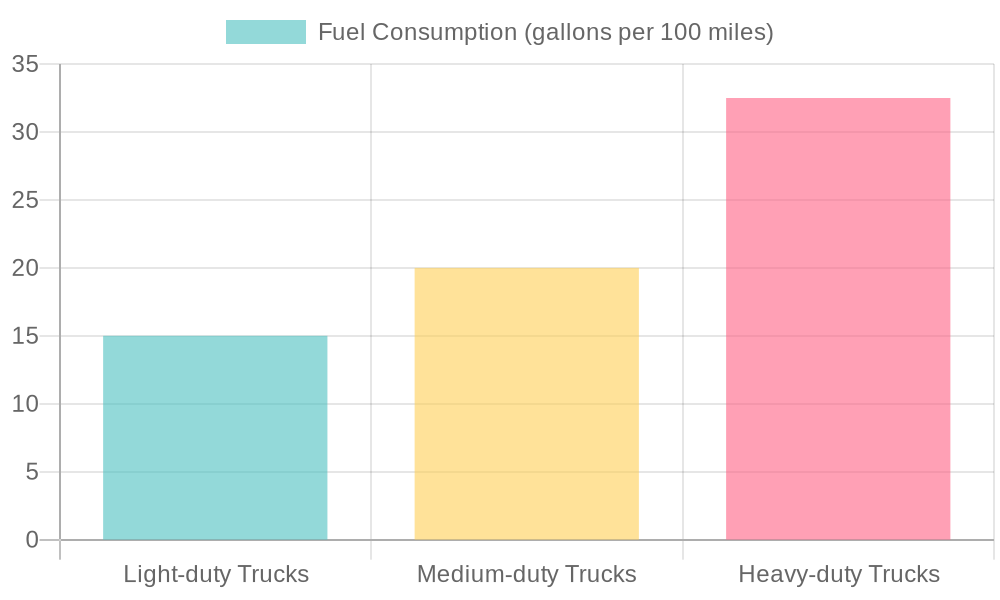
| Truck Type | Fuel Consumption (gallons per 100 miles) | Fuel Capacity (gallons) | Operational Implications |
|---|---|---|---|
| Light-duty Trucks | 12 – 18 | 20 – 30 | Lower fuel consumption; moderate fuel capacity; ideal for urban and short-haul operations. |
| Medium-duty Trucks | 16 – 24 | 30 – 50 | Moderate fuel consumption; increased capacity; suitable for regional distribution and delivery. |
| Heavy-duty Trucks | 25 – 40+ | 50 – 120+ | High fuel consumption; large fuel capacity; essential for long-haul freight and heavy payloads. |
Sources:
- U.S. Department of Energy – Fuel Economy Guide
- Environmental Protection Agency (EPA) – Commercial Vehicle Fuel Consumption Data
- National Renewable Energy Laboratory (NREL) – Heavy-Duty Truck Efficiency Studies
(This chart and table provide insight that can help trucking company owners, fleet managers, and procurement teams make informed decisions about their vehicle choices.)