In the complex landscape of commercial trucking, ensuring compliance with insurance regulations is not just a best practice; it is a critical necessity. The repercussions of failing to verify whether a commercial truck driver holds adequate insurance can be profound, ranging from substantial financial liabilities to significant legal ramifications. A trucking company that neglects this essential vetting process risks exposing itself to accidents and damages caused by uninsured operators. Moreover, the safety and reliability of freight transportation heavily depends on each driver’s insurance coverage, ultimately affecting the entire supply chain. On the other hand, verifying a driver’s insurance not only safeguards your business but also enhances its credibility and trustworthiness within the industry. It demonstrates a commitment to operational excellence and regulatory compliance, instilling confidence among clients and partners. To explore further into the nuances of truck sales and market trends, consider current trends in used truck sales growth and the impact of tariffs on truck pricing. By prioritizing insurance verification, trucking companies can fortify their risk management strategies and ensure that they are operating within legal frameworks designed to protect the interests of all stakeholders involved.
Key Reasons to Verify Commercial Truck Driver Insurance
Verifying commercial truck driver insurance is critical for trucking company owners, procurement teams, and logistics firms alike. Here are some essential reasons to ensure comprehensive coverage:
-
Protection Against Liability: Maintaining proper insurance ensures that in the event of an accident, your company will be protected against potential liabilities, safeguarding your assets and finances.
-
Legal Compliance: Many jurisdictions require certain minimum levels of insurance for commercial vehicles. Verifying that your drivers have the correct coverage prevents costly legal penalties and keeps your operations compliant.
-
Risk Management: Regularly checking insurance can help identify gaps in coverage that may leave your business vulnerable. Understanding your risk exposure allows you to make informed decisions about your insurance needs.
-
Financial Security: In the event of an unforeseen incident, knowing that your drivers are covered can alleviate the financial burden of medical expenses, vehicle repairs, and potential lawsuits, thus maintaining your company’s financial health.
-
Peace of Mind: Ensuring that all drivers have verified insurance brings peace of mind to trucking business owners, knowing they are operating within legal standards and protecting their investments.
Trucking companies should prioritize regular checks on their drivers’ insurance for continuous operational efficiency. For more insights, learn more about the impact of trucking insurance and its significance in minimizing risks.
How to Verify a Commercial Truck Driver’s Insurance
Verifying a commercial truck driver’s insurance is a critical step for trucking company owners, fleet managers, and procurement teams in ensuring that drivers are compliant with legal requirements and adequately covered in case of accidents. Here is a step-by-step guide on how to effectively contact the insurance company for verification.
Step-by-Step Process
- Gather Information:
Before contacting the insurance company, gather essential information about the truck and driver. This includes:
- Driver’s full name
- Truck identification number (VIN)
- Insurance policy number (if available)
- The name of the insurance company
-
Find Contact Details:
Locate the contact information for the insurance company, which is typically available on the insurance certificate provided by the driver. If the information is not easily accessible, it can often be found on the insurance company’s official website. -
Prepare Your Questions:
Before making the call, outline any specific questions you intend to ask. Some important questions may include:
- What coverage options do you offer for commercial truck insurance?
This helps you understand what protections are available under the policy. - How do you determine premium rates for commercial truck insurance?
Knowing this can help you assess the costs involved. - Are there discounts for safe driving or bundled policies?
Inquiring about discounts can help save money. - What is the claims process like, and how quickly can I expect to be reimbursed?
Understanding this is crucial for timely assistance following an incident. - Do you provide roadside assistance as part of the policy?
An important consideration for commercial drivers.
-
Make the Call:
With all the gathered information and prepared questions, contact the insurance company directly. Ensure that you have the driver’s information and additional documentation readily available to aid in the verification process. -
Follow Up:
If necessary, follow up with the insurance company for any additional information required or any documentation you may need to complete the verification process. -
Document Everything:
Keep a detailed record of all communication related to the insurance verification process, including names, dates, and any information provided by the insurance company. This documentation may be useful for future reference or in case of disputes.
Conclusion
Verifying a commercial truck driver’s insurance is not only a legal necessity but also a prudent step in risk management for truck operators. For more insights on commercial insurance standards, learn more about current trends in used truck sales and insurance impacts on trucking operations.
By following these steps and asking the right questions, you can ensure that your truck drivers are covered and compliant, thus enhancing your overall operational safety.
Comparison of Truck Insurance Coverage Options
| Coverage Type | Typical Premium Costs | Coverage Limits | Exclusions |
|---|---|---|---|
| Liability Insurance | $5,000 – $10,000/year | $1 million to $5 million | Intentional damage, uninsured events |
| Cargo Insurance | $500 – $2,000/year | Depends on cargo value | Improperly packaged items, natural wear |
| **Physical Damage Insurance | $1,200 – $3,000/year | Market value of the truck | Regular wear and tear, maintenance issues |
| Bobtail Insurance | $500 – $1,500/year | Often up to $1 million | Leading accidents involving trailers |
| **Commercial Auto Insurance | $7,000 – $15,000/year | Varies based on vehicle | Personal use of the vehicle |
Insight into Coverage Options
- Liability Insurance is mandated for all commercial vehicles, protecting third parties in case of accidents.
- Cargo Insurance is vital for companies transporting goods to avoid losing financially when cargo is damaged.
- Physical Damage Insurance covers the cost of repair or replacement of a truck.
- Bobtail Insurance is essential for independent operators to protect against claims when the truck operates without a trailer.
- A Commercial Auto Insurance policy usually includes various types of coverage and can be tailored towards specific business needs.
For detailed options and personalized premium costs tailored to your business, reaching out to specialized insurance brokers is recommended. This will help you navigate the complexities of insurance coverage for commercial trucks effectively.
To learn more about the market trends affecting commercial truck sales, you can check this insightful article on the current trends in used truck sales growth.
If you have more queries or need further information, feel free to ask!
Legal Requirements for Commercial Truck Driver Insurance Verification in the U.S.
Insurance verification for commercial truck drivers in the United States involves adhering to a combination of federal and state requirements. Below is a concise summary of these legal obligations, highlighting state-specific differences.
Federal Requirements
- Minimum Liability Coverage:
- Truck drivers must maintain a minimum level of liability insurance, which varies based on the type of cargo. Typically, for trucks over 10,000 pounds, the minimum coverage starts at:
- $750,000 for general freight.
- Up to $5 million for transporting hazardous materials.
- Proof of Insurance:
- Commercial drivers are required to present proof of insurance upon request by law enforcement officers or during inspections. This usually takes the form of an insurance card issued by the insurance provider.
- FMCSA Registration:
- All trucking companies and drivers must register with the Federal Motor Carrier Safety Administration (FMCSA) and provide proof of adequate insurance as part of their Operating Authority.
- Regular Filings:
- Insurers must file proof of insurance with the FMCSA, and any changes in coverage or policy expiration must be reported promptly.
State-Specific Requirements
While federal requirements establish a baseline, state laws can vary significantly:
- Interstate vs. Intrastate Carriers: Interstate carriers must comply with federal mandates, while intrastate carriers have their own state-specific rules.
- Florida: Requires minimum coverage of $750,000 for heavy trucks and mandates continuous insurance coverage.
- Georgia: Specifies that proof of insurance is required during the registration process under the International Registration Plan.
- Minimums for Cargo Insurance: Some states require additional cargo insurance and other coverages, such as uninsured motorist coverage and workers’ compensation for fleets with employees.
For a detailed exploration of state-specific insurance requirements, you can refer to resources like Logrock or Truckstop.
In summary, it is vital for trucking company owners and fleet managers to ensure compliance with both federal and state laws regarding insurance verification. Failure to do so can lead to fines, penalties, or operational shutdowns, thereby underscoring the importance of diligence in maintaining appropriate coverage and documentation.
When assessing a truck driver’s insurance, there are several red flags that can indicate potential issues that could affect your business operations. Recognizing these warning signs is essential for trucking company owners, fleet managers, and logistics professionals to mitigate risks effectively. Here are some common red flags to look for and strategies to address them:
1. Safety Violations in Driver History
Safety records are crucial in evaluating a truck driver’s reliability. A history of violations, such as speeding, reckless driving, or failure to comply with safety regulations, can signal a higher risk. For example, if a driver has multiple speeding tickets or has been involved in accidents due to poor driving practices, this could indicate negligence.
How to Handle It:
- Request Access to Safety Records: Always obtain the driver’s Motor Vehicle Record (MVR) before hiring.
- Evaluate Training Programs: Ensure the driver has undergone adequate safety training and has a clear understanding of the safe operation of their vehicle.
2. Unforeseen Gaps in Insurance Documentation
Incomplete or inconsistent insurance documents can be a major red flag. Instances where the driver provides documents that appear altered or missing could indicate potential fraud. For example, a driver might claim an extended history of coverage without having the requisite documentation to back it up.
How to Handle It:
- Verification: Always cross-check the insurance details provided with the issuing insurance company or broker.
- Conduct Background Checks: Regularly perform audits on drivers’ credentials and insurance coverage.
3. Frequent Changes in Insurance Providers
A truck driver who frequently switches insurance companies may have underlying issues. This behavior can imply that previous insurance providers terminated coverage due to claims fraud or persistent negligence on the part of the driver.
How to Handle It:
- Inquire About Past Providers: Ask why they changed providers and seek references.
- Investigate Claims History: Request a comprehensive claims history report to understand any patterns related to claims and coverage.
4. High Number of Claims
If a driver has an unusually high number of claims in a short period, that can indicate either high-risk behavior or potential fraudulent activity. For instance, frequent small claims might suggest that the driver is engaging in insurance fraud.
How to Handle It:
- Assess the Context of Claims: Not all claims impact risk equally; some may be legitimate while others are not.
- Educate About Risk Management: Provide resources that help drivers understand how to prevent claims by promoting safe driving practices.
5. Unaddressed Safety Violations
Improvements in safety should be a priority in any trucking operation. If a truck driver has a history of safety violations that have not been addressed by their employer or broker, this can hint at poor management practices or an unsafe operational culture.
How to Handle It:
- Implement a Safety Management System: Establish systems that prioritize and document safety training and compliance.
- Regular Reviews: Conduct regular safety inspections and reviews of driver performance to pinpoint areas of concern and take remedial action.
By remaining vigilant and proactive about these red flags when assessing a truck driver’s insurance, you can better protect your assets and maintain safer operational protocols. For more insights on trucking management practices, you may want to learn more about the implications of economic changes on trucking.
This professional approach not only safeguards your operational integrity but also fosters a culture of safety and responsibility within your trucking operation.
“Ensuring that commercial truck drivers have the appropriate insurance coverage is crucial for safeguarding not just the drivers, but also the livelihoods of everyone they encounter on the road. Insurance verification is a fundamental step in promoting safety and accountability within the trucking industry.” – Trucking Safety Expert
Conclusion: The Imperative of Due Diligence in Hiring Truck Drivers
In the commercial trucking industry, the stakes are high. Ensuring that drivers possess adequate insurance coverage is not merely a bureaucratic formality-it is a fundamental aspect of responsible business management. Conducting due diligence when hiring truck drivers can significantly mitigate risks and protect the interests of your company.
Importance of Verifying Insurance
The verification of a truck driver’s insurance is crucial for several reasons:
- Safety and Risk Management: Background checks and insurance verification help in reducing accidents on the roads, thereby safeguarding not only the drivers but also the public. An insured driver indicates compliance with legal obligations, thereby promoting safety and accountability within your fleet.
- Legal Compliance: Trucking companies must adhere to strict state and federal regulations regarding driver qualifications and insurance coverage. By ensuring that drivers are properly insured, companies avoid potential legal complications that could arise from hiring uninsured operators.
- Financial Protection: Hiring drivers without adequate insurance can lead to significant financial repercussions. Should an accident occur, the company may be held liable for damages or injuries, which could lead to costly lawsuits and insurance claims that threaten your business’s financial stability.
Call to Action
Trucking company owners and fleet managers are encouraged to make insurance verification a standard procedure during the hiring process. Implement comprehensive checks and balances that prioritize safety, ensure compliance, and shield your company from unnecessary liabilities. Take crucial steps today to protect your business interests and uphold the safety of the roads. For more information on trends in used truck sales or the economic impacts on trucking, you might find it beneficial to explore current trends in used truck sales growth or navigating economic uncertainties.
By making these informed decisions, you contribute not only to the success of your company but also to a safer trucking industry overall.
Trends in Commercial Truck Insurance Premiums
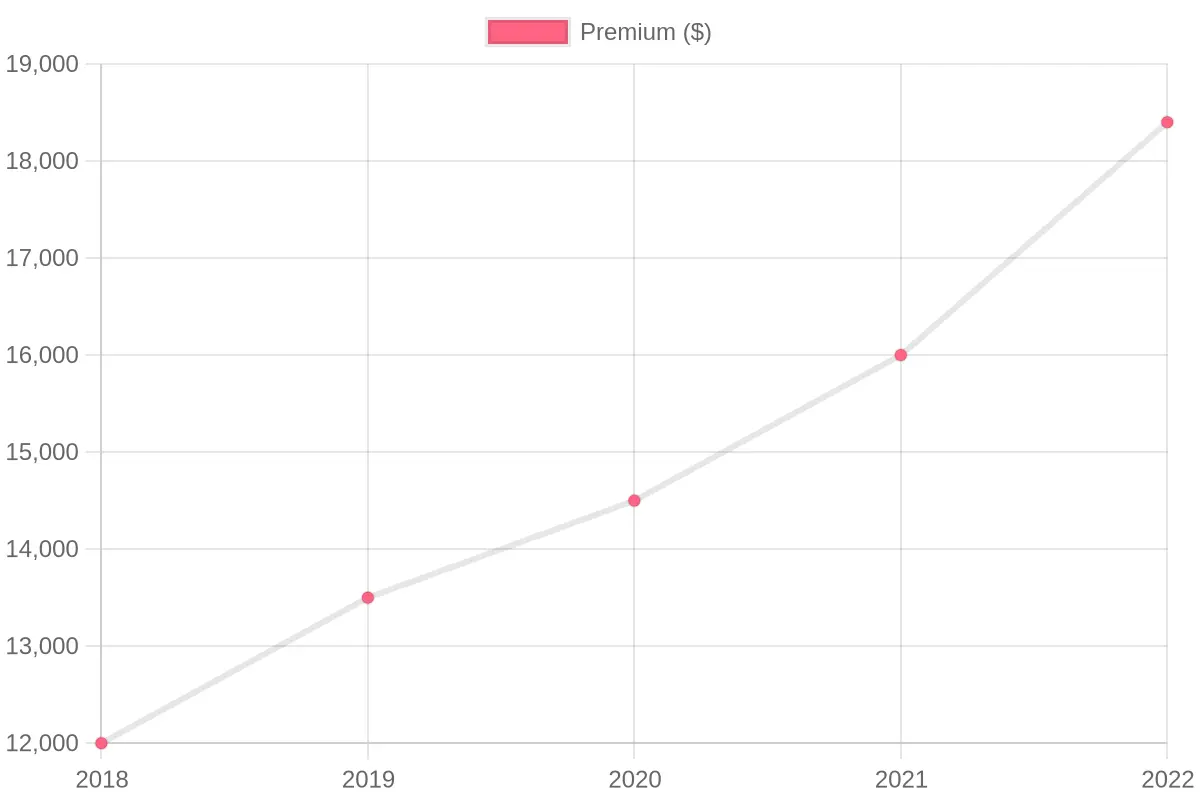
Over the last five years, commercial truck insurance premiums have experienced significant growth. This increase can be attributed to various factors such as rising repair costs, increased claims frequency, and economic conditions affecting the trucking industry.
The following chart illustrates the trend of commercial truck insurance premiums from 2018 to 2022:
Premium Trends Summary
| Year | Premium ($) | Percentage Increase |
|---|---|---|
| 2018 | 12,000 | – |
| 2019 | 13,500 | 12.5% |
| 2020 | 14,500 | 7.4% |
| 2021 | 16,000 | 10.3% |
| 2022 | 18,400 | 15.0% |
The data shows a steady rise in premiums, particularly in 2022, where the increase was approximately 15%. This trend highlights the growing costs associated with insuring commercial trucks as the industry faces more challenges than ever. For more insights on market conditions and pricing, consider reading about the impact of tariffs on truck sales.
Understanding these trends is crucial for trucking company owners and fleet managers as they navigate insurance options and budget for operational costs.