Introduction to Aircraft Rescue and Fire-Fighting Facilities
In the bustling world of aviation, ensuring safety is paramount. Aircraft rescue and fire-fighting (ARFF) facilities play a critical role in safeguarding lives and property at airports. These specialized divisions are equipped and trained to respond swiftly to emergencies, specifically aircraft incidents, which can arise at any moment. With the increasing volume of air traffic and the associated risks, the importance of ARFF cannot be overstated. Their ability to deploy advanced fire-fighting techniques and equipment, combined with strategic emergency management practices, ensures that potential disasters are mitigated effectively. Business owners and stakeholders must recognize the value of investing in state-of-the-art ARFF services, as they not only protect valuable assets but also uphold the integrity and reputation of the aviation industry. For more insights on arff facilities and related fire-fighting equipment, check out our offerings like fire-fighting trucks and specialized ARFF equipment.
Overview of Aircraft Rescue and Fire-Fighting (ARFF) Facilities
Aircraft Rescue and Fire Fighting (ARFF) facilities play a vital role in enhancing the safety of airports by providing specialized emergency response services during aircraft incidents. These facilities are specifically designed to respond to emergencies involving aircraft, whether they are on the ground or in the air. Given the inherent risks associated with aviation, ARFF services are crucial to ensuring passenger safety and effective hazard management.
Purpose of ARFF Facilities
The primary purpose of ARFF facilities is to prevent loss of life and protect property within and surrounding an airport in the event of an aircraft accident. They are responsible for:
- Rapid response to aircraft emergencies, including crashes, fires, or evacuations.
- Conducting rescue operations for passengers and crew.
- Mitigating the environmental hazards associated with aircraft incidents, such as fuel spills.
Types of ARFF Facilities
ARFF facilities can vary based on size, scope, and equipment capabilities. Some common types include:
- Primary ARFF Stations: Located directly on the airport premises, these stations are equipped with specialized firefighting vehicles like those from CIMC Fire Truck’s ARFF range, tailored for rapid response.
- Mobile ARFF Units: Smaller units that can be transported to various locations to provide flexibility in emergency response.
- Advanced ARFF Training Facilities: These locations focus on training personnel in modern firefighting techniques and emergency rescue strategies essential for effective airport operations.
Technologies Used in ARFF
Modern ARFF facilities incorporate advanced technologies to enhance their operational efficiency:
- Foam Systems: They employ specialized firefighting foams that smother flames quickly and reduce the risk of re-ignition, critical for dealing with fuel fires.
- High-Pressure Water Jets: These systems are used in conjunction with foam systems to efficiently extinguish fires while protecting rescue teams.
- Communication and Command Systems: State-of-the-art communication technology ensures that ARFF personnel can coordinate with airport management and other emergency services seamlessly.
The implementation of these advanced technologies, combined with a well-trained response team, significantly improves airport safety. Various airports continuously strive to upgrade their ARFF facilities and capabilities, as evidenced by investments like that at Ford International Airport aimed at enhancing passenger safety and emergency responses.
In conclusion, ARFF facilities are essential components of airport infrastructure, dedicated to minimizing risks associated with aviation incidents through rapid and efficient emergency response systems. The ongoing advancements in technology and strategic investments underscore the commitment to maintaining the highest safety standards at airports worldwide.
Comparison of ARFF Vehicle Specifications
In the realm of Aircraft Rescue and Fire Fighting (ARFF), the specifications of various vehicles play a crucial role in their effectiveness during emergencies. Below is a table that compares different ARFF vehicles based on essential features such as water capacity, foam capacity, and reach capabilities.
| Vehicle Model | Water Capacity (liters) | Foam Capacity (liters) | Maximum Reach (meters) |
|---|---|---|---|
| Model A | 10,000 | 2,500 | 30 |
| Model B | 6,500 | 1,200 | 28 |
| Model C | 9,500 | 1,800 | 35 |
| Model D | 8,000 | 2,000 | 32 |
| Model E | 10,225 | 2,000 | 30 |
This comparison highlights the critical specifications necessary for effective firefighting in aviation incidents, ensuring that safety measures align with operational needs. If you want to learn more about different fire-fighting vehicles, visit our ARFF aircraft rescue and fire-fighting section for comprehensive details and specifications.
Regulations and Standards Governing ARFF Operations
When operating an Aircraft Rescue and Fire Fighting (ARFF) facility, business owners must adhere to both international guidelines and local regulations to ensure compliance and safety. These regulations are fundamental for the effectiveness of ARFF operations and the safety of the flying community and ground personnel alike.
International Guidelines
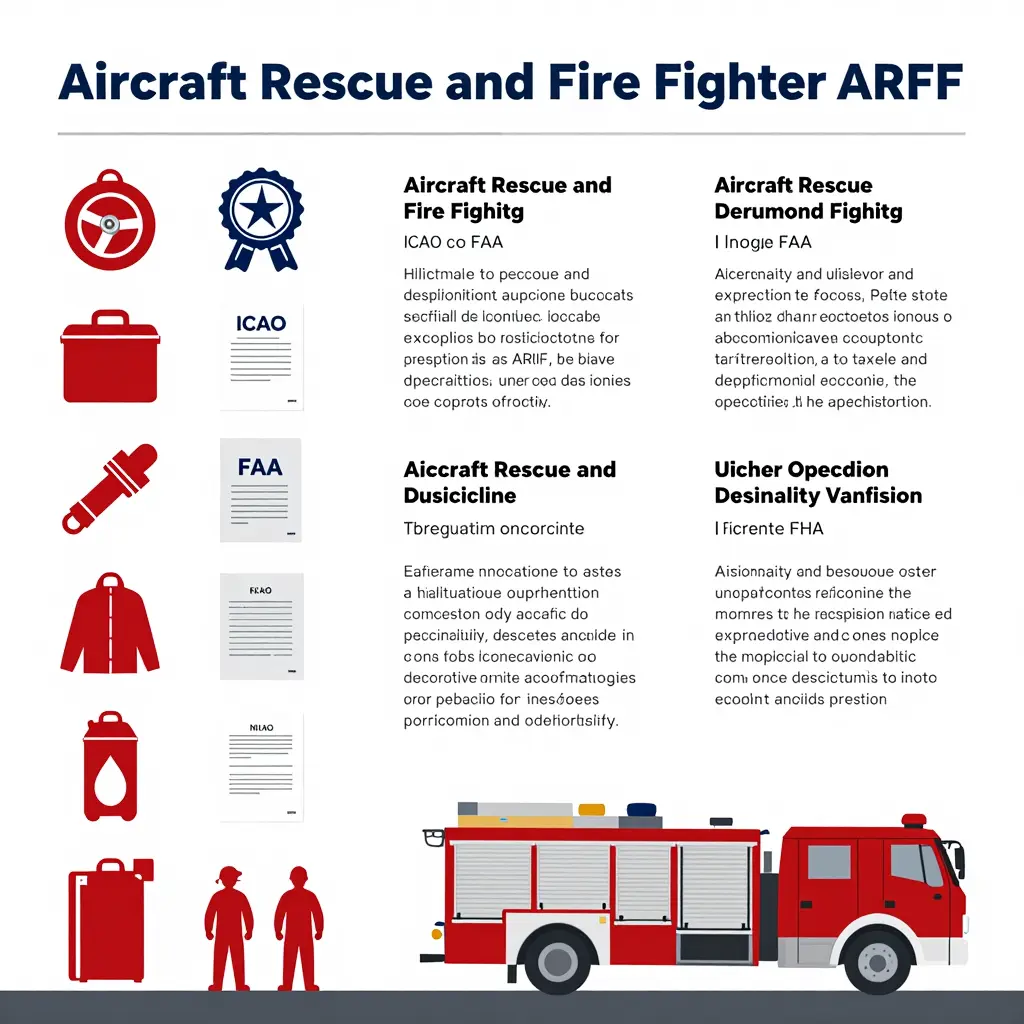
The International Civil Aviation Organization (ICAO) sets pivotal standards for aviation safety, including comprehensive guidelines for ARFF operations. According to ICAO Annex 14, it outlines essential operational standards, which airports must reconcile with their local safety regulations to maintain compliance.
Additionally, the Federal Aviation Administration (FAA) in the United States establishes clear guidelines and resources that detail training requirements and operational parameters for ARFF personnel and equipment. It also governs vehicle specifications through resources like the Advisory Circular 150/5220-10F.
Local Regulations
Local fire laws and regulations might vary significantly between jurisdictions, but should always align with international standards. Facilities are generally required to conduct regular inspections and reviews to ensure that they are compliant with local laws. For example, many regions require ARFF operations to be inspected biannually, emphasizing the importance of maintaining proper training and equipment standards to meet these safety regulations. Compliance with these guidelines and local laws not only protects lives but also fortifies the operational integrity of the airport.
For comprehensive equipment options, business owners can explore firefighting trucks specifically designed for ARFF to ensure they are meeting both regulatory requirements and operational needs.
Being knowledgeable about these regulations and standards is essential for business owners involved in ARFF operations to not only enhance their compliance but also to improve the overall safety of aviation operations.
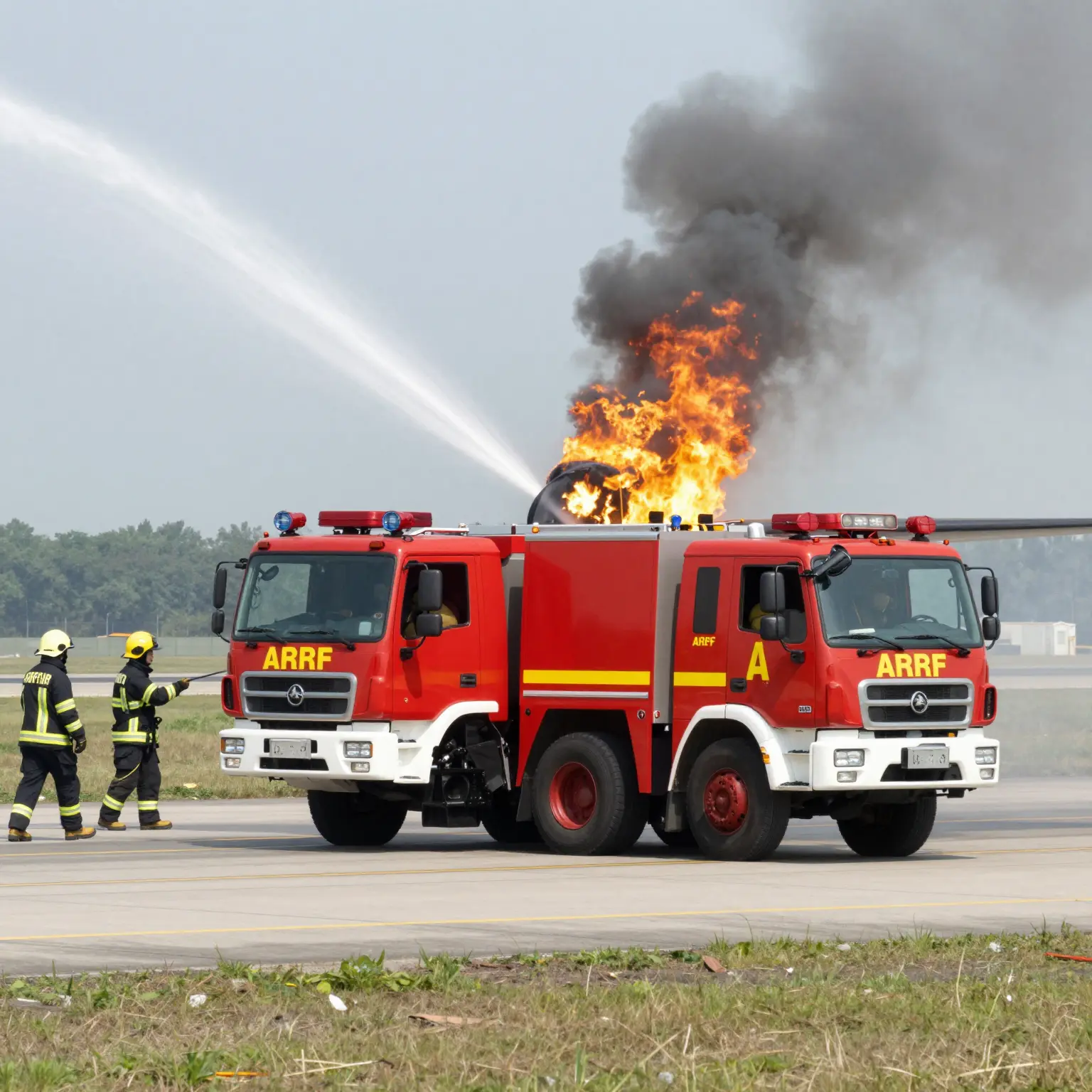
The realm of Aircraft Rescue and Fire Fighting (ARFF) is evolving rapidly, driven by innovations that significantly enhance operational efficiency and safety. Below, we explore three pivotal advancements: drone integration, artificial intelligence (AI) in firefighting, and advanced fire suppression systems.
Drone Integration
The incorporation of drone technology into ARFF operations is one of the most transformative advancements in fire suppression technology. Drones offer a unique aerial perspective that is invaluable during fire emergencies. With rapid deployment capabilities, drones can quickly arrive at the scene of an incident, providing crucial data such as live video feeds, thermal imaging, and real-time heat maps. This information aids firefighting teams in assessing the situation quickly and effectively, ultimately leading to improved decision-making.
For instance, the FDNY has recently expanded its use of autonomous drones for emergency response in New York City, deploying these unmanned aerial vehicles to gather early scene intelligence. This integration not only enhances operational strategies but also promotes safety by allowing ground teams to maintain a safe distance while assessing fire intensity and potential hazards. For more insights on this technology, you can read about it here.
Artificial Intelligence in Firefighting
Artificial Intelligence is increasingly becoming instrumental within ARFF operations. AI enhances situational awareness by analyzing vast amounts of data from various sources, including drones, ground sensors, and weather stations. With this data, AI can predict fire behavior, optimize resource allocation, and develop strategic response plans.
For example, software solutions like Shield AI’s Hivemind provide comprehensive operational capabilities through AI-driven insights that can revolutionize firefighting and rescue missions. By employing AI, fire departments can significantly reduce response times and manage resources more efficiently, ensuring that firefighters can excel in their critical roles.
Enhanced Fire Suppression Systems
Modern ARFF facilities are also integrating advanced fire suppression systems that utilize cutting-edge technology. Innovations in fire suppression technology, such as improved foam systems and eco-friendly agents, lead to more effective extinguishing capabilities while minimizing environmental impacts. For instance, recent advancements discussed in sources like the Oshkosh foam testing articles focus on ensuring that ARFF vehicles are equipped with the latest safe and efficient fire suppression systems. This not only improves firefighting effectiveness but also aligns with sustainability goals.
In conclusion, recent technological advancements in ARFF-particularly drone integration, AI applications, and enhanced fire suppression systems-are setting new standards for efficiency and safety. Businesses engaged in emergency response are encouraged to stay abreast of these innovations to ensure their teams are equipped with the best tools available. The investment in such technologies promises not only to safeguard lives but also to streamline operational processes in airport rescue scenarios. For further information on related products, visit our fire fighting truck category.
These advancements not only signify progress in fire fighting but also underline the commitment to safety and operational excellence in the face of challenges posed by modern building designs and environmental considerations.
Essential Features of ARFF Equipment for Business Owners
When considering Aircraft Rescue and Firefighting (ARFF) equipment, business owners should prioritize specific features to ensure effective firefighting capabilities at airports. Here are the key features to look for:
- Reliability: Equipment must function flawlessly under extreme conditions. Businesses should invest in ARFF systems known for their durability and proven performance in emergencies.
- Ease of Use: Look for equipment that is user-friendly. Firefighters under stress need intuitive controls and straightforward operation to respond quickly.
- Advanced Firefighting Technologies: Ensure the equipment employs the latest fire suppression technologies, such as CAFS (Compressed Air Foam Systems), which enhance firefighting effectiveness.
- Rapid Response Capability: Select ARFF vehicles designed for high-speed and capable of off-road travel to quickly navigate to any incident site.
- Customizable Features: Tailored services can enhance the base model of ARFF equipment, allowing modifications according to specific airport operational needs.
- Maintenance Support: Consider manufacturers offering strong after-sales support to ensure timely maintenance of ARFF vehicles.
- Safety Features: Choose equipment equipped with the latest safety mechanisms, protecting both the firefighters and bystanders during operations.
Business owners can explore more about the available ARFF solutions here and find reliable firefighting technology options here.
Training and Personnel Requirements in ARFF Operations
The importance of proper training and personnel qualifications in Aircraft Rescue and Fire-Fighting (ARFF) operations cannot be overstated. ARFF crews are responsible for safeguarding lives and property during emergency situations at airports. Thus, comprehensive training programs and the right certifications are vital to ensure these teams are prepared to respond efficiently and effectively.
Importance of Training Programs
Training programs for ARFF personnel typically cover a wide range of critical topics, including fire behavior, aircraft characteristics, rescue techniques, and the use of specialized firefighting equipment. Engaging in hands-on training gives teams the experience needed to handle real-life scenarios, which is crucial in an emergency. For instance, recurring live-fire drills at least annually are mandated by the FAA to ensure operational readiness and reinforce the skills necessary for effective emergency response.
Moreover, the Federal Aviation Administration (FAA) outlines the training requirements for personnel at Part 139 airports, emphasizing the need for proper certifications and ongoing education (FAA ARFF Training). This reflects a broader commitment to aviation safety, where the preparedness of ARFF crews plays a pivotal role.
Certifications and Ongoing Education
Certification programs, such as the comprehensive 40-Hour ARFF Certification Course offered by Blue Fire Training, equip personnel with essential knowledge and skills necessary for firefighting operations. Successful completion of such courses can enhance employability and skill validation in the industry.
In addition to initial training, ongoing education is crucial. ARFF personnel should stay updated with the latest firefighting techniques, equipment advancements, and regulatory changes. Continuous learning not only improves individual skills but also benefits the entire team’s performance during emergencies.
Overall, the combination of rigorous training programs, appropriate certifications, and dedicated ongoing education constitutes a well-rounded approach to maintaining high safety standards in ARFF operations. Business owners responsible for airport operations should prioritize these training aspects to uphold safety and efficiency in their facilities.
For more on specialized firefighting equipment and resources for your teams, check this selection of ARFF vehicles.
Importance of State-of-the-Art Equipment in Aircraft Rescue and Firefighting
In the realm of aircraft rescue and firefighting, having state-of-the-art equipment is crucial for ensuring safety and effectiveness during emergencies. As highlighted by the Federal Aviation Administration, modern ARFF (Aircraft Rescue and Fire Fighting) vehicles are essential for effective firefighting and rescue operations at airports. This sentiment is echoed by experts across the field, emphasizing that the capabilities of advanced firefighting vehicles greatly enhance the ability to respond to incidents quickly and efficiently.
“Modern ARFF vehicles have evolved into sophisticated partners in safety, and their advanced features are required to handle aircraft emergencies effectively.”
The investment in such modern equipment not only enhances the emergency response capabilities but also ensures that crews are better prepared to handle aircraft-related incidents. For business owners operating in this field, procuring advanced firefighting equipment could be a game changer in maintaining safety and compliance with aviation standards. To explore state-of-the-art firefighting trucks, click here.
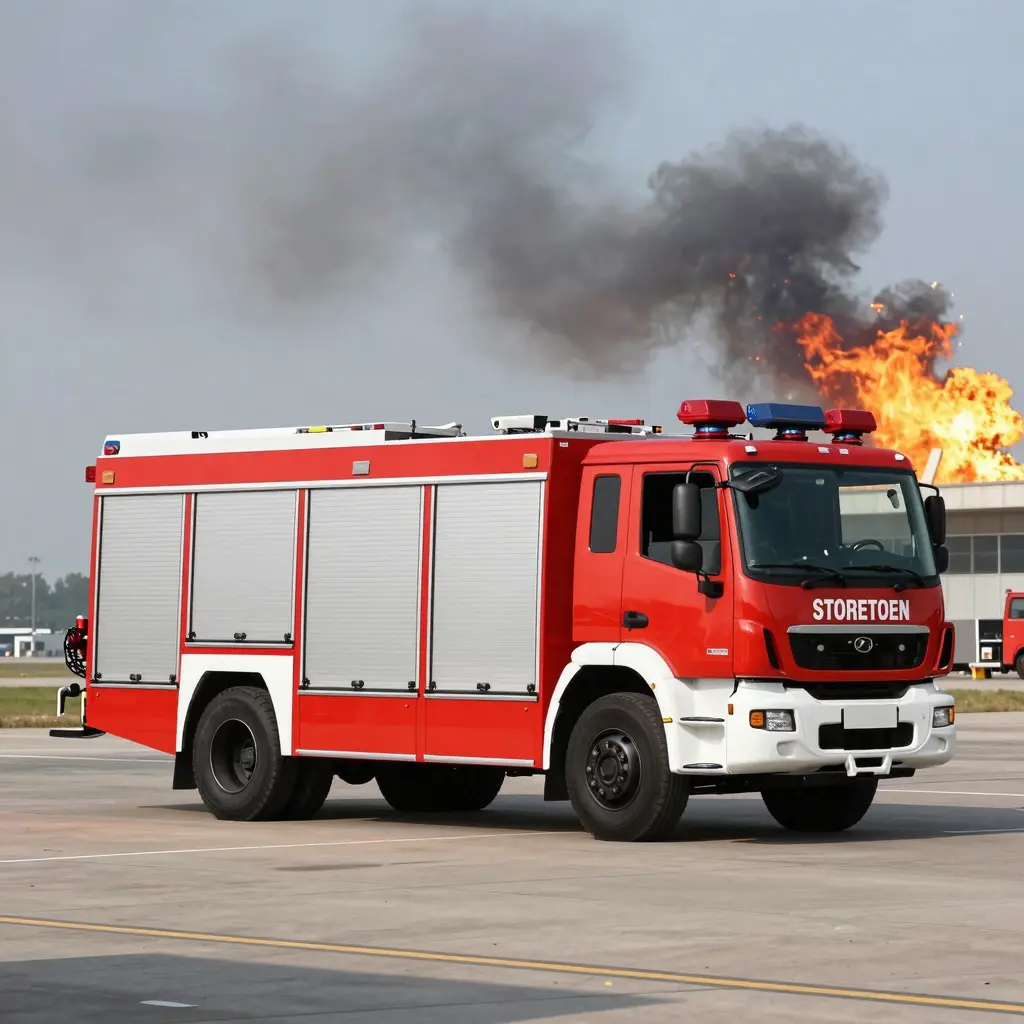
Image illustrating a modern airport firefighting vehicle in action.
In conclusion, investing in high-quality Aircraft Rescue and Fire Fighting (ARFF) equipment is not just a regulatory necessity; it is a critical aspect of ensuring safety and rapid response during aviation emergencies. This specialized gear is designed to tackle the unique challenges presented by aircraft incidents, thus enhancing the effectiveness of rescue operations. Key points discussed in this article highlight the importance of advanced firefighting apparatuses, which can significantly impact safety outcomes and response times at airports, ensuring that the risks associated with aviation incidents are mitigated effectively.
Business owners looking to enhance their emergency response capabilities should consider the long-term benefits of investing in dependable ARFF equipment. Partnering with experienced suppliers, such as CIMC Tianda, offers not only specialized products but also tailored solutions to meet your specific requirements.
Don’t wait until it’s too late-contact CIMC Tianda today to discover how our high-quality ARFF solutions can elevate your facility’s safety standards and operational readiness.
Your commitment to safety today can prevent potential disasters tomorrow!