
In today’s fast-paced and competitive transport landscape, understanding the price dynamics of old commercial trucks is imperative for stakeholders across various sectors, including trucking companies, construction firms, and logistics providers. These vehicles not only represent a significant capital investment but also play a crucial role in ensuring operational efficiency and cost-effectiveness. For trucking company owners and fleet managers, the decision to purchase used trucks often stems from balancing tight budgets with the need for reliable equipment. Meanwhile, procurement teams within construction and mining enterprises face the challenge of sourcing effective transportation solutions amidst fluctuating market prices and regulatory pressures. Additionally, logistics and freight brokerage firms must account for pricing trends to optimize their service offerings and maintain competitiveness. Understanding how various factors-such as economic conditions, emissions regulations, and technological advancements-affect the pricing of old commercial trucks can empower businesses to make informed purchasing decisions. This article will delve deep into key insights, including current trends in used truck sales and growth and the implications of economic uncertainties on truck pricing.
Understanding the Value of Old Commercial Trucks
As the demand for commercial trucks continues to evolve, understanding the factors that influence the value of old commercial trucks becomes essential for trucking company owners, fleet managers, and procurement teams in the construction and mining sectors. This section explores various considerations that affect a truck’s market value, including age, mileage, condition, and market trends. For more insights on the economic factors affecting truck prices, learn more about current trends in used truck sales growth. Additionally, understanding the impact of emissions regulations can provide crucial context for pricing decisions; you can read more about that here.
Factors Influencing Pricing
The pricing of old commercial trucks is influenced by a variety of significant factors that reflect both the vehicle’s inherent value and market conditions. Understanding these factors is crucial for trucking company owners, fleet managers, procurement teams, and logistics firms in order to make informed purchasing or selling decisions.
1. Age of the Truck
The age of a commercial truck is a primary determinant in its resale value. Generally, older trucks depreciate in value, with a noted decrease ranging from 15% to 20% in value for vehicles aged over ten years. For example, vehicles that have been on the road longer tend to see lower prices as they face increased wear and tear. In contrast, trucks that are relatively newer can command higher prices due to their reliability and modern features.
2. Condition
The physical condition of the truck plays a pivotal role in pricing. Factors such as engine performance, exterior and interior maintenance, and absence of major repairs significantly boost the truck’s market value. Trucks in excellent condition typically see a price increase of up to 20% compared to those requiring significant repairs.
3. Mileage
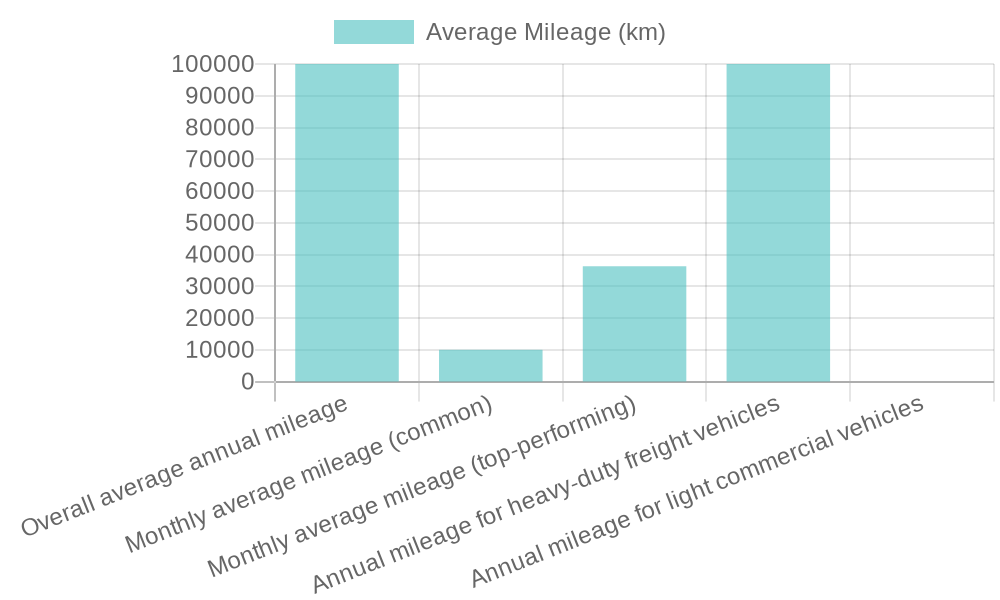
Mileage is another critical factor; lower mileage generally implies less wear and tear. The average mileage for commercial trucks is approximately 100,000 kilometers annually. Trucks that remain below this average can be priced higher than those that surpass it, as higher mileage often correlates with mechanical issues and decreased life expectancy. The relationship between mileage and price is depicted in the chart below:
4. Usage History
The history of how the truck was used-whether for short local hauls or long-distance transportation-can also impact pricing. Trucks used intensively in harsh conditions, such as construction or rough terrain, tend to depreciate faster than those used under normal driving conditions.
5. Market Demand
Last but not least, market demand plays an essential role in pricing. High demand for specific truck models can escalate prices significantly, while oversupply may lead to substantial price reductions. Trends in economic activity and e-commerce growth have led to fluctuating demands for used trucks across various regions. The aggregated average annual mileage and demand influence can be seen in the following chart:
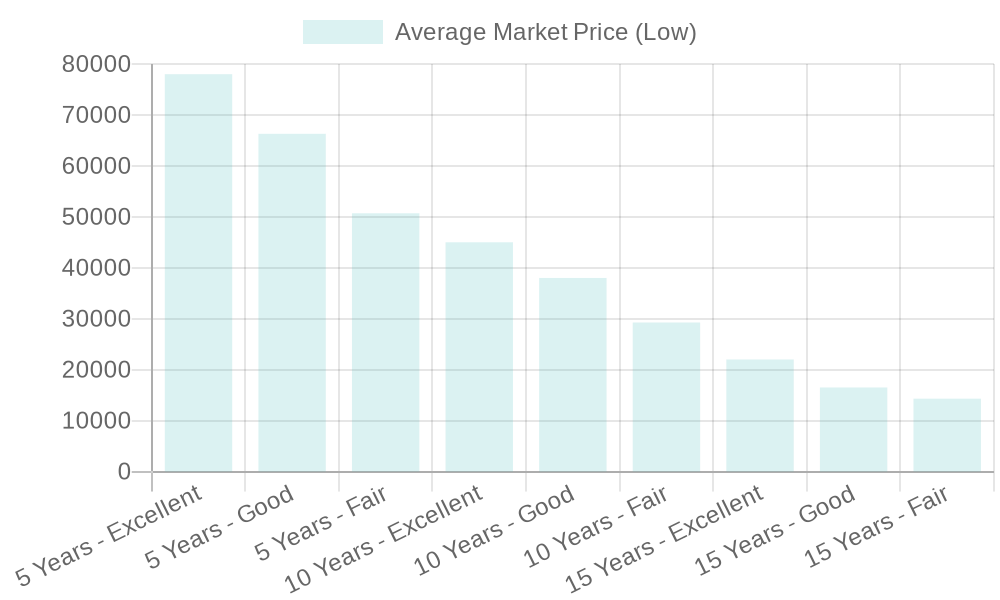
| Age (Years) | Condition | Average Market Price Range (USD) |
|---|---|---|
| 5 | Excellent | $78,000 – $92,000 |
| 5 | Good | $66,300 – $78,200 |
| 5 | Fair | $50,700 – $69,800 |
| 10 | Excellent | $45,000 – $58,000 |
| 10 | Good | $38,000 – $49,300 |
| 10 | Fair | $29,250 – $43,500 |
| 15 | Excellent | $22,000 – $30,000 |
| 15 | Good | $16,500 – $24,500 |
| 15 | Fair | $14,300 – $18,000 |
Source: Recent truck market analyses (as of 2026)
Where to Buy Old Commercial Trucks
Finding a reliable source for old commercial trucks is essential for trucking company owners, fleet managers, and procurement teams in construction and mining. The market offers various platforms ranging from auctions to online marketplaces. Here are some of the best places to consider:
1. Auctions
Auctions can be a great way to acquire older commercial trucks, often at competitive prices. Platforms like Penske Used Trucks Online Auction offer a transparent bidding process with a wide selection of vehicles across Canada and the United States. These auctions allow buyers to see vehicle histories and condition reports, fostering trust in the buying process. You can find their platform here.
2. Dealerships
Reputable dealerships that specialize in commercial vehicles often have a selection of used trucks. They provide vehicle history reports and warranties, ensuring that you are making a sound investment. For example, McGrath Trucks offers an extensive range of inspected used trucks, emphasizing customer support and service. You can explore their offerings on their blog.
3. Online Marketplaces
Several online platforms aggregate listings from various sources. eBay Commercial Trucks is one such platform that features a vast array of commercial vehicles, including trucks in various conditions and prices. They also provide buyer protection policies, which enhance the trustworthiness of transactions. This global marketplace is a one-stop-shop for buyers looking for diverse options, accessible here.
4. Specialized Platforms
Platforms like 蜗牛二手货车 and 卡家二手车 specialize in used commercial vehicles, providing detailed listings of trucks with extensive filtering options based on price, brand, and vehicle type. These platforms often guarantee transparency with professional inspections and safety protocols to protect buyers. They cater to local markets, increasing accessibility for regional buyers.
When deciding where to buy an old commercial truck, consider factors such as price transparency, vehicle condition, and post-purchase support. Combining resources from various platforms will help you make informed decisions. Stay updated with market trends and price fluctuations to obtain the best deals.
 \n
\n
Cost Comparisons for Different Brands
When it comes to purchasing old commercial trucks, understanding the price dynamics among various brands is essential for truck fleet managers and procurement teams. This analysis reviews the costs associated with popular brands like Howo, Shacman, Changan, and FAW, showcasing how brand reputation influences resale values and perceptions in the market.
Price Ranges of Old Commercial Trucks
Based on recent market analysis, the price ranges for different brands of used commercial trucks are as follows:
| Brand | Price Range (CNY) | Notes |
|---|---|---|
| Howo | 180,000 – 250,000 | Used heavy-duty trucks; includes dump, tipper, and tractor models. Prices vary by engine power, configuration, and condition. |
| Shacman | 120,000 – 180,000 | Used mining and construction trucks; common models include F3000 and X3000 series. |
| Changan | 65,000 – 92,000 | Light commercial vehicles; used primarily for urban delivery. |
| FAW | ~65% of original price after 3 years | Depreciation pricing based on vehicle age and initial cost. |
The table above reflects 2026 price estimates from various market sources. For instance, Howo trucks dominate the higher end of the spectrum due to their robust performance characteristics and suitability for heavy-duty tasks. In contrast, Shacman’s offerings, while slightly lower, remain dependable in construction contexts.
Changan’s light commercial vehicles attract buyers looking for economy and urban-friendly options, but they do not command as high a resale price as the heavy-duty brands. FAW’s ability to maintain 65% of its original value after three years illustrates its enduring demand and reliability in the market.
Brand Value Perception
A brand’s perceived value significantly impacts its resale price. Reliable brands like Peterbilt and Volvo in the North American market are noted for their durability, allowing them to maintain higher resale values compared to lesser-known brands (TruckPaper). In this economic landscape, companies should prioritize brands known for robust after-sale support and customer satisfaction, as these factors often correlate with better resale values.
For further insights on the used truck market trends, consider browsing current trends in used truck sales.
Price Trends for Old Commercial Trucks
Understanding the price trends for old commercial trucks is essential for fleet managers and procurement teams in the trucking and construction industries. Over the past decade, these prices have seen significant fluctuations, reflecting broader economic conditions and market dynamics.
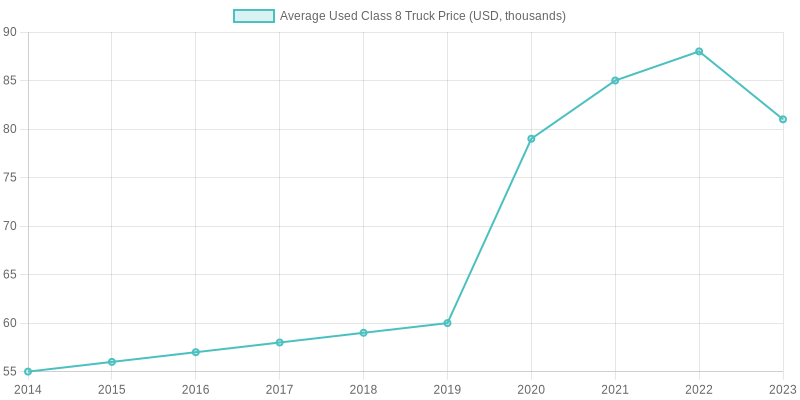
The following line chart illustrates the average prices for used Class 8 trucks in thousands of dollars from 2014 through 2023:
| Year | Average Used Class 8 Truck Price (USD, thousands) |
|---|---|
| 2014 | 55 |
| 2015 | 56 |
| 2016 | 57 |
| 2017 | 58 |
| 2018 | 59 |
| 2019 | 60 |
| 2020 | 79 |
| 2021 | 85 |
| 2022 | 88 |
| 2023 | 81 |
Note: Prices are based on average transaction values for used Class 8 trucks in the U.S. market. The significant price surge from 2020 to 2022 reflects pandemic-related supply chain disruptions and increased demand. However, in 2023, prices corrected downward.
For a deeper understanding of market dynamics, explore the impact of emissions on used truck prices and how digital valuation tools are transforming buyer behavior in today’s market.
Pros and Cons of Buying Old Commercial Trucks
Purchasing old commercial trucks can be both a strategic decision and a risky venture for fleet managers and procurement teams. Here is an ordered list of the benefits and drawbacks of investing in older vehicles:
Pros
-
Lower Initial Purchase Cost
Older trucks generally come with a significantly lower price tag, making them an attractive option for companies with tight budgets or those looking to expand their fleet without substantial capital outlay. -
Availability of Parts
Many older models use commonly available parts, which can simplify maintenance and repairs. This can help keep vehicles running longer without the increased costs of sourcing unique components. -
Simplicity and Ease of Repair
Older trucks often have less complex technology compared to newer models, making them easier to repair and maintain for fleets with less advanced service capabilities. -
Potential for High Resale Value
Classic or well-maintained older models can retain strong resale values, benefiting companies looking to minimize depreciation rates.
Cons
-
Higher Fuel Consumption
Older trucks usually exhibit lower fuel efficiency compared to newer models that adhere to stricter emissions standards, leading to increased operational costs over time. -
Increased Downtime
Older trucks may require more frequent repairs and maintenance, which can lead to prolonged downtimes and affect a company’s operational efficiency directly. -
Compliance Risks
Many older trucks do not meet contemporary emissions regulations and safety standards, creating potential legal liabilities and increasing the risk of penalties. -
Lack of Modern Features
Older trucks may lack advanced telematics and safety features, making it more challenging to integrate them into modern fleet management systems and increasing operational risks.
For further insights, explore more about the implications of purchasing old trucks.
In conclusion, understanding the pricing of old commercial trucks is essential for making informed purchasing decisions. Current market trends indicate a significant increase in the demand for used trucks, driven by various factors including economic pressures and the surge in online sales platforms. For example, used truck sales in regions like China surged by 22.4% in 2023. This is indicative of a broader trend where used commercial vehicles are gaining preference due to their cost-effectiveness compared to new models, which may be hindered by fluctuating tariffs and rising manufacturing costs.
Moreover, with emissions regulations tightening, older models can sometimes offer unique advantages for businesses tuning their fleets for compliance while keeping expenses within budget. Therefore, it’s crucial for trucking company owners, fleet managers, and procurement teams to explore the variety of options available in the used truck market.
We encourage you to delve further into the landscape of used trucks and not miss out on the exciting opportunities that await. Whether you are considering purchasing or selling, understanding the nuances can significantly impact your profitability. For those looking to optimize their purchasing strategy, explore our insights and discover how Summit Fairings can enhance your fleet management. Don’t hesitate to expand your horizons and make informed choices today.