
Choosing the right commercial truck is paramount for the success of any fleet, whether in logistics, construction, or mining. The complexities involved in this decision-making process require careful evaluation of various factors that cater to specific business needs, budget constraints, and operational demands. Identifying the right vehicle configuration based on cargo types and routes is critical, as is assessing its overall condition. This article is structured to provide a holistic understanding of what to look for when purchasing a commercial truck. The chapters will delve into defining your business needs and budget, assessing vehicle history and condition, conducting thorough physical inspections, and evaluating performance and powertrain considerations. Each section aims to arm trucking company owners, fleet managers, and procurement teams with actionable insights and best practices for making informed decisions.
Charting the Right Truck: Defining Cargo, Routes, and Budget to Power Your Commercial Fleet

Choosing a commercial truck isn’t just about finding a vehicle that can move goods from point A to point B. It is a strategic decision that sets the pace for your operations, your costs, and your ability to grow. The first and most critical step is to define your business’s actual needs with precision. This means looking beyond sticker price and considering the payload your daily operations demand, the type of cargo you transport, and the environments in which you’ll operate. By grounding the purchase in a clear picture of real-world requirements, you create a foundation that makes every dollar spent on a truck contribute to reliability, efficiency, and long-term value. The conversation begins with cargo, then expands to routes, terrain, and, finally, the budget that makes the plan financially viable today and scalable for tomorrow.
Consider the cargo you handle as the core constraint that shapes the truck’s configuration. If you move dry goods and standard pallets, a box or dry-van body with a sensible payload may suffice. If you transport temperature-sensitive items such as food or pharmaceuticals, a refrigerated body becomes a non-negotiable requirement. For heavy equipment or materials, a flatbed or low-boy configuration might be essential, while hazardous materials impose specific containment and routing considerations. The volume and weight of your loads determine not only cargo capacity but also critical factors like wheelbase, cab style, and the type of drive that best suits your typical route. You need to ask how often you’ll be fully loaded, what your maximum legal payload is, and whether loading and unloading operations introduce time and safety considerations that should influence the truck’s design.
Beyond what you move, where and how you move matters almost as much as what you move. Urban deliveries demand nimble handling, tighter turning radii, and possibly more frequent stops, which favor regions of the market where smaller, maneuverable cab configurations and efficient automatic transmissions minimize strain on drivers and fuel costs. Long-haul routes reward fuel efficiency, larger fuel tanks, robust highway tires, and a drivetrain tuned for steady, high-mileage performance. Off-road or mountainous terrain adds a layer of durability—suspension, ground clearance, and traction become deciding factors. Planning for geography also means thinking about service access. A truck that requires frequent, expensive maintenance or has parts that are hard to source in rural areas can chew into uptime and profitability. In short, the geography of your operations should be treated as a design constraint rather than an afterthought.
As you map out routes and terrain, it’s prudent to project how your shipment profile might evolve. A growing business tends to expand in two directions: greater shipment volume and wider geographic reach. The practical effect is that you should look for a truck with scalable capacity. That doesn’t mean chasing every new feature or chasing the largest possible payload, but it does mean choosing a platform that can accommodate modest increases in weight or volume without requiring a premature upgrade. If your business is likely to broaden its delivery radius within the next few years, or if you anticipate more frequent long-haul legs, selecting a vehicle with more generous payload headroom, a slightly longer wheelbase, or a drivetrain configured for sustained highway efficiency can offer significant long-term value. In many fleets, this forward-looking approach pays for itself in reduced downtime, fewer mid-career replacements, and a smoother transition when demand shifts.
Price is never far from the conversation, yet the strongest purchase decisions remember the total cost of ownership rather than the sticker price alone. A new truck commands a higher upfront price but often comes with a warranty, the latest safety and fuel-efficiency technology, and lower immediate maintenance costs. A used truck can present an attractive entry point for a budget-conscious purchase; however, it requires careful due diligence to avoid hidden maintenance and reliability risks that can erode savings through downtime and higher fuel consumption. To compare these paths properly, you must account for ongoing costs in a structured way. Insurance, taxes, registration, and financing terms all factor into the annual cost of ownership. Then there are fuel costs, maintenance and repairs, tires, and the potential downtime that can translate into missed deliveries or reduced capacity during peak periods. Your budget should incorporate a realistic maintenance cushion, recognizing that older trucks may demand more frequent service and parts replacement. A practical approach is to build scenarios that reflect both best-case and worst-case maintenance costs over a typical five-year horizon, then weigh those against the fleet’s expected utilization and revenue projection.
Several business realities shape how you translate a budget into a decision. If you operate in an industry with tight margins, even small efficiency gains can be meaningful. In that case, the difference between a slightly more expensive but more fuel-efficient engine or automatic transmission could translate into substantial savings over thousands of miles. On the other hand, if reliability is the No. 1 concern because downtime directly halts revenue, investing in a newer model with a proven warranty and a broader network of service centers may be worth prioritizing, even if it costs more upfront. The balancing act is not about chasing a perfect spec but about aligning the truck’s capabilities with the business’s risk tolerance, cash flow, and growth trajectory. A structured cost-benefit approach helps you quantify the tradeoffs: what you save today in purchase price versus what you may pay later in maintenance, downtime, and lost opportunities.
To navigate this landscape, begin with a practical checklist that captures both current needs and forward-looking assumptions. Document your average daily and weekly payloads, peak loads, and fuel consumption under typical routes. Define the expected mix of cargo types across seasons and how often you anticipate high-cargo days. Translate these operational realities into concrete vehicle specifications: payload capacity, cargo body type, body height, ground clearance, wheelbase, axle configuration, and drive type. Then translate the same operational story into budget inputs. Estimate the purchase price range you can justify, the financing terms you can secure, and the expected insurance costs tied to your fleet profile. Include maintenance and inspection costs, anticipated downtime, and a reserve for unexpected repairs. With these numbers in hand, you can compare potential configurations on a level playing field, focusing on how each option supports service levels, uptime, and total cost of ownership over the vehicle’s life.
The process also benefits from a broader view of how this truck fits within your fleet strategy. If you already operate a mixed fleet, you may want a vehicle that can slot into the lineup with minimal adaptation. If you are building a dedicated service or niche operation, you might prioritize a specific body type or a drivetrain that aligns with your typical workloads. In either case, the goal is cohesion: you want a solution that complements other fleet assets, integrates with your dispatch and maintenance processes, and future-proofs your investment against shifting market conditions. A well-defined plan makes it easier to negotiate with dealers or lenders, because you can articulate a precise use-case, a clear budget envelope, and a transparent comparison framework. It also reduces the risk of scope creep—the temptation to add features that seem appealing in isolation but do not meaningfully improve total value when viewed across the life cycle of the vehicle.
The choice between new and used should be guided by how you balance risk and reward. A new truck reduces risk in the near term and provides an extended warranty, which translates into lower near-term maintenance cost and higher uptime. However, premium new-truck pricing and potential depreciation must be weighed against your financing capability and the availability of favorable terms. Used trucks, especially well-maintained ones with documented service histories, can deliver lower upfront costs and faster entry into service, but they demand rigorous diligence to avoid rolls of the dice on reliability. In either path, the objective remains the same: select a configuration that meets your immediate performance needs while maintaining enough flexibility to accommodate growth with minimal additional capital outlay. You should also consider the broader economic environment and vehicle market trends, including how depreciation, fuel prices, and interest rates influence the true cost of ownership over five years or more.
As you advance from planning to purchase, your industry knowledge and practical experience become powerful assets. Leverage a cross-functional approach that involves drivers, maintenance technicians, and dispatchers in the evaluation process. Drivers can provide crucial feedback on cab ergonomics, visibility, and control layouts, while maintenance technicians can assess serviceability, part availability, and typical repair timelines. Dispatchers can help model route patterns and downtime impacts under different configurations. This collaborative assessment helps ensure that the truck you choose does not merely exist in a spec sheet but actually performs reliably in the real rhythms of your business. In many cases, a thoughtful, data-informed discussion among stakeholders yields insights that a single decision-maker might overlook, such as the benefits of a slightly different axle ratio for a given load profile or the advantages of a particular cab height for easier loading in certain facilities.
When you finally reach the stage of formal evaluation, ground your decisions in the practicalities of daily operation. A careful test plan that spans your typical routes and workdays can reveal how the truck behaves in real life, far beyond what the brochure promises. A test drive should cover not only acceleration and braking, but also parking in tight urban settings, fuel economy under highway cruising, and the ease of loading and unloading your common cargo. Listen for unusual noises, monitor gauge readings, and observe how the vehicle’s systems respond to temperature, traffic, and varying road conditions. Use this experience to refine the specifications you’ve already defined and to check whether the budget still aligns with expected performance and reliability outcomes. If the test raises questions about maintenance intervals, spare parts availability, or dealer support, address those concerns upfront before committing to a purchase. The goal is a decision that, while grounded in numbers, feels right in daily operations and minimizes the friction that can erode efficiency.
For readers seeking a structured, practical framework to translate these considerations into a concrete buying plan, a well-curated guide can be a valuable reference point. A comprehensive resource that outlines the steps from cargo analysis to financial planning can help you stay disciplined during negotiations and ensure no critical detail gets overlooked. McGrathTrucks.com blog offers insights into fleet management and market trends that complement the decisions you make when defining needs and budgeting for a new or used commercial truck. Such guidance can help keep your process aligned with industry realities while you tailor the plan to your unique business profile. In the end, the best purchase emerges not from chasing a perfect feature set but from assembling a truck that harmonizes cargo realities, route demands, and financial discipline into a dependable engine for growth. To close the loop, consider also consulting external resources that illuminate current market conditions and long-term ownership implications, especially in a framework of rising efficiency standards and evolving regulatory landscapes. External research underscores how careful planning today reduces volatility tomorrow, and the right truck can become the cornerstone of a competitive, resilient fleet.
External resource: External resource: AutoHome guide
Digging Beneath the Surface: How to Assess a Commercial Truck’s History and Condition

What you uncover about a truck before you buy it determines long-term costs and reliability. A careful assessment of vehicle history and physical condition separates a prudent purchase from a costly mistake. Start by treating the truck as a business asset. Every stain, service stamp, or title note is evidence. Each will affect uptime, repair bills, resale value, and safety. This chapter walks through the information and inspections that reveal hidden problems and give you negotiating leverage.
Begin with the vehicle history report. This document is your roadmap to prior accidents, salvage titles, flood damage, and reported odometer readings. Use a reputable national database when possible. A history report helps confirm what sellers say. It also uncovers discrepancies that require explanation. If a title is branded salvage, rebuilt, or flood-damaged, assume extensive repairs and unpredictable durability. Mileage conflicts are a red flag for odometer tampering. Documented maintenance entries are a positive sign. They show whether the previous owner followed service schedules for oil, brakes, and major systems.
Next, verify the truck’s documented use. Commercial trucks logged as fleet or heavy-service vehicles often endure harsher cycles than private rigs. High-mileage highway work wears engines and drivetrains steadily but predictably. Short-trip, stop-and-go commercial use stresses brakes, transmissions, and cooling systems. Yard work, towing, and heavy loads accelerate wear on frames and suspension. If the truck spent most of its life hauling heavy loads, expect a shorter interval to major overhauls. Ask for work orders that show how the truck was used and maintained.
Maintenance records are the single most convincing proof of care. A complete log with dates, mileage, and service type indicates a disciplined owner. Look for recurring entries for oil changes, coolant flushes, brake replacements, and transmission service. Missing intervals, long gaps, or vague notes are reasons to be cautious. Where possible, call the servicing shops listed in those records. They can confirm the work and sometimes share notes not shown in the log.
Once paperwork checks out, move to a hands-on inspection. Always view the truck in daylight on level ground. Walk around slowly and look for visual inconsistencies. Mismatched panel gaps, uneven paint texture, or areas that appear freshly repainted often mask past collision repairs. Rust spots are more than cosmetic; they compromise frame strength if left unchecked. Pay special attention to frame rails, crossmembers, and weld points. Surface rust on body panels is manageable. Deep pitting or flaking rust on structural components demands a specialist’s assessment.
The undercarriage tells the story of road conditions and past mechanical abuse. Look for bent crossmembers, replaced sections, or new bolts where factory hardware should be. Fresh welds on the frame suggest structural repair. Excessive oil or coolant residue under the engine, transmission, or differential indicates leaks. Track stains on the ground where the truck was parked previously. They help you identify active leaks. If you find dried oil or mixed fluid residue, assume long-term seepage that could hide deeper problems.
Open the hood and inspect the engine bay. A clean, well-organized engine compartment suggests regular care. However, be wary of an engine that appears overly cleaned; that can be an attempt to hide leaks. Look for wetness around valve covers, oil pan gaskets, and front and rear crank seals. Check the condition of belts and hoses. Cracked or brittle rubber parts signal age or heat damage. Inspect fluid levels and their appearance. Milky oil can indicate coolant contamination. Dark, gritty oil may show neglect. Transmission fluid should be red or pink and free of a burnt smell.
Start the engine cold if possible. Note how it cranks and how quickly it fires. Listen for knocking, ticking, or irregular idling. All are signs of internal wear or valve issues. A smoky exhaust on startup or under load points to burning oil or poor fuel combustion. White smoke can mean coolant is entering the combustion chamber. Diesel engines may emit blue smoke when burning oil and black smoke when running rich. Any of these require further diagnostics.
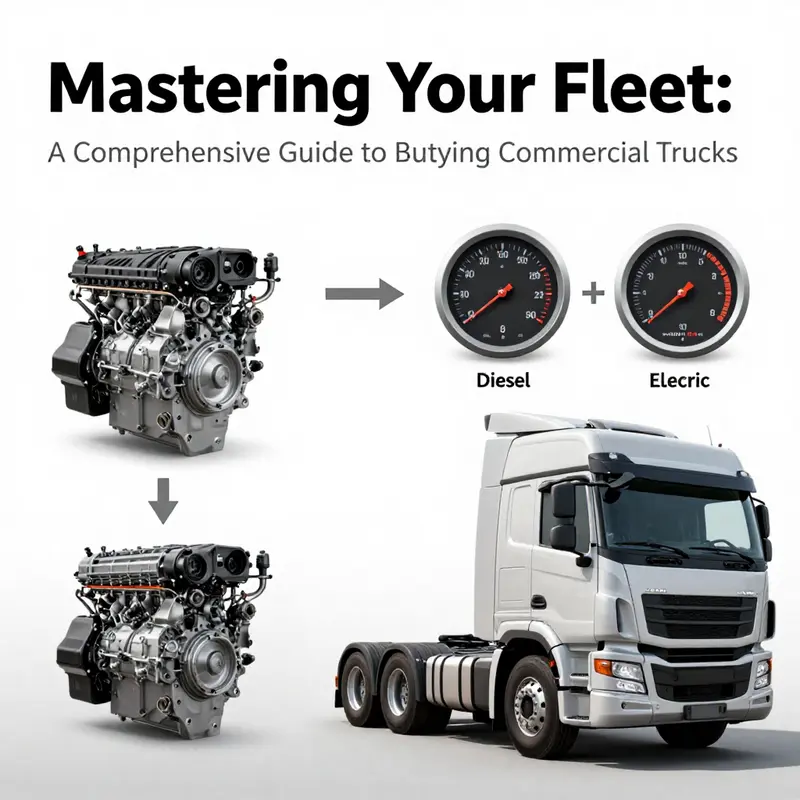
The drivetrain and transmission deserve focused attention. Watch how the transmission shifts during the test drive. Shifts should be smooth and predictable, with no jolting or slipping. For manual transmissions, clutch engagement should be smooth and not require excessive pedal travel. Listen for whining or grinding noises that could indicate differential or gearbox wear. Check for external leaks around seals and housing bolts. A simple transmission fluid check may reveal contamination, which signals internal problems.
Suspension and brakes play a direct role in safety and load handling. Press down on the truck’s corners. It should settle quickly with minimal bounce. Excessive rebound indicates worn shocks or struts. Inspect leaf springs, shackles, and mounting points for cracks and elongation. Brake pad thickness, rotor condition, and caliper operation are critical. Uneven pad wear or scoring on rotors suggests alignment issues or seized components. Test the brakes under load during the drive to ensure consistent performance without pulling or vibration.
Tire condition is an immediate indicator of alignment and suspension health. Measure tread depth across all tires. Look for uneven wear patterns that indicate misalignment, worn suspension components, or torque issues. Check the tire manufacturing date codes. Tires older than six years can fail despite good tread depth. Sidewall cracks or bulges are grounds for replacement. Properly matched tire sizes and ratings are essential for safe load-bearing and stable handling.
Electrical systems can be deceptively costly to repair. Test every light, gauge, and accessory. Ensure starter and alternator output is stable. Flickering lights or erratic gauge behavior can reveal grounding issues or failing regulators. Onboard electronics related to engine control should respond predictably. If the truck has telematics, auxiliary control modules, or aftermarket devices, confirm they function and are compatible with your systems.
Inspect the cab and interior for signs of heavy use. Worn seats, torn upholstery, and damaged controls indicate intensive service. Smells, such as mildew or chemical odors, may point to past flooding or hazardous cargo transport. Verify that HVAC systems work; a failing heater or air conditioner is costly for climate-controlled loads and driver comfort. Check the sleeper area if present, and ensure all storage compartments and mounts are secure.
Pay particular attention to the cargo area and body. For box trucks, inspect the floor, walls, and ceiling for signs of water intrusion or repaired damage. For flatbeds and stake bodies, check welds, tie-down points, and decking. Refrigerated units require documentation of compressor and evaporator maintenance. Corrosion, patchwork, or diminished insulation can reduce performance and increase repair costs.
A full test drive is mandatory. Drive at highway speed and under load if possible. Listen for noises that vary with speed. Notice how the truck handles crosswinds and rough surfaces. Check steering for play and alignment drift. Assess braking under full service conditions. A loaded test drive is the most revealing. If the current seller cannot provide a representative load, arrange an independent test with a mechanic or a towing company.
If you lack deep mechanical knowledge, hire a qualified commercial truck mechanic for a pre-purchase inspection. A professional inspection saves money in the long run. Mechanics will check torque values, measure wear limits, and perform compression or endoscope checks. They can lift the truck and examine suspension bushings, spring eye wear, and hidden frame issues. An expert’s written report is powerful leverage during negotiations.
When you find flaws, document them. Take photos and detailed notes. Use these details to estimate repair costs or to ask for price reduction. Some defects justify walking away. Major frame repairs, flood damage, or evidence of fire are not worth the risk for most buyers. Lesser issues like worn brakes or tires can be negotiated into the price if you understand repair costs.
Confirm title and registration match the seller’s information. Ensure that the VIN plate and stamped frame VIN are identical. Any mismatch should prompt a pause and verification with the issuing authority. Check for liens or unpaid judgments that can attach to the vehicle. Clear title transfer is essential before payment.
Finally, assemble a purchase checklist that captures all discovered items. Include the vehicle history report, maintenance records, mechanic’s inspection, and documented defects. Use this file to negotiate terms, request warranty coverage where available, or set aside a repair reserve after purchase. If you buy at auction or from a private seller, be especially thorough. Dealer purchases often include clearer service histories and recourse options. For more on where and how to buy, consider reading a comparison of dealer and auction buying strategies in the industry blog post on dealer sales versus auctions.
When vehicle history and condition are well-documented and verified, you buy confidence. If gaps remain, price accordingly or step away. Your aim is predictable uptime, safe operation, and minimized unexpected expense. A disciplined approach to history and condition evaluation achieves that aim.
For further technical guidance on used truck inspection and consumer protections, consult the U.S. Department of Transportation’s used truck buyer’s guide: https://www.fmcsa.dot.gov/trucking/used-truck-buyer-s-guide
Beyond the Hood: Mastering the Physical Inspection to Safeguard Your Commercial Truck Purchase
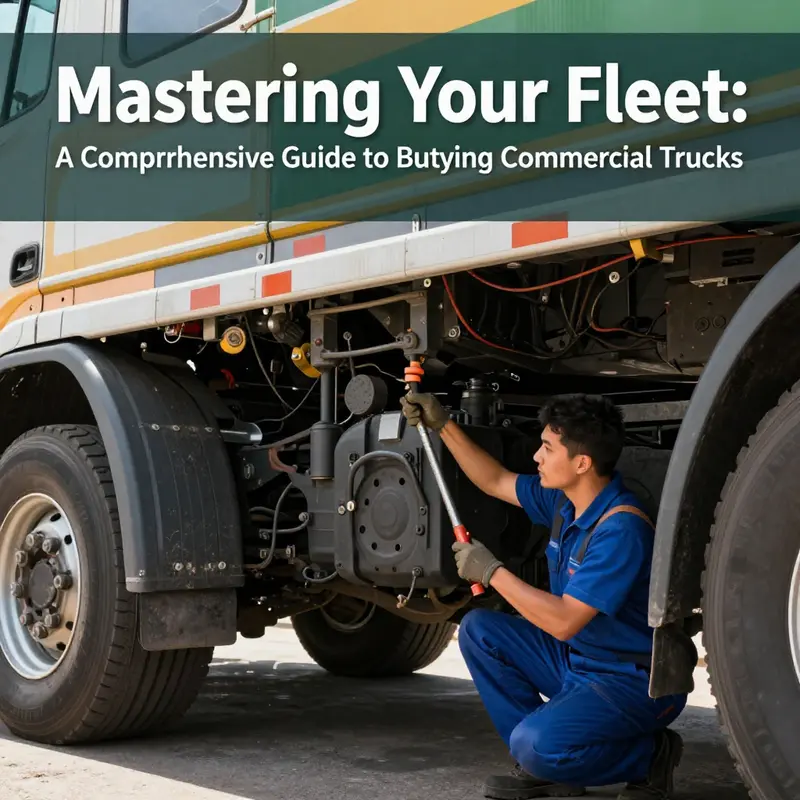
A thorough physical inspection is essential when buying a commercial truck because it translates price, payload, and uptime risk into a defensible investment. Start with exterior checks for frame integrity, misaligned panels, door gaps, and paint inconsistencies that might signal previous repairs. Inspect tires for tread depth, wear patterns, sidewall condition, and age. Move to the undercarriage to look for leaks, corrosion, loose hoses or lines, and worn suspension components. In the interior, assess seat wear, switch functionality, gauges, climate control, and evidence of water intrusion. In the engine compartment, check fluid levels and color, belts and hoses for wear, and listen for unusual noises; observe exhaust smoke as an indicator of engine health. Review service records and seek a pre-purchase inspection by a qualified mechanic when possible. Document everything with clear photos and compare disclosures to what you observe; use any gaps as negotiation leverage while staying mindful of your budget and uptime requirements. Finally, align the purchase decision with your operation’s use case, risk tolerance, and total cost of ownership, and consult authoritative resources such as FMCSA guidelines to frame questions for the seller or mechanic.
null
null
Final thoughts
In the competitive landscape of logistics, construction, and freight, investing in the right commercial truck can significantly impact operational success. By understanding your business needs and budget, assessing vehicle history and condition, conducting thorough inspections, and evaluating performance metrics, you can make informed choices that minimize risk and enhance efficiency. Coupling this knowledge with reliable vendors will position your company for resilient growth in the coming years. As you navigate these critical purchasing decisions, keep the outlined factors in mind to optimize your fleet.