
Budget truck rentals present an appealing solution for trucking company owners, construction and mining enterprise procurement teams, and logistics firms looking to optimize their operational capabilities. Understanding the nuances related to using these vehicles for commercial purposes is essential for maintaining compliance and ensuring efficiency in operations. This article delves into the critical aspects of commercial use of budget truck rentals. From legal considerations surrounding their usage to practical applications across various industries, each chapter you will explore is crafted to equip your business with essential knowledge for leveraging budget trucks effectively.
Can a Budget Moving Truck Be Used for Commercial Work? Policy, Insurance, and Practical Guidance for Small-Business Moves

Across small businesses and startups, the need to move goods, equipment, or even furniture doesn’t always fit the schedule or budget of specialized moving services. A mid-sized, low-cost moving truck can appear as a practical solution for moving a compact inventory from one office to another, transporting samples for a showroom, or relocating a vendor’s hardware to a new workspace. Yet using such a vehicle for commercial purposes comes with a suite of conditions that often sits in the fine print of the rental agreement. It isn’t simply a matter of picking a truck and going; it requires careful alignment of policy, insurance, and practical planning to avoid bumps in the road that could become costly.
For most reputable rental providers, a straightforward commercial move within a single business operation is considered acceptable under typical terms. These trucks, built with ample cargo space and a sturdy chassis, lend themselves to transporting boxes, desks, storefront fixtures, and other business-related cargo. The key word here is “small-scale”: the policy generally assumes modest loads and a one-time or infrequent relocation rather than a service that mimics a courier network or a scheduled delivery route. The moment the use case expands into regular customer deliveries, or anything that looks like a business delivery service, the terms often shift. In those situations, the rental contract may draw a clear line that prohibits the activity or imposes additional fees, a special permit, or a different insurance regime. The risk of misinterpretation is real, especially when terms vary by location and by company. To protect the business, the prudent route is to seek explicit confirmation from the rental location before proceeding. A simple phone call can clarify whether your planned commercial activity fits within the allowed uses, and if so, what documentation is required. Written confirmation is ideal, so there is a record of the policy applicable to that specific rental.
Insurance is typically the second hinge on the door. Personal auto coverage, which many business owners already carry, frequently falls short of covering the business use of a rental truck. Vehicles used for transporting goods in a commercial context can trigger gaps in liability and cargo protection. In practice, this means you may need to purchase a commercial liability add-on from the rental provider, and you may also need cargo insurance if you are moving valuable or fragile inventory. The cost of these enhancements varies by location, vehicle size, and the scope of use, but the peace of mind — knowing that a claim resulting from a business-related incident will be covered — can outweigh the incremental expense. When you assess insurance, consider not only damage to the vehicle but also liability for third-party injuries or property damage that could arise during a commercial move. And if your business already carries a general liability policy, confirm with your insurer whether a rental truck used for business tasks can be endorsed or if a rider is needed to bridge any coverage gaps during the rental period. The bottom line is simple: verify the insurance framework before you hit the road, and document the specifics in writing.
Beyond the insurance and contract language, the practicalities of loading, driving, and complying with safety rules demand thoughtful preparation. Loading practices, weight distribution, and securing cargo affect vehicle handling. A truck loaded with heavy inventory or bulk materials will handle differently from a private-use vehicle, and this difference matters for safe operation and for protecting your material. Check the truck’s payload rating and ensure that your anticipated load stays within those limits. Empty space is not a license to push extra weight; weight distribution matters for steering, braking, and stability, especially on uneven roads or during sharp maneuvers. Time management plays a surprising role in safety as well. Rushing to meet a tight move window can increase the likelihood of mistakes in securing cargo, misjudging distances, or skimping on pre-trip inspections. Plan for ample time, including a buffer for loading and unloading, to minimize risk.
Driving a larger vehicle on busy city streets, highways, or rural roads introduces another layer of considerations. A commercial move is not the same as a casual road trip, and it benefits from deliberate planning around routes, turnarounds, and parking. The driver should be comfortable with the vehicle’s dimensions, the increased stopping distance, and the maneuvering challenges that come with a longer wheelbase. If your business involves multiple pickup and drop-off points in a single day, think through the sequence of stops, the possible need for temporary parking permits, and the restrictions on curbside loading in certain districts. These operational realities reinforce why many businesses treat such rentals as a temporary stopgap rather than a stand-in for ongoing delivery services. This stance helps preserve both the vehicle’s condition and your insurance protections.
A common, prudent question concerns what kinds of commercial uses are truly acceptable. In practice, many operations find that moving a small batch of inventory, relocating office furniture, or transporting equipment to a job site can sit within permitted uses, provided the activity is clearly framed as a single, non-delivery move tied to the business’s internal operations. Problems arise when the activity resembles a recurring delivery operation or a service model that resembles a courier or logistics business. If you foresee even partial reliance on the truck for regular pickups or customer deliveries, it is essential to document this with the rental company and to arrange the appropriate commercial coverage. The rental agreement is not merely a form; it is a live document that governs risk, liability, and the financial realities of missteps on the road.
This is where a broader practice of due diligence intersects with the realities of small-business budgeting. The cost of a rental can be tempting, especially when you compare it to the overhead of maintaining a fleet or contracting a specialized moving service. Yet the true cost of using a rental vehicle for business extends beyond the daily rental rate. Add-ons, insurance, and potential penalties all contribute to the final expense. If a claim arises and your coverage has a gap, you may face out-of-pocket costs that could exceed the supposed savings. Thoughtful budgeting asks not only what is the cheapest option for the day, but what is the most predictable option for the business in the near term. This means validating the policy, understanding the limits of liability, and planning for contingencies such as weather events that could impact loading times or route choices.
Within this frame, it is useful to keep in mind the broader ecosystem of resources that support small-business logistics. The relatively simple act of moving can become complex when it touches contracts, insurance, and compliance. The real value comes from treating the rental as a component of a larger operational plan rather than a standalone transaction. Start with a crisp description of the commercial task: what is moving, why, when, and where. Then translate that into questions for the rental provider: Is this use allowed for a one-off move or does it require a special permit? What insurance forms are needed, and who is named as the insured? Are there any restrictions on the type of cargo, the miles covered, or the geographic zones reachable in a single rental period? If there is any doubt, remember that a written confirmation will serve as the best defense if a dispute arises at the counter or on the highway.
For further context and a practical pointer to industry discussions on this topic, the community blog of the local dealer provides accessible reflections on how businesses balance cost, risk, and practicality in equipment movements. You can explore this resource here: McGrath Trucks blog. It offers a window into how professionals approach truck usage, policy interpretation, and strategic decisions about when to deploy borrowed or rented vehicles in real-world business workflows. The chapter could also benefit from considering related perspectives on fleet utilization and market conditions, as discussed in the broader dealer blog space.
Of course, the most reliable signposts for policies come directly from the rental provider. The rental terms and conditions specific to your locale will determine whether your planned commercial activity fits within acceptable use and what forms of insurance are required. Because these terms can vary and can change over time, the safest course is to obtain written confirmation from the local branch before any agreement is signed. This approach reduces the risk of surprise fees, coverage gaps, or denial of claims after an incident. It also establishes a clear record that your business has engaged in responsible planning and compliance.
External resources can further illuminate the policy landscape and help you make an informed choice. For reference, consult the rental terms and conditions published by a leading national provider to understand the baseline expectations around commercial use, insurance, and permissible cargo. External resource: https://www.uhaul.com/rental-terms-and-conditions
In practice, the decision to use a lower-cost moving truck for commercial purposes hinges on disciplined due diligence rather than impulse. A pragmatic, well-documented plan can unlock a flexible option for a one-off move or a modest inventory shift, provided you stay within policy boundaries, secure appropriate insurance coverage, and execute careful loading and driving practices. The payoff is a balance: the business gains the agility to move quickly and at a controlled cost, while maintaining a disciplined risk profile and financial prudence. As with any business tool, the key is not to assume but to confirm, measure, and document the terms before you roll out the plan. To support ongoing operations, consider building in governance practices that assign responsibility for vehicle use, maintain a simple rental log, and plan for contingencies so every move reinforces stability rather than generating avoidable friction.
Shifting Gears: Insurance Realities When Using Moving Budget Truck Rentals for Commercial Moves
Using a moving budget truck for a commercial task can create unexpected insurance questions, because personal auto policies are usually written for private use and may exclude or limit coverage when the vehicle transports inventory, equipment, or goods for a business. Rental agreements may restrict commercial use or require additional coverage, endorsements, or separate insurance. The risk is not only the cost of repairs but also the possibility that a claim could be denied or only partially paid, leaving the business to cover deductibles, loss of income, and cash-flow disruption. To protect a small operation, inventory the planned activities, clearly define the vehicle’s business use with both the insurer and the rental provider, and compare a dedicated commercial auto policy, a business auto rider on a personal policy, or a commercial liability endorsement from the rental company. Layered coverage—primary commercial auto liability, cargo coverage for goods, and possibly hired auto or contingent coverage—offers a more predictable risk profile than relying on a single add-on. Read the rental contract carefully, confirm coverage in writing, and seek endorsements that match the frequency and scope of moves. For authoritative guidance, consult bodies like the National Association of Insurance Commissioners to understand requirements and typical liabilities when a vehicle is used for business purposes.
Reading the Fine Print: Essential Terms and Practicalities for Using a Budget-Style Moving Truck in Commercial Work
When a business contemplates using a budget-style moving truck for commercial tasks, the decision rests on more than payload capacity or loading ease. It rests on understanding the legal and financial frame that governs the rental itself. The same vehicle that carries office furniture and equipment in a weekend move may also shoulder the risks of daily commercial use, and that shift changes the odds in subtle, sometimes costly ways. In practical terms, the chapter you’re reading sits at the intersection of policy, protection, and planning. The core idea is simple: moving trucks designed for personal moves can double as work vehicles for small-scale operations, but only if you enter the arrangement with clear expectations about what is permitted, what isn’t, and what you must pay to keep moving without interruption or liability hanging over your head. This is not merely a matter of convenience; it is a matter of contract, coverage, and accountability that can determine whether a tight deadline becomes a manageable project or a costly misstep. To navigate this terrain well, you need to align your operational goals with the specific terms that govern commercial use of these vehicles, then build a plan that respects those boundaries while still delivering the efficiency your project requires.
A good starting point is to recognize that many budget-focused rental agreements are drafted with personal moves in mind. The moment you intend to use the vehicle for business purposes—delivering stock to a retail client, hauling equipment to a job site, or transporting office furniture between locations—the terms of the lease can shift. The commercial use clause is often not merely a suggestion but a binding restriction. In some contracts, commercial use is expressly prohibited, while in others it is allowed only under extra conditions such as higher insurance, a specific permit, or a supplemental rider to the policy. Violating these provisions can trigger penalties, nullify insurance coverage, or expose the renter to legal liability if an accident occurs on the job. This is not an abstract risk. It translates into real-world consequences—unexpected fines, disputes with the rental company, or gaps in coverage when you need it most.
To avoid surprises, begin with insurance. Standard personal auto or renter’s insurance typically offers limited or no protection for vehicles used in commercial activities. When a business relies on a budget truck for routine deliveries or temporary job-site transport, the risk rises in tandem with the value of the cargo and the complexity of the trip. The prudent approach is to verify whether the rental includes any form of cargo coverage or third-party liability that extends to business use. If not, you will likely need to purchase supplemental commercial liability insurance or ensure your existing business policy explicitly covers vehicle rentals used for commercial purposes. The absence of adequate coverage can turn a straightforward assignment into a financial exposure you hadn’t anticipated, especially if cargo damage or property damage arises from the assignment.
Miles and usage restrictions form the next critical layer. Budget-run plans often come with a daily or rental-period mileage allowance, and overages can accumulate quickly when commercial tasks involve long routes or multiple stops. Unlike a personal move, a commercial schedule might lean toward efficiency at scale—more miles, more deliveries, more sites visited in a tight window. If unlimited mileage is not readily available, you’ll want to forecast miles with some conservatism and negotiate a rate that reflects the expected workload. These mileage terms are not merely a line item; they shape budgeting, project timelines, and the feasibility of the operation. They also feed into how you price the job for the client; if mileage is a hidden cost, the profitability of the assignment can drift out of control.
Maintenance and vehicle condition are the quiet but consequential pieces of the puzzle. Commercial users bear responsibility for the vehicle’s condition at return, beyond ordinary wear and tear. The moment a truck leaves the dock with a stain, residue, or damage from a job site, the charges can escalate quickly. For trucks that haul building materials, solvents, or other messy cargo, the potential for cleanup fees or mechanical issues as a result of the load is not negligible. Rental companies typically require the vehicle be returned in the same condition it was received, aside from normal wear. This is fair in principle, but it underlines the importance of documenting the vehicle’s pre-trip condition and any unusual notes about the load and route. A simple, systematic checklist—tire tread, brake response, dashboard alerts, cleanliness of the cargo area—can save disputes when the truck is back in the yard.
Beyond the policy language, practical decisions matter. Before you commit to using a budget-style moving truck for a commercial task, reach out to the rental company to confirm the terms in writing. A surprising amount of friction or confusion can be avoided by obtaining written confirmation that commercial use is permitted for your specific scenario, and by noting any required add-ons, such as a commercial rider to the policy, extra fees, or a permit that might be needed for certain types of deliveries. The written confirmation also protects you if the project expands or changes direction midstream. If the scope of work evolves to require more miles or different cargo constraints, the contract should reflect those updates so you aren’t negotiating from a position of ambiguity when the clock is ticking.
Alongside formal terms, the operational discipline matters. Treat the rental like any other work vehicle contract. Schedule maintenance, plan route efficiency, and align loading practices with safety standards. Ensure all drivers are trained to handle the vehicle’s size and braking dynamics on unfamiliar roads. Each of these steps reduces the likelihood of an incident that could trigger a premium for liability or a penalty for improper use. In practical terms, this means preparing a clear loading plan, using protective materials for the cargo, and enforcing a safe driving protocol among team members who will operate the truck. It also means having a rapid-response plan for fuel, maintenance, or roadside assistance if a problem arises away from your home base.
For teams that must move quickly and repeatedly, cost and risk assessment must be an ongoing discipline. The economics of using a budget-style moving truck for commercial purposes hinge on more than the daily rental rate. You must weigh insurance, mileage, maintenance, and potential penalties against the cost of alternative options such as hiring a dedicated courier service, renting a purpose-built commercial vehicle, or contracting a trucking partner for the job. While the upfront price of a budget-style rental may look attractive, the total cost of ownership over the project timeline often reveals a different picture. A comprehensive budget will incorporate the expected miles, the risk premium for cargo and third-party liability, the anticipated cleaning or repair charges, and the potential need for emergency coverage. When you map these factors against your project’s requirements, you gain a clearer sense of whether the truck is a viable tool or a necessary but imperfect solution.
To connect readers with broader industry perspectives, consider the evolving landscape of truck utilization and how it informs decisions around rental use. A useful touchstone is content focused on market trends in used and operational trucks, which can illuminate the practical realities of vehicle availability, pricing, and reliability in a wider ecosystem. current trends in used truck sales growth offers a lens on how the broader market dynamics can influence decisions about when to rent, what type of vehicle to choose, and how long a project might realistically extend. Keeping an eye on these trends helps a business calibrate procurement choices to the realities of the market rather than relying on a static plan that may no longer fit.
In sum, using a budget-style moving truck for commercial work is feasible in many scenarios, but it requires careful alignment of contract terms, insurance coverage, mileage allowances, and maintenance expectations with the project’s realities. The decision rests on a clear understanding of what is permitted, how data about the vehicle and cargo will be protected, and how the economics pencil out when all variables are brought to bear. Rather than assuming compatibility, the prudent course is to treat the rental as a work vehicle with a defined scope, then verify every constraint in writing before the first mile is driven for business purposes. This approach minimizes surprises and keeps the project focused on delivering value rather than navigating avoidable disputes. For anyone planning a compact commercial operation that benefits from temporary vehicle support, the path to success lies in early due diligence, precise risk assessment, and disciplined execution that respects the letter of the contract as much as the practical realities of the job.
External resource for reference: official terms and conditions page outlining vehicle use, insurance, mileage, and responsibilities can be found here: https://www.budget.com/rental-terms-and-conditions
Budget Moving Trucks in the Commercial Space: Practical Uses, Compliance, and Smart Mobility
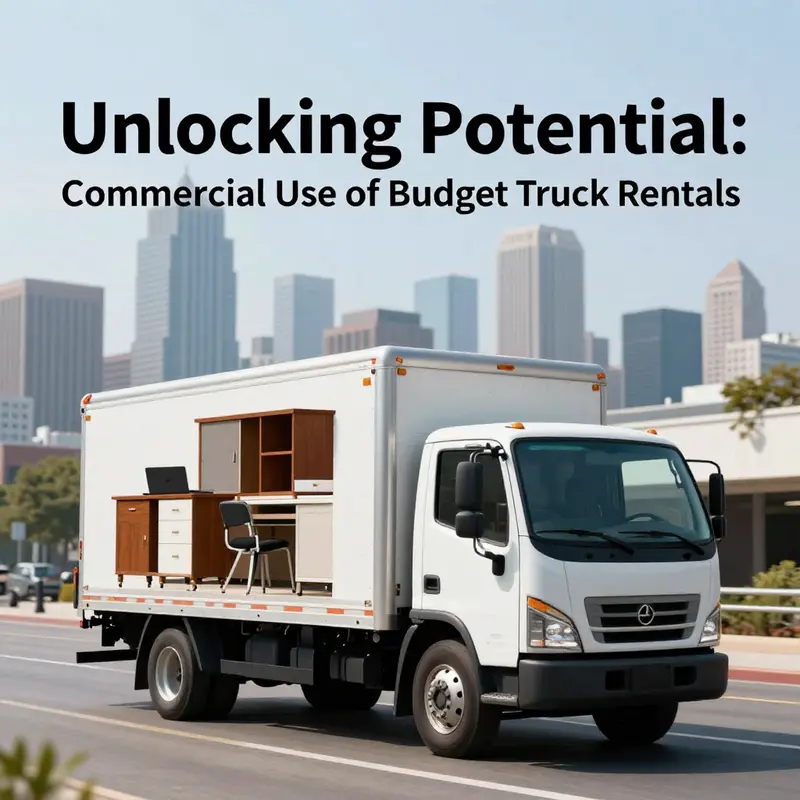
Businesses of varying sizes increasingly rely on flexible, cost-conscious transportation options to move goods, equipment, and supplies without committing to a full fleet. A moving budget truck rental can function as a practical tool in several commercial scenarios, provided the operation is planned with attention to capacity, safety, and legal boundaries. The core idea is straightforward: when used thoughtfully, a budget moving truck can close the gap between a one-off transport need and a more expensive, dedicated solution. Yet the practical path requires a careful review of the rental terms, insurance coverage, and the vehicle’s limits, so the choice remains cost-effective rather than costly in disguise.
At the heart of any decision to deploy a budget moving truck for business is vehicle capability. These trucks typically offer robust cargo space and a straightforward driving experience, which makes them suitable for transporting office furniture, equipment, or inventory for small scale needs. For a business that moves a handful of desks between offices, restocks a showroom, or delivers supplier materials to a local site, a budget-moving-truck can strike a balance between price, speed, and reliability. The same logic applies to events and temporary operations, where large quantities of tables, chairs, displays, or catering supplies must reach a venue in a single trip or two. The advantage is not just lower per-day rental costs, but the flexibility to scale up or down quickly without a long-term commitment to a fleet that may sit idle for most of the year.
But the story is more nuanced than a simple cost worksheet. Every rental agreement frames what you can do with the vehicle, how you insure it, and which uses are allowed. In practice, many budget-truck providers cater to both personal moves and small commercial tasks, yet the fine print matters. One common thread across rental terms is that standard personal auto insurance typically does not cover a vehicle being used for commercial purposes. This gap is not universal, but it is common enough to require explicit confirmation. If a company relies on a standard policy to underwrite a commercial move, gaps can appear the moment a truck is loaded with inventory, staged for a shipment, or used to transport tools and materials to a job site. The prudent business approach is to verify whether commercial liability coverage is needed and, if so, how it fits with the rental, whether this coverage is purchased as an add-on, and who is named as an insured on the policy. Insurance, in other words, is not an ornament; it is a line item that protects both the business and the driver in the event of an accident or loss.
Alongside insurance, the rental agreement itself is a guide to permissible use. A significant part of risk management is understanding where the line is drawn between allowed operations and restricted activities. Some contracts explicitly prohibit or restrict commercial use of the vehicle, or require additional fees, permits, or endorsements for such use. Vehicle-use restrictions can also address the nature of the cargo—certain hazardous materials, for example, are off-limits—or the types of services performed with the truck, like paid delivery operations versus simple transport. These restrictions exist not to complicate matters but to prevent situations where the company’s insurance or liability coverage would not respond in an accident, or where the truck’s design limitations would expose cargo or drivers to unnecessary risk.
Even when a rental is marketed as suitable for business purposes, the practical execution matters. The weight and volume limits of the cargo area must align with the business’s typical loads. A small or mid-sized business may underestimate the difference between the space needed for one large shipment and the space needed for two or more simultaneous jobs. An efficient plan uses a truck sized to handle anticipated loads with a comfortable margin for overhead, packing materials, and safety equipment. Overly aggressive packing can compromise vehicle control, affect fuel efficiency, and exceed payload ratings, creating liability if damage occurs. A thoughtful approach, therefore, is to map out actual shipments, confirm the truck’s payload and cubic footage, and then align the choice to the job rather than a best-guess estimate.
Beyond the mechanics of the vehicle and the paperwork, operators should consider how the rental will fit into a broader workflow. For many businesses, the value of a short-term truck rental lies in the speed with which the move can be executed. That speed can be pivotal in just-in-time inventory systems, where a single delayed delivery can ripple through a supply chain. In these settings, the ability to deploy a truck for a day or two, with minimal setup, can outperform arranging a longer-term hire or negotiating a vehicle lease. Yet speed must be balanced with safety and compliance. Drivers who are familiar with their own routes, loading methods, and unloading procedures are more likely to move efficiently and minimize damage to goods and to the truck itself.
The operational realities of using budget moving trucks commercially also include planning for loading and unloading. The trucks are designed for straightforward loading, but they are not a substitute for professional material-handling equipment when dealing with very heavy or delicate shipments. Protective equipment—moving blankets, tie-downs, ramps, and appropriate pallets—still plays a crucial role in protecting both cargo and vehicle. A small business that routinely handles delicate equipment or heavy inventory may find it cost-effective to add a brief training session for staff that covers safe loading practices, weight distribution, and securing loads. The result is fewer on-site accidents, fewer claims, and a smoother handoff of goods to customers or prepare-for-delivery teams.
In the case of construction-related uses, budget moving trucks can serve as a flexible on-site solution for transporting tools, materials, and small machinery between sites. The reality here is that construction projects are dynamic, with schedules that shift due to weather, site access, or supply delays. A rental vehicle can bridge gaps when tool trailers or dedicated equipment fleets are not available. The key is to align each rental with a concrete plan: what will be moved, where it goes, and how long it will be needed. Clear communication with the rental provider about the expected timeline helps ensure the vehicle remains a tool for productivity rather than an improvised service that complicates logistics.
Event management and catering present another natural fit. Large-scale events require rapid, reliable transport of tables, chairs, audiovisual gear, and catering supplies. A budget truck provides a practical means to consolidate multiple shipments into one or two trips, which can cut down on labor costs and reduce the risk of missing items. For these applications, careful route planning and load sequencing matter as much as the trucking itself. The human factors—team coordination, driver readiness, and on-site maneuverability—often determine whether the rental yields a tangible return on investment.
Office relocation is perhaps the clearest case of a temporary need that a budget moving truck can satisfy. When a company expands, consolidates, or reorients space, moving furniture, electronics, and office supplies becomes a logistics puzzle. A single rental period can cover the transition between locations with far less disruption than a more permanent fleet arrangement would entail. Here again, the advantage rests on matching the truck size to the scope of the move, ensuring insurance coverage aligns with the value of the goods, and confirming that any required permits or endorsements are in place if the move touches multiple sites or involves heavy equipment.
To anchor these considerations in practical action, a business should treat the rental decision as a small project within its broader procurement and risk management framework. Start with a clear assessment of cargo needs, route constraints, and schedule windows. Then confirm the rental’s terms: is commercial use allowed, what liability coverage is necessary, and what restrictions apply to loading, hauling, or delivering goods? A quick conversation with the rental provider can prevent surprises, especially if the business intends to use the truck in a nonstandard way—such as making paid deliveries, transporting hazardous materials, or authorizing multiple drivers. This is not about cynicism toward rule-making; it is about ensuring the business remains in compliance and the driver remains protected, while preserving the economic upside of a flexible solution.
For ongoing readers who want to explore broader perspectives on fleet management, the topic often intersects with the evolving landscape of affordable, flexible transport options. The conversation extends beyond individual rentals to the strategic planning of when and how to deploy a light-duty or mid-weight vehicle in response to demand. As markets shift, businesses may find that the occasional budget truck rental dovetails with other arrangements—shared fleets, short-term leases, or on-demand logistic services—creating a blended approach that preserves capital while maintaining reliability. The best outcomes come from deliberate decision trees: assess need, confirm terms, verify coverage, plan for capacity, and measure results after each use. This cyclical approach keeps commercial use aligned with financial discipline and risk awareness, rather than letting spur-of-the-moment moves erode margins.
To further explore practical perspectives and operational context, you can visit the broader industry discourse in the McGrath Trucks blog, which offers insights into how smaller fleets and individual operators navigate shifting market conditions and equipment utilization. McGrath Trucks blog.
For readers seeking formal, insurer-backed guidance on commercial use and liability, the official commercial-use guidelines provided by major rental providers outline the boundaries that businesses should respect. These resources emphasize the separation between personal and commercial coverage and highlight the steps necessary to reduce risk when operating a rental vehicle in business activities. When in doubt, treat the rental as a business asset with its own policy and terms, rather than an extension of personal dependability. The distinction matters for cost, coverage, and the confidence to move goods efficiently without exposing the business to unnecessary exposure. In practice, this means documenting loads, securing proper endorsements, and maintaining records of insurance, permits, and driver qualifications. The disciplined execution of these items turns a budget option into a reliable component of a commercial transport strategy, rather than a potential liability.
In sum, budget moving trucks can be a versatile instrument in a small business’s transport toolkit. They offer a pragmatic solution for short-term needs—whether it is a one-off office move, a mid-pack delivery run, or an on-site materials haul for a project. The key lies in marrying practical payload and space considerations with strict attention to rental terms and insurance coverage. When the plan is clear, when the cargo is properly secured, and when the use falls within the provider’s guidelines, the truck becomes more than a temporary convenience. It becomes a disciplined, cost-aware option that supports operational agility without tying a business to a large, long-term fleet commitment. The outcome is a more adaptable business that can respond to demand with speed, while preserving margins in a competitive landscape. And with careful due diligence, that affordability does not come at the expense of risk or compliance. The chapter of practical commercial use, then, closes with a simple truth: the right mix of planning, policy, and prudence makes budget moving trucks a credible, value-focused tool for business mobility.
External resource for formal commercial-use guidelines: https://www.uhaul.com/Commercial
Practical Fleet on a Budget: How to Use Moving Budget Trucks for Small-Scale Commercial Work
A small business often faces the need to move equipment, stock, or furniture without committing to a dedicated fleet. A moving budget truck can serve as a practical, flexible option when used thoughtfully and within clear boundaries. The core idea is that a vehicle built for heavy loads and straightforward operation can support a wide range of commercial tasks—office relocations, temporary storage movements, or the transport of goods for a pop‑up shop or remodeling project. But because these trucks sit at the intersection of personal-use design and commercial needs, success comes from a deliberate process that respects terms, safety, and cost. The path to that success starts with a clear picture of what your operation requires and an honest appraisal of how a rental aligns with those needs.
First, assess the business need with a calm, numbers‑driven eye. The question is not only how much you must move, but how often you will need to move it, and what kind of journey the truck will undertake. Volume matters, yes, but so do distance, time constraints, and the nature of the goods. Are you transporting finished products, raw materials, or equipment? Will you need to handle fragile items, or deliver to multiple destinations in a single day? Each scenario points to different cargo space, load security, and handling requirements. A careful estimate of these factors helps prevent overpaying for a larger truck or risking crushed inventory in a truck that is too small. The balance is delicate: a truck that is too large will burn fuel and incur higher daily rates, while one that is too small will require extra trips and increase the chance of damage during transit. To frame this decision, picture the move from start to finish, including loading time, driving time, and on‑site unloading. This mental map becomes the anchor for choosing the right size and configuration.
Size selection, in turn, links directly to cost control. Fuel efficiency, driver fatigue, and wear on the vehicle all rise or fall with the size of the truck chosen. A well‑matched truck trims fuel costs and reduces the risk of making multiple trips that cut into margins. It also lowers the chance of improper loading, which can cause cargo shifts or damage. When you begin the rental process, treat the choice as a business decision rather than simply a convenience. Request a vehicle that aligns with your load profile, and be prepared with a plan for potential contingencies—whether a second vehicle would be available for back‑ups or whether the rental includes a mileage cap that could affect your economics.
Before you sign, verify the terms of use. Many budget truck rentals are marketed primarily for personal moves and carry terms that either restrict commercial use or impose extra fees for business activities. The commercial use clause can influence whether you can move inventory in a delivery‑style fashion, assemble temporary spaces, or shuttle equipment between sites. Read the rental agreement with care, focusing on sections about permitted use, geographic restrictions, and any required endorsements for business operations. If terms aren’t explicit, contact the rental provider directly to confirm what constitutes allowed activity and whether you need a special permit or add‑on. This step protects you from unexpected penalties and aligns expectations on both sides.
No matter the use case, a thorough vehicle inspection before pickup remains essential. A commercial run hinges on reliability. Begin with the exterior and the undercarriage, looking for leaks, unusual wear, or obvious damage. Check the tires for tread and sidewall integrity and inspect the brakes and lights because a late‑day or night move is common in the commercial world. Inside, verify that the cargo area is clean, secure, and ready for cargo restraints. Confirm that loading ramps, tie‑downs, and straps are present and in good condition. Test the instrument panel, the HVAC system, and the warning signals. A quick pre‑trip checklist may feel formal, but it pays for itself in peace of mind and in avoided delays. If you detect anything amiss, report it immediately and request a replacement vehicle or arrange for repairs before the move begins. The more rigorous the inspection, the less likely you’ll encounter interruptions that push your schedule into overtime or force costly improvisations on site.
Insurance is the area where many business operators encounter the sharp edge of risk management. The standard personal auto policy is not always sufficient for a commercial transport scenario. You should confirm that the rental provider offers coverage that protects both liability and cargo in a way that fits your business exposure. If the policy provided by the rental arrangement seems narrow, consider purchasing supplemental coverage. The cost of this protection is often modest relative to the potential loss from an accident or cargo damage. It’s prudent to document the policy limits you require and to carry proof of insurance during the rental. In addition to liability protection, cargo coverage can be vital when transporting merchandise or valuable equipment. If your cargo is sensitive or high‑value, you may want to explore additional endorsements or a higher cargo value on policy documents. For many small businesses, this step is a non‑negotiable guardrail against unplanned costs.
Beyond insurance, the journey itself benefits from careful route planning. Map the trip to minimize tolls, restricted zones, and high‑traffic corridors. The commercial timetable is less forgiving than a personal move, and delays can ripple into higher charges or missed commitments at the destination. Build in extra time for loading, securing cargo, and parking the vehicle at the drop site. Consider weather, road work, and typical rush hours along the route. A well‑planned route also reduces the risk of mechanical strain on the truck, contributing to a smoother experience and lower maintenance concerns in the days that follow. When possible, identify staging locations where you can pause to re‑bag tie‑downs, reassess load stability, or take a quick safety check. The aim is to stay three steps ahead, not reactionary to the next obstacle.
Record keeping underpins both accounting and compliance. Maintain a tidy trail of your rental agreement, mileage, fuel receipts, and any incidents or near misses. A simple log can save hours during reconciliation and audit periods. In the event of a claim or inspection, you’ll have ready access to documentation that proves you operated within the permitted scope and that you managed the vehicle and cargo responsibly. The discipline of meticulous record keeping is itself a form of insurance—a practical habit that translates into smoother operations, better budgeting, and a clearer path to repeat use when your business requires a temporary transport solution.
For professionals who want to ground their decisions in current industry dynamics, the broader market context matters. The practicalities of budgeting, vehicle availability, and pricing shift with macro forces like fuel costs, maintenance demand, and regulatory changes. A growing body of industry commentary highlights how fleets and solo operators alike are recalibrating expectations around used and rental trucks. A thoughtful read on current trends in used truck sales growth provides useful signals for planning, forecasting, and timing your rental purchases. You can explore that perspective here: current trends in used truck sales growth. As with any business tool, the decision to rent a moving budget truck should align with your financial model and risk appetite, not just with availability or convenience.
When a rental is appropriate, incorporate a practical checklist into your standard operating procedure. Start with the objective: what is the move designed to achieve for the business this week or month? Then confirm the terms, assess the truck size, verify insurance coverage, and plan the route. Ensure the vehicle’s loading capacity is compatible with the items you plan to move, and build time buffers into your schedule. Use proper loading practices to prevent cargo shift and to protect both people and goods. Secure the load with restraint systems and verify that all equipment needed for safe handling is on hand. Consider setting a fixed debrief with your team after the move to capture learnings for future deployments—what worked, what didn’t, and what you’d adjust next time. This continuous improvement mindset is the surest route to turning a budget rental into a reliable, scalable asset for your business.
In sum, using a moving budget truck for commercial use can be a smart, cost‑effective option when approached with discipline and clarity. It requires upfront planning, alignment with rental terms, thorough vehicle checks, and robust risk management. By sizing the vehicle to your load, validating insurance, plotting a sensible route, and keeping precise records, a small enterprise can leverage a temporary transport solution without compromising safety or fiscal health. The result is not a one‑off errand, but a deliberate, repeatable process that supports operations, client commitments, and growth—without tying up capital in a dedicated fleet. For those who want even more guidance on the commercial‑grade aspects of truck rentals, consider consulting established, industry‑focused resources that discuss how fleets and individual operators navigate insurance, terms, and best practices in real‑world settings. External resources can ground decisions in practical examples and current policy frameworks, helping you design a standard operating model that works within your budget and your compliance obligations. The pragmatic result is a moving solution that feels less like a temporary stopgap and more like a reliable component of your business workflow.
External resource: https://www.enterpriserentacar.com/commercial-truck-rentals
Final thoughts
Understanding the commercial use of moving budget truck rentals is pivotal for businesses aiming to enhance operational efficiency while remaining compliant with regulations. Adequate knowledge of insurance implications, terms of rental agreements, and practical applications ensures that businesses can optimize the benefits associated with these vehicles. By adhering to established best practices, trucking and logistics firms can significantly streamline their rental processes, resulting in cost savings and improved service delivery. Equip your organization with the insights from each chapter to utilize moving budget trucks effectively in your commercial pursuits.