In the evolving landscape of commercial trucking, the 2023 Ford F-150 Lightning showcased in Turo’s latest commercial presents a compelling case for fleet owners and procurement teams. As electric vehicles gain traction, understanding their capabilities, features, and how they fit into market strategies becomes vital. This article explores the Ford F-150 Lightning’s role in the commercial sector, its innovative features, and its significance in Turo’s marketing approach. Each chapter delves into critical aspects that fleet managers, logistics firms, and construction enterprises must consider when evaluating this electric pickup truck.
The Electric Icon in the Turo Commercial: Breaking Down the 2023 F-150 Lightning
A modern truck reimagined for new drivers
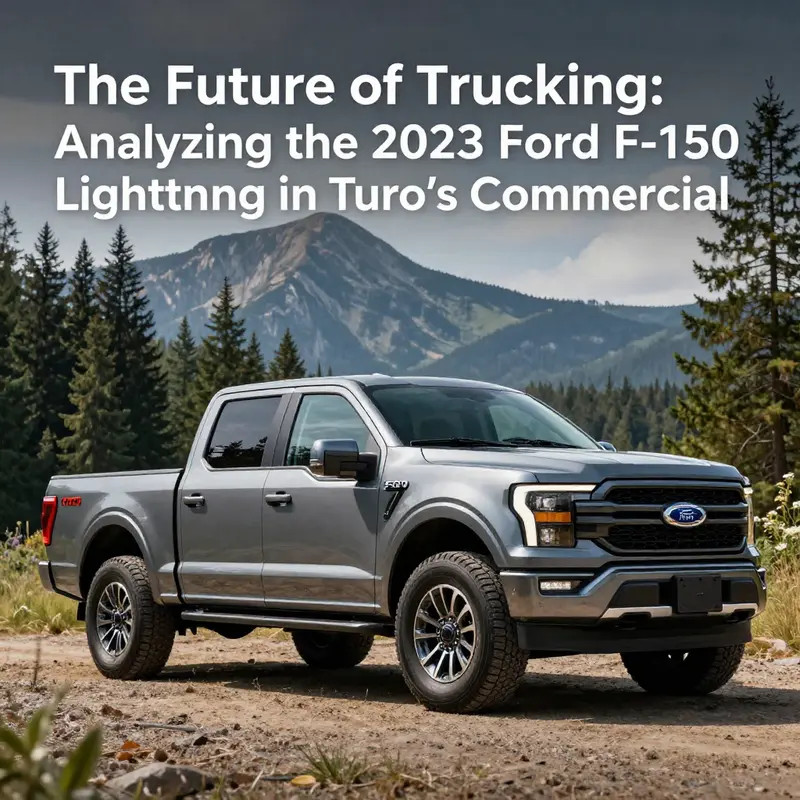
The vehicle that anchors the Turo commercial is a 2023 F-150 Lightning, a full-size electric pickup that signals a clear shift in how trucks are presented to renters and adventurers. The commercial does more than show a vehicle; it makes a case. It frames the truck as a bridge between a beloved, rugged truck heritage and a future defined by electric power, digital integration, and practical versatility. That framing matters because the audience for peer-to-peer car sharing expects novelty and capability in equal measure. They want something that performs on the road and enhances an experience off it. The Lightning in the ad delivers on both counts.
Visually, the truck stands out. The design borrows from familiar truck cues while pushing them into a cleaner, more intentional silhouette. The closed front grille and the horizontal LED light bar create a strong, single-plane face that looks modern at any distance. The bodywork keeps the muscular proportions associated with full-size pickups, but the surfaces feel more refined. That refinement sends a signal: this is a truck built for hard work and comfortable travel. It’s a purposeful blend of function and contemporary style.
Beyond looks, the commercial carefully showcases the truck’s technological differentiators. One of the most prominent features presented is its ability to act as a mobile power source. The on-board power capability is demonstrated through scenes where the truck supplies electricity for tools, camp gear, and emergency needs. This element reframes the idea of what a pickup can do. No longer limited to towing and hauling, it becomes a versatile utility platform. For renters who plan outdoor trips, remote work, or projects that require on-site power, this practical versatility is compelling.
Performance is another theme the commercial emphasizes. Electric trucks are often associated with smooth instant acceleration. The ad uses quick cuts and scenic shots to underline the vehicle’s quiet surge from standstill and confident handling at highway speeds. The instant torque characteristic of dual-motor setups gives the truck a responsive feel. This responsiveness is shown in everyday scenarios that Turo renters might face—merging onto freeways, pulling trailers, or climbing steep, gravel roads on the way to a campsite. In each scene, the truck’s electric drivetrain is presented as both powerful and predictable, enhancing the notion that this is an everyday-capable vehicle.
Range and charging are woven into the narrative subtly. The commercial doesn’t dwell on technical specifications. Instead, it focuses on practical outcomes—long enough range for day trips, convenient overnight charging at home, or fast charging on longer journeys. This choice reflects how most renters think about electric vehicles: they want reassurance, not spreadsheets. By showing the truck in varied landscapes and activities, the ad builds confidence that the electrical architecture supports real-world adventures without constant concern about finding a charger.
The commercial also nods to environmental and technological progress without making it preachy. There are visual cues—clean air, open skies, natural settings—that softly imply lower emissions. The truck’s interior and infotainment moments emphasize connectivity and digital convenience. These scenes are short but meaningful; they reinforce a sense of modernity. People watching the commercial are left with an impression that the truck represents a smarter, cleaner option without feeling lectured.
Renting a truck like this through a platform such as Turo becomes an experiential offer. The ad positions the truck as an introduction to electric truck ownership for curious drivers. It invites renters to test the platform’s benefits—power, quiet performance, and tech-forward features—without committing to a purchase. For many, a rental can be the moment they move from skepticism to genuine enthusiasm. The commercial is crafted to encourage that leap by combining aspirational imagery with practical demonstrations of the truck’s capabilities.
The presentation also highlights utility in specific, relatable scenarios. The truck powers a tailgate cookout, runs power tools at a roadside project, and provides lighting and outlets for an outdoor overnight. These use cases make the functionality tangible. Viewers are able to mentally place themselves in those scenes, imagining how the truck could enhance their own plans. This is effective storytelling—concrete examples turn abstract features into lived benefits.
A subtle theme of heritage appears throughout the commercial. The truck retains the stance and cargo capacity commonly associated with long-established full-size pickups. This continuity reassures traditional truck users who value durability and load-carrying ability. Presenting the Lightning in contexts familiar to truck owners—hauling gear, driving through forests and plains, towing leisure vehicles—signals that electrification does not erase the practical DNA of a pickup. Instead, it augments it with new capabilities.
The commercial’s tone is important. It balances excitement with utility. Instead of making grand statements about revolution, it shows quiet competence. The voiceover, if present, remains measured. The visuals are compelling but not hyperbolic. This approach fits the target audience: travelers, outdoor enthusiasts, and renters who prioritize reliability and a sense of discovery over flashy marketing talk.
From a design perspective, the truck’s identity is crafted to be both aspirational and accessible. The LED light bar provides an unmistakable hallmark that reads well on television and digital platforms. The interior design, though not the focus of extended shots, suggests a modern cabin with integrated screens and usable storage. This combination presents the vehicle as a comfortable environment for long drives and a pragmatic workspace for short-term utility needs.
Another aspect the commercial leverages is the social proof inherent in a rental marketplace. Featuring this truck in an ad for Turo signals availability. It tells viewers two things: first, that you can access a cutting-edge vehicle without buying it; and second, that adventurous, tech-minded renters are already seeking and using such vehicles. That implicit endorsement is powerful. Peer-to-peer platforms thrive on the idea that unusual, high-value vehicles are within reach. The truck, with its mix of capability and novelty, becomes a compelling candidate for those seeking a memorable trip.
The commercial also works as product education in short form. Many consumers are still developing mental models of electric trucks. The ad’s carefully chosen scenes illustrate key differentiators without a heavy technical load. Viewers come away understanding that the truck offers robust power delivery, flexible on-board electricity, and a driving feel unlike traditional pickups. That understanding reduces the friction for prospective renters. They feel more equipped to try the vehicle because the ad replaces uncertainty with clear, digestible examples.
For Turo, the truck is a strategic asset in messaging. It captures attention because of its novelty and aligns with the brand’s emphasis on unique and interesting vehicles. The commercial subtly communicates that the platform is not merely a place to rent cars. It is a marketplace for experiences. The 2023 F-150 Lightning fits that narrative perfectly. It’s contemporary, versatile, and just different enough to be memorable.
Finally, the commercial’s portrayal of the truck touches on future-facing reliability. By demonstrating the truck across varied conditions and tasks, the ad anticipates common doubts. People worry about new technology’s durability and practicality. The commercial addresses these concerns indirectly by showing the truck performing reliably in each vignette. The takeaway is that electrified trucks are not speculative novelties. They are practical tools ready for real-world use.
For readers curious about the broader market context, there are discussions and resources that explore how electric trucks are changing regional markets and buyer behavior. One useful perspective can be found in a discussion about how electric trucks are reshaping demand and perceptions in northern markets, such as Canada, where range and charging infrastructure are crucial factors. That exploration is available through an article on electric truck adoption and market evolution: electric trucks revolutionize Canadian market.
If you want a closer look at the specific truck featured in the commercial, Turo maintains a listing page that outlines vehicle availability and features. You can review details, availability, and host information on the platform here: https://www.turo.com/vehicles/ford-f-150-lightning
Overall, the commercial smartly positions the 2023 F-150 Lightning as a pragmatic gateway to electric truck ownership. It highlights the truck’s strengths—versatile onboard power, instant torque, modern design, and practical range—in ways that resonate with renters. By focusing on use cases rather than specifications, the ad invites viewers to imagine their own trips and projects. That invitation is the centerpiece of the message: this is a truck you can rent to experience the next chapter of pickup trucks, today.
Electric Power, Urban Ease, and Outdoor Versatility: Decoding the Truck Behind Turo’s Commercial Adventure
When audiences watch the Turo commercial, they are meant to notice more than a stylish vehicle gliding through varied landscapes. The star is an electric pickup that embodies a modern blend of power, efficiency, and smart design. The moment the driver presses the accelerator, the vehicle responds with immediate, confident propulsion. There is a quiet certainty in the way the motor delivers torque, an attribute that feels both utilitarian and premium. This is not merely a showcase of speed; it is a demonstration of how an electric pickup can blend urban practicality with weekend outdoor capability. The commercial uses this balance to tell a larger story about what a modern vehicle can offer in a marketplace that prizes flexibility, connectivity, and the ability to adapt to a renter’s shifting needs. It is a message that resonates with travelers and explorers who want to move seamlessly from city streets to country lanes, from a morning commute to a roadside campsite, without sacrificing comfort or convenience.
In practical terms, the truck in the spot represents a new kind of tool for renters. It is an electric powertrain that promises strong, linear acceleration and steady highway confidence, coupled with a design that accommodates both daily driving and more adventurous tasks. The instant delivery of torque—one marker of electric propulsion—translates into smooth overtakes, easy merging, and a sense of assurance when the road climbs or winds. Rather than emphasizing raw speed, the portrayal centers on a predictable, controllable response that helps a renter plan trips with less concern about engine noise or fuel stops. This is the operational appeal that matters to someone booking a vehicle for a weekend escape or a last‑minute move across town. The vehicle’s quiet operation, especially at typical cruising speeds, aligns with the experience many renters seek: a calm, comfortable ride that does not intrude on the scenery or the conversations inside the cabin.
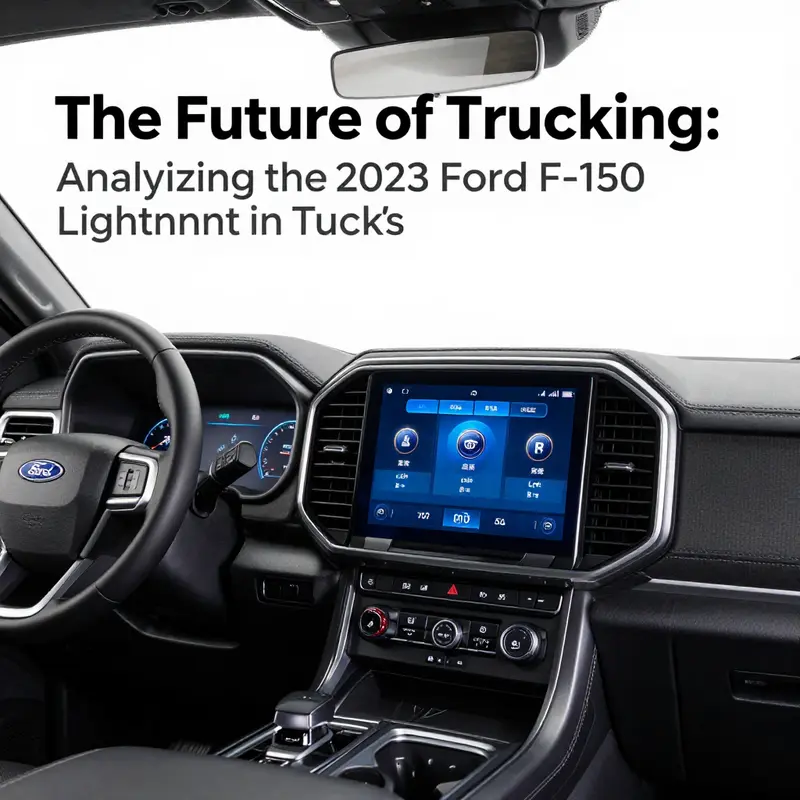
The exterior and interior design language reinforce that message. Clean lines, a modern grille region that suggests capability without aggression, and a cabin that looks ready for work or play—these cues signal flexibility. The interior presents a cockpit built around human-centered controls and a touchscreen ecosystem that emphasizes intuitive use. A well-thought dashboard layout puts essential information within easy reach, while the digital cluster and large central display convey vehicle status, navigation, and media with clarity. The emphasis is on ease and efficiency rather than flashy gimmickry. In rental terms, this translates into a vehicle that can become a dependable partner for a range of itineraries, from ferrying friends to loading bikes for a trail day to managing groceries for a camping trip. The design language communicates reliability and comfort, essential traits for renters who want to feel in control from moment one.
Technology sits at the heart of this narrative. The truck’s interface is not merely about pretty graphics; it is about practical connectivity and proactive functionality. An integrated system ties navigation, entertainment, climate control, and vehicle settings into a cohesive experience. The ability to pair smartphones quickly, access music and apps, and receive over‑the‑air updates helps ensure the truck remains current without requiring frequent visits to a dealer or service center. Advanced driver assistance features—like adaptive cruise control, lane-keeping assist, and blind-spot monitoring—contribute to a safer driving experience, especially when a renter is navigating unfamiliar routes or driving in dense urban environments. These are not luxuries but practical tools that reduce stress on the road and in the parking lot. A renter who is new to electric driving benefits from the calm confidence that comes with system-guided assistance and clear visual feedback about charging needs or range expectations.
Beyond the cockpit, the truck’s architecture speaks to versatility. The electric platform supports a spacious cargo area and accessible bed configurations that can handle a range of loads without demanding compromises. The presence of a front trunk—often called a frunk—adds a surprising amount of storage for everyday gear, tools, or travel accessories. This expanded storage space can prove especially useful for a renter who needs to organize gear for a weekend adventure or for someone who is moving small items between apartments. The bed itself is designed to offer flexibility: tie-down points, modular organizers, and a flat load floor that makes it easier to stow awkward items. For renters, the ability to reconfigure space quickly translates into more time enjoying the trip rather than wrestling with logistics. This adaptability is a core part of the vehicle’s appeal in a rental marketplace where users come with diverse needs and plans.
The dimensional practicality of the truck is a recurring theme in the commercial narrative. The mid‑size footprint of a pickup with a spacious bed makes it a compelling option for urban dwellers who still crave weekend adventures. Parking and maneuverability are highlighted as strengths, addressing two common pain points for renters who live in cities or are trying to navigate tight street patterns. While the vehicle can handle moderate loads and offer robust range for long weekends, the commercial backdrop subtly acknowledges the limits associated with any mid‑size option. It communicates a balanced approach: this is not the largest truck on the lot, but it excels at efficiency, ease of use, and versatility for a broad spectrum of tasks. The emphasis on these traits aligns naturally with Turo’s marketplace, where a renter’s objective often centers on a straightforward, dependable experience that minimizes friction while maximizing enjoyment.
A closer look at the practicalities of the truck’s capabilities reveals how the ad’s storytelling mirrors real-world rental considerations. The electric propulsion system delivers performance that many renters value, especially those who want quick response for highway merging or for passing on scenic road trips. The quiet operation enhances comfort, allowing conversations to flow freely or making it easier to enjoy a favorite playlist while traveling. In city driving, the truck’s size and visibility contribute to a sense of control in congested conditions. For those who need to navigate narrow streets or find parking in tight spaces, the combination of a manageable footprint and good aerodynamics makes daily use feasible and less stressful. These everyday advantages transition smoothly into weekend itineraries, where the vehicle’s powertrain supports light towing tasks and the ability to maintain momentum on longer drives.
The commercial framing also underscores a broader narrative about what modern renters seek in a vehicle. The vehicle stands as a symbol of contemporary mobility: a blend of clean energy, sophisticated technology, and practical utility. It promises a sustainable driving experience without requiring compromises in luxury or capability. Renters who value forward-looking engineering will find a familiar appeal in the design ethos: a vehicle that is contemporary in how it looks, modern in how it operates, and flexible in how it can be used. The advertisement uses scenes of this vehicle moving from urban into more rugged settings to remind viewers that modern electric pickups are not binary in their application. They can be quiet and refined for daily life, yet robust enough to handle weekend getaways. This duality is precisely what makes the truck compelling for a wide audience on a platform that prizes diversity and inclusion of different travel styles.
From a rental strategy perspective, the truck’s presentation in the Turo commercial highlights why renters might prefer electric pickups over traditional internal combustion engine options. The electric architecture promises lower operating costs in the long run, with fewer moving parts to service and a simplified energy model that translates to predictable energy use and charging costs. For some users, the environmental narrative adds appeal—the idea of reducing emissions while still enjoying the autonomy that a pickup offers. Yet the advertisement does not overplay the environmental angle. Instead, it weaves it into the broader functionality story: efficient power for daily errands, coupled with the capability to escape for outdoor exploration, all without sacrificing comfort or connectivity. In other words, the truck is positioned as a practical, all‑around tool rather than a niche vehicle reserved for a specific lifestyle.
To connect this portrayal with buyer considerations, it helps to step back and assess how compact, mid‑size, and full‑size trucks compare in a rental context. The ad leans into the versatility of a mid‑size footprint that balances payload potential with urban practicality. Compact pickups often excel when parking, maneuvering through traffic, and delivering respectable fuel efficiency—factors that matter to renters who are testing the waters with truck ownership or who intermittently need a larger vehicle for tasks. At the same time, larger trucks bring greater payloads and more substantial bed space, making them attractive for renters who anticipate heavier hauls or more serious outdoor adventures. The ad’s emphasis on a capable, modern electric option suggests a strategic middle ground: enough bed space and torque to be useful in many scenarios, paired with the benefits of electric power that enhance daily usability and overall cost of ownership for a rental destination.
In communicating these nuances, the commercial also signals to the renter that technology is not an optional add‑on but an embedded part of the ownership experience. The integration of software-driven features, connectivity, and driver assistance is presented as standard operating behavior. This framing aligns with the evolving expectations of renters who want a vehicle that feels modern from the moment they step inside. It also hints at a larger trend in the market: a growing willingness to consider electric pickups as credible tools for everyday life, not just as yesterday’s niche options or showroom showcases. The story conveyed through the commercial is, at its core, practical and aspirational at once. It reassures renters that they can rely on a compelling blend of energy efficiency, capability, and user‑friendly technology to unlock their plans without friction.
With these layers in view, the chapter invites readers to consider how the vehicle’s capabilities map onto real-world rental decisions. If a renter’s itinerary includes a mix of urban errands, weekend getaways, and light outdoor hauling, this electric pickup offers a compelling case. It can handle a range of tasks with a single, well‑rounded platform. The mix of quiet operation, strong acceleration, and flexible cargo options makes it easier to plan trips with confidence, knowing that the vehicle can adapt to changing needs along the way. For someone who values a clean, modern aesthetic and appreciates the efficiency of an electric powertrain, the truck exemplifies a practical, forward‑looking choice in a crowded rental market. The commercial’s careful staging—showing the vehicle in varied contexts, from downtown streets to roadside vistas—reinforces the message that this is a vehicle designed for the realities of contemporary travel: flexibility, reliability, and a touch of excitement when the road opens up.
In this way, the commercial does more than feature a vehicle. It positions a technological platform as a partner in a renter’s plans. The emphasis on ease of use, versatility, and connected living resonates with a consumer base that expects seamless experiences from everyday mobility—experiences that translate into fewer hassles and more opportunities to connect with friends, family, and the places they want to explore. The result is a narrative that is not merely about a truck in a commercial but about a rental experience that aligns with a broader cultural shift toward electrified, tech-enabled, adaptable transportation. The vehicle becomes a conduit for a lifestyle that blends efficient city living with the thrill of outdoor exploration, all delivered through a modern, user‑friendly package that is easy to adopt and enjoy.
For readers who want to place this vehicle within a broader market context, there is a useful line of inquiry about how these trends fit into the evolving landscape of truck availability and consumer demand. The market is increasingly attentive to how new powertrain architectures, smarter cabins, and flexible cargo solutions meet the needs of a diverse renter base. In other words, the advertisement captures a moment in which the rental ecosystem is responding to a multi-faceted demand: a shift toward sustainable propulsion, a desire for more sophisticated technology, and a preference for vehicles that can seamlessly transition between city use and weekend adventure. The impression is not that a single model dominates, but that a new archetype is emerging—the electric pickup that is practical enough for daily life and capable enough for weekend escapes. This archetype aligns with evolving renter expectations and market dynamics, a convergence point that offers compelling opportunities for both listing owners and platform operators.
From a storytelling perspective, the Turo commercial succeeds by reframing the truck as a versatile tool rather than a mere asset. The commercial’s arc—quiet power, intelligent design, adaptable cargo space, and a connected driving experience—speaks to a renter’s practical aspirations while also tapping into the emotional appeal of freedom and exploration. It is a reminder that a vehicle on a rental platform is not simply a means of transport; it is a vehicle for plan-making, memory-making, and the confidence that comes with reliable performance. The narrative reinforces the idea that a modern electric pickup can be both economical and exciting, and that it can support a spectrum of trips—from routine errands to ambitious itineraries—without forcing the renter to compromise on comfort, convenience, or safety.
In this light, the choice to foreground an electric pickup rather than a traditional gasoline vehicle becomes more than a stylistic preference. It signals a deliberate alignment with contemporary values around efficiency, responsible usage of energy, and the desire for a connected driving experience. The commercial’s portrayal suggests that renters are ready for vehicles that combine the best elements of practical utility with the thrill of modern technology. And as the rental market continues to evolve, the adoption of such vehicles in the catalog helps to normalize electric options and to highlight how their real-world benefits translate into meaningful, everyday use. The narrative therefore serves multiple purposes: it educates potential renters about what to expect from an electric pickup, it demonstrates the vehicle’s compatibility with a wide range of activities, and it subtly nudges readers toward considering contemporary powertrains as credible, versatile tools for their travel and moving needs.
For those who want to explore how these dynamics are playing out more broadly in the industry, the idea of market trends around used trucks and the changing composition of rental fleets can be informative. The industry is watching how electric offerings fit alongside traditional options, how charging infrastructure and battery technology influence usage patterns, and how consumer perceptions shift as electric pickups become more common on rental platforms. The convergence of performance, efficiency, and connectivity in a single platform reflects a future in which electric trucks are not a niche choice but a standard option for a wide spectrum of users. The Turo commercial captures this shift in a few deft moments: a vehicle that looks capable, feels easy to drive, and behaves predictably across varied environments. This is the essence of a modern rental experience and a preview of what renters can expect as the market continues to evolve.
To offer a practical touchstone for readers seeking more context beyond the ad, there is a helpful resource that discusses how the rental process works for pickup trucks in the Turo ecosystem. It covers the steps renters take to select, book, and use a pickup on the platform. This guide helps translate the cinematic presentation of the truck into concrete, everyday decision making. For readers curious about the broader marketplace context, a link to the latest industry insights on used truck sales growth can provide a lens on how demand and supply are shifting as more electric options appear on rental rosters. The connection between the advertisement’s portrayal and real-world market dynamics helps to ground the discussion in practical terms for both renters and owners.
In sum, the Turo commercial frames the electric pickup as a versatile, tech-forward tool suited to a wide range of itineraries. Its power delivery, cabin comfort, and cargo flexibility are presented in a way that aligns with modern renter expectations: a vehicle that is easy to live with on a daily basis and capable enough to support adventures when the moment calls for it. The result is a compelling narrative about what a truck can be in a world where mobility must be efficient, adaptable, and connected. For readers, this means considering how such a vehicle could fit into personal itineraries, balancing the need for practical transport with the thrill of exploration, all within a rental framework that emphasizes convenience, reliability, and value. The commercial does not merely display a truck; it communicates a philosophy of mobility that many renters will recognize and want to participate in.
Internal link reference for context on market dynamics: current trends in used truck sales growth.
External resource if you want a practical guide on renting a pickup truck through the platform: How to Rent a Pickup Truck on Turo – A Practical Guide.
The Truck as a Prop for Possibility: Reading Turo’s Ad Strategy Through an Electric Pickup
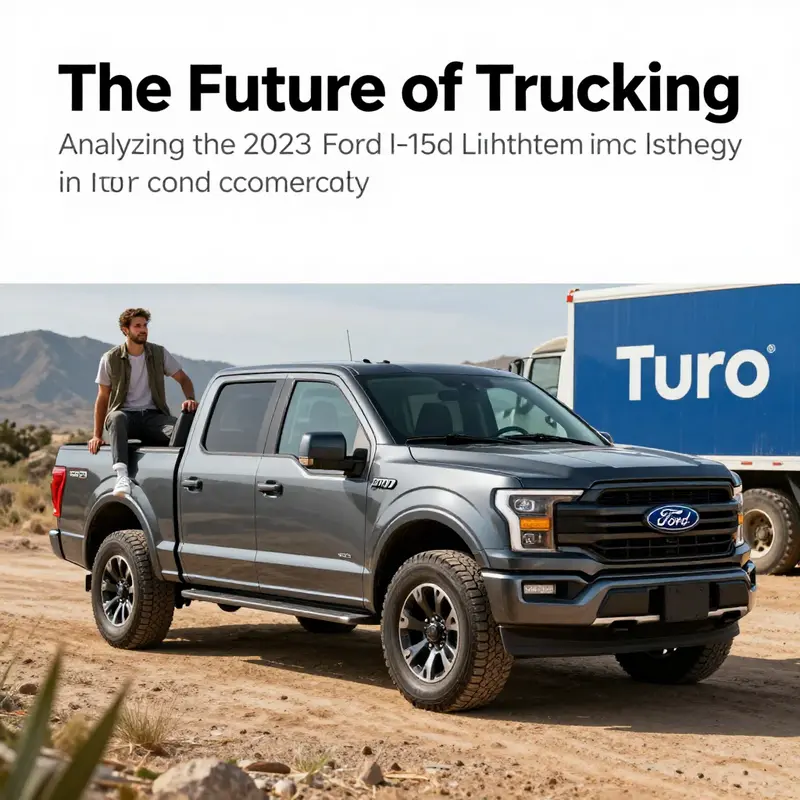
When a car-sharing platform leans into a single, high-capacity vehicle in a commercial, the image is rarely about selling that model to every viewer. Instead, it is about signaling what the service can unlock for people who rent, list, or travel. In the Turo ad landscape, the star of the spot is an electric pickup. It appears not as a sales brochure for a specific truck but as a conduit for broader themes: capability, modernity, and a curiosity about how technology intersects with travel and shared ownership. This is a deliberate choice. The truck in the advertisement functions as a lens through which viewers glimpse a world where power, range, and rugged versatility are not luxuries but everyday possibilities when a car is part of a rental marketplace. Yet the chapter cannot stop at admiration for its torque or its taut, angular lines; it must explore how this vehicle contributes to, or perhaps clarifies,, Turo’s branding and marketing strategy as a whole.
First, to understand the function of the electric pickup within the ad, it helps to situate it within the broader branding approach of the platform. The campaign uses a vehicle that embodies progress—the kind of progress that consumers expect from a digital marketplace that promises choice, speed, and reliability. The truck’s electric powertrain and high-tech image are not incidental; they are a deliberate echo of the platform’s core promises: seamless connections between renters and owners, a diverse catalog, and the efficiency of a mobile, on-demand economy. The choice to spotlight an electric pickup taps into a wider cultural conversation about sustainability, performance, and preparedness for outdoor or road-based adventures. It isn’t a cold technical showcase; it is a narrative device that invites viewers to imagine how the platform could expand their horizons—whether they are planning a weekend camping trip, a cross-country road journey, or a simple, practical transport task that requires more than a sedan can offer.
But the branding implications run deeper. Turo’s value proposition rests on a peer-to-peer model that emphasizes flexibility, access, and the autonomy for travelers to choose among a broad spectrum of vehicles. The electric pickup, within this frame, appears as a testament to variety and modern technology rather than as a hard-selling point for a single product. The ad signals to potential renters that they are not constrained by a one-size-fits-all fleet; instead, they can select the kind of vehicle that matches their itinerary, their energy preferences, and their appetite for adventure. The pickup’s portrayal is compatible with a platform that advertises freedom of choice, a promise that resonates with travel enthusiasts and weekend explorers who crave distinct experiences over the monotony of uniform rental options.
The narrative arc surrounding the truck centers on capability, reliability, and the promise that complex trips become simpler when you can rely on powerful, efficient transportation. The electric pickup embodies torque, instantaneous electric thrill, and the quiet confidence of a vehicle designed for tough tasks at a moment’s notice. But the ad does more than celebrate power. It entwines the vehicle with a sense of responsible technology—quietly communicating that electric propulsion and smart connectivity can co-exist with rugged utility. That fusion is important because it reframes what audiences expect from a rental marketplace: they don’t just rent a car; they rent a platform’s ability to align a vehicle’s technology with their own plans. The ad invites viewers to imagine not just a destination, but a mode of travel that aligns with contemporary values—efficiency, progress, and the practical realities of modern itineraries.
The choice to foreground an electric pickup, rather than a conventional internal-combustion pickup or a compact city car, is also a nod to the changing composition of the platform’s inventory and the evolving preferences of users. It reflects a broader social trend toward electrification and the growing acceptance of electric vehicles as viable, everyday transport for a wide range of trips. In this sense, the truck becomes a symbol of adaptability: a vehicle that can move people who are planning a family camping trip, a group of friends heading to a remote trailhead, or a solo traveler chasing a backroad vista. The message is not simply that the platform can connect people to fancy or specialized vehicles; it is that the platform can connect people to the kind of vehicle that makes their specific plans more feasible. The electric pickup thus serves as a versatile narrative engine, one that signals possibility without dictating the precise use case for every potential renter.
Yet it would be shortsighted to treat the truck as a branding gimmick rather than a component of a wider strategy that includes concerns about safety, trust, and the overall consumer experience. The industry has seen negative publicity linked to vehicle misuse in rental contexts—high-profile cases involving rental fleets used for criminal activity have cast a spotlight on the importance of safety protocols and due diligence in peer-to-peer platforms. In this environment, a single advertisement aspect—a striking electric pickup—must be carefully interpreted by audiences. It cannot be mistaken for an unambiguous endorsement of a particular vehicle as the brand’s mainstay. Instead, the truck acts as a double-edged symbol: it communicates innovation and capability, while the brand remains inherently defined by the broader, more durable pillars of trust, safety, and accessibility for a diverse user base.
The branding language around the truck in the Turo ad also reveals the platform’s stance on technology. The vehicle’s high-tech aura—touchscreen interfaces, advanced driver-assistance features, and the aura of a connected, data-enabled ride—mirrors a consumer expectation that modern car-sharing platforms are not merely about access to wheels but access to smart, well-integrated mobility ecosystems. In other words, the ad uses the electric pickup as a signpost to the kind of experiences a renter can expect: a vehicle that is not only capable but also seamlessly integrated into a digital service that helps plan, book, and manage trips with ease. This alignment between vehicle capability and platform usability is a core part of the visual and narrative logic of the campaign. It asserts that the service’s value is enhanced when the vehicles themselves embody the convergence of performance and connectivity.
Even the minimalist elements of the Turo branding—its logo, color palette, and typography—support this interpretation. The logo’s geometry and the arrow-like shape symbolize movement, direction, and progress. There is a deliberate absence of overt truck iconography in the branding itself. The truck in the advert, therefore, is not a relocation of the brand’s identity into a “truck-centric” space. Instead, it is an episodic instrument that demonstrates how the platform enables a particular kind of mobility experience. The contrast between a truck as a prominent feature in a single advertisement and the brand’s overall emphasis on a broad, diverse catalog underscores a strategic choice: the platform wants to be known for options and reliability, not for endorsing any single vehicle category. The ad uses the truck to tell a story about possibility, reliability, and the power of a modern, connected marketplace to support travelers who want to optimize their trips around what they need most—space, range, and a dependable partner in the journey, not just the road.
The inclusion of an electric pickup also speaks to the audience’s appetite for sustainability without compromising practicality. The ride into the future that the vehicle evokes complements a narrative about intelligent use of resources, reduced emissions per trip, and the appeal of greener travel options within a shared-economy framework. For the audience, this pairing of eco-conscious performance with the flexibility of a car-sharing platform widens the scope of what “mobility” can mean in daily life. The ad thus helps normalize electric propulsion as a viable, everyday component of travel rather than a niche or luxury feature. This normalization supports the platform’s broader strategy of removing friction from the act of renting a car and planning a trip, reinforcing the sense that sustainable choices can be practical and affordable when you have access to a broad and well-managed catalog.
Importantly, the chapter would be incomplete without acknowledging the public conversation surrounding safety in vehicle rentals. The industry’s recent attention to incidents involving rental fleets has sharpened scrutiny on background checks, insurance coverage, and the vetting processes that underpin trust between owners and renters. The truck in the ad stands on the screen as a symbol of modern capability; the real work of branding—safety, reliability, and accountability—happens off-screen, in the platform’s policies and in the experiences of hosts and guests. The ad’s success, then, depends not just on striking imagery but on the perceived integrity of the marketplace that enables the rental. Audiences are likely to interpret the ad through the lens of their own concerns about safety: Is this platform as secure as it appears? How are vehicles verified and maintained? How does the platform respond to incidents? These questions matter because they shape how the ad’s message about possibility translates into action—whether someone feels confident enough to book a vehicle for a family trip, a group adventure, or a backroad expedition.
In this light, the truck’s role reframes from a simple product highlight to a narrative device that invites a more nuanced understanding of the platform’s marketing strategy. The ad does not declare that a single truck is the new face of the brand; it demonstrates that the platform can steward a mobility experience where power, efficiency, and connectivity are leveraged to support a wide range of journeys. The audience is encouraged to think less about a specific vehicle and more about what the platform can do with the vehicle: empower planning, reduce hassle, and offer a spectrum of options that makes travel more accessible and exciting. The truck, then, is a gateway to conversation about scale and diversity in the catalog, rather than a claim that any one vehicle represents the entire Turo ecosystem.
From a narrative design perspective, the decision to focus on an electric pickup is also a way to invite viewers into a conversation about the future of mobility without overcommitting to a single future path. If the campaign had highlighted a conventional pickup or a high-performance sports car, it would have steered perception in a different direction, potentially narrowing the range of imagined uses. Instead, the electric pickup embodies multiple potential futures at once: eco-conscious travel, remote adventures, and the practical realities of road trips where power and range matter. As a result, the ad becomes a hinge point in the branding arc, linking the present capacity of the platform with a forward-looking view of what travel can feel like when technology, ownership models, and shared accessibility converge.
For readers who want to situate this analysis within a broader industry context, the conversation about vehicle electrification and the role of EVs in sharing platforms is ongoing. The trend toward electrified fleets, the integration of connected services, and the emphasis on safety and trust in peer-to-peer marketplaces all intersect in this advertisement. This intersection matters because it helps explain why a single vehicle choice can carry such symbolic weight. It signals not a rebranding of a category, but a readiness to embrace a more dynamic, technology-enabled, and user-centric form of mobility. The ad’s truck becomes a prop for possibility—an invitation to imagine what a platform can unlock when it embraces innovation, while the brand itself remains anchored in the promise of flexible, accessible, and diverse transportation options for a broad audience.
In sum, the truck in the Turo advertisement is not a declarative mascot or a permanent fixture of the brand’s identity. It is a narrative tool that reveals the platform’s willingness to align with modern technology, sustainable travel, and the pragmatic needs of today’s travelers. The strategy here is subtle but clear: show potential customers that the marketplace can support a broad spectrum of journeys—whether it’s a rugged outdoor excursion, a family road trip, or a spontaneous weekend plan—by offering a catalog that includes a capable, electric pickup. The truck therefore acts as a bridge between aspirational travel and practical execution, while the broader branding—anchored in P2P, trust, and a diverse inventory—continues to guide how viewers interpret the ad’s message. And as the industry continues to evolve, the ad’s choice to spotlight an electric pickup stands as a marker of where the platform sees opportunity: not in a single, branded vehicle, but in a mobility ecosystem that adapts to different contexts, preferences, and futures. For those tracking how such signals shape consumer perception, the takeaway is straightforward. The truck is a vehicle for narrative possibility; the brand remains a platform for accessible, varied, and trustworthy travel experiences.
Internal reference for broader context on market shifts in electrified trucks and their impact on asset utilization and consumer expectations can be found here: Electric trucks revolutionize the Canadian market.
External resource for safety and consumer protection considerations in vehicle-sharing platforms: https://www.nhtsa.gov
Final thoughts
The 2023 Ford F-150 Lightning in Turo’s commercial serves not only as a narrative of innovation within electric vehicles but also as a key player in defining modern fleet solutions. As trucking companies and fleet managers consider the shift towards electric vehicles, understanding the capabilities of the F-150 Lightning becomes essential. This pickup truck stands at the intersection of technology, sustainability, and versatility. Embracing such advancements could lead to significant operational efficiency and cost savings in the evolving marketplace. The journey towards a more sustainable and efficient fleet has begun, and the Ford F-150 Lightning is leading the charge.