
Understanding Pickup Trucks as Commercial Vehicles
In an era where logistical efficiency and operational cost-effectiveness reign supreme, pickup trucks have dramatically shifted from mere personal vehicles to pivotal actors in the commercial landscape. Defined largely by their utility and capacity, pickup trucks often find themselves on the front lines of diverse industries, from construction and mining to logistics and freight brokerage. Their classification as commercial vehicles is not just a bureaucratic designation but a vital distinction that influences insurance rates, tax policy, and regulatory compliance for businesses. For trucking company owners and fleet managers, recognizing the scope of this classification is crucial-it affects vehicle selection, operational strategies, and overall profitability. Moreover, procurement teams in construction and mining enterprises must weigh the rugged reliability and adaptability of pickup trucks against corporate needs. Understanding this classification helps stakeholders leverage benefits that can streamline operations and improve the bottom line.
As the commercial landscape evolves, knowing how these vehicles fit into the broader transportation ecosystem is essential. Organizations can learn more about current trends in used truck sales and how they can better position themselves in the market.
Criteria Defining Commercial Vehicles
When considering whether a pickup truck is categorized as a commercial vehicle, it is essential to understand the distinct criteria that define commercial vehicles. Here are the key characteristics of commercial vehicle criteria:
-
Intended Use for Business: A commercial vehicle is primarily designed and utilized for business activities. This includes transporting goods or passengers for hire or compensation, such as delivery trucks, buses, and taxis.
-
Weight Limitations: Commercial vehicles typically have a Gross Vehicle Weight Rating (GVWR) exceeding 10,000 pounds (approximately 4,536 kilograms). This classification is critical because it indicates the capacity and capability of the vehicle for heavy-duty tasks. Vehicles with lower weights are often classified as personal vehicles unless they are specifically designated for commercial use.
-
Operational Regulations: Vehicles that are classified as commercial must adhere to stringent operational regulations set by the Department of Transportation and other governing bodies. For instance, they may require special licenses, regular inspections, and insurance coverage that differ from those of personal vehicles. Violations of these regulations can lead to significant penalties.
-
Features and Equipment: Commercial vehicles often include specific features or equipment that support their intended business functions. For example, a vehicle may be equipped with a cargo area, refrigeration units, or customized equipment for particular industries, such as construction or logistics.
-
Driver Requirements: The drivers of commercial vehicles are typically subject to more rigorous health, safety, and training standards. For instance, commercial drivers must possess commercial driver’s licenses (CDLs) and undergo regular training related to safety and regulatory compliance.
-
Public Operation: Many commercial vehicles operate on public roads and may participate in the common carrier industry, which further classifies them within regulatory frameworks meant to ensure public safety and compliance with transportation standards.
-
Business Identity: Commercial vehicles often bear the business’s name or branding, distinguishing them clearly from personal vehicles. This identification plays a significant role in insurance and regulatory aspects, emphasizing their commercial nature.
By understanding these commercial vehicle criteria, trucking company owners, fleet managers, and procurement teams in various sectors can make informed decisions about vehicle purchases and ensure compliance with regulatory standards. For more insights, you can learn more about current trends in used truck sales or explore the impact of the 25% tariff on heavy trucks.
Determining whether a pickup truck qualifies as a commercial vehicle involves understanding various regulatory implications. According to the Federal Motor Carrier Safety Administration (FMCSA), “Vehicles with a Gross Vehicle Weight Rating (GVWR) of 10,001 pounds or more are generally considered commercial motor vehicles (CMVs) under federal law. This classification triggers regulatory requirements including driver qualification files, hours-of-service rules, and mandatory insurance.”
“The distinction of whether a vehicle is classified as commercial is critical for liability and compliance, especially when used for business purposes.” – FMCSA
This means that pickup trucks with a GVWR above this threshold may face stringent regulations, whereas those used primarily for personal tasks-even if capable of heavy loads-might be exempt from such requirements.
For a deeper understanding of these regulations and how they may vary by state, you can learn more.
Another critical angle comes from the Internal Revenue Service (IRS), which states that a vehicle can be classified as commercial if it is utilized for business over 50% of the time, exposing owners to different tax treatments and potential penalties for misclassification.
To navigate these complexities, it is wise for truck owners and fleet managers to stay informed about both federal regulations and any additional local laws that may apply.
In summary, the classification of pickup trucks hinges on usage and weight ratings, tying back to regulatory compliance and potential liabilities for businesses that rely on them.
Pickup Trucks in Various Industries
Pickup trucks play a crucial role across multiple sectors, demonstrating their versatility and functional value. From construction and logistics to fleet management, these vehicles are engineered to meet the unique demands of commercial operations.
Construction Industry
In the construction sector, pickup trucks function as reliable workhorses. They facilitate the transportation of tools, materials, and personnel to job sites, ensuring that workflows remain efficient and productive. Their open bed design enables easy loading and unloading of equipment and supplies, making them indispensable for construction teams. According to a feature from Lifting & Transport Solutions, pickup trucks are commonly employed to haul construction materials like lumber, concrete, and heavy machinery, which are critical for project completion. Their rugged construction also means they can endure challenging terrains often encountered at construction sites.
Logistics and Freight Operations
In the world of logistics, pickup trucks are pivotal for last-mile delivery services. They bridge the gap between warehouses and customers, handling small to medium-sized cargo efficiently. The adaptability of pickup trucks allows them to operate effectively in both urban and rural environments. As noted in the article “The Rise of Chinese-Made Pickups in Global Logistics and Fleet Operations,” these vehicles are increasingly popular among logistics companies because of their fuel efficiency and low maintenance costs, which can significantly enhance profitability for delivery services.
Fleet Management
For fleet managers, pickup trucks represent a cost-effective solution to meet diverse transportation needs. They can be utilized not only for transporting goods but also for providing mobile offices and on-site repairs. Their versatility allows businesses to use them for a variety of purposes without the need for multiple vehicle types. Furthermore, with advancements in technology, many fleet operators are equipping pickup trucks with GPS and tracking systems to improve route planning and asset management. This integration enhances operational efficiency and provides real-time data to fleet managers, facilitating better decision-making and resource allocation.
In summary, the commercial uses of pickup trucks are extensive, spanning across different industries where they contribute significantly to operational efficiency. Their utility in logistics, construction, and fleet management underscores the importance of pickup trucks in today’s commercial vehicle landscape. For those interested in the increasing trends of pick-up usage, exploring insights such as the current trends in used truck sales growth can provide valuable context on market developments and usage patterns.

The classification of pickup trucks as commercial vehicles varies significantly from state to state, impacting businesses in various sectors such as trucking, construction, and logistics. This post focuses on summarizing key regulations and their potential ramifications for businesses operating pickup trucks in a commercial capacity.
Federal versus State Classification
Under federal law, the Federal Motor Carrier Safety Administration (FMCSA) does not classify standard pickup trucks as commercial vehicles unless they meet specific criteria. Generally, a vehicle qualifies as a commercial vehicle if it has a gross vehicle weight rating (GVWR) of 10,001 pounds or more, or if it is used to transport hazardous materials in quantities requiring placarding.
However, state laws can impose additional requirements that affect how pickup trucks are classified:
- California and New York have stringent requirements for pickup trucks used for commercial purposes, potentially requiring licenses and safety inspections for larger models.
- States like Texas and Florida are generally more lenient, exempting pickup trucks from commercial classification unless they exceed 10,000 pounds GVWR and are employed in interstate commerce (FMCSA Regulations).
Key Variations Among States
| State | Regulation Summary |
|---|---|
| California | Pickup trucks over 10,000 lbs GVWR require commercial licenses when used for cargo transport. |
| Texas | Generally exempt unless used in interstate commerce and exceed weight thresholds. |
| Florida | Similar to Texas, with commercial requirements based on weight and use. |
| Illinois | Any pickup truck used for compensation or transporting goods is classified as a commercial vehicle, regardless of size. |
| Massachusetts | Similar rules as Illinois, imposing commercial vehicle requirements on pickup trucks used for carrying cargo. |
Business owners must consult their state’s Department of Motor Vehicles (DMV) to understand precise definitions and requirements.
Potential Impacts for Businesses
The varying definitions and requirements across states have significant implications for businesses that utilize pickup trucks:
-
Licensing Requirements: Some states may require drivers to obtain a Commercial Driver’s License (CDL) even for smaller trucks when used commercially, increasing the operational costs for businesses.
-
Registration & Fees: States like California and New York typically enforce higher registration fees and more complex paperwork for commercial vehicles, making it crucial for businesses to factor these costs into their budgets.
-
Compliance Costs: As regulations differ significantly, companies with fleets operating across state lines must ensure compliance with the most stringent laws. This may involve additional safety equipment and meeting local operational standards, such as those in Washington State, which requires extra tire chains for trucks over 10,000 lbs in adverse weather conditions (Washington State Regulations).
-
Operational Limitations: Businesses should also consider the operational limitations imposed by weight and size regulations. Certain highways may have restrictions that could hinder timely delivery or transport capabilities, especially in remote areas (American Trucking Associations Guide).
-
Insurance Considerations: Commercial insurance rates might change based on the classification of pickup trucks, affecting overall fleet costs. This is particularly relevant in states with stringent requirements, as commercial insurance often costs more than personal vehicle policies.
In conclusion, navigating the complexities of pickup truck regulations as commercial vehicles can be challenging for businesses. Understanding state-specific requirements and planning accordingly can help in minimizing compliance costs and enhancing operational efficiency. If you’re considering the implications of these regulations on your operations, learn more about the impact of regulations on trucking businesses.
Taking a proactive approach can empower fleet managers and business owners to adapt successfully within these regulatory frameworks, ensuring both compliance and business growth.
Comparison of Pickup Truck Models for Commercial Use
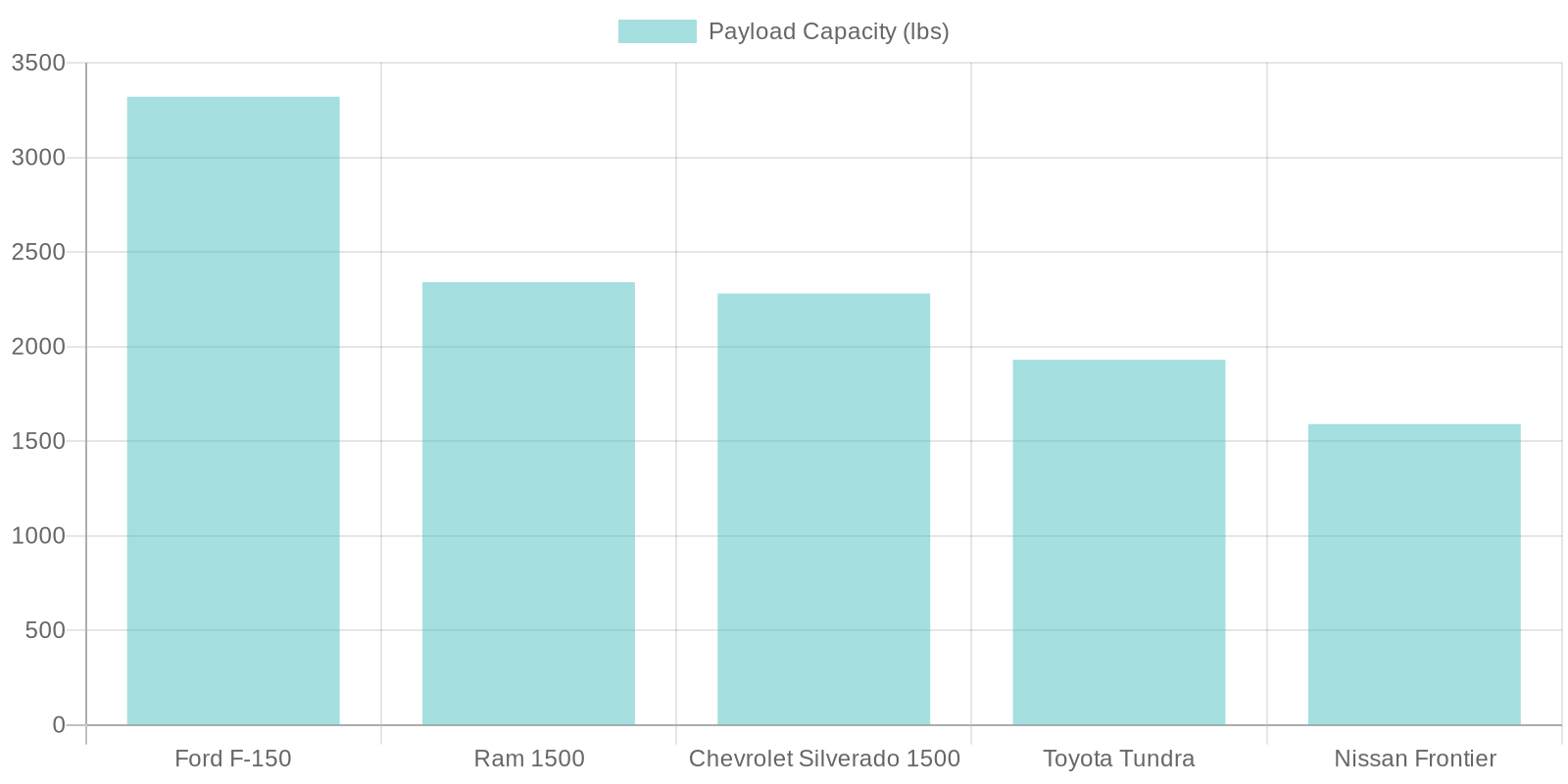
When deciding on a pickup truck for commercial purposes, it’s crucial to consider specifications such as payload capacity, engine size, and fuel efficiency. Below is a table comparing various models that are commonly used in commercial scenarios:
| Model | Payload Capacity (lbs) | Engine Size (liters) | Fuel Efficiency (MPG) |
|---|---|---|---|
| Ford F-150 | 3,320 (2WD, 2.7L EcoBoost) | 2.7 | 21 city / 26 highway |
| Ram 1500 | 2,340 (2WD, 3.6L Pentastar V6) | 3.6 | 18 city / 25 highway |
| Chevrolet Silverado 1500 | 2,280 (2WD, 2.7L Turbo) | 2.7 | 20 city / 25 highway |
| Toyota Tundra | 1,930 (2WD, 3.5L V6) | 3.5 | 17 city / 22 highway |
| Nissan Frontier | 1,590 (2WD, 4.0L V6) | 4.0 | 17 city / 21 highway |
Data sourced from official manufacturer websites and automotive reviews as of May 2026.
For more detailed insights, you can visit the following links:
- Ford F-150 Specifications
- Ram 1500 Specifications
- Chevrolet Silverado 1500 Specifications
- Toyota Tundra Specifications
- Nissan Frontier Specifications
Additionally, the visual comparison below illustrates the payload capacities among these models:
Conclusion
In conclusion, the classification of pickup trucks as commercial vehicles is significant for various industries, particularly trucking, construction, and logistics. This classification hinges largely on the vehicle’s use rather than its type, allowing pickup trucks utilized for business purposes-such as transporting tools, equipment, or goods-to fall under commercial regulations. Several key points highlight the importance of this classification:
-
Defining Usage: Pickup trucks are generally classified as commercial vehicles when employed for business activities. This usage can include roles in construction, agriculture, and delivery services, thereby requiring compliance with specific regulations that govern commercial vehicles. For example, a contractor using a pickup truck to transport materials is operating a commercial vehicle, which impacts their insurance and licensing requirements.
-
Regulatory Advantages: When classified as commercial, pickup trucks come under standardized safety, maintenance, and operational guidelines. This ensures higher safety standards, regular inspections, and eligibility for tax deductions on business-related vehicle expenses. Such regulations can lead to improved road safety and better accountability in fleet management.
-
Economic Implications: The classification supports businesses in navigating operational expenses more effectively, especially in terms of tax benefits associated with commercial vehicles. These advantages also encourage compliance with environmental regulations, aiding in the shift towards adopting more efficient, cleaner vehicles within the commercial sector.
-
Enhanced Support: By recognizing pickup trucks as commercial vehicles, businesses gain access to a wide range of regulatory support programs, including government incentives for reducing emissions and improving vehicle efficiency. They also benefit from specialized training and streamlined processes for managing larger fleets effectively.
Ultimately, understanding and embracing the commercial classification of pickup trucks is crucial for those in the trucking, logistics, and construction sectors. This classification not only ensures compliance with safety regulations but also enhances the operational viability of businesses reliant on these versatile vehicles. For more information on how the classification affects operational standards, you can learn more about the advantages of vehicle classification and explore the impact of commercial vehicle regulations that can benefit your fleet management strategies.
Pickup Truck Usage in Commercial Sectors
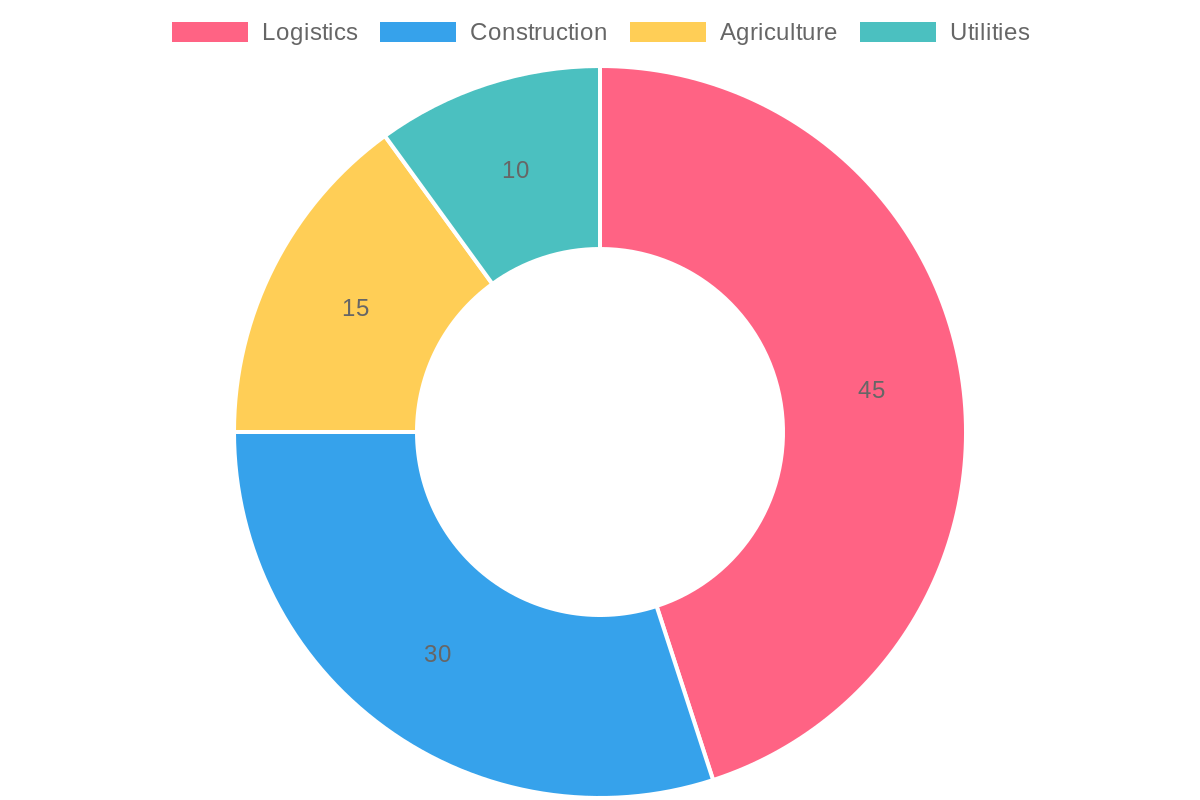
The importance of pickup trucks in various commercial sectors cannot be overstated. They have become vital assets for businesses, particularly in logistics, construction, agriculture, and utilities.
Here is a chart depicting the percentage of pickup truck usage across these sectors:
| Sector | Percentage of Pickup Truck Usage |
|---|---|
| Logistics | 45% |
| Construction | 30% |
| Agriculture | 15% |
| Utilities | 10% |
Data sourced from industry reports on commercial vehicle usage in Nigeria (2026).
Pickup trucks are increasingly favored for their versatility and reliability, making them a sound investment for businesses engaged in these industries. For further insights into industry trends, learn about current trends in used truck sales to enhance your operations.
Call to Action
As the landscape of commercial vehicles continues to evolve, it’s imperative for fleet managers and trucking company owners to maintain not only the functionality but also the aesthetic appeal of their vehicles. Investing in premium fairings for your pickup trucks is a strategic move that enhances both appearance and aerodynamics, contributing to operational efficiency and brand image.
At McGrath Trucks, we understand the critical balance between performance and aesthetics. Consider how the right fairings can improve fuel efficiency while projecting professionalism in your operations. Don’t let outdated or worn-out fairings diminish the image of your fleet. Explore our range of high-quality options and elevate your commercial presentation to new heights. Your vehicles deserve the best-make the smart choice today!