
The Significance of Snow Chains for Commercial Trucks in Winter Conditions
As winter descends, ensuring the safety and efficiency of commercial trucking operations becomes paramount. Utilizing snow chains for commercial trucks is a vital step in safeguarding against the challenging conditions that arise during harsh winters. These chains enhance traction on icy roads, which is crucial for maintaining stability and preventing accidents. The importance of this cannot be overstated, as studies indicate that vehicles equipped with snow chains can reduce braking distances by up to 50%, significantly lowering the risk of collisions and rollovers. Without snow chains, truck drivers face serious safety hazards, such as slipping and skidding, which can lead to accidents and operational delays. Moreover, fleet managers must grapple with the potential for increased vehicle wear and legal liabilities when ice and snow make navigation treacherous.
Additionally, many regions have regulations that mandate the use of snow chains during specific winter conditions, adding another layer of complexity for fleet managers. Non-compliance can result in hefty fines and disrupt logistics, further aggravating operational challenges. Furthermore, vehicles without proper traction equipment are statistically more likely to become immobilized in snow, severely impacting delivery schedules and increasing costs associated with recovery and emergency response.
As winter storms create hazardous travel conditions, investing in snow chains is not just a safety measure, but a crucial operational strategy aimed at enhancing truck safety in winter. Fleet managers are encouraged to assess their winter route strategies diligently, ensuring that all vehicles are equipped with the necessary gear to handle the demands of icy terrain learn more about the impact of winter conditions on fleet operations. With proactive measures in place, the trucking industry can navigate the winter months with greater confidence.
Essential Tools and Equipment for Installing Snow Chains on Commercial Trucks
When preparing to install snow chains on commercial trucks, ensuring the right tools and equipment are available is crucial for both the safety of the operator and the efficiency of the task. Here’s a comprehensive list of necessary tools, with an emphasis on safety equipment:
- Gloves: Protect your hands from cold and sharp edges while handling metal chains. It’s best to use insulated, non-slip gloves.
- Safety Glasses: Ensure eye protection against potential debris or accidents while installing chains.
- Jack: A reliable hydraulic or mechanical jack is essential for lifting the truck if needed.
- Measuring Tape: Useful for ensuring proper fit of the chains to the specific tire size.
- Wrench or Chain Tool: For adjusting and tightening the chains; a specialized chain tool can ease this process.
- Reflective Safety Vest: Improves visibility in low light conditions, keeping you safe from passing traffic.
- Wheel Chocks: Prevent the truck from rolling while you work on it by placing these behind the rear wheels.
- Flashlight or Portable Lighting: Brightens up the work area if conditions are dim, ensuring you can see clearly as you install the chains.
- Warning Triangle or Flares: Set these up around the vehicle to alert other drivers of your stationary position, enhancing safety.
- Portable Air Compressor: For checking and adjusting tire pressure before and after chain installation.
Importance of Safety Equipment
The installation process can be dangerous if not executed properly. Using the correct safety gear is vital to prevent accidents-as highlighted by the National Highway Traffic Safety Administration, which emphasizes the necessity of high-visibility clothing and proper parking. Always remember, a well-prepared environment and the right tools can significantly reduce the risk of injury when installing snow chains.

Step-by-Step Guide: Installing Snow Chains on Commercial Trucks
When winter weather strikes, ensuring that your commercial truck is equipped with snow chains can be crucial for maintaining traction and safety. This detailed guide outlines the step-by-step process for properly installing snow chains on commercial trucks, tailored to the needs of trucking company owners, fleet managers, and logistics firms.
1. Preparing for Installation
- Safety First: Find a level, flat area to park the truck. Turn off the engine, engage the parking brake, and activate hazard lights to alert others that you are stationary.
- Gather Equipment: Collect all necessary tools, including snow chains, gloves, and any tensioners required for your specific chain model. Refer to the manufacturer’s guidelines to ensure you have the correct size and type of chains.
- Inspect Equipment: Before installation, inspect the snow chains for any damage or wear. Ensure that they are suitable for heavy-duty vehicles according to FMCSA guidelines.
2. Setting Up the Chains
- Lay the Chains Flat: Uncoil and lay the snow chains flat on the ground next to the tires that will need them, typically the drive axle wheels. This prepares them for easy access during installation.
- Positioning the Chains: Make sure the chains are oriented correctly, with any hooks or fasteners facing outward. Most trucks will require chains on both rear tires, but check your specific fleet requirements.
3. Installing the Chains
- Drive Over the Chains: Slowly back the truck onto the chains, ensuring that the tires center themselves within the chain loops. Take care to keep the chains evenly placed.
- Secure the Chains: Once the tires are centered, reach down to pull the chains up over the tire treads. Attach the fasteners securely, ensuring they are tight against the tire. For adjustable or self-tightening chains, consult the specific operational instructions.
4. Final Adjustments
- Tension and Adjust: After fastening the chains, manually adjust and tighten any surplus slack. Some chains feature tensioners-if so, utilize these to further secure the fit without over-tightening.
- Test Drive: Drive the truck forward a short distance (approximately 10-15 feet) to allow the chains to settle into place. Afterward, stop and recheck the tension to ensure all straps and hooks are secure.
5. Safety Checks and Compliance
- Speed Limit: It is crucial to drive at a reduced speed (usually under 30 km/h) while using snow chains. Excessive speed can lead to chain failure and accidents.
- Regular Inspections: Periodically check the chains while on the road for wear or displacement. Remove chains promptly when driving conditions are safe and improve.
6. Additional Tips
- Know Your Local Regulations: Familiarize yourself with state regulations regarding snow chain usage on highways. Ensuring compliance can help avoid fines and enhance road safety.
- Keep Extra Chains: Carry additional chains and tools in the truck for emergencies or unexpected weather changes, as recommended by Truckers Report.
Conclusion
Installing snow chains may seem daunting, but following these outlined steps will ensure both safety and effectiveness. Regular practice and familiarity with the process will provide drivers with confidence in adverse weather conditions. Remember that proper installation is not just a matter of safety-it’s also a regulatory necessity for many fleets in winter conditions. For further insights on managing truck operations during winter months, explore our expert articles.
Comparing Leading Snow Chains for Trucks
When it comes to ensuring safety and performance during harsh winter driving conditions, selecting the right snow chains is crucial for trucking companies. The following table compares various brands of snow chains on the basis of key features, pros and cons, price ranges, ease of installation, and durability ratings. This comparison aims to guide trucking company owners, fleet managers, and procurement teams in their decision-making.
| Snow Chains Brand | Price Range | Ease of Installation | Durability Rating | Pros | Cons |
|---|---|---|---|---|---|
| Nokian | $150-$200 | 10 minutes | High | Excellent grip and durability in extreme conditions | High price point |
| Thule Traction Pro | $130 | 5-7 minutes | Medium | Automatic tensioning system, easy installation | Not suitable for heavy trucks |
| Caterpillar | $250 and above | Complex installation | Very high | Strong load capacity, designed for heavy machinery | Limited to specific models |
| Superior | $79.99 | Easy | Low | Universal fit, good for casual use | Average durability, suitable for 2 seasons |
| K&N Pro Series | $129.99 | 8 minutes | Medium | High tensile strength, reusable | Not for heavy-duty applications |
| Husky Heavy-Duty | $149.99 | 10-12 minutes | Medium | Designed for off-road stability | Heavyweight, harder to install |
This table highlights a variety of options for trucking fleets, from high-performance choices like Nokian that are ideal for extreme weather to more budget-friendly alternatives like Superior.
For more details, you can check out our guides on how to put snow chains on commercial trucks and trends in truck sales.
Legal Requirements for Using Snow Chains on Commercial Trucks
Understanding the legal requirements for snow chains is essential for fleet managers operating commercial trucks in winter conditions. The regulations vary significantly across states; thus, compliance is crucial to avoid penalties and ensure safety. Below is a summary of the current legal requirements in various states regarding the use of snow chains for commercial trucks:
States Mandating Snow Chains
As of 2023, several states have implemented specific regulations regarding the use of snow chains:
-
California: California requires snow chains during winter weather in the Sierra Nevada region. The enforcement is conducted through weigh stations and mobile patrols. Learn more about California’s winter driving regulations.
-
Colorado: In Colorado, trucks are mandated to use chains on I-70 through the Eisenhower Tunnel during winter months when conditions require.
-
Idaho: The state requires snow chains on major highways in the Sawtooth Mountains when deemed necessary by highway officials.
-
Montana: Montana enforces chain use on certain routes, including I-90 and US-200, during winter closures.
-
Nevada: Similar to other western states, Nevada mandates snow chains in designated winter weather zones, such as along the mountain passes.
-
Oregon: Oregon requires trucks to have chains on specific high-traffic routes in winter conditions.
-
Utah: Utah imposes chain requirements during winter months along various major highways, especially in mountainous regions.
-
Washington: The state mandates snow chains on significant routes like SR-20 and I-90, particularly in the Cascade Mountains.
-
Wyoming: In Wyoming, certain highways require chains during adverse weather, particularly at higher elevations.
Fleet managers must ensure that trucks are equipped with DOT-approved snow chains and that drivers are trained to install them when required. Non-compliance can lead to hefty fines, vehicle impoundment, and operational delays.
To stay updated, carriers are advised to monitor alerts from state Departments of Transportation (DOT) about chain requirements, which are often activated based on real-time road condition data and can change without notice. Consider maintaining a detailed winter driving safety plan, including regular training sessions for drivers about these regulations as well as safety measures for using snow chains effectively. This strategic approach not only ensures compliance but also enhances overall safety for drivers and cargo during hazardous winter conditions.
For more resources on trucking regulations and best practices, visit our guide on navigating economic uncertainties in the trucking markets here.
Importance of Snow Chains for Truck Safety in Winter
As winter weather poses significant challenges for trucking operations, the necessity of using snow chains cannot be overstated. An expert from the National Highway Traffic Safety Administration emphasizes:
“In high-risk areas such as the Rocky Mountains and northern Canada, enforcing the use of snow chains is a necessary measure to ensure the safety of long-haul freight. Trucks equipped with snow chains can reduce stopping distances by an average of 35% on snowy roads, and the occurrence of sliding accidents drops by 60%.”
Source: NHTSA – Winter Driving Report 2025
This statement underscores how crucial snow chains are for maintaining traction, enhancing vehicle control, and minimizing the risk of accidents during winter conditions, ensuring safe and efficient transport of goods.
Effectiveness Ratings of Snow Chains Across Weather Conditions
To understand the importance of selecting the right type of snow chains for commercial trucks, it’s essential to evaluate their performance in various weather conditions. Below is a chart that visually represents the effectiveness ratings of different types of snow chains based on their performance in snow, ice, and slush conditions.
Performance Summary
| Snow Chain Type | Snow (Fresh/Deep) | Ice (Hard-packed) | Slush (Wet/Melting) |
|---|---|---|---|
| Diamond-Pattern Chains | 92 | 85 | 78 |
| Traditional Link Chains | 88 | 76 | 70 |
| Automatic Self-Tensioning | 95 | 90 | 84 |
- Diamond-Pattern Chains: Best for deep snow and hard-packed ice, providing excellent traction.
- Traditional Link Chains: Good all-round performance but may struggle in slush.
- Automatic Self-Tensioning: Offers consistent performance and ease of use across conditions.
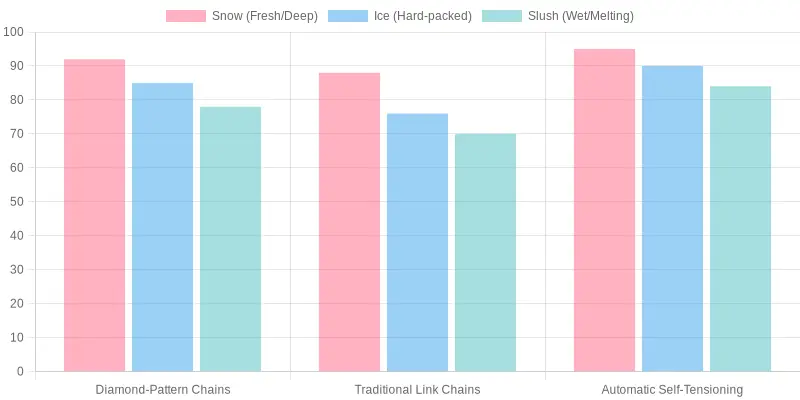
Source: Performance data from several industry benchmarks.
For fleet managers and trucking company owners, understanding these ratings can help in making informed decisions about the right equipment for ensuring safety and operational efficiency during winter conditions.
Conclusion: Best Practices for Using Snow Chains
In the realm of winter travel, snow chains for commercial trucks serve as a critical tool for ensuring safety and compliance. Proper utilization can significantly enhance traction and mitigate the risks posed by icy conditions. Below are some best practices that trucking company owners and fleet managers should consider:
-
Know When to Use Chains: Only deploy snow chains when required by local regulations or in extreme winter conditions. Familiarize yourself with the weather forecasts to plan ahead. Experts recommend using snow chains primarily in steep grades or in mountainous regions rather than on regular roads where traction might still be manageable with winter tires alone.
-
Prior Practice and Equipment Check: Training your drivers on how to install chains correctly is essential. Encourage them to practice chain deployment before they need to use them, ensuring they’re familiar with the process. Additionally, maintain an inventory of spare chains and necessary tools to manage any emergencies effectively.
-
Proper Installation: Follow the guidelines for installation closely-chains must be secured tightly on the drive wheels and should be periodically checked for wear, damage, or misalignment. Regular maintenance of chains combined with a diligent check of tire conditions can extend their lifespan and efficiency.
-
Speed Considerations: It’s crucial to adhere to the recommended speed limits while using chains, generally not exceeding 30 mph. Removing chains as soon as you reach cleared roads can prevent damage to both tires and road surfaces.
-
Regular Safety Compliance Audits: Always conduct pre-trip inspections to ensure vehicles are roadworthy. This includes checking brake systems, lights, tires, and chains, which plays a vital role in preventing accidents during winter travel. Notably, post-accident data highlights that many incidents could have been avoided with better compliance and equipment checks.
Call to Action
In this environment of unpredictable winter conditions, the safety of your fleet is paramount. Consider equipping your commercial trucks with premium solutions like Summit Fairings, which not only enhance your vehicle’s aerodynamics but also offer the stability needed in harsh conditions. Emphasize safety and compliance in all winter travel operations. The proactive measures you take today can protect your drivers and assets tomorrow.
For further insights into the implications of winter operations on commercial trucking, learn more about current trends in used truck sales growth and understand how you can maximize the efficiency of your fleet.
Storage and Maintenance of Snow Chains
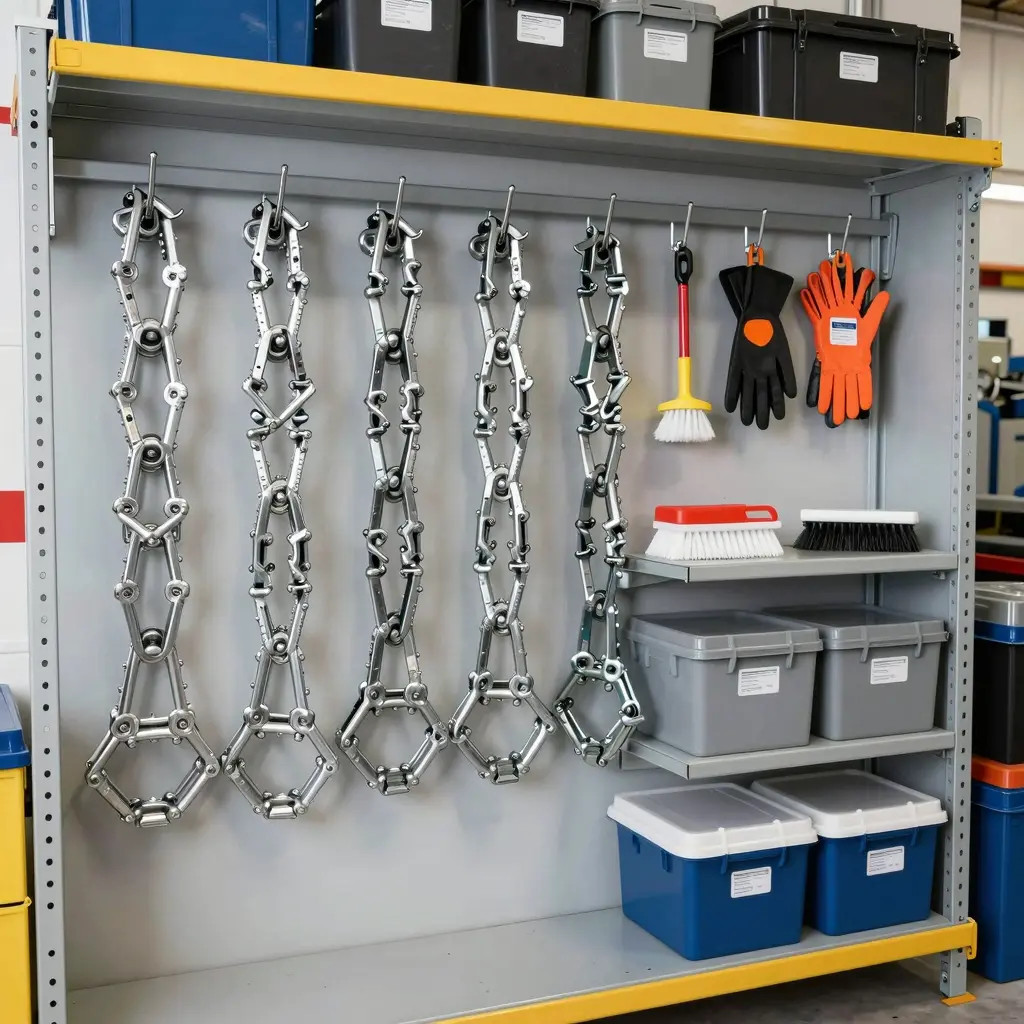
To ensure the longevity and efficiency of snow chains, proper storage and maintenance practices are essential, particularly for fleet managers who wish to optimize costs and enhance safety measures. Here are key insights into how to maintain and store snow chains effectively:
1. Cleaning and Inspection
After using snow chains, it is critical to clean them immediately. Snow, ice, dirt, and road salt should be removed using a brush or a damp cloth. Avoid using high-pressure washers as they may damage the links. Cleaning prevents corrosion and prepares the chains for proper maintenance. Regular inspections are also crucial; look for any signs of damage, such as broken links or rust. Chains that display significant wear should be replaced immediately to ensure safety.
2. Drying
Moisture trapped in chain links can lead to rapid corrosion. Therefore, after cleaning, chains should be thoroughly dried in a well-ventilated area, away from direct sunlight or heat sources. Take care to not leave them in damp spaces, as this could accelerate degradation.
3. Lubrication
A light coating of rust-inhibiting oil, such as silicone-based or similar protective lubricants, should be applied to the metal parts of the chains. This practice helps prevent rust, particularly at the joints and connections. Regular lubrication (every 6 to 12 months) enhances the longevity of the chains, especially after heavy use.
4. Proper Storage
Snow chains should be stored in a cool, dry, and protected environment. Utilize original packaging or breathable fabric bags to prevent moisture absorption. It is advisable to avoid plastic containers, as they can retain moisture. Ensure chains are not stacked under heavy items, as this may lead to deformation over time. Regularly check storage areas for moisture control.
5. Environmental Considerations
Understanding the environmental impact of snow chains is essential for fleet management. Chains should only be used when necessary, such as in icy conditions on specific roads, to reduce wear and tear on both the chains and the road surface. Responsible disposal practices for worn-out chains, such as recycling metal components, should be adopted.
6. Cost-Saving Benefits
Proper maintenance prolongs the operational life of snow chains, thereby reducing the need for replacements and associated costs. Well-maintained snow chains improve vehicle traction on icy roads, significantly decreasing accident risks and insurance claims. Implementing efficient maintenance practices translates into lower lifecycle expenses for fleet operators, aligning with cost-saving strategies.
Conclusion
By following these best practices for the storage and maintenance of snow chains, fleet managers can significantly enhance safety, reduce costs, and ensure their equipment remains reliable under challenging winter conditions. Regular maintenance checks will ensure that snow chains are always ready for use, mitigating the risks associated with unexpected failures during winter operations.
For more insights into the economic implications of truck maintenance, check out our article on the impact of emissions on used truck prices and current trends in used truck sales growth.