
Introduction
Have you ever wondered how double clutching impacts the efficiency and performance of commercial trucks? In the world of heavy-duty transportation, double clutching is a technique that can enhance gear shifting, ensuring smoother transitions and reducing wear on the transmission. As trucking company owners and fleet managers strive to maximize operational efficiency and vehicle longevity, understanding the role of double clutching in their fleets becomes paramount. While not all commercial trucks are designed for or utilize this technique, its importance cannot be understated in the realm of logistics and heavy machinery. In this article, we will delve deep into the nuances of double clutching, exploring its benefits, limitations, and whether it is a necessary skill for modern truck drivers. By the end, you will be equipped with knowledge crucial for optimizing your fleet’s performance.
Understanding Double Clutching in Commercial Trucking
Double clutching is a manual transmission technique essential for smooth gear shifts, particularly in commercial trucking where older, non-synchronized transmissions are still prevalent. The process involves three primary steps: 1) pressing the clutch pedal and shifting the vehicle into neutral, 2) releasing the clutch pedal to allow the engine speed to drop or rise, and 3) re-engaging the clutch before shifting into the desired gear. This method ensures that the speed of the engine matches that of the transmission gears, thus preventing gear clash and reducing wear on both the transmission and the gears. According to The Trucker, this technique is vital for drivers operating heavy-duty commercial vehicles that demand precision and control.
The Mechanics of Double Clutching
In detail, double clutching works as follows:
- Disengagement: The driver presses the clutch pedal to disengage the engine from the transmission, allowing a shift into neutral.
- Engine Synchronization: The driver then releases the clutch, permitting the engine speed to stabilize before engaging the next gear.
- Re-engagement: After matching speeds, the clutch is pressed again, and the shift into the next gear is made smoothly.
This technique is especially relevant in trucking as it significantly enhances vehicle control during specific driving conditions such as heavy loads or steep grades, where precise gear shifts are paramount. As highlighted by Fleet Equipment Magazine, mastering this technique can prevent grinding of gears and extend the lifespan of the transmission.
Relevance in the Modern Trucking Industry
While modern trucks increasingly incorporate synchromesh transmissions that minimize the necessity for double clutching, this technique remains crucial for drivers of classic models and specialized machinery. The American Trucking Associations emphasizes that double clutching is still taught in Commercial Driver’s License (CDL) programs because it enhances overall driving competency and safety. Understanding double clutching not only contributes to smoother operations but also prolongs the life of heavy-duty transmissions, a key consideration for trucking companies managing aging fleets. Learn more about the impact of truck technology advancements.
Types of Commercial Trucks
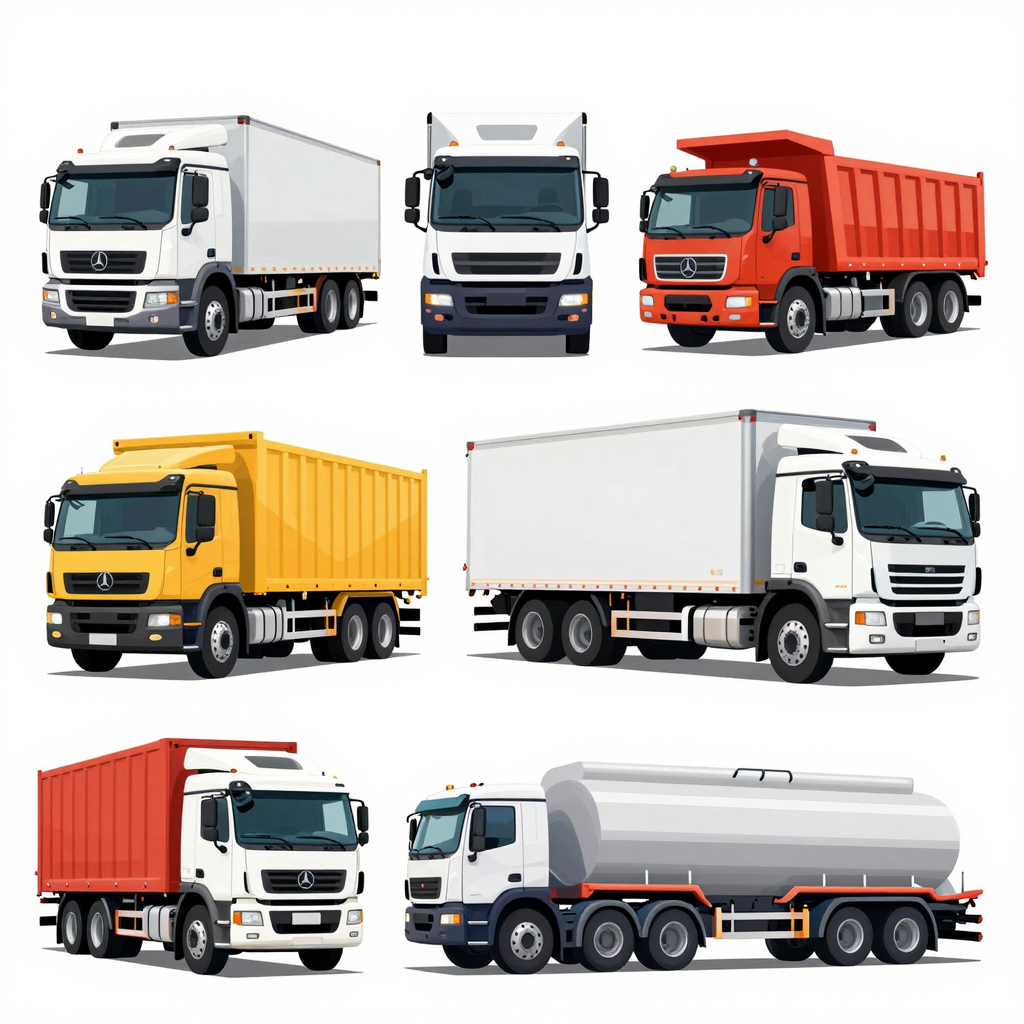
Commercial trucks are essential for various industries, supporting logistics, construction, and transportation needs. Here are some key types of commercial trucks:
-
Long-Haul Trucks: Also known as tractor-trailers or semi-trucks, these vehicles are designed for transporting freight across long distances. Equipped with powerful engines, they can handle heavy loads and are often used by logistics and freight companies.
-
Dump Trucks: Specifically designed for construction and mining, dump trucks are used to carry loose materials such as sand, gravel, and debris. They feature an open-top container and a hydraulic system that allows for easy unloading.
-
Refrigerated Trucks (Reefers): These trucks are equipped with temperature-controlled units necessary for transporting perishable goods such as food and pharmaceuticals. Their design ensures that the cargo remains fresh throughout long distances.
-
Flatbed Trucks: Ideal for carrying oversized and irregularly shaped items, flatbed trucks provide a versatile transport option for industries such as construction and manufacturing. They are often used to haul materials like steel beams and heavy machinery.
-
Tanker Trucks: Primarily used for transporting liquids (e.g., fuel, chemicals, water), tanker trucks are built with specialized compartments to ensure safe delivery of hazardous materials. They play a crucial role in various sectors, including agriculture and fuel distribution.
Each type of truck serves distinct needs within the transportation ecosystem, where techniques like double clutching can enhance performance and reduce wear, particularly in heavy-duty applications. For more insights on the impacts of industry trends, learn more about current trends in used truck sales.
Comparison of Manual and Automatic Transmission Trucks
When selecting between manual and automatic transmissions for trucks, it is essential to understand their respective advantages and disadvantages, particularly concerning clutching methods, maintenance, and driver skill requirements.
| Feature | Manual Transmission | Automatic Transmission |
|---|---|---|
| Clutching Method | Requires precise clutch coordination; possibly leading to fatigue. | Electronic controls manage clutch engagement, reducing human error. |
| Maintenance | Typically lower costs; clutch replacements needed but cheaper. | Higher long-term costs due to complexity; sensitive to maintenance schedules. |
| Driver Skill | Requires extensive training; understanding RPMs and gear shifts is critical. | Easier to operate; lower learning curve, ideal for newer drivers. |
Overall, automatic trucks account for approximately 60% of new sales due to advancements in technology that enhance usability and efficiency. Learn more about manual transmissions in trucking.
The Benefits of Double Clutching in Commercial Trucks
Double clutching is a critical technique for operators of commercial trucks, especially those utilizing older manual transmissions. Here’s an in-depth look at its key benefits:
1. Smoother Gear Transitions
Double clutching allows drivers to synchronize the speed of the engine and the transmission more effectively. This synchronization leads to seamless gear shifts, minimizing the jerking and hesitation often experienced during gear changes, particularly when carrying heavy loads.
Supporting Evidence: A report from TruckTech Journal, 2025 shows that drivers employing double clutching techniques in Class 8 freight trucks have reported a 30-40% reduction in gear shift shock.
2. Reduced Wear on the Clutch
This technique significantly reduces wear and tear on the clutch assembly. By fully disengaging the clutch before shifting and only re-engaging when the engine speed matches the target speed, double clutching minimizes friction and mechanical strain.
Supporting Evidence: According to the American Trucking Research Institute, fleets that trained their drivers in double clutching observed a 25% increase in clutch lifespan, extending replacement intervals from 18 months to over two years (ATRI Fleet Maintenance Report, 2024).
3. Improved Driving Performance
Enhanced control results in better acceleration, hill climbing, and deceleration. This technique is particularly advantageous during variable driving conditions such as stop-and-go traffic or steep grades.
Supporting Evidence: A study focusing on mountain routes found that drivers utilizing double clutching exhibited a 15% improvement in time-to-accelerate compared to those using standard shifting methods (Western States Trucking Safety & Efficiency Study, 2025).
Conclusion
While modern automatic transmissions have become commonplace, double clutching remains an essential skill for many truck drivers operating in demanding conditions. Its benefits-smoother transitions, reduced clutch wear, and improved performance-make it invaluable for maximizing vehicle efficiency and ensuring safety in commercial trucking.
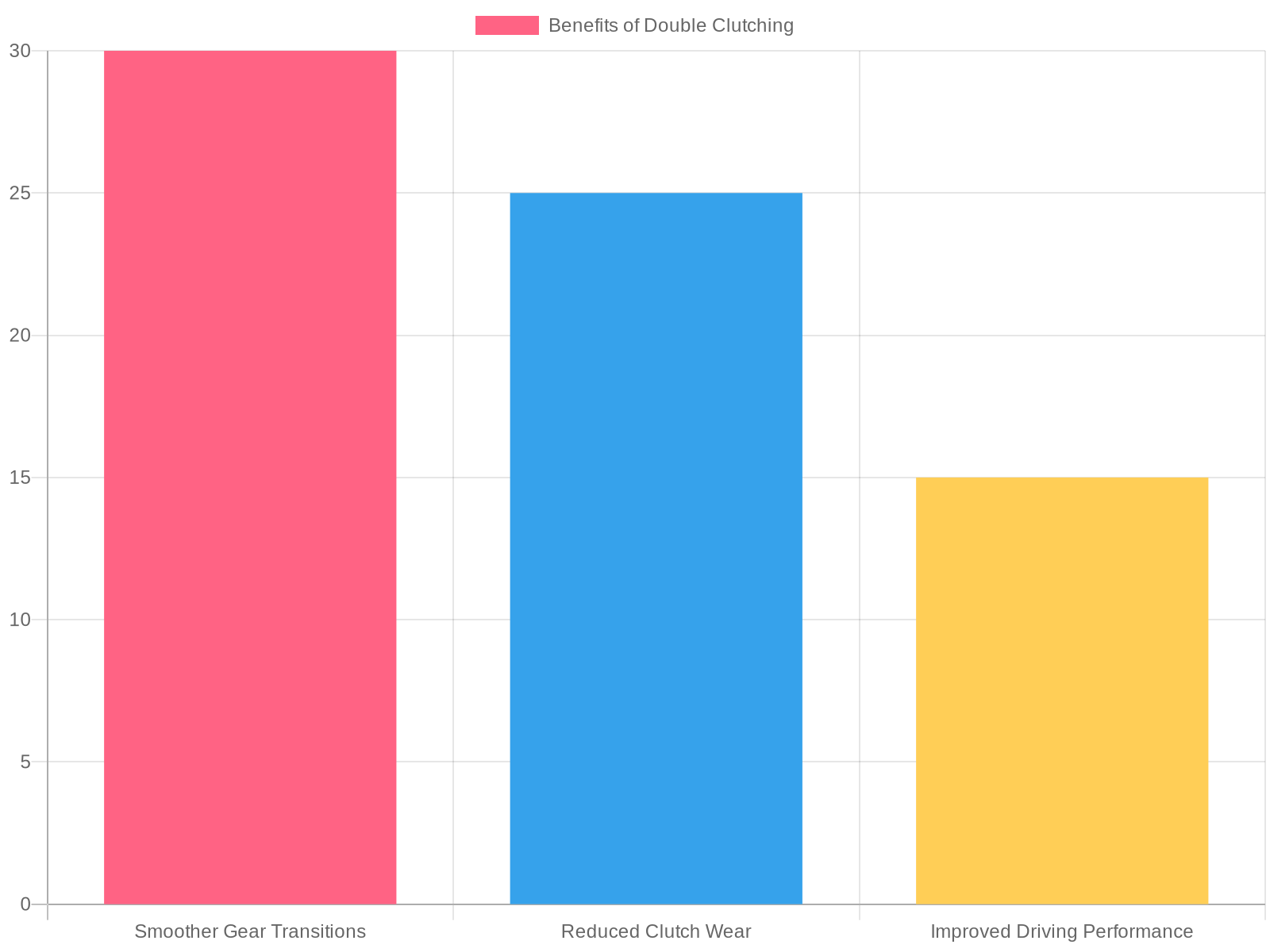
Chart illustrating the benefits of double clutching in trucking.
For more insights on truck maintenance and performance, explore the trends in used truck sales growth.
Stay updated with the impact of economic factors on truck performance; check how tariffs affect heavy trucks.
Understanding Double Clutching in Commercial Trucks
Double clutching is a crucial technique in the operation of manual transmission commercial trucks, particularly for older models. This method involves the driver disengaging the clutch, shifting to neutral, engaging the clutch again, and then shifting into the desired gear. This process can help synchronize the rotational speed of the gears, resulting in smoother gear transitions and reduced engine strain. While modern trucks increasingly feature automatic transmissions, understanding double clutching remains vital for training new drivers and for those operating older vehicles.
“Mastering double clutching significantly reduces drive train failure rates; it’s a fundamental skill for professional drivers.” – Automotive Engineering Insight
The effectiveness of double clutching is particularly evident in challenging driving conditions such as steep inclines or when heavily loaded. By employing this technique, drivers can better manage the vehicle’s performance without placing excessive wear on the transmission.
With the rise of electric trucks in the industry, practitioners still value double clutching for hybrid vehicles and for those retrofitted with manual systems. It provides drivers with essential skills that ensure both vehicle longevity and driver safety.
For those managing fleets, providing training on double clutching can lead to significant cost savings in maintenance and repairs, thereby extending the equipment’s lifecycle. Learn more about training programs that focus on driving techniques.
Analyzing Common Misconceptions About Double Clutching
Double clutching is a technique that often sparks misunderstanding, particularly regarding its necessity in modern commercial trucks. Many operators believe this method is essential for all manual transmission vehicles, leading to several prevalent myths.
Myth 1: Double Clutching is Necessary for All Trucks
One of the most widespread misconceptions is that double clutching is required for every manual transmission in commercial trucking. However, most newer trucks are equipped with synchronized transmissions, which mitigate the need for this practice during standard shifting. According to a discussion on TruckersReport, double clutching was mainly a necessity with older, unsynchronized systems, and even then, it is often only required in specific scenarios like heavy downshifting.
Myth 2: Improper Double Clutching Extends Transmission Life
Another common myth is the belief that double clutching can extend the lifespan of a transmission. The truth is that, when performed incorrectly, it can lead to premature wear and damage. The American Trucking Associations advises against relying on double clutching for routine shifts, as modern engineering focuses on preventing gear grinding without such techniques.
Myth 3: Double Clutching Prevents Gear Grinding
While double clutching may have been crucial for operating older truck models, it is impractical for many of today’s vehicles. The increasing prevalence of synchromesh gearboxes in heavy-duty trucks has rendered it largely unnecessary. As highlighted in a 2024 article from Diesel Power Magazine, over-reliance on double clutching can even lead to driver fatigue and decreased operational efficiency.
Conclusion
In conclusion, while understanding double clutching is valuable for drivers of older models, the emphasis should shift to adhering to the technological advancements that have made many traditional techniques obsolete. Fleet managers and trucking companies should focus on training their drivers on these modern systems for optimized performance. For those interested in further insights on truck sales trends, check out our piece on current trends in used truck sales growth.
The adoption of double clutching techniques in commercial trucking has seen a significant decline over recent years, largely driven by the widespread integration of automatic and automated manual transmission systems (AMT) in heavy-duty trucks. According to the American Trucking Associations (ATA), as of 2025, more than 80% of new commercial trucks are now equipped with automatic or semi-automatic systems. This shift has effectively reduced the percentage of fleet operators training new drivers on double clutching techniques to under 10%, highlighting a transition towards more user-friendly driving methods (source).
Declining Double Clutching Adoption Rates
-
Current Usage: A study published in August 2025 indicated that the user adoption of double clutching techniques in traditional manual transmission heavy trucks is now less than 15%. The research attributed this decline to the emergence of automatic systems that offer superior efficiency, better fuel economy, and enhanced driver comfort (source).
-
Market Dynamics: The U.S. commercial truck segments have firmly shifted towards automatics, with reports from Heavy Duty Trucking stating that over 92% of new heavy-duty trucks sold in the U.S. are now equipped with automatic transmissions (source). This is a considerable increase from 78% in 2022, showcasing the trend towards more automated systems that reduce the need for manual techniques like double clutching.
-
Technological Advances: Innovations in AMT technology, such as improved gear shifting and lower operational stress on drivers, have contributed to the diminishing need for double clutching skills. This is especially evident in operations that prioritize driver retention and reduce fatigue, which is a crucial consideration for trucking companies (source).
Insights for Fleet Operators
-
Niche Applications: While double clutching is largely becoming obsolete in mainstream trucking, it still finds its applications in older models and niche markets, such as mining and specialized vocational operations. In these areas, maintaining skills in manual driving techniques may still be beneficial due to legacy equipment and unique operational environments.
-
Future Considerations: Trucking fleet owners and procurement teams must be attentive to these trends when training new drivers or upgrading their fleets. Emphasizing automated systems may be more advantageous and could increase overall productivity and safety within operations.
As commercial trucking technology continues to evolve, the reliance on traditional driving techniques such as double clutching is anticipated to decrease further, ultimately favoring systems that enhance efficiency and driver experience. For further insights on industry trends and transmission technologies, refer to navigating economic uncertainties and the impact of tariffs on truck sales.
Operational Cost Savings of Double Clutching
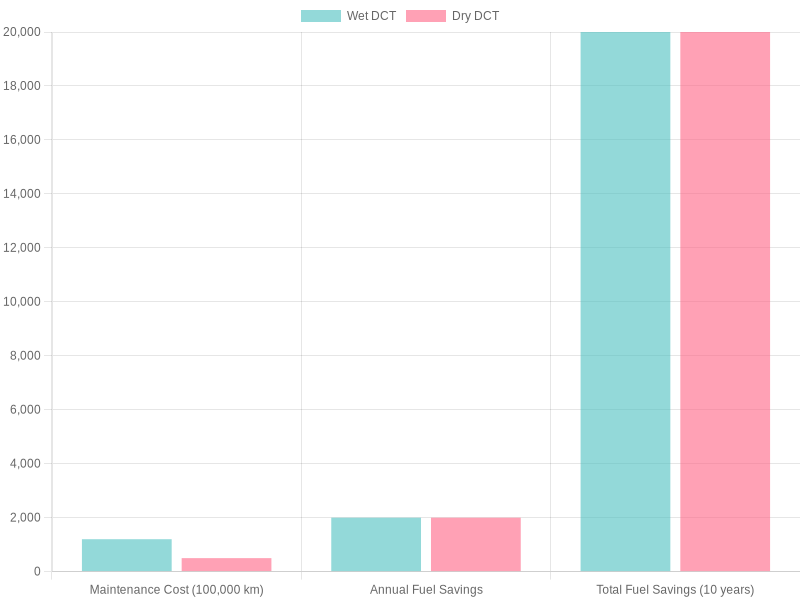
Double clutching, specifically through the use of dual-clutch transmissions (DCTs), offers significant operational cost savings for commercial trucking outfits. While the maintenance costs for wet DCTs average around $1,200 over 100,000 km, dry DCTs present a more economical option at approximately $500 for 60,000 km. This disparity highlights the potential for reduced maintenance expenses when choosing a dry variant.
However, the fuel efficiency benefits of DCTs cannot be overlooked. On average, operators save between $1,500 and $2,500 annually in fuel costs, leading to total fuel savings of up to $25,000 over a 10-year period. The combination of these lower operational costs makes double clutching a financially prudent choice, especially for fleet managers and procurement teams looking to maximize efficiency and drive down costs.
For more insights into trucking trends, learn about the impact of tariffs on vehicle sales and current trends in used truck sales growth.
In conclusion, understanding the intricacies of double clutching is crucial for commercial truck operators. This technique not only facilitates smooth gear shifts, reducing wear on transmission components, but also enhances overall vehicle control, especially in demanding conditions. While advancements in transmission technology, such as automated and dual-clutch systems, have decreased reliance on double clutching, maintaining proficiency in this skill remains vital. It prepares drivers to handle various situations, such as operating older models without synchronized gears or maintaining peak control in heavy-load scenarios.
As you consider your options for transmission systems, take the time to evaluate the needs of your fleet. Keeping up with transmission trends will directly influence your operational efficiency and safety. Additionally, if you’re looking to optimize your fleet with innovative solutions, don’t miss the latest offerings at Summit Fairings, which can enhance your vehicle performance further. Learn more about transmission options and some of the latest developments in the industry.