
Diesel trucks command a prominent position in the commercial vehicle market, particularly in regions like the European Union and China, where they dominate new registrations. Their efficiency, power, and reliability have made them the go-to choice for various sectors including logistics, construction, and mining. However, with the increasing emphasis on environmental regulations, the use of Diesel Exhaust Fluid (DEF) has become crucial. DEF is essential for the operation of Selective Catalytic Reduction (SCR) systems, which dramatically reduce nitrogen oxide (NOx) emissions—a key pollutant emitted by diesel engines. Understanding the relationship between the impending regulations and the overwhelming presence of diesel trucks employing DEF is paramount for trucking company owners, fleet managers, procurement teams, and logistics firms. Each chapter will delve into the market dominance of diesel trucks, illustrate regional variations in registrations and DEF implementation, highlight the technological importance of DEF in emission reduction, and examine the economic implications of adopting DEF across commercial diesel truck fleets.
Diesel’s Dominance, DEF’s Dilemma: Emissions, Costs, and the Road to Zero-Emission Fleets
The current commercial trucking landscape continues to be defined by the stubborn durability of diesel propulsion, even as technology, policy, and market expectations push fleets toward cleaner options. Across continents, the diesel engine remains the backbone of heavy and medium-duty fleets, underpinned by decades of robust infrastructure, maintenance knowledge, and financing models built around diesel fuel. In 2024, diesel powertrains accounted for a striking 83.21% share of the global truck market, a statistic that underscores not only the density of diesel-powered operations but also the inertia of the sector as it contends with an evolving regulatory and technological frontier. If one looks at the near-term horizon, the European Union offers a particularly telling lens: in 2025, diesel trucks accounted for 93.2% of new registrations in the EU, illustrating how market realities continue to favor diesel in regions with stringent emissions regimes, long operating hours, and high demand for dependable long-haul performance. In China, diesel vehicles remained the primary fuel type for commercial vehicles in 2025, with sales rising by 6.4% year on year, signaling that diesel’s regional dominance persists in major growth markets, even as the global trade in commercial vehicles shifts under the pressure of policy, currency, and supply chain dynamics. These data points are not merely a snapshot; they are a map of how fleets think about fuel choices, total cost of ownership, and the practical realities of keeping fleets on the road.
At the heart of diesel’s continued relevance lies the necessity of exhaust aftertreatment that can meet modern environmental standards without sacrificing the reliability and uptime that fleets require. Diesel Exhaust Fluid, or DEF, is a critical enabler of this balance. DEF is not a fuel or a chemical additive; it is the reagent that powers selective catalytic reduction (SCR) systems to convert NOx, a primary pollutant from diesel combustion, into harmless nitrogen and water. In a fleet that drives hundreds of millions of miles annually, even modest complications with DEF can translate into costly downtime, service visits, or supply disruptions. Though the precise quantity of DEF used fleet-wide is not disclosed in the data, the overwhelming market share of diesel trucks and the ubiquity of SCR-equipped engines imply that DEF remains a pervasive operational requirement across most large fleets. This is especially true in regions with stringent emissions standards where SCR is standard equipment and DEF logistics form a significant part of the fleet’s maintenance and procurement planning.
The significance of DEF goes beyond a simple compliance mechanism. It is a reliable indicator of regulatory pressure translating into real-world fleet behavior. As regions tighten NOx limits and push for broader adoption of low- or zero-emission technologies, operators face a dual challenge: maintain high uptime on diesel fleets while planning for a transition that will be influenced by policy cliffs, economic parity with zero-emission alternatives, and evolving public-safety and urban-air-quality expectations. The current state is thus a period of careful optimization rather than a sudden pivot. Fleets must balance the certainty of diesel’s present-day capabilities with the unpredictable pace of change in technology and policy. DEF, in this context, becomes both a cost to manage and a signal of where the fleet is headed next.
The market’s scale amplifies these considerations. By the end of 2025, the market value of diesel trucks was projected to reach approximately $267.123 billion. That figure is not merely a tally of current sales—it reflects the embedded investment in diesel technology, the residual value of existing equipment, and the broader ecosystem of service, parts, and aftersales that supports diesel fleets. The magnitude of this market, coupled with ongoing regulatory changes, helps explain why OEMs are pursuing a multi-pronged strategy: they continue to service the diesel backbone of global fleets while expanding their portfolios with more battery and software solutions. The calculus is not about choosing one technology over another today, but about maintaining a credible, compliant, and profitable path through a period when the economics of propulsion are in flux.
Regulatory influences shape this path with a sharp edge. Emissions policies have become a dominant driver of fleet decisions, nudging operators toward technologies and operating patterns that can deliver lower NOx emissions at an acceptable total cost of ownership. The concept of TCO parity—where diesel trucks and zero-emission vehicles reach price and operating-cost equivalence—has moved from a distant horizon to a more immediate consideration. This shift is not uniform; it varies by region, payload class, route structure, and fueling or charging infrastructure readiness. Still, the trend toward tighter NOx standards accelerates the urgency of a more holistic view of fleet economics, one that weighs upfront capital, maintenance and repair costs, fuel or electricity prices, downtime risk, and residual values. In this regulatory crucible, DEF remains the practical, known quantity that can deliver real NOx reductions for the longest-haul and heavy-haul segments where diesel power remains indispensable today.
Technology itself reinforces the continuing appeal of diesel while illuminating its limits. Battery-electric trucks have gained momentum, driven by falling battery pack prices and the feasibility of overnight depot charging. This combination makes electric propulsion particularly attractive for urban and regional haulage, where operating profiles align well with charging opportunities and strict urban air quality standards. The long-haul market, with its demanding ranges and duty cycles, remains more complex. The energy density of batteries, charging logistics, and the need to maintain payload integrity all intersect with route planning and uptime guarantees in ways that keep diesel engines, SCR systems, and DEF in active service for the foreseeable future. Hydrogen fuel-cell technologies promise further diversification of the zero-emission toolkit, but their integration into mainstream fleets is still in the early stages and heavily dependent on fueling infrastructure, fleet readiness, and capital cost dynamics. Against this backdrop, the market is not a simple transition from diesel to a single alternative but a transitional period wherein operators rationalize fleet portfolios to preserve reliability, minimize risk, and position themselves to capture evolving incentives and market opportunities.
The competitive landscape mirrors this transitional logic. OEMs recognize that the core customer base relies on diesel propulsion for heavy-duty duty cycles, but they are not standing still. They are expanding their product lines to incorporate more battery and software solutions, enabling smarter vehicle management, route optimization, and predictive maintenance. The result is a diversification of capabilities rather than a wholesale shift away from diesel. Fleets benefit from the ability to mix powertrains in a synchronized fleet strategy, deploying diesel where it remains most cost-effective and deploying electric or other zero-emission options where they offer higher ROI. This diversification is particularly pronounced in regions with strong subsidies or stringent urban emissions rules, where the practical benefit of electrification can be realized sooner, even if a portion of the fleet continues to depend on SCR-equipped diesel technology.
DEF usage is the hinge on which many of these considerations turn. As the operator community negotiates the realities of supply chains, DEF storage, and the risk of staffing and logistics disruptions, the cost and reliability of DEF supply become a nontrivial line item in operating budgets. In regions like North America and Europe, where emissions standards are rigorous, DEF remains essential for compliant SCR operation, and hence DEF logistics—storage, replenishment, and transport to depots and jobsites—constitutes a significant element of fleet operations. While the trajectory of DEF demand will eventually bend downward as zero-emission trucks gain share, the actual pace of that decline will be uneven, regionally contingent, and closely tied to how quickly operators deem it prudent to shift away from diesel with SCR toward fully electric or hydrogen-inclusive architectures.
A practical takeaway for fleet managers is to view DEF not only as a compliance expense but as a signal of the regulatory and technological cadence that governs the market. The cost of DEF, its availability, and the resilience of the supply chain directly impact uptime, maintenance scheduling, and the financing conditions around new equipment. In this sense, DEF is a proxy for the broader problem: how to sustain a diesel-dominated fleet in a world that increasingly prizes emissions performance and energy efficiency. Fleet operators who can blend strong DEF supply chains with intelligent maintenance practices stand a better chance of maintaining reliability while they map a longer-term plan toward lower-emission mobility.
For those seeking a more grounded, real-world view of how emissions regulations affect fleet economics, industry analyses provide valuable context. One such perspective examines how emissions controls influence residual values and used-truck pricing—factors that can tilt the economics of replacing or maintaining equipment. See the discussion on Impact of Emissions on Used Truck Prices for a sense of how regulatory signals filter through to the second-hand market and what that implies for fleet renewal cycles and capex planning. This line of inquiry complements the broader market picture by tying regulatory and technology choices to tangible financial outcomes for operators who must balance reliability, cost, and asset longevity on tight budgets: https://mcgrathtrucks.com/impact-of-emissions-on-used-truck-prices/.
Beyond the numbers and the policy statements, the overarching narrative is clear. Diesel power remains the workhorse of global commerce for the time being, and SCR systems with DEF will continue to be a core technology for meeting NOx standards wherever diesel engines operate. Yet the pressure points are visible and growing more acute: regulatory cliffs are approaching, TCO parity with zero-emission trucks is inching closer, and OEMs are constructing increasingly capable, multi-propulsion portfolios. In this environment, fleets are learning to think in terms of blended fleets—not a pure diesel or pure electric world, but a practical mix tailored to route geography, duty cycles, and the pace at which infrastructure can be built to support electrification. The DEF question, in essence, is a barometer of how quickly the industry is moving from the certainty of today’s diesel ecosystems toward a broader, lower-emission future while still delivering the reliability and cost performance that customers expect.
The chapters that follow will build on this logic by turning to the market’s longer arc, examining how infrastructure, policy, and technology investments interact to shape the pace and direction of fleet modernization. The narrative so far confirms a central truth: diesel’s dominance is real, but its dominance is being tempered by the evolving demands of emissions control, the rising appeal of electric and hydrogen options for specific use cases, and the financial calculus that governs fleet renewal timelines. DEF remains a critical piece of the current equation, enabling SCR to fulfill NOx reductions while the industry negotiates the inevitable transition toward zero-emission mobility. As operators accumulate more experience with hybridized and fully electric configurations, DEF demand will adjust accordingly, but its role in enabling cleaner diesel operation will persist long enough to keep it firmly in the operational planning conversations of large commercial fleets. The market’s size and the regulatory pressures ensure that this is not a short-lived phase but a consequential transition period in which the future of freight propulsion will emerge through a series of calibrated steps rather than a single, decisive pivot.
External resource for broader market context: https://www.grandviewresearch.com/industry-analysis/heavy-duty-trucks-market
Regional Currents: Mapping Diesel Registrations and the Uneven Rise of DEF Across Europe
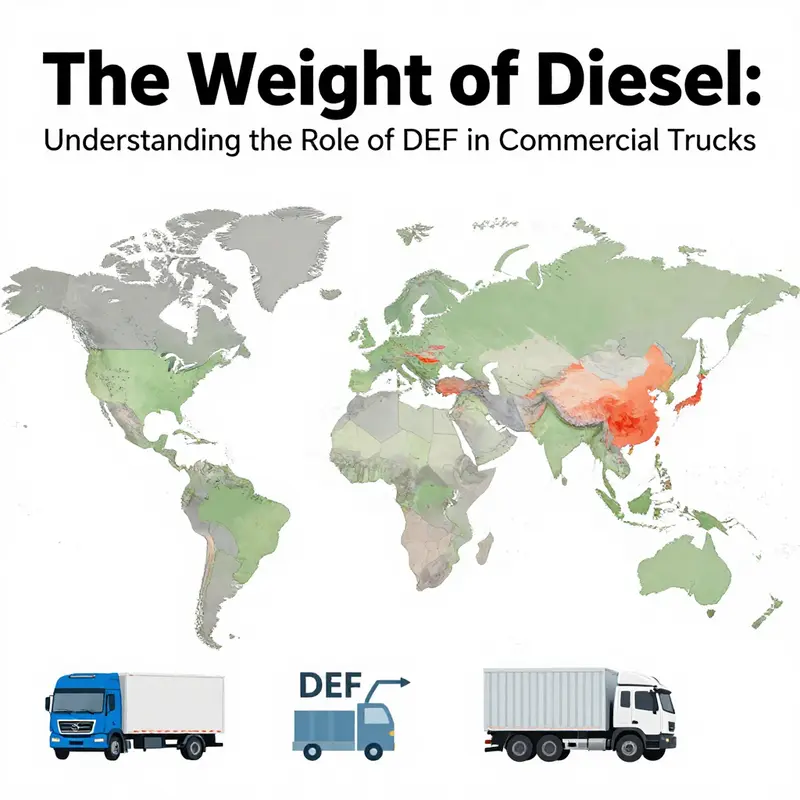
Across Europe and China, diesel trucks remain the backbone of long-haul freight and regional distribution. Yet the way those engines make use of Diesel Exhaust Fluid (DEF) to meet NOx standards, and how quickly fleets adopt the systems that require it, is not uniform. The chapter this chapter sits beside is an attempt to quantify a question that is stubbornly resistive to a single statistic: how many commercial diesel trucks use DEF? The answer, in practice, is both straightforward and contingent. It is straightforward because DEF is a required consumable for most modern SCR-equipped diesel engines. It is contingent because regional differences in fleet age, regulatory pressure, fueling and maintenance infrastructure, and policy incentives shape how quickly and comprehensively DEF deployment proceeds. This chapter traces those regional currents, focusing on the European Union as a living case study, while anchoring the discussion in the broader context of market dynamics that influence DEF uptake beyond Europe’s borders.
In 2025 the European market still carried a dominant diesel footprint in new heavy-duty vehicle registrations. The headlining figure—diesel accounting for about 93.2 percent of new registrations in the EU—reads like a barometer of where heavy freight is anchored today. It signals not just the choice of fuel but the practical reality that the vast majority of new HDVs entering service will be SCR-equipped. SCR’s effectiveness in reducing NOx hinges on correct DEF usage, and where SCR is in place, DEF usage becomes a routine, almost invisible part of daily operations. However, a closer look reveals a more complex picture. While the EU’s new-vehicle numbers highlight an overarching diesel-dominant trajectory, the pace and depth of DEF adoption depend on how quickly fleets replace aging stock, how readily operators can source DEF, and how well the regional grid of service networks keeps up with rising requirements for DEF and SCR maintenance. A key implication is that when we say most trucks use DEF, we are speaking in terms of the operating fleet and its renewal rate, not simply the stock of trucks on the road today. The denominator changes with every fleet replacement cycle, every maintenance event, and every cross-border procurement decision.
The broader regional dynamics in Europe sharpen this picture further. In the first half of 2025, European heavy-duty vehicle registrations showed a pronounced decline in new HDVs across the region, down roughly 15 percent compared with the first half of 2024. The pullback is not solely a function of demand for diesel trucks; it reflects a confluence of macroeconomic headwinds, supply-chain frictions, and the tightening of regulatory expectations that accompany cleaner freight solutions. Yet this decline exists alongside a parallel and telling trend: the rise of zero-emission heavy-duty vehicle registrations. Even as diesel registrations retreat in some markets, ZE HDVs are gaining traction, signaling a rapid, if uneven, transition toward cleaner technologies. The regional pattern is not monolithic. It is a mosaic in which some countries accelerate toward SCR-driven DEF deployment and others lag behind, still contending with the technical and logistical constraints that shape fleet modernization.
Within Europe, country-by-country variations help explain the uneven geography of DEF uptake. Nations like Germany, France, and the Netherlands stand out for their faster declines in diesel HDV registrations and for earlier, more active adoption of DEF systems. The acceleration in DEF readiness in these countries stems from a combination of stronger environmental policy signals, more generous funding instruments for fleet renewal, and a more developed logistics infrastructure to support clean freight. These factors translate into timelier SCR uptake and more reliable DEF supply chains, which in turn reinforce the operational viability of modern diesel fleets. Operators in these markets have learned to manage DEF stock, to optimize DEF consumption through improved engine calibration and maintenance, and to partner with service providers who can guarantee DEF availability at scale in a cross-border transport network.
By contrast, Eastern and Southern Europe display a more cautious pace of DEF deployment. In these regions, infrastructure for alternative fuels and emission-control mechanisms remains less developed, and fleets continue to rely more heavily on diesel trucks for longer periods. The consequence is a slower roll-out of DEF systems and, by extension, a more gradual shift toward cleaner freight technologies. The reliance on diesel remains higher for an extended period, reflecting not only fleet age and replacement cycles but also the practical realities of maintaining service networks and parts supply where demand signals are more uncertain. This divergence matters because DEF, while technically straightforward in application, is only as effective as the supply and maintenance ecosystem that supports it. A region that struggles to maintain DEF stock or to service SCR systems will experience higher operational friction, which can translate into longer dwell times at depots, more unscheduled maintenance, and, in worst-case scenarios, non-compliance risks with emissions rules.
Economic and policy context amplifies these regional differences. Government funding, the speed of modernization incentives, and the scale of logistics infrastructure investments all shape how quickly fleets can transition to ZE vehicles or maintain SCR-equipped diesel trucks that rely on DEF. In regions where public and private capital streams target clean freight—investing in refueling and recharging infrastructure, streamlining cross-border logistics, and subsidizing the incremental cost of green technology—the DEF adoption curve tends to be ahead of the curve. Conversely, where funding is constrained or where cross-border coordination remains fragmented, the transition slows. This is not merely a software problem or a fuel problem; it is a procurement and maintenance problem that sits at the intersection of policy, finance, and on-the-ground fleet management.
Against this backdrop, the practical question of “how many diesel trucks use DEF” reduces to a dynamic estimate rather than a single statistic. The logic of SCR implies that nearly all modern diesel HDVs on roads built in the last decade or so will require DEF. In regions with higher turnover of diesel stock—countries that replace older, out-of-compliance fleets with new SCR-capable models—the fraction of vehicles actively using DEF is higher, and DEF logistics must scale accordingly. In markets where older stock remains prevalent, operators may still be stocking DEF, but the true DEF usage rate lags behind the ideal, because some older engines either do not require DEF or operate outside SCR-equipped configurations. The overall effect is that DEF usage is a function of the cumulative energy of fleet modernization, not just the current mix of new registrations. For policymakers and fleet operators alike, the incentive is not simply to count DEF tanks and fill stops but to align the renewal pipeline, maintenance innovation, and supply networks so that no region becomes a chokepoint for DEF delivery and SCR performance.
A practical lens into this regional dissonance comes from recent market signals about used trucks and fleet renewal. The used-truck market acts as a pressure valve for the broader system. When regions accelerate the replacement of older, higher-emission trucks with SCR-enabled models, the demand for DEF rises proportionally, and DEF supply chains must expand to avoid bottlenecks that could undermine uptime and regulatory compliance. Conversely, if a region lags in fleet modernization, DEF usage remains anchored to a slower renewal cycle, and the measured impact of SCR on NOx reduces in the near term. The interplay between new registrations, ZE penetration, and the used-truck market is a critical factor in understanding regional DEF uptake: it is not only about how many trucks exist with SCR and DEF, but how quickly those trucks turn over and how reliably the ecosystem can support ongoing DEF use in day-to-day operations. For readers who want a concrete sense of the market dynamics that drive these shifts, the link to current trends in used truck sales growth provides a useful window into how operators respond to changing incentives, risk, and opportunity in a transitioning market. Current trends in used truck sales growth.
The regional map of DEF adoption also carries implications for longer-range policy and industry planning. As the European Union presses toward its Race to Zero targets and a broader phase-out of new internal combustion engine HDVs by 2036, the pace of regional decarbonization will depend on a toolkit that blends infrastructure investments with incentives that reduce the cost of cleaner fleets. In practice, this means more than subsidies for purchasing ZE HDVs. It requires robust DEF infrastructure across corridors, service networks that can sustain SCR performance at scale, and standardized cross-border practices that minimize downtime for fleets operating across EU member states. The capacity to supply DEF and to maintain SCR systems is not optional; it is a prerequisite for the unreleased capacity of the freight system to meet tightening emissions standards without sacrificing reliability or competitiveness. The regional asymmetries observed in 2025 foreshadow a future in which the path to cleaner freight becomes a tapestry of national strategies, each with its own tempo and constraints, yet increasingly intertwined with continental objectives.
From a policy design perspective, the regional variations argue for a set of targeted, adaptable supports rather than a single, one-size-fits-all blueprint. In fast-transition countries, continuing incentives for ZE HDVs and accelerated modernization can be paired with programs to optimize DEF use in SCR-equipped fleets, including training for maintenance crews and standardized DEF supply contracts that reduce price volatility. In regions where diesel remains the mainstay longer, policy instruments should focus on incremental upgrades, ensuring thatDEF supply chains are robust and accessible, while also funding modernization of fleets in a way that minimizes downtime and total cost of ownership. A common thread across regions is the necessity of a coherent, long-horizon plan that links fleet renewal, DEF infrastructure deployment, and cross-border logistics efficiency. The target remains consistent: cleaner freight without eroding the reliability and cost-effectiveness that drive the commercial freight sector today.
As this chapter closes its loop back to the central question, a more nuanced picture emerges. The number of commercial diesel trucks using DEF is not a fixed universal constant but a moving field that reflects how quickly regions convert fossil-fuel-heavy fleets into SCR-supported operations and how effectively those operations are supported by DEF supply and maintenance ecosystems. The EU’s 2025 data offer a snapshot of the current state, while the regional narratives reveal the path dependencies and constraints that shape DEF uptake in the near term. The interplay between new registrations, ZE adoption, and the existing stock of SCR-equipped diesel trucks means the DEF user base is expanding, but unevenly, across the continental map. That unevenness matters—not only to policymakers who design incentives and networks but to fleet operators who must manage procurement, maintenance, and compliance across a pan-European network.
To readers charting the qualitative economics of DEF, these regional patterns offer a practical takeaway: building resilience into the DEF supply chain and the SCR maintenance ecosystem is as essential as accelerating the growth of zero-emission vehicles. The region that manages both ends—renewing its diesel fleet toward SCR-ready engines and investing in robust DEF infrastructure—will sustain lower NOx emissions more quickly and more consistently. The other regions can, with deliberate policy design and industry collaboration, close the gap sooner rather than later. The result will be a Europe where DEF usage is more predictable, maintenance is more reliable, and the freight system remains competitive while meeting increasingly stringent environmental standards.
In closing, the regional variations in diesel truck registrations and DEF implementation illuminate a critical truth about the broader question of how many commercial diesel trucks use DEF. The answer is: most, but not uniformly so, and the trajectory depends on how quickly each region modernizes its fleet, invests in the supporting systems, and harmonizes cross-border operations to keep the freight network efficient. The European experience, with its clear division between early-adopting hubs and regions still catching up, demonstrates that the journey to DEF-enabled clean freight is as much about building the right ecosystems as it is about replacing engines. It is a journey that will continue to unfold across policy cycles, capital allocations, and the busy corridors of Europe, as operators, regulators, and manufacturers navigate a shared commitment to lower emissions without sacrificing the reliability that modern trucking demands. The data points and policy ideas discussed here are not only about today’s fleets but about shaping the conditions under which tomorrow’s DEF users will thrive, regardless of geography.
External resource: https://www.eea.europa.eu/en/publications/trends-in-heavy-duty-vehicle-registrations-and-emissions
Counting the DEF Tally: How Diesel Exhaust Fluid Powers Emission Reductions Across Global Commercial Fleets
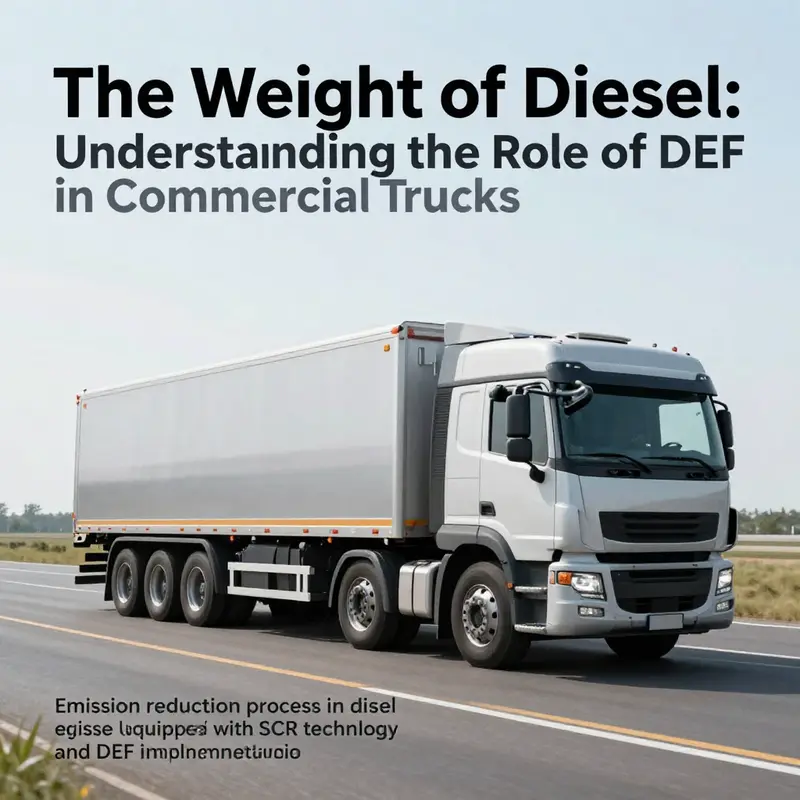
In the world of freight and logistics, the question of how many commercial diesel trucks rely on Diesel Exhaust Fluid (DEF) might seem empirical, yet the answer is anchored in the evolution of emission controls that have reshaped the trucking landscape. DEF is not a mere additive; it is the lifeblood of the selective catalytic reduction system that makes heavy‑duty diesel engines compliant with increasingly stringent limits on nitrogen oxides. The SCR system injects a carefully metered amount of DEF into the exhaust stream, where it vaporizes, decomposes into ammonia, and then participates in a catalytic reaction that converts NOx into nitrogen and water. The chemistry is precise, the hardware is sensitive, and the operating discipline it imposes becomes a backbone of fleet health and regulatory compliance.
The scale of DEF use can be inferred from the market shares of diesel-powered trucks themselves. The provided data underscore that diesel remains dominant in commercial fleets, especially in regions with leading manufacturing and transportation hubs. In the European Union, new registrations in 2025 show diesel trucks commanding a commanding 93.2 percent share. In China, diesel vehicles were reported as the primary fuel type for commercial vehicles in 2025, with sales rising year over year by more than six percent. Even without a published global headcount of DEF users, those figures point to a reality in which millions of heavy‑duty trucks across continents operate under SCR systems at any given moment. The DEF supply chain, the distribution network, and the on‑vehicle sensing and dosing strategies that manage the fluid are all designed around fleets that run relentlessly to keep goods moving, from port to warehouse to regional distribution hub.
The DEF specification is not incidental. It is a deliberate and technical formulation designed to interact with modern exhaust aftertreatment in harsh operating conditions. DEF typically comprises about 32.5 percent high‑purity urea and 67.5 percent deionized water. In the SCR process, when DEF is introduced into the exhaust stream, it thermally decomposes. The resulting ammonia then engages with NOx on the catalyst surface, yielding nitrogen and water vapor that escape from the tailpipe relatively harmlessly. The efficiency of this transformation is extraordinary; NOx reductions of up to about 90 percent are achievable in many operating regimes. That capability alone has reshaped engine design, calmed urban air, and altered the calculus of compliance for fleets that drive heavy loads through densely regulated landscapes.
But such performance does not come without operational discipline. Modern trucks are equipped with sensors that monitor DEF levels, dosing accuracy, and system temperatures. When DEF becomes scarce, the warning prompts flicker, guiding drivers toward replenishment and the fleet’s maintenance calendar. If the DEF depletes entirely and the fluid is not replenished, the SCR system cannot function as intended. The software and the hardware cooperate to enforce a derate mode, where power and speed are curtailed to prevent excessive NOx formation. In some circumstances, more stringent protection logic can render the engine unable to start until DEF is restored. These protective measures, while challenging in the moment, are essential to ensuring the environmental benefits promised by SCR technology are realized on the road.
Quality matters as much as quantity. It is not the act of filling the reservoir but the integrity of the DEF that determines the health of the exhaust aftertreatment. DEF that does not meet appropriate standards or that becomes contaminated can damage the sensitive SCR catalyst. Over time, catalysts lose their efficiency, and the associated components may require costly maintenance or replacement. For fleets, this translates into a careful balance between cost, reliability, and uptime. While the industry does not generally rely on a single supplier, the standard practice is to use DEF that adheres to established purity and quality guidelines, as well as purity guarantees supplied by transport and storage partners along the supply chain. The result is a system in which the fluid, the injector, and the catalyst operate in synchronized harmony to minimize tailpipe emissions without sacrificing performance or reliability.
The regional picture of DEF usage reflects regulatory mosaics and market dynamics that are worth unpacking. Europe has driven rapid SCR adoption in on‑road heavy‑duty trucks as part of a comprehensive strategy to curb NOx emissions in dense urban and suburban corridors. The EU’s emission standards, progressively tightened over the last decade, left SCR‑equipped vehicles as the preferred approach for cleaner diesel operation. In practice, this means a very large portion of new heavy‑duty trucks entering service over the past several years includes DEF systems. China, likewise, has pursued a diesel‑centric path for commercial fleets, with rising sales and a heavy emphasis on meeting urban air quality targets and national air quality objectives. In both regions, the combination of high diesel penetration and SCR‑based controls makes DEF a ubiquitous companion of the modern, high‑mileage truck.
In North America, the narrative is similar in intent if not always identical in pace. American and Canadian fleets were among the early adopters of SCR‑based solutions for on‑road heavy‑duty trucks, driven by state‑level and national policy objectives to reduce NOx emissions. Over the past decade, the proportion of new heavy‑duty trucks with SCR has grown substantially, and the day‑to‑day reality of fleet operations becomes inseparable from DEF management. These dynamics have created a robust market for DEF distribution networks that span from refineries and chemical producers to on‑site bulk plants and retail outlets at truck stops. The same network that ensures a truck can refill its fuel while crossing a state line or traversing a corridor of industry can also supply DEF, which in practice becomes as routine as diesel itself for many operators.
Within the broader global picture, the number of DEF‑using trucks continues to rise with the age and turnover of the on‑road fleet. The absence of a single published global headcount does not imply scarcity; instead, it reflects the sheer scale and fragmentation of fleet operations across regions, carriers, and modalities. The fleet lifecycle—new equipment entering service, older units retiring, and replacements scaling up or down with economic cycles—drives ongoing DEF demand. Fleets that plan for steady DEF replenishment tend to maintain higher uptime and more predictable maintenance costs, while those that experience supply interruptions can face cascading delays across routes, customer commitments, and cash flow. The DEF ecosystem, therefore, behaves much like the fuel supply ecosystem; it requires resilience, reliability, and a path of continuous improvement as markets evolve.
In practice, a typical DEF management program for a large fleet integrates training, storage, and logistics with engine and aftertreatment performance data. Drivers are trained to recognize DEF indicators and to handle the fluid correctly, while technicians monitor the system for anomalies such as miscalibration of dosing, injector fouling, or sensor drift. Storage and handling policies emphasize purity and contaminate prevention, since even trace contaminants can impair catalyst performance over time. Standards from the broader industry help guide these practices. DEF quality standards, including ISO 22241, define purity, concentration, and contaminant limits, providing a framework that reduces the risk of catalyst damage and ensures consistent performance across regions and seasons. This is not a cosmetic concern; it is a core aspect of preserving engine efficiency and compliance with NOx targets.
Seasonal and climatic considerations also shape DEF use. DEF freezes at roughly -11 degrees Celsius (12 degrees Fahrenheit), which means that winter operations demand appropriate storage strategies, insulated tanks, and heated lines in some climates. In cold regions, fleets may rely on heated DEF lines or alternate routing to keep the fluid at the necessary operating temperature to avoid crystallization, delays, or quality degradation. Conversely, in hot climates, DEF stability and the risk of evaporation or quality loss in storage become important. These practicalities reinforce the message that DEF is not an inert commodity; it is a critical, sensitive, and climate‑dependent component of the exhaust aftertreatment chain. Operators must plan for both supply security and fluid integrity, balancing the cost of preventive measures with the potential downtime avoided when a heater or a cooler system is properly deployed.
From an economic standpoint, the DEF equation interacts with several cost levers that fleets monitor closely. DEF cost is a predictable line item in the total cost of ownership, alongside fuel, tires, maintenance, and driver wages. The relative stability of DEF pricing helps fleets forecast expenses, though regional price differentials and supply disruptions can introduce volatility. Because DEF dosing scales with NOx production, cycles that push engines into higher NOx output—such as long mountain climbs, sustained high‑load work, or stop‑and‑go urban driving—will push DEF consumption higher. This does not imply inefficiency; rather, it reflects the precise trade‑offs engineered into modern engines to minimize emissions while preserving power and efficiency. In practice, managers use telematics and fuel economy data to model DEF consumption patterns, align stock levels with typical routes, and schedule deliveries alongside fuel refilling to maximize uptime. Those who optimize DEF logistics often observe lower maintenance surprises and steadier performance across fleets, which translates into more reliable service and favorable resale dynamics in the used market.
Beyond immediate maintenance and cost concerns, the DEF narrative intersects with broader market trends and policy signals. The SCR/DEF pathway has accelerated fleet modernization, encouraging operators to retire older, less efficient engines sooner or to repower with new platforms designed for cleaner NOx control. Even as electrified propulsion options begin to carve out roles in regional transport and short‑haul segments, SCR remains the dominant NOx control strategy for many heavy‑duty operations, particularly where range and payload constraints warrant continuous operation. This coexistence—diesel with SCR in the near term, alongside emerging electrification in select segments—shapes decisions about asset mix, service capacity, and capital planning. In this environment, DEF logistics become a strategic variable rather than a mere operational detail, influencing where fleets base facilities, how they schedule preventive maintenance, and how they forecast demand for service and inventory.
Another facet concerns market perceptions and asset values. The reliability of DEF systems and the avoidance of downtime are critical to maintaining predictable resale values in the used‑truck market. Fleets that can demonstrate consistent SCR performance, clean NOx records, and robust DEF logistics typically experience more favorable pricing dynamics when units transition to new owners. This aligns with a broader trend in which emission control maturity becomes a proxy for asset quality in the eyes of buyers. As the market continues to value cleaner, compliant, and well‑maintained equipment, DEF management emerges as a signal of operational discipline and environmental responsibility, factors that buyers increasingly weigh when assessing total cost of ownership and lifecycle value.
In sum, the scale of DEF use among commercial diesel fleets is best understood as part of a larger system—the SCR framework that has become the standard for NOx mitigation in modern heavy‑duty engines. The EU and China data illustrate a global pattern: diesel remains the mainstay for high‑m mileage fleets, and SCR with DEF is the principal route to achieving NOx reductions without sacrificing performance. The exact number of DEF‑using trucks remains elusive in public datasets, but the convergence of diesel dominance, stringent emission standards, and the proven efficacy of DEF in reducing NOx makes DEF use not a niche practice but a baseline expectation for contemporary commercial trucking. The fluid remains in steady demand because it is inseparable from the core objective of cleaner air, safer urban environments, and durable fleet operations that move goods efficiently across continents.
For readers who follow the used‑truck market, the DEF narrative also intersects with redenomination of asset classes and the lifecycle economics of fleets. The durability of SCR‑related components, the expected lifetime of aftertreatment systems, and the reliability of DEF supply chains all influence residual values and total cost of ownership. Fleets that optimize DEF management—by ensuring timely replenishment, avoiding contaminated fluid, and coordinating with reputable DEF suppliers—tend to preserve uptime and performance, which ultimately supports better resale values in the used‑truck market. This is an area where market data and long‑term trend analysis converge with the technical realities of emission control. The more a fleet can demonstrate consistent SCR performance and DEF availability, the more likely it is to command favorable terms in the second‑hand market, all else equal. For those who track the broader market, a good rule of thumb is that fleets with robust DEF logistics often exhibit more stable maintenance costs and steadier resale trajectories, even as other macro factors influence pricing and demand.
Those macro factors—regulatory timelines, fuel prices, construction and trade volumes, and shifts toward electric propulsion in certain segments—will continue to shape the DEF equation. The core driver remains compliance with emission standards and the need to maintain engine performance in the face of higher NOx mitigation requirements. In this sense, DEF is less a product than a system component that aligns with the broader transition toward more sustainable trucking. It is the physical manifestation of a policy‑driven commitment to cleaner air, delivered through a technology stack that includes sensors, injectors, catalysts, and quality fluids. The sheer scale of operation means industry stakeholders must maintain robust educational and safety frameworks around DEF handling, storage, and use. Training drivers, technicians, and logistics staff to recognize DEF‑related symptoms and to understand the impact of contamination or improper filling helps minimize risk and safeguard longevity of the system.
As the sector continues to evolve, questions about DEF usage will increasingly dovetail with data‑driven insights about fleet performance and environmental outcomes. The ongoing expansion of heavy‑duty electric options for certain segments does not render DEF obsolete; it coexists with a broader portfolio of propulsion technologies as the market experiments with the right mix for different use cases. In the near term, however, the DEF narrative remains central to the operational efficiency and environmental performance of much of the global commercial diesel fleet. If the question is about scale, the answer lies in the combination of diesel market share, SCR adoption, regulatory requirements, and the practical realities of maintaining a continuous, compliant operation. Taken together, these dimensions explain why DEF is both ubiquitous and indispensable in the modern trucking world, and why fleet operators, regulators, and suppliers invest in robust DEF ecosystems with the same seriousness they attach to fuel supply, maintenance scheduling, and route optimization.
Internal link: As the industry continues to grapple with the evolving landscape, fleets and buyers alike can benefit from looking at current trends in used truck sales growth, which reflect how the mix of engines, aftertreatment, and maintenance practices is shifting in response to DEF‑driven emissions controls. See the discussion here: Current trends in used truck sales growth.
External resource: For a technical overview of how SCR and DEF work in diesel exhaust systems, see the Environmental Protection Agency’s guide to understanding diesel emissions control systems: https://www.epa.gov/greenvehicles/understanding-diesel-emissions-control-systems
DEF Adoption at Scale: Tracing the Economic Tide Across Commercial Diesel Truck Fleets
Understanding how many commercial diesel trucks actually run on Diesel Exhaust Fluid (DEF) begins with a paradox: no central registry publishes the exact headcount, yet the industry consensus is clear that SCR and DEF are now the standard for most heavy-duty engines. In Europe, 2025 data show high SCR uptake and widespread DEF availability; in China and other regions, diesel remains dominant in commercial fleets. Taken together, these signals suggest a very high DEF presence among active long-haul and regional fleets, especially where emissions standards are tied to mobility.
DEF economics focus on three themes: the direct cost of DEF, the impact on fuel efficiency and maintenance, and regulatory incentives. DEF consumption typically represents a small share of diesel use, while SCR can improve fuel economy and reduce engine wear. Regulatory compliance and access to key freight corridors drive the business case, offsetting a portion of DEF outlays through smoother operations and avoided penalties.
Infrastructure and logistics have matured: DEF is widely available at truck stops and depots, on-site storage is routine for larger fleets, and predictable refill cycles lower the risk of shortages. The result is gradual modernization of fleets rather than abrupt overhauls, with DEF enabling access to modern powertrains and longer service intervals.
Regionally, Europe’s push for cleaner trucks accelerates SCR adoption, while other markets that still rely on diesel experience a similar but slower transition. The long-term trend favors cleaner engines, better reliability, and maintained market access. For managers evaluating total cost of ownership, DEF is a systemic component of engine management that tends to pay back through uptime and residual value over many years.
External reference: https://www.energy.gov/eere/vehicles/articles/economic-impact-def-adoption-commercial-diesel-truck-fleets
Final thoughts
The reliance on Diesel Exhaust Fluid (DEF) in commercial diesel trucks is not merely an operational choice but a critical compliance strategy in an era of stringent emission controls. The overwhelming dominance of diesel trucks in key markets underscores the urgency for companies to integrate DEF into their fleets effectively. Through understanding regional adoption trends, technological advancements, and associated economic benefits, trucking companies can not only enhance operational efficiency but also contribute significantly to environmental sustainability. As the industry evolves, embracing these changes will be paramount for long-term success and regulatory compliance.