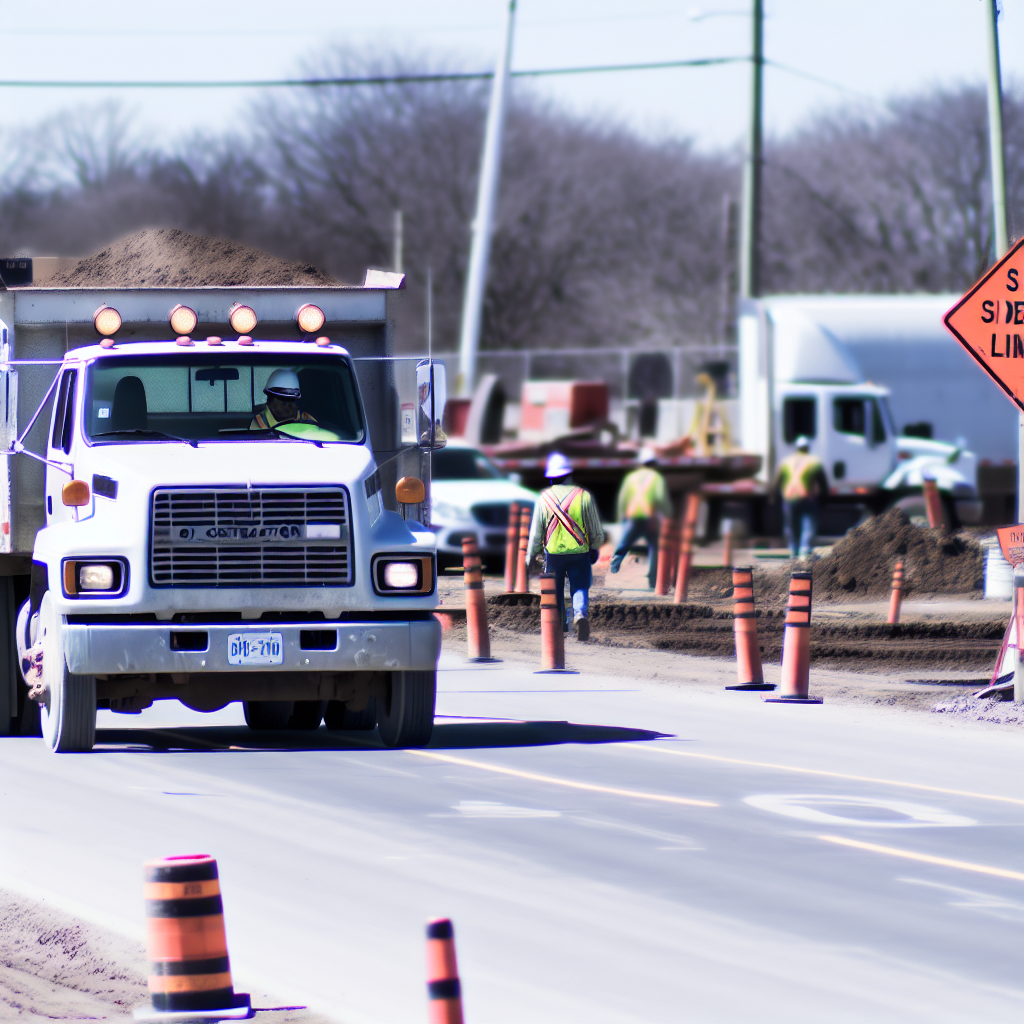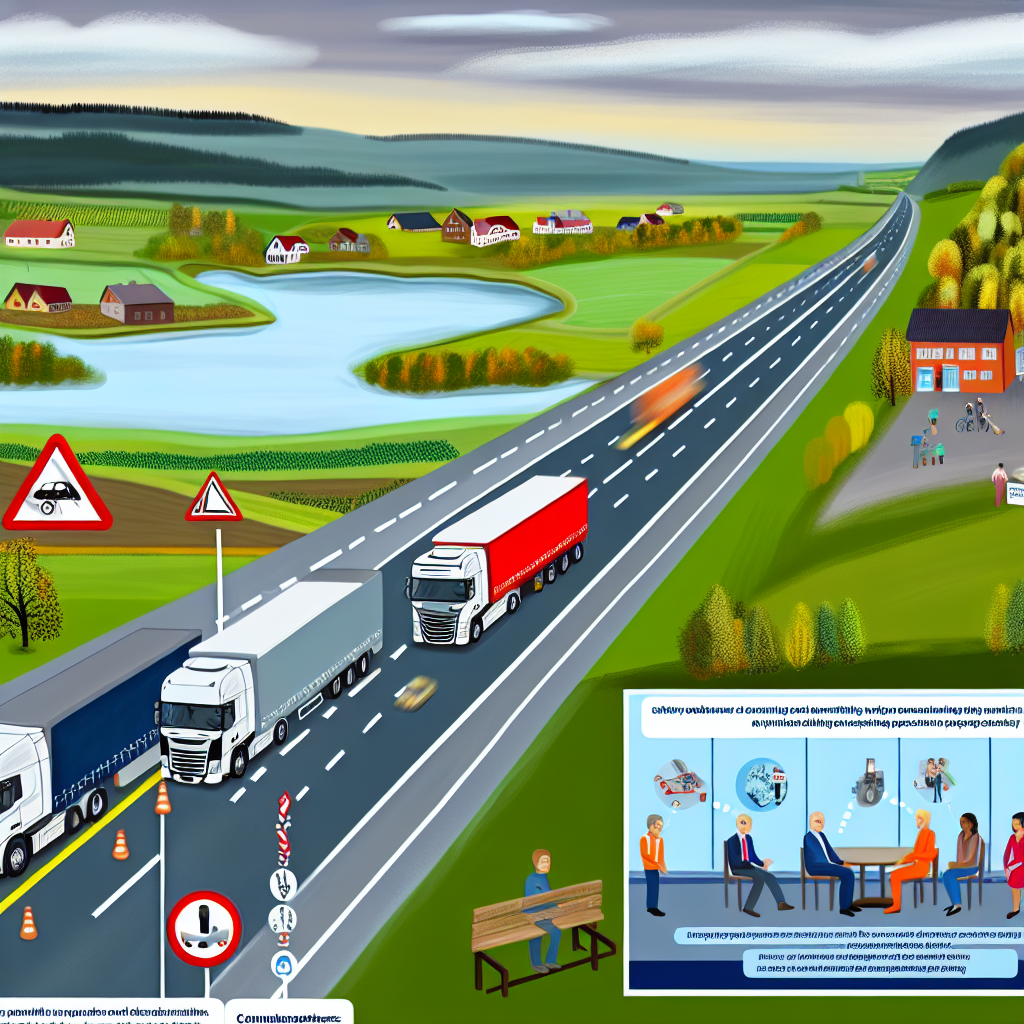
Understanding the interplay between cars and commercial trucks on the road is crucial for all stakeholders in the trucking industry. As trucking company owners, fleet managers, and logistics professionals, awareness of right-of-way regulations and safety considerations not only influences operational efficiency but also enhances safety on the roads. This article delves into critical aspects of right-of-way rules concerning commercial trucks, the safety implications for all road users, and the legal repercussions that may arise from traffic incidents involving trucks. Each chapter builds upon this framework, providing essential insights tailored to those navigating the complexities of commercial trucking.
Right-of-Way in Practice: Do Cars Always Yield to Commercial Trucks on Real Roads?
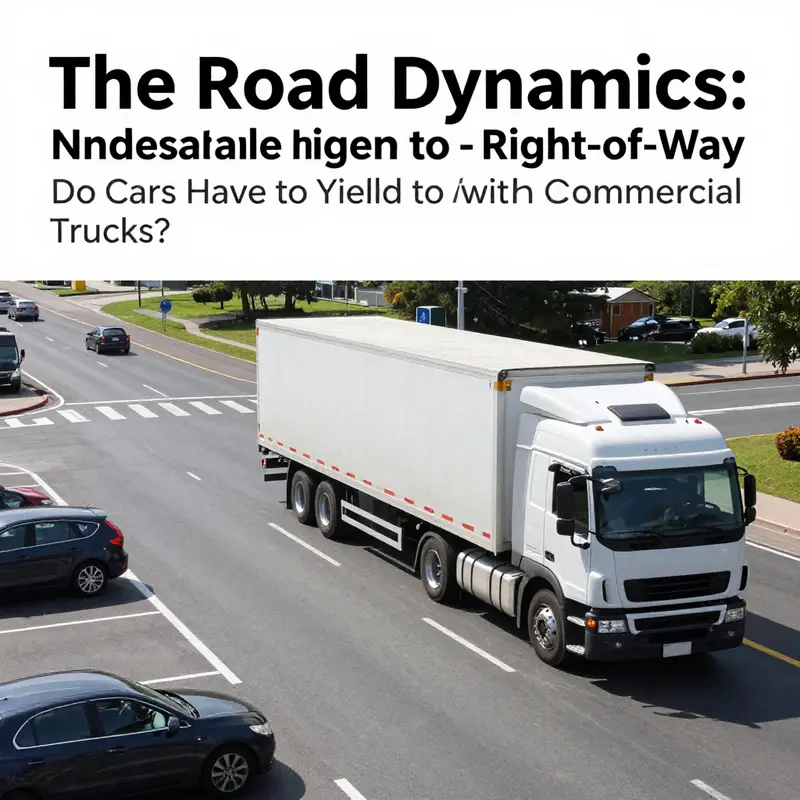
The short answer is that there is no universal rule that cars must always yield to commercial trucks. Right-of-way is determined by traffic control, road position, and the timing of intersections, not by vehicle size alone. In many situations, a driver who is already in an intersection or on a main road maintains the right of way, even if a truck is large. However, trucks have longer stopping distances, wider turning radii, and bigger blind spots. Because of these practical realities, drivers often yield or slow down, not because a law requires it, but to reduce risk and maintain predictability.
Safe driving around trucks means anticipation: watching for trucks entering or turning, leaving extra space when merging, and avoiding sudden lane changes that cut in front of a heavy vehicle. The No Zones are real: try to stay out of the truck’s front, sides, and rear blind spots, and communicate intentions early with mirrors and signals.
On highways, when a truck signals to merge or make a left turn, the car on the main road can maintain speed but should keep a stable lane position to allow the truck to complete its maneuver. Intersections still follow the rule that vehicles on the main road have priority, but a prudent driver yields when the truck’s arc could encroach on cross traffic. The safest approach is to treat trucks with extra space and patience rather than assuming they will compensate for your position.
Driver education and safety campaigns emphasize this shared responsibility: right-of-way is a tool to keep traffic moving safely, not a license to push ahead of a heavy vehicle. For more guidance, see resources from the National Highway Traffic Safety Administration on traffic safety around commercial vehicles.
Yielding on the Road: When Cars Should and Shouldn’t Yield to Commercial Trucks
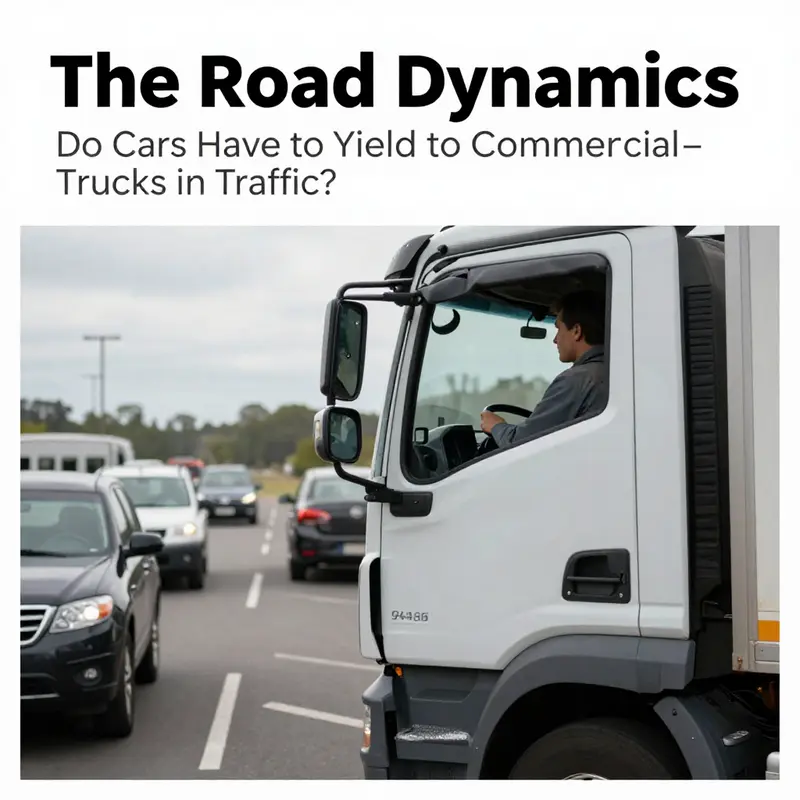
On the surface, the question of whether cars must yield to commercial trucks is not a simple rule of size. Road safety is about predictable, safe interactions and leaving enough margin for a heavy vehicle to stop or maneuver. Trucks are slower to accelerate and have longer stopping distances, but their reduced visibility and larger blind spots mean that drivers of cars must communicate their intentions clearly and avoid lingering in the truck’s no zones. In practice, this means a few core habits: signal early, maintain a generous following distance, and avoid riding alongside a truck for extended periods. Remember that safety is about space and visibility, not the size of the vehicle. The result is a nuanced approach: there are moments when yielding is prudent, and others where the truck is already established in its path and should be given the space to complete its maneuver.
Key factors that influence who yields include the road configuration and the type of maneuver. When a car merges onto a highway and a truck is already in the target lane, the car should slow and create a safe gap for the truck to complete the merge. If a truck is changing lanes and a car is close behind, a patient driver will adjust by increasing space rather than squeezing into a narrow opening. The no zone around a truck extends to the front, sides, and rear, and drivers should avoid lingering in these zones. Passing a large truck should be done with ample space, clear signaling, and a return to a safe lane after the truck is fully passed.
In intersections, the vehicle with the clear path proceeds; if a car turning left would cross the path of an approaching truck, the car yields to avoid a collision. Across most driving contexts, the guiding principle is simple: yield when it reduces risk, maintain visibility, and keep steady, predictable behavior. The ultimate goal is to minimize surprises for everyone on the road, especially the truck driver who must manage momentum, blind spots, and long stopping distances. By prioritizing space and clarity, both car drivers and truck operators can share roads more safely, with fewer close calls and misunderstandings.
Right-of-Way and Heavy Vehicles: Do Cars Always Have to Yield to Commercial Trucks?
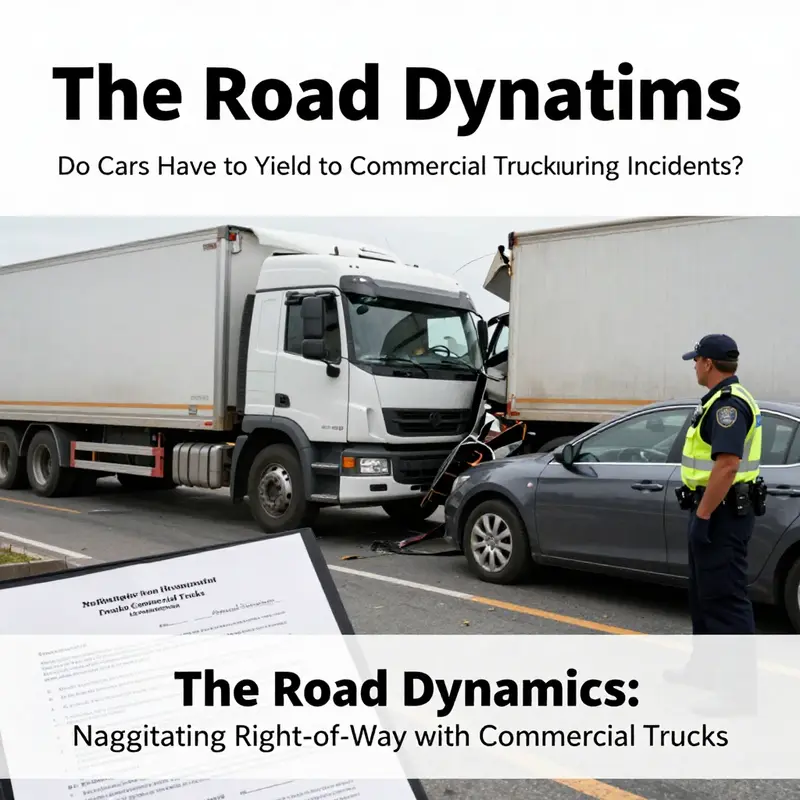
Traffic law does not promise trucks automatic priority simply because they are large. The impulse drivers feel — that a commercial truck dominates the road by virtue of mass — can distort risk judgments. In reality, right-of-way rules typically favor the vehicle already in an intersection or on the through road, but heavy vehicles change driving decisions because of weight, longer stopping distances, and large blind spots. Cars do not automatically yield to trucks, but they must exercise heightened caution around them. The result is a blend of legal obligation and practical risk management that shapes daily driving across all road types.
The Move Over Law is designed to protect roadside workers and disabled or incident-affected CMVs. When you see an emergency vehicle stopped on the shoulder, you must slow down and, if safe, switch lanes to create a buffer. The same logic applies to disabled commercial trucks. The goal is not to privilege trucks in normal traffic, but to reduce risk for people who are stranded or assisting along a highway.
FMCSA guidelines, often adopted into state vehicle codes, require drivers to slow down and move over when a CMV is stopped due to breakdown, crash, or other incident. Penalties can include fines, demerit points, and, in severe cases, criminal charges. These consequences emphasize proactive risk reduction rather than mere compliance with formal right-of-way rules.
The scope of the Move Over Law extends to tow trucks and other roadside services. Roadside workers need safer space as heavy vehicles approach, so drivers should increase the gap whenever possible.
In practice, drivers balance the general right-of-way with safety. If you approach an intersection with a truck on an adjacent road while turning left, yield to ongoing through traffic; wait for a clear path before completing the turn if a truck is near. Trucks have no zones where you disappear from view; do not linger alongside them or attempt risky lane changes near their blind spots. When merging, use the entire merge window, signal early, and avoid squeezing into small gaps that pressure a truck to brake or swerve.
Safety around heavy vehicles is about steady, predictable behavior. Abrupt lane changes near a truck should be avoided; decelerate earlier and give trucks time and space to complete their moves. The law is designed to minimize risk, not to grant trucks limitless priority.
When you encounter a stopped CMV, you are generally required to slow down and, if possible and safe, switch lanes to create space. The Move Over Law protects workers, responders, and drivers beside or around stationary trucks.
Linking legal and practical threads helps readers understand a shared responsibility: anticipate, plan, and execute maneuvers with caution around large vehicles. The Move Over Law and related safety practices exemplify civic responsibility and road-safety engineering in action.
For further reading on state Move Over Laws and enforcement, see resources such as the NHTSA Move Over Laws page: https://www.nhtsa.gov/road-safety/move-over-laws
Final thoughts
Navigating the roadways involves a complex understanding of vehicle dynamics, specifically regarding commercial trucks. As examined, cars do not inherently yield to trucks due to their size alone; rather, the right-of-way regulations govern these interactions. Safety considerations are paramount, particularly with regard to the truck’s limitations and blind spots, which must be respected by all drivers. Furthermore, legal implications arising from traffic incidents can significantly affect all parties involved. Therefore, enhancing knowledge regarding these factors is essential for better safety practices and compliance with the law in the transportation sector.