Introduction
In the bustling landscape of various industries, commercial trucks stand as the backbone of supply chains, ensuring the smooth transit of goods across cities and states. From trucking companies striving to meet their operational demands to fleet managers focused on optimizing performance and reducing costs, the importance of selecting the right commercial vehicle cannot be overstated. This is especially critical for procurement teams within construction and mining enterprises, where the right trucks can make a significant difference in project timelines and budget constraints. With the ongoing evolution of market needs, it becomes essential for these professionals to explore local purchasing options for commercial trucks. In this article, we will delve into the benefits of buying commercial trucks locally, highlighting the advantages it affords trucking company owners, fleet managers, and logistics firms alike. By understanding the local market dynamics, value propositions, and potential challenges discussed in this context, readers can equip themselves with insights to make informed decisions in their purchasing journeys. Learn more about current trends in used truck sales and gain insights into stable used truck pricing.
Types of Commercial Trucks Available
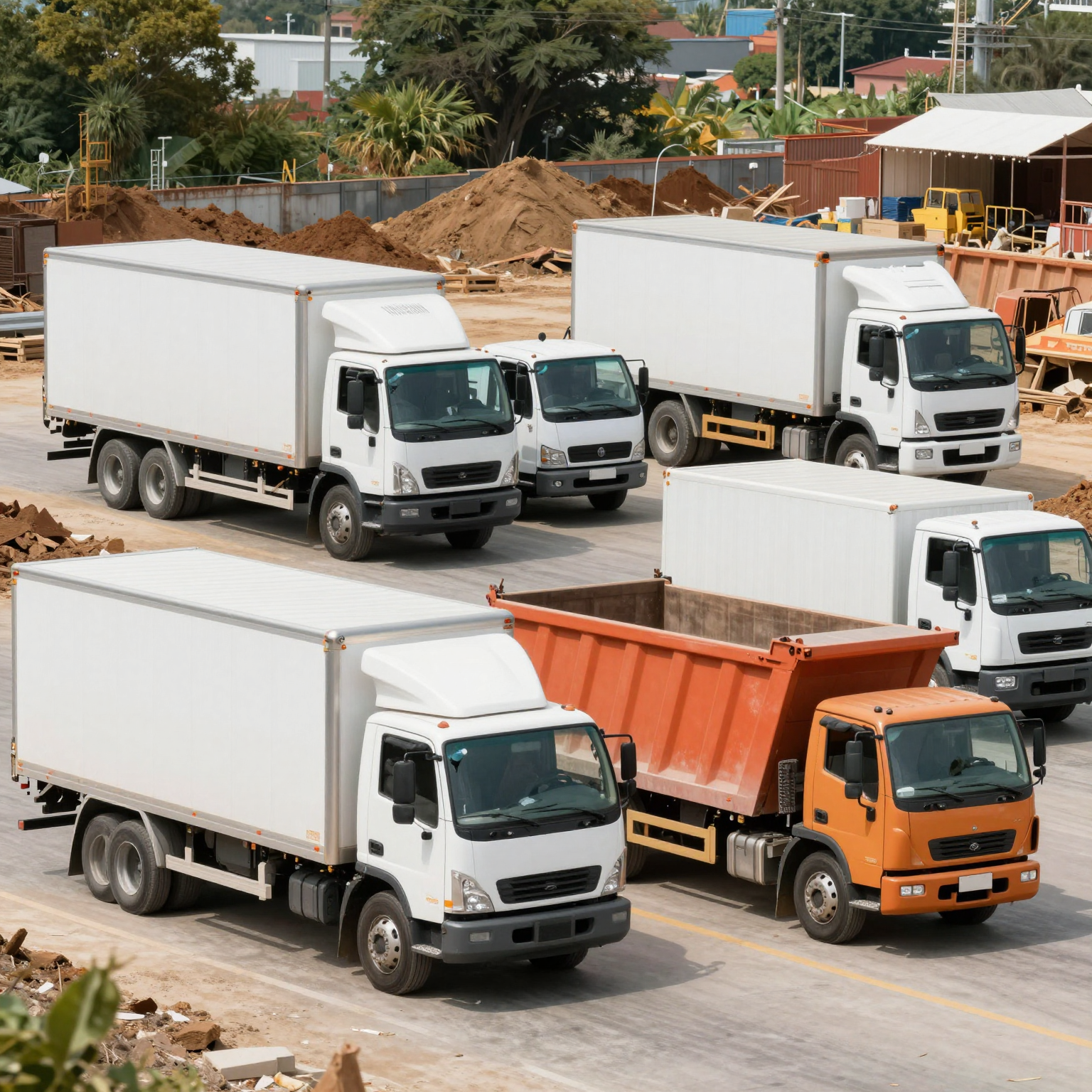
When considering the right commercial truck for your business, it’s important to understand the various types available and their specific applications across different industries. Below is an overview of some common commercial truck types:
Box Trucks
- Description: Box trucks, also known as cube vans, feature a large enclosed cargo area shaped like a box.
- Primary Uses:
- Logistics: Ideal for parcel delivery and last-mile distribution.
- Moving Services: Used for residential and commercial relocations, and delivering furniture and appliances.
- Construction: Useful for transporting tools and materials to job sites.
Flatbed Trucks
- Description: Flatbed trucks have a flat, open bed with no sides or roof, allowing for oversized cargo transport.
- Primary Uses:
- Construction: They transport heavy materials such as steel beams and machinery.
- Manufacturing: Used to move raw materials between plants.
- Utilities: They haul infrastructure components like poles and transformers.
Tow Trucks
- Description: Tow trucks are specialized vehicles designed to recover or transport disabled vehicles.
- Primary Uses:
- Automotive Industry: Transport new vehicles from dealerships.
- Emergency Services: Used by police to clear accidents and remove impounded vehicles.
- Roadside Assistance: Critical for maintaining traffic flow during vehicle breakdowns.
Dump Trucks
- Description: Dump trucks feature a bed that can be raised at the front to deposit its load.
- Primary Uses:
- Construction: Transport loose materials like sand and gravel for various projects.
- Mining: Used to haul ore and overburden.
- Waste Management: Essential for transferring refuse to landfills.
These different types of commercial trucks serve distinct purposes across various sectors, influencing purchasing decisions for companies like trucking businesses, construction firms, and logistics providers. Understanding the functionalities can aide in effectively selecting the appropriate vehicle based on operational needs.
Industry Application Chart
Below is an overview of how these trucks are distributed across core industries:
| Truck Type | Primary Industries & Uses | Key Applications in Logistics | Key Applications in Construction | Key Applications in Emergency Services |
|---|---|---|---|---|
| Box Trucks | Logistics, moving services, retail delivery, appliance transport, storage facility rentals | Parcel delivery, furniture delivery, residential/commercial moves | Moving equipment and materials within sites | Not typically used |
| Flatbed Trucks | Construction, manufacturing, industrial transport, vehicle hauling, heavy machinery transport | Transporting oversized or irregular cargo | Hauling steel beams, timber, machinery | Not typically used |
| Dump Trucks | Construction, mining, landscaping, waste management, road maintenance | Bulk material transport | Site preparation, excavation | Limited use in debris clearance |
| Tow Trucks | Automotive repair, roadside assistance, vehicle recovery, salvage operations | Vehicle towing for logistics disruptions | Not typically used | Emergency vehicle recovery |
For further insights into current demands, explore our article on current trends in used truck sales growth and the impact of tariffs on truck sales.
Exploring Commercial Truck Buyers
In the commercial vehicle market, several key players seek to buy trucks that adequately meet their operational needs. Among these include:
- Trucking Company Owners & Fleet Managers: These buyers often look for trucks that enhance efficiency and reduce operational costs. Investments are made based on truck durability, fuel efficiency, and maintenance costs.
- Construction & Mining Procurement Teams: This segment focuses on heavy-duty trucks capable of handling rugged terrains and transporting heavy equipment. Concerns such as load capacity and safety features are paramount in their buying decisions.
- Logistics & Freight Brokerage Firms: They require versatile trucks that can adapt to various freight demands, prioritizing reliability and speed.
The demand for commercial trucks has influenced various factors in the market, such as pricing and availability. For detailed insights into the current trends, consider reviewing trends in used truck sales growth or the impact of tariffs on truck sales.
Understanding who buys commercial trucks can help streamline your sales strategy and effectively target your marketing efforts to meet the right audience.
Factors to Consider When Buying Commercial Trucks
Acquiring a commercial truck represents a significant investment for any business, making it critical to consider various factors to ensure a wise purchasing decision. Here are some essential elements to keep in mind:
1. Budget
When purchasing a commercial truck, the foremost factor to assess is your budget. This includes not only the initial purchase price but also potential financing options. According to J.D. Power, commercial truck pricing trends indicate that new truck prices are expected to rise by at least 6% in 2025. Therefore, a comprehensive budget plan addressing both immediate and long-term financial impacts is crucial.
2. Maintenance Costs
Maintenance costs play a vital role in the total cost of ownership (TCO) for commercial trucks. Reports from the American Trucking Associations indicate a projected increase in maintenance expenses, suggesting businesses should prepare for long-term implications on their operational costs. Prioritizing trucks known for reliability and lower maintenance requirements can help mitigate these expenses over time. As a benchmark, approximately 30% of TCO can be attributed to maintenance costs, according to industry analyses.
3. Fuel Efficiency
Fuel efficiency is a key consideration, directly impacting operational costs. A commercial truck’s fuel economy can significantly influence profitability, especially in logistics and transport sectors. For example, high-efficiency trucks can offer over 12% better fuel usage than their less efficient counterparts. Opting for trucks with advanced fuel-saving technologies can lead to substantial long-term savings.
4. Resale Value
Resale value is another critical factor, as it affects the total investment recuperation at the end of a truck’s lifecycle. Research shows that reputable brands such as Freightliner and Volvo maintain higher resale values, with some models retaining up to 60%-65% of their original price after five years. Furthermore, the trend of used truck pricing stability is projected to continue, making it essential to consider brands and models that will hold their value (learn more about used truck prices).
In conclusion, understanding these critical factors-budget, maintenance costs, fuel efficiency, and resale value-is essential for making informed decisions when purchasing commercial trucks. Keeping abreast of market trends can further aid in optimizing purchasing strategies and ensuring financial viability.
Purchasing Commercial Trucks Locally: Building Trust and Security
In today’s competitive trucking and logistics landscape, the decision to purchase commercial trucks from local dealers offers a myriad of benefits that extend beyond mere financial considerations. Trustworthiness and reliability are two crucial elements for trucking company owners, fleet managers, and procurement teams in construction and logistics sectors.
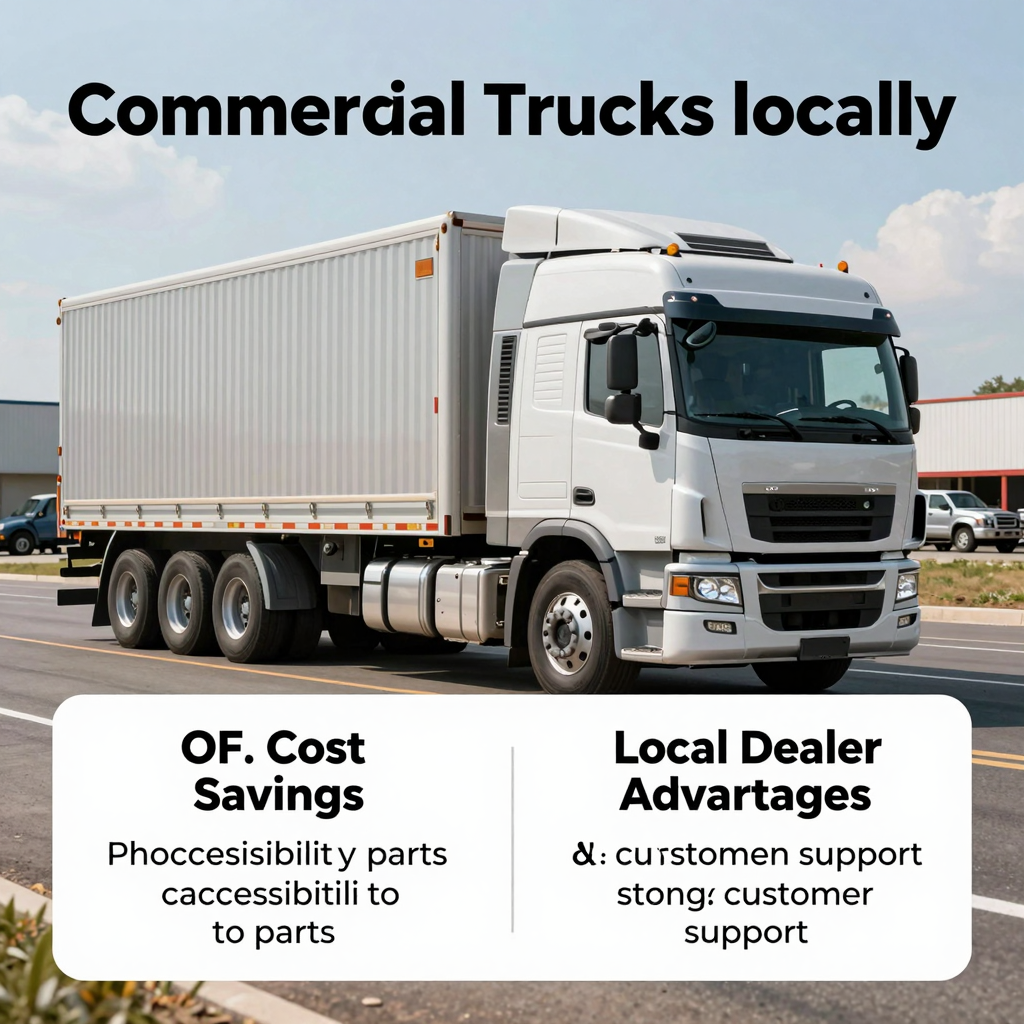
Choosing to buy locally often means lower transportation costs and quicker access to necessary parts and services. Local dealers have a vested interest in building lasting relationships with their customers, which encourages them to provide top-notch customer service and support. As noted by a report from Dongfeng Trucks, “one of the key advantages of purchasing trucks from local dealers is the ease of access to maintenance and repair parts, which reduces downtime and maintenance costs.”
Additionally, local dealers usually possess a deep understanding of the specific needs and challenges faced by regional businesses. They often offer customized solutions based on local operational demands, ensuring that the vehicles purchased are perfectly suited for the intended tasks. This is further emphasized by Volvo’s commitment to local production and services, which they say enhances the decision-making process for buyers. Their early models highlighted,
“It’s not just about selling trucks; it’s about providing tailored support for local operations, which greatly minimizes the risks associated with vehicle incompatibility.”
In essence, purchasing commercial trucks locally fosters a supportive ecosystem that benefits both buyers and sellers. Not only does it enhance the trust factor in the transaction, but it also contributes to a thriving local economy. For more insights on real-time trends, consult our article on current trends in used truck sales growth.
| Vendor Name | Specialties | Contact Information | Advantages |
|---|---|---|---|
| Freightliner Local Truck Center | New Freightliner Trucks | (555) 123-4567 [email protected] www.freightliner.com |
Localized support, quick turnaround for services, financing options. |
| Peterbilt Trucks of California | Heavy-Duty Trucks | (555) 234-5678 [email protected] www.peterbilt.com |
Knowledge of local regulations, customized solutions for fleets. |
| Volvo Trucks North America | Sustainable Truck Solutions | (555) 345-6789 [email protected] www.volvotrucks.com |
Strong after-sales support, transparent pricing mechanisms. |
| Kenworth Truck Company | Medium-Heavy Duty Vehicles | (555) 456-7890 [email protected] www.kenworth.com |
Expertise in vehicle configurations, rapid response to service needs. |
| International Trucks | Versatile Truck Options | (555) 567-8901 [email protected] www.internationaltrucks.com |
Connections in local logistics, reduction in transportation costs. |
Discussion
Choosing the right vendor for commercial trucks is essential for efficient fleet management. Each of these vendors offers unique advantages and specialties that can assist trucking company owners and procurement teams in making informed decisions. Furthermore, local vendors typically provide personalized service, which can enhance operational efficiency and support.
For further insights on trends in the used truck market, learn more about current trends in used truck sales growth. Additionally, it’s advantageous to understand the local economic impacts on trucking; navigate economic uncertainties in the trucking market.
Buying Process for Commercial Trucks
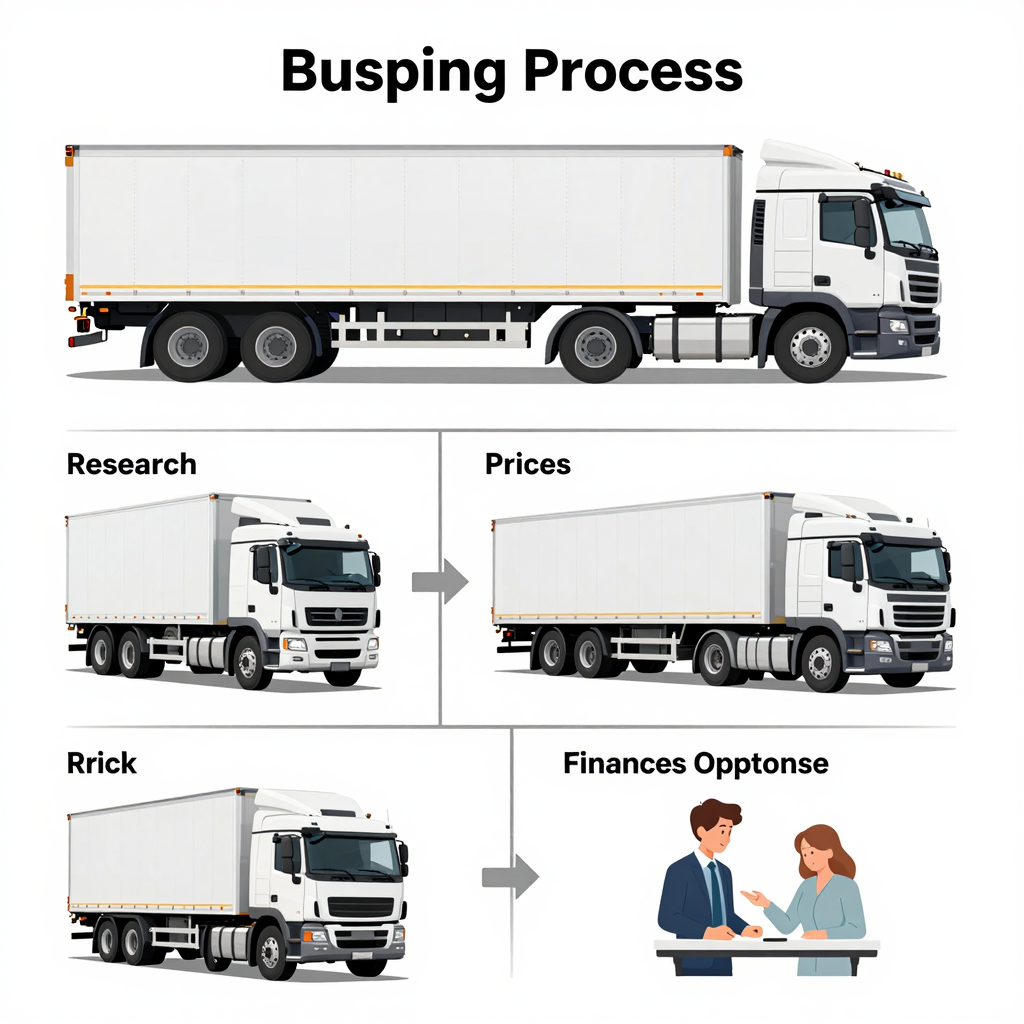
Acquiring a commercial truck is a crucial decision for businesses, requiring strategic planning and informed decision-making. Here’s a step-by-step guide that outlines the essential stages of this buying process:
1. Research and Needs Assessment
Begin by evaluating your operational needs. Consider factors such as:
- Type of Cargo: What will you be transporting?
- Route Specifications: Will you need long-haul or local trucks?
- Payload Requirements: Determine the maximum weight and size you’ll manage.
2. Choose New vs. Used
Decide whether to invest in a new or used truck. Each has its benefits:
- New trucks usually come with warranties and the latest technology.
- Used trucks can be significantly cheaper; however, thorough inspections (checking for frame damage, engine condition) are important.
3. Financing Options
Secure financing through relevant commercial lenders. Understand different financing terms that may affect your cash flow and select optimal options for your business’s financial health. Learn more about financing tips for first-time truck owners.
4. Inspection and Verification
For used trucks, conduct a rigorous inspection. Verify key documentation such as the title, registration, and emissions compliance as outlined by the Federal Motor Carrier Safety Administration.
5. Negotiation
Once a truck is selected, engage in price negotiation. Use your research data, including market rates and vehicle history, to make a compelling case for your offer. Emphasize the physical condition and maintenance records to justify your proposed price.
6. Finalize the Purchase
Complete all necessary paperwork, including bill of sale and proof of insurance. After finalizing the transaction, ensure to register the truck as per local regulations.
Understanding the Commercial Truck Buying Process
Purchasing a commercial truck is a significant investment, often requiring careful planning and consideration. The buying process typically involves several key steps:
- Research Options: Buyers should begin by researching different types of trucks suitable for their needs, focusing on specifications, brand reliability, and overall performance.
- Comparative Analysis: Price comparison across various dealers and platforms can help in determining the best deal.
- Inspection: Thoroughly inspecting potential purchases for quality and condition is crucial before committing.
- Financing Options: Evaluate financing choices, including loans and leases, to ensure affordability.
- Final Purchase Decision: After completing these steps, make an informed decision to secure the best vehicle for your operational needs.
To learn more about the current trends in used truck sales, check out this article on used truck sales trends.
Financing Options for Purchasing Commercial Trucks
When it comes to acquiring commercial trucks, fleet managers and procurement teams must explore various financing options. Making the right financial choice is essential to manage cash flow effectively while meeting business operational goals. Below, we detail some of the most prevalent financing methods available for purchasing commercial trucks.
1. Bank Loans
Bank loans are a traditional and widely-used option for purchasing commercial trucks. Typically, these loans offer:
- Interest Rates: Ranging from 5.2% to 8.9% as of Q1 2026, strongly influenced by the borrower’s creditworthiness (source).
- Loan Amounts: Commonly between $20,000 to $250,000.
- Terms: Offers typically span from 3 to 6 years, depending on the truck type and its expected value.
These loans provide the benefit of ownership but often require a substantial down payment and collateral, which can strain the company’s finances in the short term.
2. Leasing
Leasing has become increasingly popular, accounting for nearly 40% of new commercial truck acquisitions. Key advantages include:
- Lower Initial Costs: There is no significant down payment required, freeing up capital for other uses.
- Predictable Payments: Monthly payments are fixed over the term of the lease, aiding in budgeting.
- Access to Newer Vehicles: Leasing allows for regularly updated fleets with the latest technology and more efficient models.
However, one must consider that leased trucks do not build equity and the total cost may exceed that of purchasing over a long period (learn more about the pros and cons of leasing).
3. Manufacturer Financing
Many manufacturers offer financing options directly through their finance company arms (e.g., Ford Credit). This route can offer competitive interest rates and may include favorable terms on maintenance or warranties, making it appealing for businesses seeking new trucks.
4. Sale-and-Leaseback Arrangements
A sale-and-leaseback arrangement can be advantageous for companies seeking to free up cash flow. Businesses sell their existing trucks to a financing entity and lease them back. This approach can provide immediate capital while allowing companies to retain vehicle usage.
Conclusion
Choosing the right financing option involves careful evaluation of the company’s financial health, cash flow projections, and long-term operational needs. With the growing trend in leasing and competitive loan rates, procurement teams must assess what aligns best with their operational capabilities and financial strategies. For further insights on commercial truck financing trends, visit here.
Conclusion: Act Now!
As a trucking company owner, fleet manager, or procurement specialist, the urgency of optimizing your operations has never been more critical. With changes in market dynamics and rising competition, investing in premium commercial truck fairings and customization can significantly enhance your fleet’s efficiency and performance. Don’t miss out on the opportunity to elevate your business for the challenges ahead. Visit summitfairings.com today to explore premium options tailored for your needs and ensure your fleet is poised for success. Take action now-your trucks deserve the best!