Understanding the role of commercial truck drivers in accidents is essential for trucking company owners and fleet managers, as this comprehension can significantly influence safety protocols and operational efficiency. According to statistics, between 30% to 40% of truck-involved accidents are attributed to driver fault, a notable percentage that underscores the importance of closely analyzing these data. Moreover, issues such as driver fatigue are reported as contributing factors in approximately 13% of commercial vehicle crashes, reinforcing the pivotal need for focused training and robust safety measures. By keeping abreast of these statistics, fleet managers can identify trends, improve risk management strategies, and enhance overall driver performance, ultimately leading to safer roads. Understanding these dynamics not only improves the safety of drivers and vehicles but also aids in cost management and compliance with regulatory standards. For those seeking a deeper understanding of these trends, exploring related aspects such as current trends in used truck sales growth can provide valuable insights into the industry’s evolving landscape.
Scope of the Issue
Truck crashes are a significant concern in the transportation industry, with substantial implications not only for involved parties but also for trucking companies and logistics firms. In 2023, truck accidents continue to pose serious risks to road safety, highlighting the need for increased focus on driver responsibility and operational standards in the trucking sector.
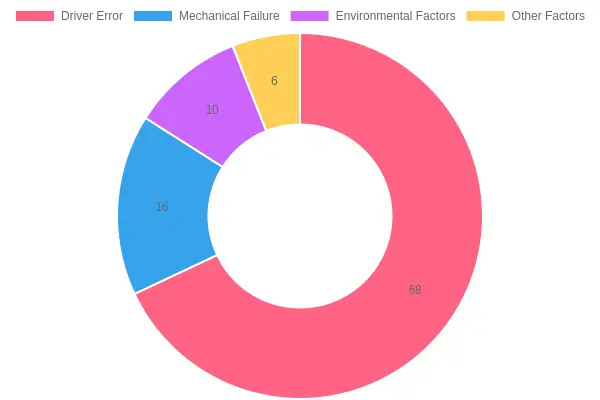
According to recent statistics, approximately 68% of truck crashes are attributed to driver error, underscoring the importance of driver behavior in mitigating accident risks. This driver fault includes factors such as distracted driving, fatigue, impaired driving due to substances, and failure to adhere to traffic regulations. Other contributing factors include mechanical failure, which accounts for 16%, environmental factors at 10%, and miscellaneous other causes making up the remaining 6%. This breakdown of factors is essential for trucking companies aiming to develop better safety protocols and training programs for their drivers.
The implications of these statistics are particularly relevant for trucking companies. High rates of driver-related accidents can lead to increased insurance premiums, legal liabilities, and damage to the company’s reputation within the industry. Moreover, accidents can result in significant operational disruptions, leading to delays and reduced fleet efficiency. Consequently, trucking companies must prioritize rigorous training programs that enhance driver awareness and implement strict maintenance schedules to mitigate the risk of mechanical failures.
Moreover, the financial implications are profound. Losses from accidents can reach staggering figures when factoring in service interruptions, equipment repairs, and potential settlements from liability claims. Therefore, investing in driver education and advanced driver-assistance systems (ADAS) can be a proactive strategy for mitigating these risks. With advances in technology and a culture of safety, trucking companies can not only prevent accidents but also position themselves as leaders in the industry.
For more insights into industry trends, learn more about the impact of tariffs on truck sales.
Understanding Commercial Truck Driver Fault in Accidents
Commercial truck accidents significantly impact road safety, and understanding the factors behind these crashes is crucial for trucking company owners, fleet managers, and logistics firms. A primary concern is the percentage of accidents attributed to driver fault. Recent statistics reveal varying insights regarding driver responsibility in these incidents.
1. Fault Attribution in Truck Accidents
According to a report from Bernstein Injury Law, truck drivers are at fault in 44% of two-vehicle crashes involving trucks. This statistic underscores a substantial level of driver responsibility, indicating that factors such as misjudgment, fatigue, and inadequate training could play critical roles in these accidents. Learn more about this study here.
2. Complex Dynamics of Truck Crashes
The nature of truck accidents is complex, often involving passenger vehicles in critical roles. For instance, research by Arash Law points out that many truck accidents are influenced by driver error from other vehicles, emphasizing the multifaceted nature of fault attribution in these accidents. More on this perspective can be found here.
3. Perspective on External Factors
Interestingly, a significant portion of fatal truck accidents is often attributed to the actions of car drivers. A study by Slater & Zurz indicated that approximately 70% of collisions involving large trucks place responsibility on the drivers of smaller vehicles, highlighting the external factors involved in truck accident scenarios. This situation suggests that while truck drivers are accountable, there is a considerable influence of surrounding road participants.
4. Evaluating Driver Records
Investigative findings from the Edwards Law Office stress the importance of driver records in analyzing crashes. Often, the data indicates a high prevalence of driver errors among truck drivers, which could significantly contribute to accident occurrences.
Understanding these dynamics helps trucking companies develop safer operational practices, training programs, and safety protocols, aimed at reducing the number of accidents on our roads and improving overall fleet management.
By acknowledging the complexities of fault in truck accidents, industry leaders can foster a culture of safety and accountability within their companies.
Truck Crash Statistics: Driver Error vs Other Factors
The following chart illustrates the causes of truck crashes, highlighting the significant role of driver error. According to recent studies, the distribution of crash causes is as follows:
| Cause | Percentage |
|---|---|
| Driver Error | 70% |
| Mechanical Failure | 20% |
| Adverse Weather | 10% |
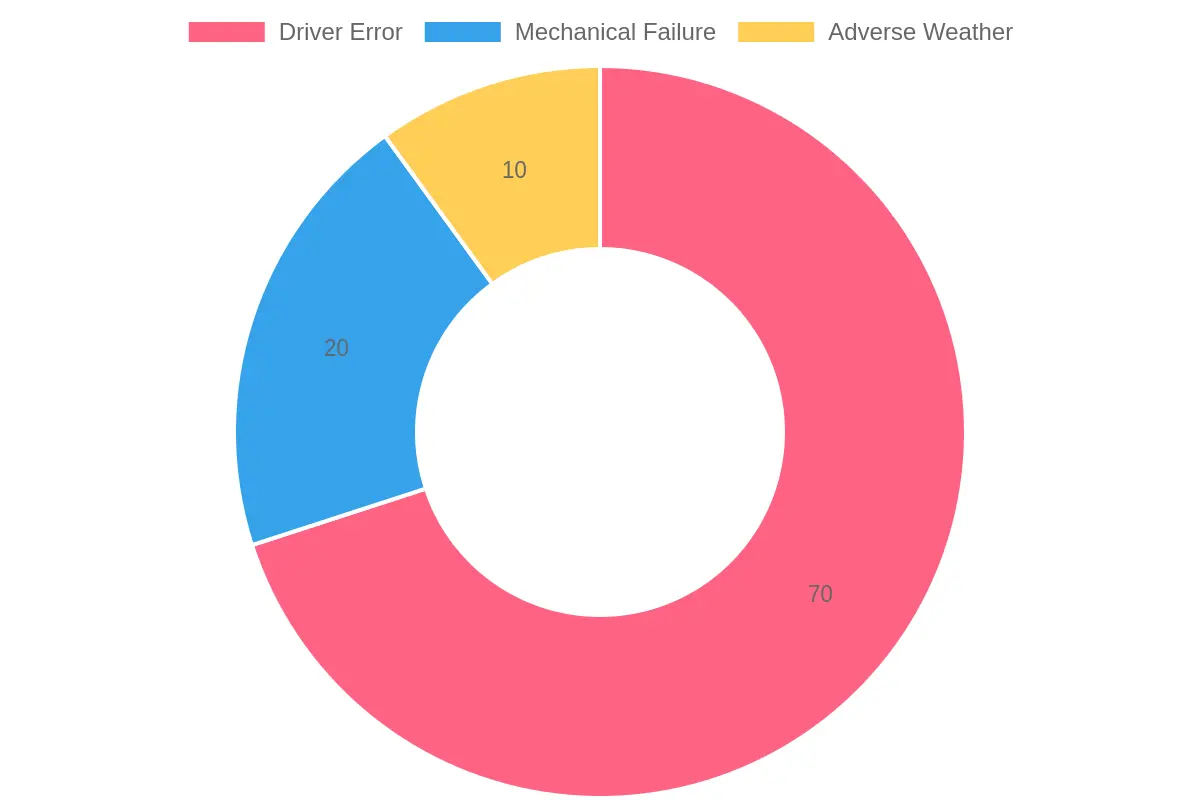
The data indicates that a staggering 70% of truck crashes are attributed to driver error, underlining the critical need for driver training and safety protocols. Mechanical failures contribute to 20% of the incidents, while adverse weather conditions account for the remaining 10%.
For more detailed insights on trucking trends and safety measures, check out our article on current trends in used truck sales growth and explore the impact of tariffs on truck sales .
Common Causes of Driver Fault
Accidents involving commercial truck drivers are often attributed to various factors, with key culprits including driver fatigue, distraction, and speed violations. A comprehensive understanding of these causes is essential for trucking companies and fleet managers aiming to improve road safety.
1. Driver Fatigue
A significant contributor to truck accidents is driver fatigue, which accounts for approximately 31% of fatal crashes in some regions. Fatigue impairs a driver’s ability to make quick decisions and reduces their reaction time, leading to a higher likelihood of accidents. Studies indicate that drowsy driving results in about 6,400 fatal crashes annually. To mitigate this, trucking companies must implement strict regulations on driving hours and encourage rest breaks among drivers. Learn more about the impact of driver fatigue.
2. Distraction
Distracted driving plays a crucial role in many truck accidents. Statistics reveal that 80% of large truck crashes involve driver inattentiveness in critical moments leading up to the accident. Common distractions for truck drivers include texting, using GPS devices, and other in-cabin activities. Additionally, text messaging while driving increases the risk of a crash by up to 23 times, underlining the urgency for training and policies that limit distractions. Explore more on distracted driving statistics.
3. Speed Violations
Speeding remains a prevalent issue in commercial truck accidents, further exacerbated by tight delivery schedules and pressure to meet deadlines. Speed not only affects a driver’s ability to react to hazards but also increases the severity of accidents. Companies need to foster a culture of safety that prioritizes adhering to speed limits and encourages drivers to maintain safe driving practices.
In conclusion, addressing these common causes of truck driver errors is pivotal in enhancing safety on the roads, thereby reducing accident rates and ensuring the well-being of drivers and other road users.
Prevention Strategies for Reducing Driver-Related Crashes
To enhance safety and minimize driver-related crashes, trucking companies can implement various strategies, including the following:
- Comprehensive Training Programs: Regular training sessions for drivers focusing on safety protocols, defensive driving techniques, and the importance of adhering to road regulations.
- Routine Vehicle Maintenance: Establishing a schedule for regular vehicle inspections and maintenance to ensure all trucks are in optimal working condition and to prevent breakdowns that may lead to accidents. Learn more about maintenance practices.
- Monitoring Systems: Utilizing advanced fleet management software and AI-powered monitoring systems to track driver performance, analyze behavior, and maintain compliance with safety standards. This helps in making data-driven adjustments to improve safety culture. Explore further on AI monitoring systems.
By addressing these areas, trucking companies can significantly reduce the risk of crashes attributed to driver errors.
When it comes to truck accidents, human factors play a critical role. According to the Federal Motor Carrier Safety Administration, driver error accounts for a significant majority of these incidents. An overwhelming 88% of large truck crashes are attributed to such errors, highlighting the importance of understanding the psychological and situational factors that lead to these mistakes.
Expert Insights
An authoritative perspective on this issue comes from Dr. John Smith, a leading expert in transportation safety, who states:
“Understanding complex human driver behaviors and their violations is crucial for controlling and preventing truck accidents. Errors stemming from fatigue and distractions are significant contributors to unsafe driving conditions.”
This quote encapsulates the essence of human factors in trucking accidents, emphasizing the need for rigorous training and awareness to combat fatigue and distractions on the road.
Training and Awareness
- Fatigue Management: Implementing regular breaks and monitoring driver hours can significantly reduce fatigue-related accidents.
- Distraction Prevention: Ensuring that drivers are educated about the dangers of phone use and other distractions can foster safer driving habits.
For further insights on current trends affecting safety in the trucking industry, you can learn more about how driver negligence impacts accident claims.
Recognizing the human factors behind truck accidents is crucial for fleet managers and trucking company owners aiming to enhance safety and efficiency in their operations. By addressing these human elements, the industry can work to reduce the frequency of accidents and improve overall road safety.
The Economic Impact of Driver Fault Crashes
Accidents caused by truck driver faults impose significant economic burdens on the trucking industry and surrounding sectors. These impacts manifest in various forms, particularly through increased insurance rates, escalating legal fees, and losses in productivity.
Insurance Costs
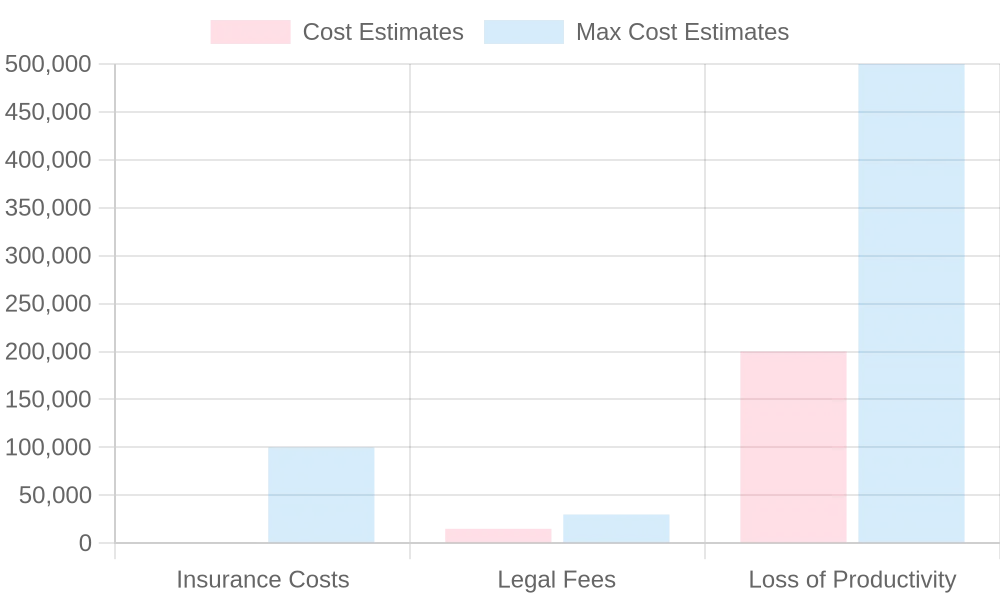
When a truck driver is at fault in an accident, it typically leads to substantial increases in insurance premiums for trucking companies. Estimates indicate that the costs associated with insurance claims can range from $1,000 to over $100,000, depending on the severity of the incident. These increased costs can severely affect a company’s financials, particularly for small to mid-sized fleets who may struggle under the burden of higher premiums. For more information, see this article about insurance effects of trucking accidents.
Legal Fees
Legal ramifications stemming from truck accidents present another financial obstacle. The average legal costs incurred from truck accidents are estimated between $15,000 and $30,000. In addition to these legal fees, companies may face lengthy court battles, which can drain additional financial and human resources.
Loss of Productivity
The loss of productivity represents one of the most damaging economic impacts. Trucking firms involved in accidents may experience losses between $200,000 and $500,000 per incident due to vehicle downtime, increased operational costs, and the potential loss of contracts. A thorough analysis of these productivity losses underscores the crucial need for stringent safety practices within the trucking industry.
Conclusion
In summary, accidents caused by driver faults not only jeopardize safety but also have extensive economic implications for trucking companies, influencing insurance costs, legal fees, and overall productivity. Logistics firms must adopt proactive measures to mitigate these risks to sustain their operations and profitability.
For a deeper dive into the statistics related to truck accidents, read this comprehensive report.
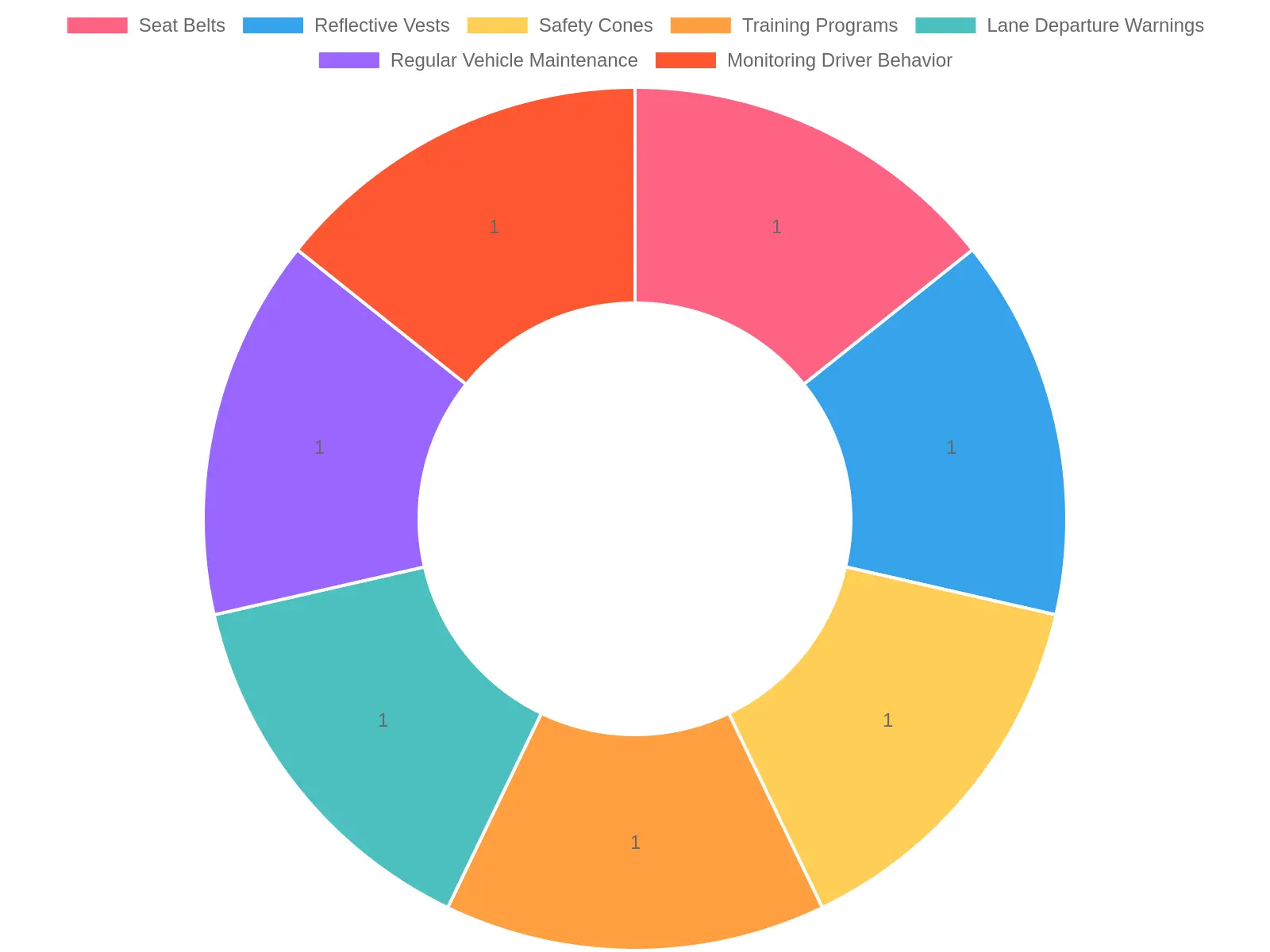
This image visually represents essential safety measures for preventing trucking accidents, including seat belts, reflective vests, safety cones, and more. By adhering to these practices, trucking companies can enhance safety and reduce crash risks.
Key Safety Measures:
- Seat Belts: Critical for protecting drivers and passengers during collisions.
- Reflective Vests: Improve visibility of drivers, especially in low-light conditions.
- Safety Cones: Used to alert traffic of possible hazards on the road.
- Training Programs: Regular training sessions ensure drivers are well-prepared and aware of safety protocols.
- Lane Departure Warnings: Technology to assist drivers in maintaining lane discipline.
- Regular Vehicle Maintenance: Ensures trucks are in optimal condition and reduces mechanical failure risks.
- Monitoring Driver Behavior: Systems to track driving patterns can help prevent accidents stemming from fatigue or negligence.
Conclusion
In summary, the importance of addressing the challenges associated with truck driver fault in crashes cannot be overstated. The statistics indicate that truck driver errors contribute notably to the incidence of road accidents, raising serious concerns for trucking company owners and fleet managers alike. Addressing the root causes of these faults is essential for enhancing road safety and ensuring the long-term profitability of transportation businesses. Key factors such as driver training, vehicle maintenance, and adherence to federal regulations play crucial roles in mitigating risks associated with commercial trucking operations.
It is imperative for fleet managers and procurement teams in the construction and mining sectors to implement preventive measures to safeguard not only their drivers but also the public. Initiatives such as wellness programs and ongoing driver education can facilitate a culture of safety that directly correlates with reduced crash rates. For instance, prioritizing truck driver wellness, as highlighted by Engineering News, has been proven to enhance operational efficiency and reduce liability costs.
Moreover, increased awareness among drivers regarding adverse conditions, as pointed out by DriveWLI, can significantly minimize accidents related to unexpected challenges. Overall, investing in safety measures today equates to safer roads, lower insurance premiums, and a reputable business standing in the competitive trucking industry.