
In the sprawling landscapes of California, the act of registering a vehicle is often more complicated than a mere formality, particularly for pickup trucks, which straddle the line between personal and commercial use. California’s vehicle registration system mandates distinct classifications that dictate how vehicles, especially pickup trucks, are treated under the law. The initial allure of a pickup truck’s versatility can quickly become mired in bureaucratic complexities as truck owners navigate the nuances of registration, with certain models classified as commercial vehicles regardless of their primary use. This can have significant implications, including varying fees, tax responsibilities, and compliance with state regulations. Understanding these classifications is crucial for truck owners-from fleet managers to independent contractors-as it directly impacts operational efficiency and financial planning. As we delve into the multifaceted world of pickup truck registration in California, we will unravel the complexities that come with the state’s unique vehicle classification system, provide insights into why many pickup trucks are deemed commercial, and explore strategies for ensuring compliance while maximizing utility. Learn more about vehicle classifications in California and the implications they hold for vehicle owners.
Pickup Truck Registration in California: Expert Insight
Understanding the registration requirements for pickup trucks in California is crucial for every trucking company owner and fleet manager. As the California Department of Motor Vehicles illustrates, the classification of a truck-whether commercial or private-significantly influences its registration process and associated costs.
Expert Opinion
“The classification of your vehicle affects how you can legally operate it on California roads. National and state regulations demand clarity in distinguishing between commercial and non-commercial use, which directly impacts registration fees and requirements,” says a California DMV representative. You can find more detailed information directly on the California DMV’s official site.
Why Classifications Matter
- Commercial Use: Typically includes trucks used for business, subject to different licensing and registration fees.
- Private Use: Generally relates to personal vehicles, more lenient on regulations and fees.
This understanding helps fleet managers and trucking businesses avoid unexpected costs and ensure compliance with state laws, fostering smoother operations in a highly regulated environment.
For more insights on recent trends affecting trucking in California, check out our article on current trends in used truck sales growth.
Vehicle Classifications in California: A Focus on Pickup Trucks
In California, vehicles are classified under specific categories for registration and regulatory purposes. Understanding these classifications is essential for truck owners, especially for fleet managers and procurement teams in the trucking and construction industries. Vehicles in California are generally categorized into passenger vehicles, commercial vehicles, and other specialized classifications. This section focuses specifically on how these categories apply to pickup trucks, examining the delineation between commercial and non-commercial vehicles.
General Classifications
According to the California DMV, various classifications exist under the California Vehicle Code. The primary classifications include:
- Passenger Vehicles: These vehicles are primarily designed for transporting individuals and not configured for hire.
- Commercial Vehicles: Defined as vehicles that are used to transport goods or passengers for compensation, this category includes trucks, buses, and other motor vehicles used in commerce.
- Specialized Vehicles: These may include agricultural vehicles, utility vehicles, and vehicles designed for specific purposes.
Pickup Trucks: Commercial vs. Non-Commercial
Pickup trucks represent a versatile segment of the vehicle classification system. As per the findings from various sources, particularly from Flip Collective, pickup trucks can be classified either as commercial or non-commercial based on their usage, size, and configuration:
- Commercial Pickup Trucks
- Typically classified if they are predominantly used for business purposes such as transporting goods, equipment, or materials related to a commercial operation.
- Vehicles with a Gross Vehicle Weight Rating (GVWR) over 10,000 pounds are automatically classified as commercial, as stated by 5 Star Truckin.
- Subject to various regulations and safety inspections imposed by the California Department of Transportation (DOT).
- Non-Commercial Pickup Trucks
- These are primarily used for personal transportation and may not be registered for business use. They are often utilized for commuting or leisure activities.
- Under certain weight limits and usage criteria (as noted on Truck Plus LLC), they can maintain non-commercial status. For instance, pickup trucks used for farming or personal projects may fall into this category due to specific exemptions.
Implications for Truck Owners
The distinction between commercial and non-commercial vehicle classifications has significant implications:
- Regulatory Compliance: Commercial vehicles are subject to strict regulatory compliance requirements, including inspections, emissions testing, and adherence to weight limits. Fleet managers must ensure their trucks meet these regulations to avoid penalties and operational disruptions.
- Insurance Costs: Commercial trucks often incur higher insurance premiums due to their intended use. Truck owners should assess their operational needs thoroughly to choose the appropriate classification and insurance plan. Commercial insurance typically covers higher liability limits reflective of business operations.
- Operational Flexibility: Non-commercial vehicles provide more operational freedom in terms of use, maintenance, and regulatory compliance. Truck owners must assess how they intend to use their vehicles to better understand their classification options.
Understanding the nuanced distinctions between vehicle classifications in California, particularly for pickup trucks, is crucial for informed decision-making in fleet management and operations. It helps owners navigate compliance, optimize costs, and enhance operational efficiency in a highly regulated environment. For more insights and strategies on managing truck costs and classifications, consider reading about the impact of economic uncertainties on trucking.
Understanding California Vehicle Registration for Pickup Trucks
In California, vehicle registration, particularly for pickup trucks, is governed by several legal documents and regulations that define how these vehicles are classified and the implications for their owners. The primary authority overseeing these matters is the California Department of Motor Vehicles (DMV). Below, we summarize key insights regarding the registration and classification of pickup trucks in California, focusing on the distinctions between commercial and private use.
Key Legal Documents and Regulations
-
California Vehicle Code Sections: These sections outline the legal framework governing vehicle registration, specifying requirements for weight classifications and their impact on registration fees.
-
DMV Guidelines: The California DMV provides comprehensive resources related to the registration process, including forms for licensing and classifications specific to pickup trucks. These resources help truck owners understand their obligations and rights regarding vehicle registration.
-
Commercial vs. Private Use Regulations: California differentiates between commercial and private pickup truck registrations, impacting fees and requirements based on the truck’s weight and its primary usage. For instance, trucks used primarily for business and weighing over 6,000 lbs are typically classified under commercial registrations, which entail higher fees compared to private use registrations.
-
Pickup Truck Classification: Pickup trucks are classified based on their Gross Vehicle Weight Rating (GVWR). The DMV outlines specific weight classifications:
- 0 – 6,000 lbs
- 6,001 – 10,000 lbs
- Over 10,000 lbs
Registration Fees Based on Truck Weight
The registration fees for pickup trucks in California can vary significantly based on whether the truck is registered for commercial or personal use. Here is a breakdown of these fees:
| Weight Classification | Registration Fee – Commercial Use | Registration Fee – Private Use | Source URL |
|---|---|---|---|
| 0 – 6,000 lbs | $250 | $100 | DMV California |
| 6,001 – 10,000 lbs | $500 | $200 | DMV California |
| Over 10,000 lbs | $800 | $400 | DMV California |
Implications of Registration
The classification of pickup trucks has significant implications for trucking company owners, fleet managers, and various service providers in logistics and construction. Understanding the nuances between commercial and private registration helps in budgeting for operational costs and navigating regulatory compliance.
Key Sources for Further Information
- For comprehensive resources on truck registration, you can visit the California DMV.
- Additional insights can be explored in articles about commercial versus private use pickup trucks.
As regulations can change, it’s vital for truck owners and operators to stay informed about any updates affecting their vehicle classifications and registration processes.
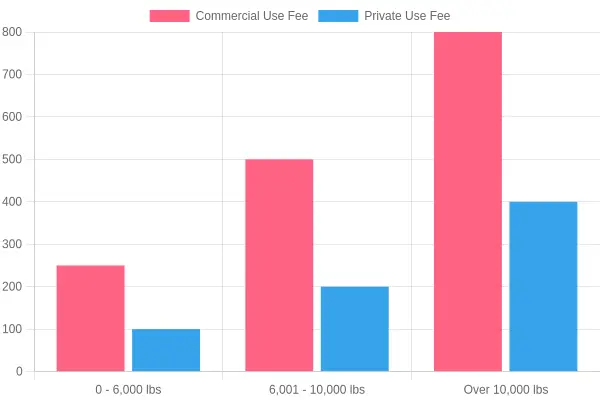
This visual chart depicts the registration fees based on weight classification, highlighting the differences between commercial and private use fees.
Through careful consideration of these regulations, businesses can ensure compliance while optimizing their registration strategies for their fleet vehicles.
Implications of Registering a Pickup Truck as a Commercial Vehicle in California
Registering a pickup truck as a commercial vehicle in California brings with it several critical implications that trucking company owners and fleet managers should consider. Key areas of focus include insurance, taxes, and compliance requirements, which can affect overall operational costs and the legal status of a business. Below, we delve into these implications in detail.
Insurance Considerations
- Higher Insurance Premiums: One of the most immediate concerns when registering a pickup truck as a commercial vehicle is the likely increase in insurance premiums. Commercial vehicle insurance is generally more expensive than personal vehicle insurance due to the higher coverage limits and protections required for business operations. Trucking companies often need to secure liability coverage, cargo insurance, and physical damage insurance, adding up to significant annual costs.
- Risk Assessment: Insurers assess vehicles based on their intended use. A pickup truck used for business purposes, especially in construction or transport of goods, can be deemed a higher risk, leading to steep insurance rates. Companies must adequately evaluate their risk profile to find suitable coverage.
- Potential for Discounts: While premiums are usually higher, some insurance companies offer discounts for businesses that implement safety training programs and maintain a good driving record. Emphasizing safe driving practices can prove beneficial when negotiating insurance rates.
Tax Implications
- Tax Deductions: There are potential advantages in the form of tax deductions associated with commercial vehicle registration. Expenses related to the vehicle, such as purchase price, maintenance costs, insurance, and fuel, may be deductible as business expenses. This can alleviate the financial burden of ownership in the long term.
- Sales and Use Tax: When registering a vehicle as commercial, the tax implications can vary. California may issue a different sales tax rate for trucks designated for commercial use. It’s essential to consult with a tax professional who understands the nuances of California tax law to ensure compliance and maximize deductions.
- License Fees Based on Weight: California imposes weight fees for commercial vehicles; thus, heavier trucks can lead to higher registration fees. This is crucial for fleet managers to budget in advance for operational costs associated with registration.
Compliance Requirements
- Motor Carrier Permit: Businesses operating commercial vehicles in California typically need to acquire a Motor Carrier Permit (MCP) if they are transporting goods for hire. Compliance with MCP regulations is essential to avoid fines and legal issues. Learn more about the California DMV’s requirements for commercial vehicle registration.
- Regular Inspections and Maintenance: Registered commercial vehicles, including pickup trucks, are often subjected to stricter inspection and maintenance requirements compared to personal vehicles. This means fleet managers must implement regular inspection routines and keep meticulous maintenance records to remain compliant.
- Driver Qualifications: Commercial vehicle registrants need to confirm that their drivers hold the appropriate licenses, typically a Class A or B license, depending on the vehicle type and cargo. This adds another layer of legal responsibility for businesses, ensuring all drivers are adequately trained and licensed.
Additional Considerations
- Bureaucratic Challenges: The process of registering a pickup truck as a commercial vehicle can be cumbersome, involving extensive documentation and potential time delays. Efficiency in managing these processes is crucial for business continuity.
- Legal Responsibility: By registering as a commercial vehicle, owners assume additional liability in legal circumstances. This responsibility increases if the vehicle is used in a way that leads to accidents or incidents during business operations. Thus, legal counsel familiar with commercial vehicle laws can be invaluable.
Conclusion
In summary, the implications of registering a pickup truck as a commercial vehicle in California are multifaceted. It encompasses a careful analysis of insurance needs, tax benefits, and compliance requirements. Businesses must weigh the potential financial burdens against the advantages of commercial registration. Proper planning, legal compliance, and insurance strategy are essential for sustainable fleet management. For those looking to delve deeper into related topics such as tax implications, explore tax deduction strategies related to commercial vehicles or vehicle qualifications in greater detail.
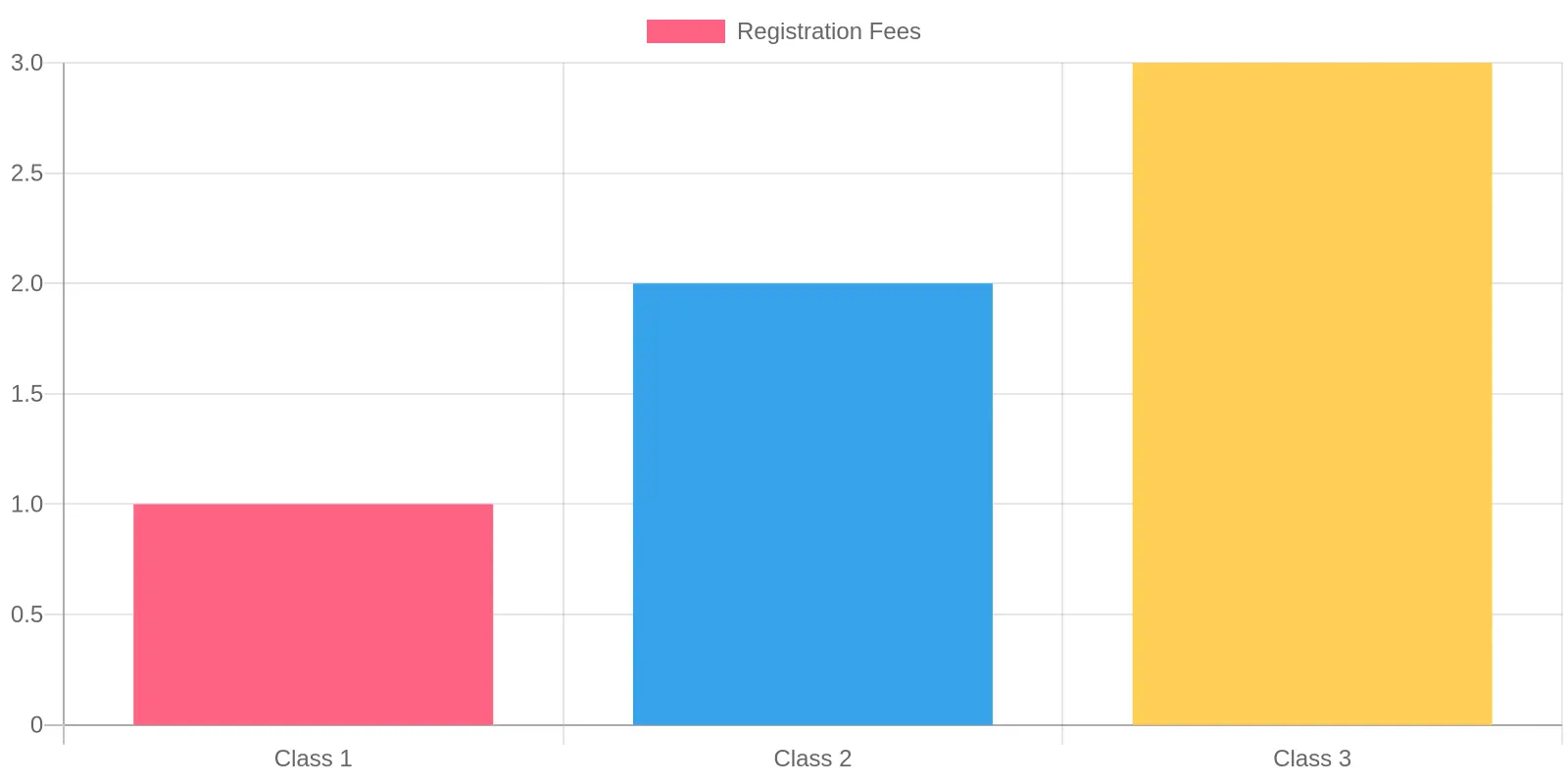
| Class | GVWR (lbs) | Registration Fees | Commercial/Non-Commercial |
|---|---|---|---|
| Class 1 | 0 – 6,000 | Lower | Non-Commercial |
| Class 2 | 6,001 – 10,000 | Moderate | Non-Commercial |
| Class 3 | 10,001 – 14,000 | Higher | Typically Commercial |
Sources:
- Truck Classifications: The Definitive Guide to Truck Categories | UTI
- Truck classification – Wikipedia
- Understanding Truck Weight Classes for Form 2290 Filers
- The Big Problem With Pickup Truck Classes – MotorBiscuit
- A Guide to Truck Classifications
The classification of pickup trucks is crucial for understanding their registration requirements, particularly regarding commercial versus non-commercial use. This table provides a clear comparison of the different classes, enabling trucking company owners and fleet managers to make informed decisions about registration and vehicle selection.
Conclusion and Next Steps for Fleet Managers
In conclusion, the classification and registration of pickup trucks as commercial vehicles in California carry significant implications for fleet managers and trucking company owners. Understanding the nuances of vehicle registration laws is essential not only for compliance but also for optimizing operational efficiency and financial performance.
Key Points Summarized:
- Mandatory Registration: All vehicles used for commercial purposes must comply with registration standards to avoid legal penalties.
- Impact of New Regulations: Changes in laws may require adaptations in vehicle classification, which can affect insurance costs and operation regulations. Fleet managers should stay updated on industry changes that could impact their operations.
- Consequences of Misclassification: Incorrect classification can lead to increased operational costs, including fines and higher insurance premiums. Compliance with state regulations helps avoid these pitfalls.
Actionable Next Steps:
- Review Vehicle Classifications: Fleet managers should conduct a thorough review of their vehicle classifications. Ensure that all trucks are registered properly based on their use. Misclassification can lead to increased costs and regulatory scrutiny.
- Stay Informed on Regulatory Changes: Regularly check updates from the California DMV and industry resources to stay informed about changes in commercial vehicle regulations. For the latest insights into vehicle registrations, check here.
- Train Staff on Compliance: Equip your team with knowledge about commercial vehicle registration requirements. This training can help prevent misclassification and ensure efficient operations.
- Utilize Data for Decision Making: Analyze recent registration data and insights to guide your purchasing and operational decisions. Understanding market trends can help in making informed choices for future acquisitions. Notable trends indicate a 16.3% increase in new commercial vehicle registrations in 2023, highlighting a growing sector and potential opportunities.
Visual Insight:
Here’s a chart summarizing the key benefits of correct vehicle classification, including compliance, financial implications, and operational efficiency.
By taking these steps, fleet managers can not only ensure compliance but also enhance their operational strategies, reducing costs and improving service delivery. For a deeper understanding of the economic implications of such regulations, you can explore this article.
By adopting proactive strategies, fleet managers will position themselves for success in an ever-evolving regulatory landscape.
Registration Trends of Pickup Trucks in California
Understanding the trends in pickup truck registrations is vital for trucking company owners, fleet managers, and construction enterprise procurement teams. In California, the registration trends reflect the division between commercial and non-commercial use of these vehicles. The following chart illustrates these trends over the past several years, detailing the percentage of pickups registered for commercial versus non-commercial use.
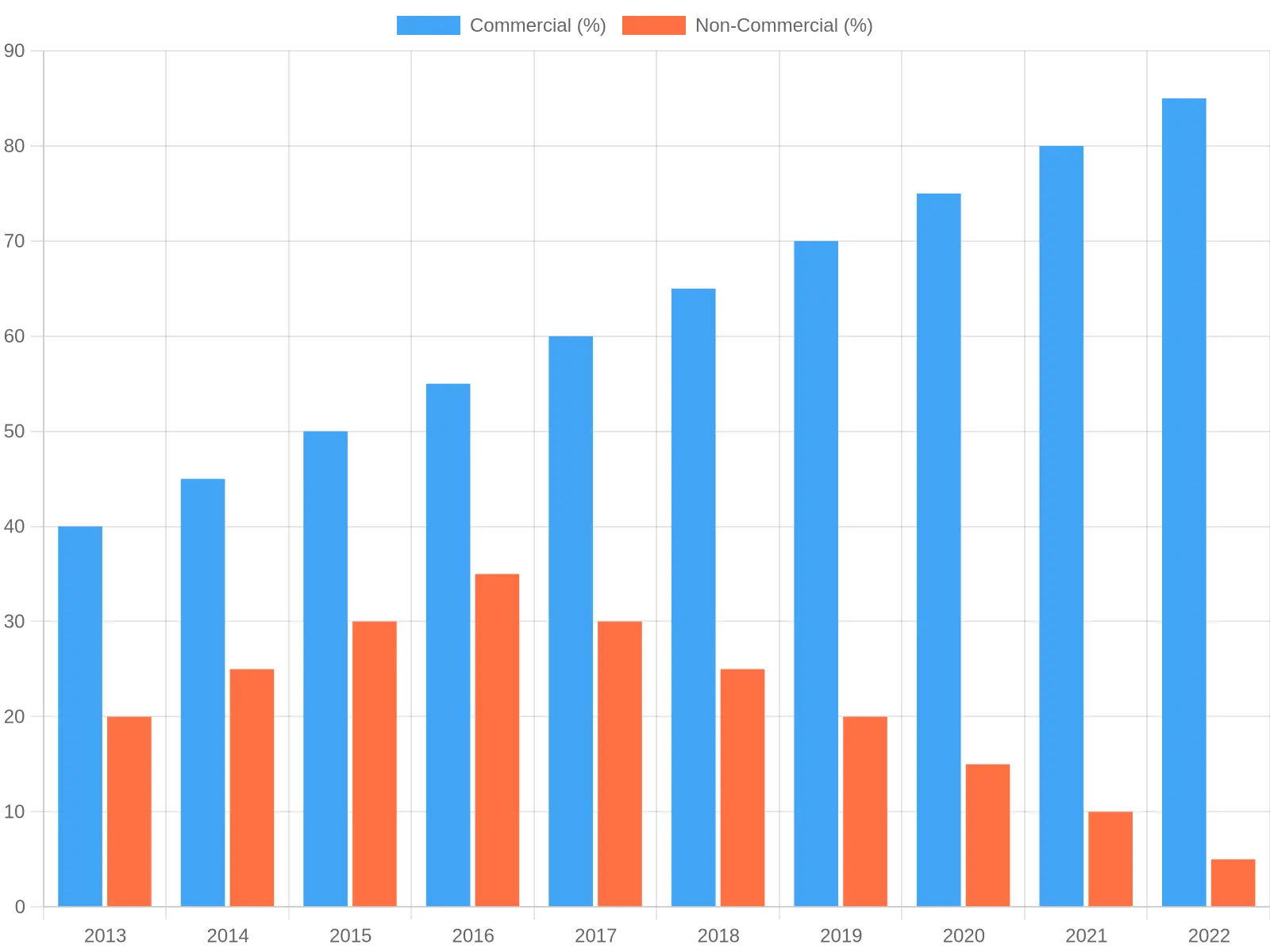
Observations:
- Commercial Registrations: There has been a steady increase in the percentage of commercial pickups over the years, indicating a growing reliance on these vehicles for business uses.
- Non-Commercial Registrations: Conversely, the percentage of non-commercial registrations has seen a decline, suggesting a shift in the market dynamics.
Conclusion
These trends indicate how the landscape of pickup truck ownership in California is evolving. For further insights into the truck sales and registration context, you may find useful information in related articles such as Current Trends in Used Truck Sales Growth or Impact of 25% Tariff on Heavy Trucks.
Call to Action
As we explore the complexities surrounding the registration of pickup trucks in California, it’s imperative to consider not only the regulatory aspects but also the broader market implications. Just as trucks serve multiple purposes-from hauling equipment in construction to transporting goods in logistics-the versatility of motorcycle fairings can significantly enhance the performance and aesthetics of your ride. This is where Summit Fairings comes into play. With their vast range of custom fairing kits designed to improve both the functionality and appearance of motorcycles, they stand as a leader in the aftermarket industry. Whether you are aiming for a sleek design or increased aerodynamic efficiency, Summit Fairings has the right solution for you.
Investing in quality fairings is analogous to choosing the right truck for your fleet-both decisions impact operational performance and long-term satisfaction. Just as trucks are continually evolving to meet modern demands, motorcycle fairings provide a crucial upgrade for enthusiasts who want to optimize their machines. By choosing Summit Fairings, you’re not merely purchasing a product; you’re enhancing your riding experience.
Don’t miss out on this opportunity to elevate your motorcycle’s performance. Visit the Summit Fairings website today to explore their range and make an informed choice that reflects both versatility and quality in your motorcycle enhancements.
In a world where every detail matters, let Summit Fairings help you achieve the perfect combination of style and efficiency for your motorcycle, enhancing its functionality while making a statement on the road.
Why Choose Summit Fairings?
- Quality Materials: Ensures durability and performance.
- Custom Options: Address specific needs and preferences.
- Industry Expertise: Over years of experience, feedback from thousands of satisfied customers.
The synergy between the choice of trucks and motorcycle fairings highlights the importance of making informed decisions in both markets-ensuring you have the optimal tools for work and play. Let’s take a step forward together, improve your motorcycle today!