
Understanding Hostler Trucks as Commercial Vehicles
In the complex world of trucking and logistics, vehicle classifications are critical. They can determine everything from operational costs to regulatory compliance. One question that often arises is whether a hostler truck qualifies as a commercial vehicle. This distinction is not merely academic; it has significant implications for fleet managers, trucking company owners, and procurement teams in construction and mining sectors. Adhering to the correct classifications can influence insurance rates, licensing requirements, and even the scope of permissible operations. As the trucking industry evolves, particularly regarding economic pressures and shifts in regulations, understanding these nuances becomes essential. Whether you’re navigating the complexities of current trends in used truck sales growth or assessing fleet expansion strategies, knowing if your vehicles, such as hostler trucks, are considered commercial can shape your operational strategy and financial outcomes.
Engaging with this question is vital, as entrepreneurs and logistics firms seek to optimize their fleets while mitigating costs and maximizing efficiency.
Understanding Hostler Trucks: Definition and Primary Functions
Hostler trucks, also known as yard trucks or yard tractors, are specialized vehicles designed primarily for moving trailers within a confined area, such as loading docks, warehouses, rail yards, and distribution centers. These trucks are essential for optimizing logistics operations, ensuring that trailers are positioned correctly for efficient loading and unloading processes. Unlike traditional long-haul trucks, hostler trucks are built for short distances and maneuvers within yards, making them vital for maintaining the flow of operations in logistics.
Primary Functions of Hostler Trucks
-
Moving Trailers: The primary function of a hostler truck is to relocate trailers within a yard or terminal, facilitating quick loading and unloading of goods. This promotes a smooth transition of trailers between loading and storage areas, contributing to operational efficiency.
-
Maintaining Yard Organization: Hostler trucks help in maintaining cleanliness and organization within logistics yards. This is crucial for safety and operational efficiency, as a well-organized yard reduces the risk of accidents and streamlines the overall process of freight handling.
-
Supporting Terminal Operations: By ensuring that the necessary equipment is ready and properly located, hostler trucks directly support terminal operations and contribute to on-time delivery schedules. This role makes them pivotal in minimizing delays and optimizing workflow.
-
Performing Inspections: Operators of hostler trucks often conduct pre- and post-trip inspections to ensure safety and operational readiness. These checks are crucial for maintaining the reliability of yard operations and preventing equipment failures that may disrupt logistics services.
-
Efficiency in High Traffic Areas: Hostler trucks are designed with a more compact profile and a tight turning radius, enabling them to navigate congested yards and tight spaces effectively. Their design allows for high maneuverability, which is not typical in larger trucks.
Differentiating Hostler Trucks from Other Vehicles
Compared to other types of trucks, such as long-haul and delivery trucks, hostler trucks serve very different purposes:
- Operational Environment: Hostler trucks operate in confined spaces (e.g., terminals), while long-haul trucks are designed for highway driving over long distances.
- Payload Capacity: Unlike long-haul trucks, which carry heavy freight loads, hostler trucks typically move empty or already loaded trailers, with less emphasis on cargo itself.
- Maneuverability: Hostler trucks excel in terms of maneuverability in tight spaces, whereas long-haul trucks are larger with limited turning capabilities.
By understanding these distinctions, trucking company owners, fleet managers, and logistics professionals can appreciate the unique roles hostler trucks play in enhancing efficiency and safety in logistic operations. For insights into current trends in used truck sales, visit current trends in used truck sales growth. For more information about the impact of changing tariffs on the trucking industry, see the impact of 25% tariff on heavy trucks.
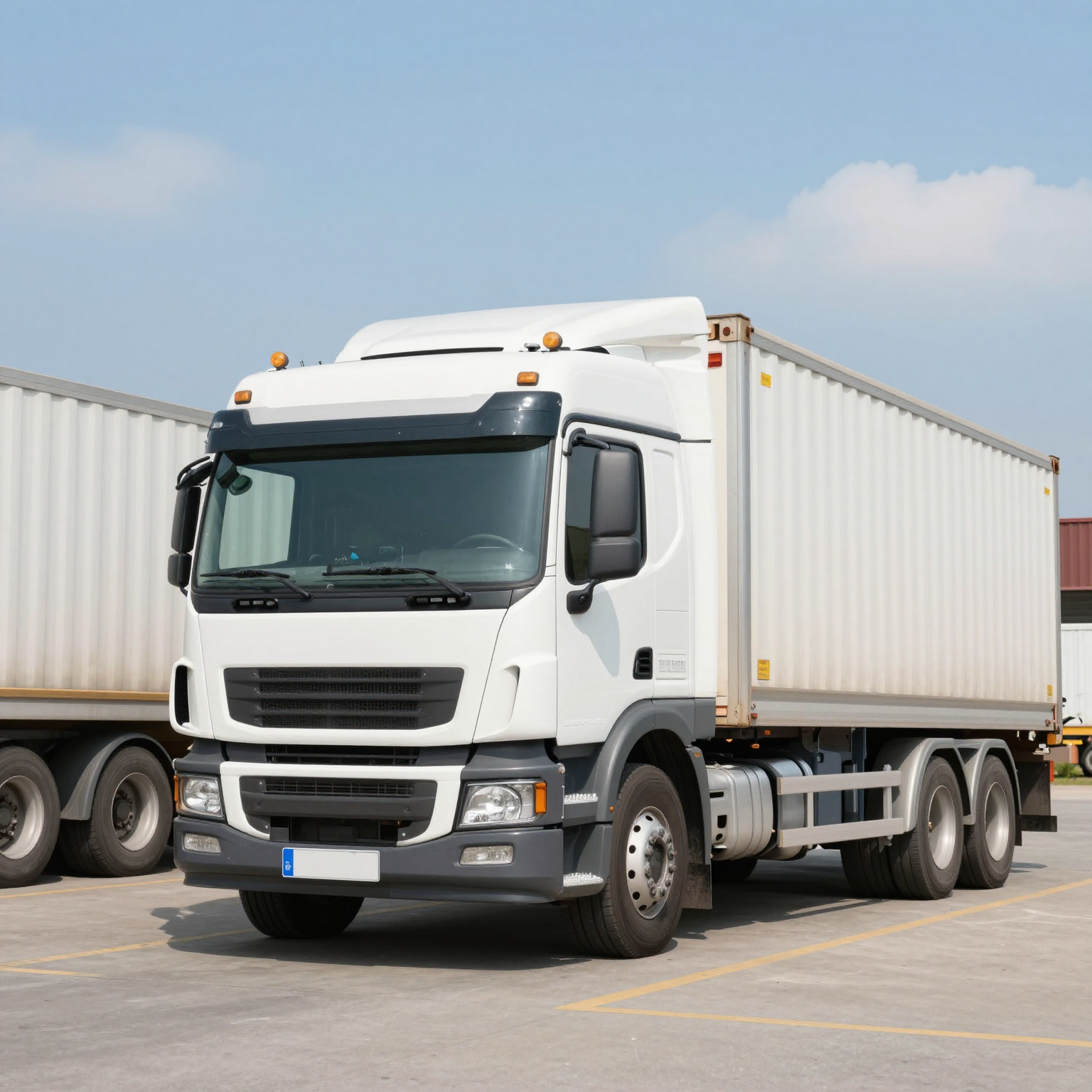
Image of a hostler truck maneuvering in a logistics yard, showcasing its design and operational efficiency.
Hostler Truck Efficiency Chart
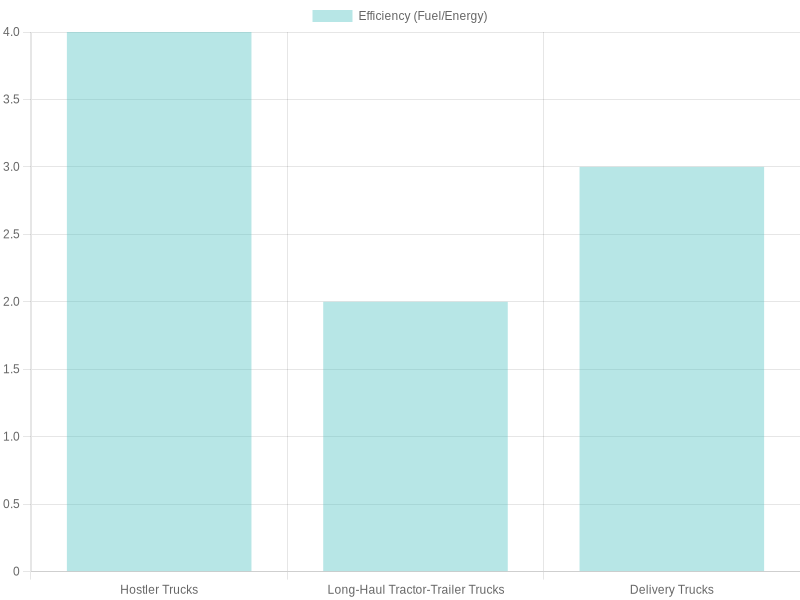
Comparison of efficiency aspects between hostler trucks, long-haul trucks, and delivery trucks.
| Vehicle Type | Weight Limits (GVWR) | Intended Use | Regulatory Requirements |
|---|---|---|---|
| Hostler Trucks | 10,000 – 20,000 lbs | Short-haul operations (e.g., yard or terminal movement), often used in ports, rail yards, or distribution centers | Lower regulatory burden; typically exempt from certain federal motor carrier safety regulations (FMCSA); may be subject to state/local rules and employer-specific safety protocols |
| Light-Duty Trucks | Up to 10,000 lbs | Local deliveries, urban freight, service vehicles, small-scale logistics | Subject to standard FMCSA regulations for non-commercial and light-duty commercial use; requires basic safety inspections, registration, and driver licensing (Class B or C CDL depending on configuration) |
| Medium-Duty Trucks | 10,001 – 26,000 lbs | Regional deliveries, utility services, school buses, refuse collection | Must comply with FMCSA regulations including vehicle inspection (CVSA standards), logbook requirements if operating under interstate commerce, and may require a Class B CDL depending on cargo type and GVWR |
| Heavy-Duty Trucks | Over 26,000 lbs | Long-haul freight transport, intercity logistics, construction hauling, specialized cargo | Subject to full FMCSA compliance: mandatory electronic logging devices (ELD), comprehensive driver qualification files (DQF), regular vehicle inspections (I/M programs), hours-of-service (HOS) rules, and a Class A CDL |
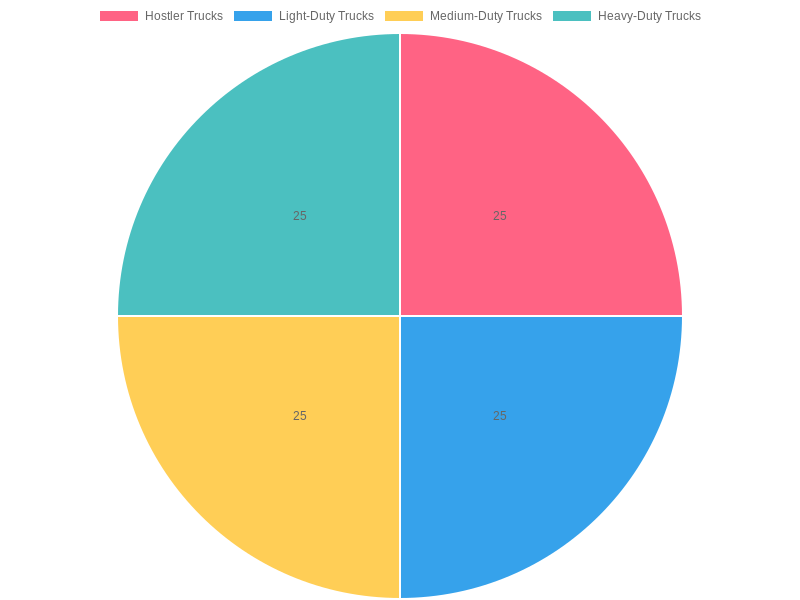
Source: Federal Motor Carrier Safety Administration (FMCSA), National Highway Traffic Safety Administration (NHTSA).
Learn more about commercial vehicle classifications.
Updated April 2026
Legal Definitions of Commercial Vehicles
Understanding whether a hostler truck is classified as a commercial vehicle requires examining the legal definitions across different jurisdictions. Hostler trucks, typically used for moving trailers and containers within freight terminals, have distinct classifications based on their operating context and regulatory definitions in the following regions:
United States
In the United States, the Federal Motor Carrier Safety Administration (FMCSA) defines a commercial vehicle as any self-propelled or towed vehicle utilized in commerce that meets certain criteria. These include:
- A gross vehicle weight rating (GVWR) of 10,001 pounds or more.
- Designed to transport 16 or more passengers, including the driver.
- Used for transporting hazardous materials requiring placarding.
Hostler trucks are generally categorized as commercial vehicles when operated for business purposes and may be subject to federal safety regulations (learn more).
European Union
Under EU regulations, a commercial vehicle is defined as any motor vehicle with a maximum authorized mass (MAM) exceeding 3,500 kg used for transporting goods or passengers for hire or reward. Hostler trucks fall into this category if they exceed this weight and are utilized commercially (source).
Australia
In Australia, a commercial vehicle is determined by its use and gross vehicle mass (GVM), with the threshold set at 4.5 tonnes. Hostler trucks within freight terminals are also included in this classification, pivotal for compliance with safety and licensing regulations (source).
Canada
Canada’s definition stipulates that a commercial vehicle is any vehicle used commercially with a gross vehicle weight rating of 4,500 kg or more or designed to carry more than ten passengers. Hostler trucks used for trailer movements within terminals are recognized as commercial vehicles, especially under a business context (source).
In conclusion, hostler trucks are typically classified as commercial vehicles across these jurisdictions when they meet specific weight thresholds and are operated for commercial purposes. Understanding these definitions is crucial for compliance in fleet management and transport operations.
Industry Regulations Regarding Hostler Trucks
Hostler trucks, also known as yard tractors, play a crucial role in logistics and trucking operations, particularly in environments such as warehouses, shipping docks, and freight terminals. The classification of these trucks as commercial vehicles has significant regulatory implications that ensure safe and efficient operations in the freight and logistics industries.
Classification as Commercial Vehicles
Regulations like the International Road Transport Management Regulations outline requirements for commercial vehicles, including hostler trucks. These vehicles must adhere to specific safety standards, operational protocols, and maintenance practices to qualify for commercial use. In particular, a key regulation indicates that any vehicle used for commercial purposes, including yard operations, must comply with safety requirements detailed by governing bodies such as the Federal Motor Carrier Safety Administration (FMCSA) in the U.S.
Key Safety Standards
- Design and Construction: Hostler trucks must meet structural integrity standards that ensure stability and safety when operating under load. This is often governed by industry standards like DIN EN 16307-3, which stipulates safety requirements for industrial vehicles used in dynamic load conditions.
-
Operational Procedures: Operators of hostler trucks should be trained in safe handling procedures and vehicle operation. Compliance with Occupational Safety and Health Administration (OSHA) standards directly impacts worker safety and operational efficiency.
-
Vehicle Maintenance: Regular servicing and inspections are mandated to keep hostler trucks in safe operating condition. This is essential for compliance with commercial vehicle regulations.
Importance of Compliance
For logistics and trucking companies, compliance with these regulations is not merely a legal obligation; it’s integral for operational efficiency and risk management. Non-compliance can lead to severe penalties, including fines and potential loss of operational licenses. Moreover, adherence to these regulations enhances the safety of the workforce and the efficacy of logistics operations.
Conclusion
In conclusion, understanding and adhering to hostler truck regulations is vital for logistics operations. Hosting companies must ensure that their vehicles meet the specified standards of classification as commercial vehicles and comply with necessary safety regulations to mitigate legal risks and ensure the safety of their workforce. Failure to comply can lead to significant operational disruptions and financial liabilities.
Implications of Classifying Hostler Trucks as Commercial Vehicles
Classifying hostler trucks as commercial vehicles has several implications for fleet operations, insurance, and compliance that fleet managers should consider:
-
Regulatory Compliance: Hostler trucks must adhere to FMCSA regulations, including safety standards and vehicle inspections, much like traditional commercial vehicles. This includes mandatory drug and alcohol testing for drivers and compliance with hours-of-service limitations.
-
Insurance Costs: Insurance for hostler trucks will typically fall under commercial auto insurance categories, which often come with higher premiums than non-commercial vehicle insurance. This shift can increase overall operational costs for fleets that use these trucks primarily within their own yards. Learn more about insurance implications.
-
Increased Operational Complexity: Fleet operators may need to implement more rigorous maintenance and operational procedures to comply with regulations, increasing the administrative burden and requiring more detailed logs for fleet management.
-
Training Requirements: Operators will need to enhance training programs for drivers, ensuring they are familiar with the compliance standards applicable to commercial vehicles.
-
Liability Concerns: The classification raises liability issues, as hostler trucks are now included in broader commercial liability policies, affecting risk management strategies within fleets.
These implications highlight the necessity for trucking companies to adapt their operations and compliance strategies to meet the evolving regulatory landscape.
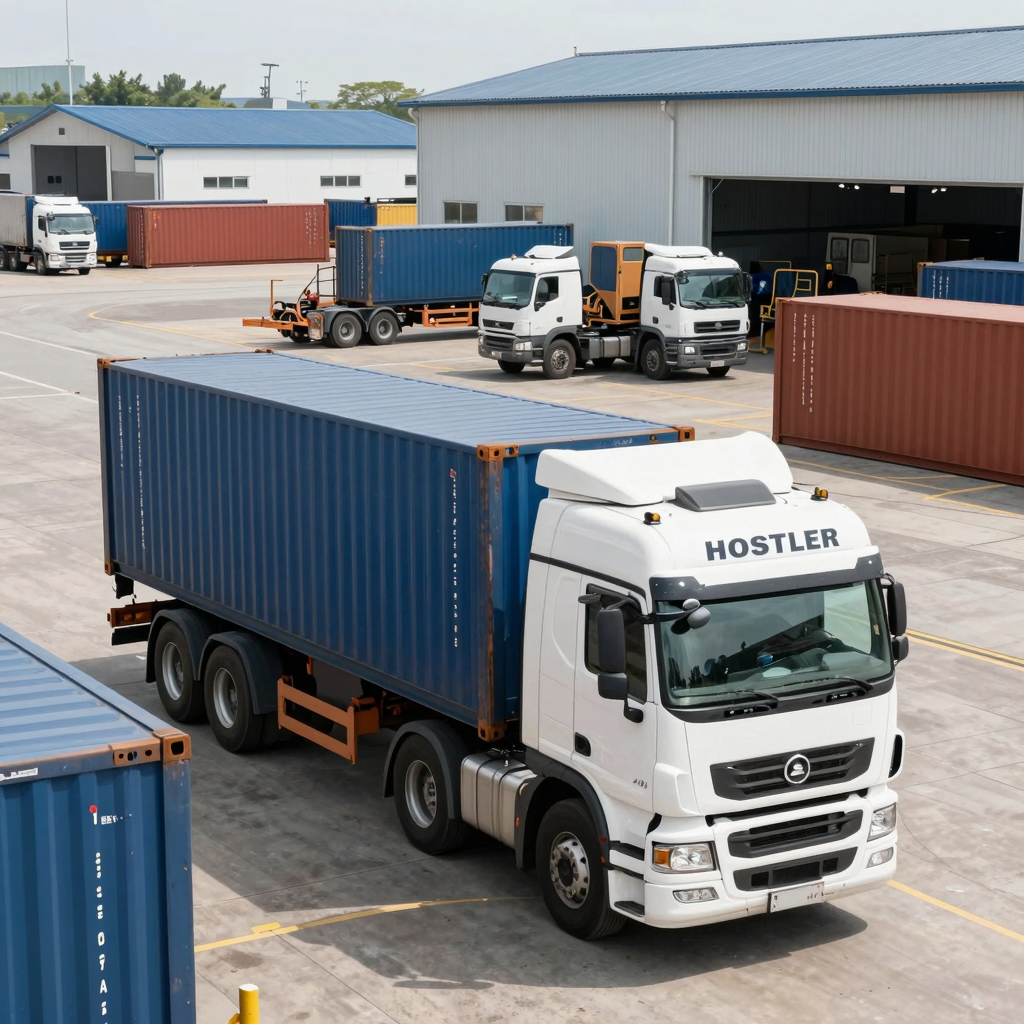
As the logistics and transportation sectors evolve, the role of hostler trucks has become increasingly vital. An insightful perspective comes from industry experts featured in the Amazon Relay Blog:
“Hostling and shuttling opportunities provide carriers with predictable, local revenue streams while significantly reducing deadhead miles and operational costs-making them a strategic advantage in today’s commercial transportation landscape.”
This quote underscores the importance of hostler trucks in maximizing efficiency and profitability in commercial operations.
Conclusion
In conclusion, understanding the classifications of hostler trucks is crucial for optimizing operations in various commercial applications, especially in freight terminals and logistics hubs. Hostler trucks have emerged as vital assets within the transportation industry, enabling companies to improve handling efficiencies and reduce operational costs. Key findings indicate that hostler trucks can significantly reduce container dwell times by up to 30%, promote asset utilization by as much as 25%, and contribute to a marked reduction in operational emissions through electrification initiatives.
Moreover, the importance of accurate classification cannot be overstated, as it impacts safety, compliance with regulations, and the overall efficiency of logistics operations. Misclassification of vehicles can lead to delays, increased costs, and potential safety hazards, a risk that companies cannot afford in today’s competitive market.
Given these findings, we encourage trucking company owners, fleet managers, and procurement teams to reevaluate their current strategies regarding hostler truck classification. By following best practices in classification and vehicle management, businesses can unlock new efficiencies and improve their environmental footprint.
Stay informed and proactive about the evolving landscape of hostler trucks and consider the implications for your operations. Learn more about the latest trends in used truck sales or explore the impact of the 25% tariff on heavy trucks to fully align your fleet management strategies with market realities.
Tracking User Adoption of Regulations Impacting Hostler Trucks
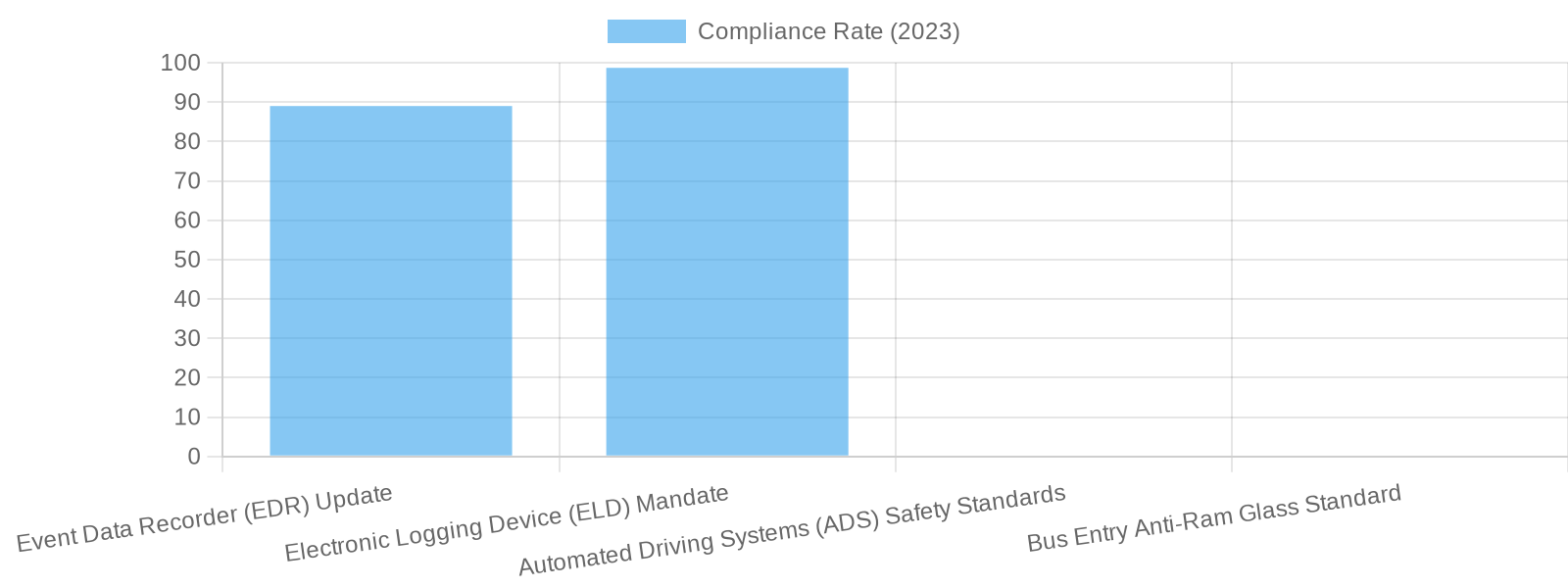
The following table outlines the adoption of key regulations affecting hostler trucks, including implementation dates, compliance rates, and fleet management responses:
| Regulation Type | Implementation Date | Compliance Rate (2023) | Fleet Management Response | Source |
|---|---|---|---|---|
| Event Data Recorder (EDR) Update | 2025-01-17 (Effective) | 89% | Positive – Increased safety data collection and accident investigation capabilities. | FMCSA 2023 Compliance Statistics |
| Electronic Logging Device (ELD) Mandate | 2018-12-18 (Effective) | 98.7% | Positive – Improved compliance with Hours of Service (HOS), reduced paperwork, better driver accountability. | USDOT ELD Compliance Report, 2023 |
| Automated Driving Systems (ADS) Safety Standards | 2026-03-17 (WTO Notification) | Not yet available | Mixed – Concerns over liability and safety oversight; support for innovation from major fleet operators. | ATA 2023 Survey on ADS Integration |
| Bus Entry Anti-Ram Glass Standard | 2026-01-15 (Effective) | Not yet available | Negative – High retrofit costs for older buses; limited availability of compliant glass materials. | USDOT FMVSS Notice, 2026-01-20 |
Implications of Regulation Adoption
This data illustrates that while compliance rates are high, especially among larger fleets, smaller carriers may be facing challenges. Fleet responses have varied based on the nature of the regulation, highlighting the need for tailored strategies in compliance management.
For further insights into the impact of regulatory changes on truck management and strategies, explore our analysis on regulatory compliance.