Many truck owners and fleet managers are often perplexed when their vehicle is classified as a commercial vehicle. This classification is not merely a bureaucratic formality; it holds significant implications for business operations, insurance, and compliance. The purpose of this article is to elucidate the reasons behind the commercial vehicle designation. The following chapters will detail how the primary use for business, specific vehicle types and designs, and regulatory factors contribute to this classification, thereby providing a comprehensive understanding for truck owners in various industries.
From Personal Ride to Work Asset: Decoding Commercial-Vehicle Labels Through Primary Use

People often think a truck is a personal vehicle, but for many business owners its true purpose is as a work asset. This chapter explains how primary business use determines whether a vehicle is treated as commercial for regulatory, insurance, and tax purposes. The key idea is that usage patterns—how often the vehicle travels to job sites, carries tools or inventory, or serves clients—outweigh appearance. By documenting business use, owners can align insurance coverage, depreciation, and deductions with actual work activities. We discuss practical steps to track miles, allocate expenses, and select appropriate classifications, so the vehicle supports the business while meeting legal requirements.
Engineered for Work: How Vehicle Type and Design Decide Why Your Truck Is Listed as a Commercial Vehicle
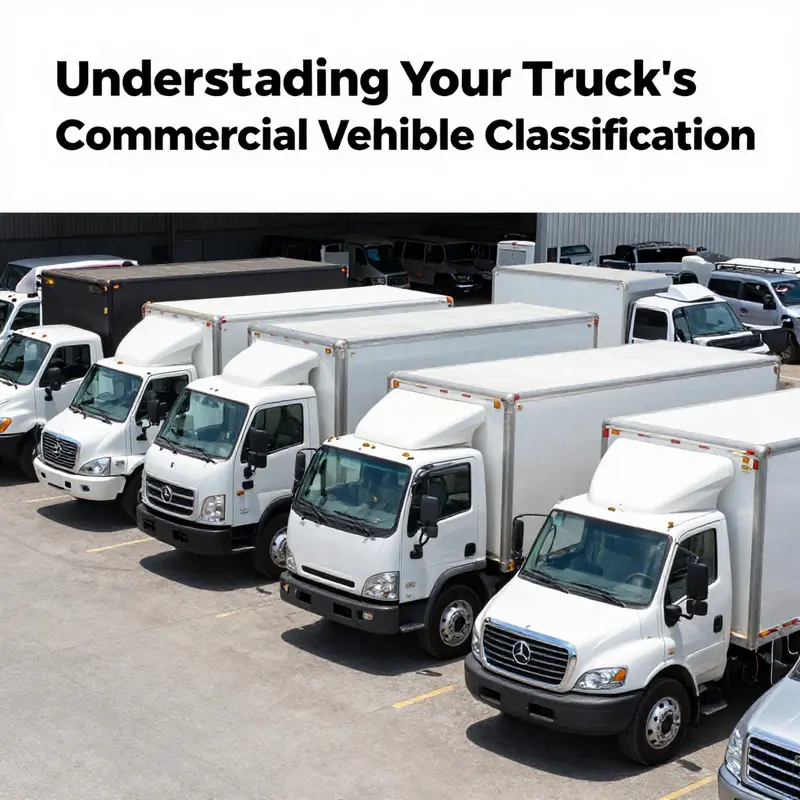
When you lift a hood and look at a truck through the lens of function rather than style, a different portrait emerges. Your vehicle is not labeled as a commercial vehicle because of vanity plates; it is labeled that way because its design is built to perform work, to shoulder payload, and to support a business operation. In practice, the line between personal and commercial use rests on capability and intent, not appearance. The key design signals are the frame, suspension, drivetrain, cargo area, and equipment chosen to support work tasks. A pickup that tows, hauls, or serves job sites can carry a commercial designation even if owners market it as a personal vehicle. The payload capacity, GVWR, and the presence of work gear all contribute to classification. A vehicle built to carry heavy loads requires a stronger frame, tougher suspension, and drivetrain tuned for reliability under load. Modifications such as lift gates, racks, or refrigeration units further reinforce a business purpose. Regulatory definitions look at what the vehicle can do and how it is used, not just how it looks. This distinction matters for insurance, licensing, and safety requirements, which often differ for commercial use. Even privately owned trucks can trigger commercial considerations if their use aligns with business activities. For example, a plumber’s pickup outfitted with tool racks and ladder mounts signals a commercial role through its design and use. In short, vehicle type and design are the primary drivers of commercial-vehicle classification; appearance and ownership are not. To learn more, consult official resources from the federal and state authorities and industry guidance that link engineering choices to regulatory status.
null
null
Final thoughts
The classification of your truck as a commercial vehicle is rooted in several critical factors, including its primary use for business, the specifics of its design and type, and the regulatory frameworks that govern these classifications. Understanding these elements will not only clarify the reasons behind the designation but also support informed decision-making in operations, compliance, and fleet management. A well-informed approach to vehicle classification allows fleet managers and trucking company owners to optimize their resources effectively and aligns their operations with legal requirements.