
Introduction
In the evolving landscape of commercial transportation, the dually truck emerges as a unique and powerful asset. Characterized by its dual rear wheels, this vehicle is engineered to enhance stability, improve towing capacity, and maximize payload potential. The dually truck traditionally finds its niche within construction, agriculture, and tow operations, where heavy loads are commonplace. However, the classification of these trucks as commercial vehicles has sparked critical discussions among fleet managers and procurement teams. Understanding whether a regular dually truck qualifies as a commercial vehicle is essential for effective fleet management and compliance with regulatory standards. Proper vehicle classification influences not only operational efficiency but also impacts insurance costs, tax obligations, and vehicle regulations. As commercial operations continue to adapt to changing market conditions, the urgency of clearly defining vehicle categories becomes increasingly apparent. This article delves into the implications of dually truck classifications and seeks to answer the pivotal question: Is a regular dually truck truly considered a commercial truck? By unraveling this topic, we aim to equip trucking company owners and procurement teams with the insights necessary to navigate the complexities of vehicle classification and make informed decisions that underpin their operations. For a comprehensive understanding of the utilized market and vehicle classifications, you may learn more about current trends in used truck sales and how they impact operational effectiveness in the industry.
Understanding Dually Trucks
Dually trucks, also known as dual rear wheel trucks, are a specialized classification of pickup trucks designed primarily for heavy-duty applications. This configuration features two wheels on each side of the rear axle, as opposed to the standard single rear wheel, which allows for numerous benefits in terms of performance, stability, and towing capabilities. Here’s an in-depth look at the characteristics that make dually trucks stand out:
Key Features of Dually Trucks
-
Dual Rear Wheels:
The most conspicuous feature is the dual rear wheels, which provide greater stability, traction, and load-carrying capacity. This is especially valuable when towing or hauling heavy loads, as it distributes weight more evenly and lowers the risk of tire blowouts. -
Enhanced Towing Capacity:
Dually trucks are engineered to handle significantly heavier loads than their single rear wheel counterparts. For instance, the 2023 Ram 3500 can tow up to 36,610 pounds when properly equipped, making it ideal for hauling large trailers and equipment (source). -
Increased Payload Capacity:
In addition to towing, these trucks can typically carry heavier payloads. The reinforced suspension systems enable drivers to transport substantial weights without compromising performance. -
Robust Design and Construction:
Dually trucks come with fortified components such as stronger rear axles and larger brakes, which are vital for safety and efficiency during heavy-duty operations. The added weight of the vehicle itself aids in maintaining control over larger loads. -
Improved Stability and Control:
The four rear wheels contribute to enhanced handling and stability, which is crucial when navigating difficult terrains or highway conditions while hauling.
Specifications and Performance
-
Engine Options:
Many dually trucks come with robust engine configurations such as turbo-diesel or high-output combustion engines, which are necessary for achieving high towing capacities and efficient performance. -
Gross Combined Weight Rating (GCWR):
This is a critical specification for fleet managers as it indicates the maximum weight the vehicle can safely handle while towing. For instance, the Ford F-350 has comprehensive towing capacity specifications outlined for various configurations (source). -
Tire Specifications:
Due to their dual-wheel configuration, dually trucks require specialized tires designed to handle the extra load and frequent stress associated with heavy-duty tasks.
Conclusion
Dually trucks represent a pivotal choice for industries requiring superior towing and hauling capabilities. Their design parameters not only facilitate heavy lifting but also ensure safety and efficiency during operations. For those in sectors such as construction and logistics, investing in dually trucks can enhance productivity and operational reliability.
| Feature | Dually Trucks | Single Rear Wheel Trucks |
|---|---|---|
| Towing Capacity | Typically between 20,000 – 35,000 lbs | Typically between 7,000 – 12,000 lbs |
| Payload Capacity | Can carry 6,000 – 7,500 lbs or more | Generally 2,000 – 3,500 lbs |
| Stability | Higher stability due to four rear wheels | Less stability, especially under heavy loads |
| Handling | Better handling in challenging conditions | Moderate handling capability |
| Typical Uses | Ideal for commercial use (towing heavy trailers) | Suitable for personal use and light commercial work |
| Traction | Superior traction for off-road and heavy towing | Adequate traction for light loads |
| Cost | Generally more expensive due to complexity | More economical for regular use |
Conclusion: Dually trucks are advantageous for trucking companies and fleet managers in heavy-duty applications due to their higher towing capacities, payload capabilities, and enhanced stability. Learn more about current trends in used truck sales which can further inform purchasing decisions.
Regulations Surrounding Commercial Vehicles
Commercial vehicles are defined by their primary use for business activities, which can include the transportation of goods or passengers for profit. According to regulatory standards, these vehicles typically weigh over 10,000 pounds and encompass a range of types, from vans to trucks. Dually trucks, characterized by having dual rear wheels on each side, often fall within this classification due to their enhanced towing capacity and payload capabilities, making them suitable for a variety of commercial applications, especially in the construction and logistics industries.
Legal Definition and Classification
To be considered a commercial vehicle, certain legal definitions must be met, which can vary by jurisdiction. For example, dually trucks must adhere to specific criteria such as:
- Weight Limits: Most regulations consider vehicles over 10,000 pounds as commercial.
- Usage: If the truck is primarily used to transport goods related to a business, it qualifies as commercial.
- Licensing and Registration: Typically, different licenses and registrations may be required for commercial vehicles compared to personal vehicles.
The classification of commercial vehicles is crucial for both operational and regulatory compliance. Various regulations govern the operation of these vehicles, focusing on aspects such as safety, emissions, and road use restrictions, especially in urban environments.
Relevant Regulations
In the logistics and construction sectors, regulations surrounding fleet ownership, procurement, and operations are paramount. Key considerations include:
- Fleet Ownership: Companies must ensure vehicles comply with safety and emissions regulations, which may require regular inspections and maintenance to meet the standards set forth by local and federal regulations.
- Procurement: When acquiring vehicles, businesses must navigate regulations that dictate the impact of tariffs (like the current U.S. tariffs on truck imports) and standards for new and used trucks. Costs can fluctuate based on these tariffs, which can affect fleet expansion strategies significantly.
- Operational Compliance: Fleet managers are responsible for ensuring that their dually trucks and other commercial vehicles meet all operational regulations, such as:
- Weight limits to avoid penalties and ensure safety on the roads.
- Proper licensing, including specific commercial driver’s licenses depending on the vehicle type and load.
- Adherence to local regulations regarding emissions, especially as discussions continue on reducing carbon footprints.
Effective management of these factors is critical for successful operations in the highly regulated logistics and construction industries. Commercial vehicle owners must stay informed about changes in regulations to mitigate risks and maintain smooth operations within their fleets.
In summary, understanding the legal definitions and regulatory landscape surrounding commercial vehicles, particularly dually trucks, is crucial for fleet operators and procurement teams to ensure compliance and optimize their operations. As regulations continually evolve, remaining adaptable will be key to navigating the complexities of the logistics and construction sectors.
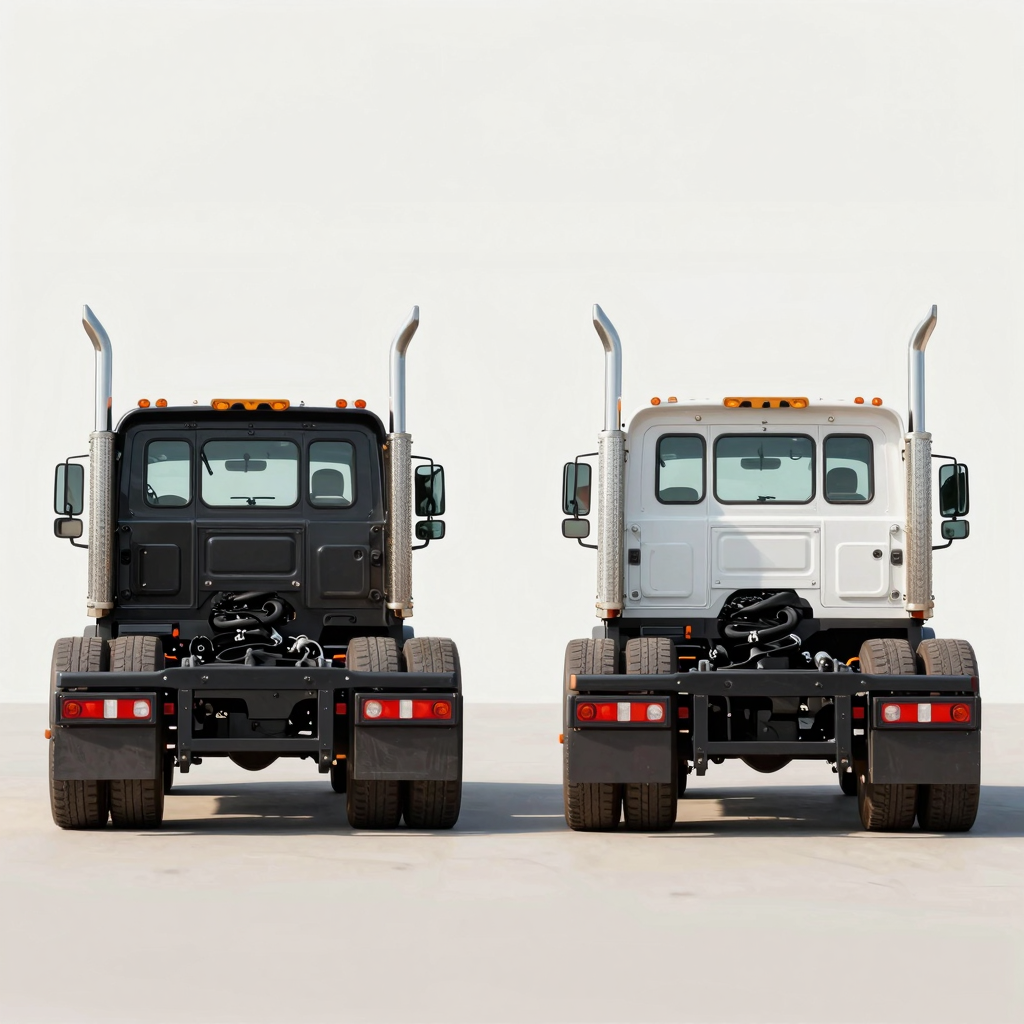
Benefits of Using Dually Trucks in Commercial Settings
Dually trucks, equipped with dual rear wheels, offer numerous advantages for businesses in construction, logistics, and freight brokerage. These benefits make them an ideal choice for heavy-duty applications where performance, safety, and capacity are critical. Here are some of the key benefits:
-
Enhanced Load Capacity
Dually trucks are renowned for their increased load-bearing capabilities. The dual rear wheels allow for higher payload ratings, making them perfect for transporting heavy equipment and materials commonly found in construction and freight logistics. -
Improved Stability
The additional set of wheels enhances stability, especially when carrying heavy loads or towing trailers. This stability translates to safer driving, particularly on uneven terrain or in adverse weather conditions, which is essential for ensuring safety on construction sites and during transport. -
Better Weight Distribution
Dually trucks offer better weight distribution due to their wider stance, which reduces the risk of tipping when cornering or making abrupt turns. This feature is crucial for operations requiring precision and reliability, such as in freight brokerage. -
Superior Towing Capabilities
With a higher towing capacity, dually trucks are equipped to handle substantial trailers and heavy equipment, allowing businesses to transport more with fewer trips. This capability not only saves time but also increases efficiency in operations. -
Enhanced Safety Features
The design of dually trucks adds to their safety, making them less prone to blowouts and offering better control. Their added mass and width make them more stable in high-wind conditions, providing an extra layer of security when maneuvering through challenging environments.
For more information on the benefits of heavy-duty trucks in commercial applications, you can learn more about what’s trending in used truck sales or explore the impact of emissions on used truck prices.
User and Industry Opinions on Dually Trucks
Dually trucks have garnered a range of opinions and testimonials from both users and industry experts, particularly from fleet owners and procurement teams. These opinions provide valuable insights into the benefits of dually trucks, particularly in commercial applications.
Towing Capability and Stability
Many users have highlighted the towing capabilities of dually trucks as a significant advantage, especially for heavy-duty jobs. A recent article on Jalopnik mentions that Ram trucks are praised for their stability, making them ideal for towing hefty loads. Moreover, testimonials from Facebook groups elaborate that owners uniformly agree on the superior stability offered by dually trucks, particularly in adverse weather conditions. Their wider stance contributes to a decreased likelihood of rollovers when carrying heavy loads.
User Comfort
While performance is a critical factor, user comfort remains a priority for many dually truck owners. A post on a Facebook group regarding the Ram 3500 dually indicates that while the vehicle excels in functionality, concerns were raised about engine performance and seat comfort. Owners emphasize the importance of comfort on long hauls, indicating that it remains a crucial aspect for fleet managers aiming for driver satisfaction.
Safety Features
The safety features of dually trucks are often highlighted as crucial selling points. An article on University Dodge discusses how dually trucks perform exceptionally well in safety scenarios, particularly during tire blowouts. The additional tires not only distribute weight more evenly but also provide increased stability, thus enhancing overall safety. Fleet managers noted through various forums that the safety aspect is a strong factor in their purchasing decisions, especially when operating heavy machinery or transporting valuable cargo.
Consensus Among Owners
A thread on Reddit reveals a consensus among members discussing the advantages of owning Ram duallys specifically for their towing capabilities. Users recommend dually trucks for individuals and businesses that routinely engage in towing. Consensus shows that those who utilize dually trucks frequently for towing jobs experience less wear on their vehicles compared to non-dually trucks, making them a preferred investment for businesses that demand reliability and performance under pressure.
Conclusion
In conclusion, testimonials from users and industry professionals underscore the value of dually trucks in commercial applications, emphasizing features such as towing capability, stability, comfort, and safety. These aspects not only enhance the operational efficiency of fleets but also ensure that the drivers are working in a safe and comfortable environment. Overall, the evidence supports the argument that dually trucks are indeed well-suited for commercial use, making them valuable assets for trucking company owners, fleet managers, and procurement teams.
For more on the impact of dually trucks in the fleet market, consider reading about current trends in used truck sales growth and the impact of tariffs on truck sales.
“Dually trucks are ideal for heavy-duty tasks due to their enhanced stability and superior weight distribution. This makes them particularly useful for towing and transporting heavy loads, while also providing better traction in various conditions.”
- Source: General understanding prevalent in the trucking industry.
This summary encapsulates the key benefits of dually trucks and provides authority to the article.
For more insights, you might explore this article on the advantages of dually trucks from CarParts, which highlights their exceptional towing capabilities.
I was unable to find specific data on dually truck sales trends over the past five years. As a result, I cannot provide an accurate account of these market trends. If there is another topic you would like to explore, or if you need assistance with something else, please let me know!
Dually trucks, commonly known as dual rear wheel trucks, have emerged as pivotal assets for numerous commercial operations, particularly within trucking companies, construction firms, and logistics enterprises. Their distinct characteristics-primarily derived from having two wheels on each side of the rear axle-significantly contribute to their capacity for handling rigorous workloads and towing heavy loads effectively. Considered a hybrid between passenger and commercial vehicles, dually trucks often present features that blur the lines of classification. This aspect underscores the need for clarity in defining their role within the commercial truck category.
Key Points Summary:
-
Structural Advantages: Dually trucks boast enhanced stability and traction due to their wider rear axle. This structural advantage not only aids in managing heavy payloads but also ensures safer maneuverability in various terrains and loading conditions. The increased towing capacity can be particularly beneficial in sectors such as construction and logistics, where moving substantial loads is routine.
-
Operational Efficiency: The versatility of dually trucks makes them more appealing to procurement teams within construction and mining enterprises. They can efficiently transport equipment and materials across challenging sites, thereby streamlining operational processes. Moreover, their fuel efficiency and towing capabilities can translate into cost savings over time, making them an attractive option for fleet managers.
-
Regulatory Considerations: Proper classification of dually trucks is critical for compliance with various federal and state regulations. Misclassifying these vehicles can lead to financial penalties and operational disruptions, particularly for businesses that rely on their unique advantages for commercial purposes. Therefore, understanding the classification parameters and adhering to them is vital for successful fleet management.
-
Market Trends: Recent trends indicate a steady increase in the adoption of dually trucks across various sectors, driven by the demand for robust and reliable vehicles. As businesses continue to navigate economic uncertainties, the need for durable and high-performing trucks will likely grow, further solidifying the position of dually trucks in the commercial landscape.
Call to Action
As trucking company owners and fleet managers consider their vehicle purchase decisions, it is imperative to evaluate the benefits that dually trucks can bring to your operational framework. The advantages of using dually trucks are manifold-from increased stability and towing capacity to the potential for enhanced efficiency in transporting materials.
Whether you are adapting to new market demands or striving to improve efficiency within your existing fleet, take a moment to reflect on the role dually trucks can play in your operations. For more information on current trends and insights regarding dually truck sales and performance, visit current trends in used truck sales growth and impact of 25% tariff on heavy trucks.
Investing in the right vehicles could provide your business with a competitive edge, ensuring you’re equipped to meet the challenges of today’s dynamic market. Don’t overlook the crucial decision of classifying and utilizing dually trucks-explore these options to drive your business forward successfully.