
In an ever-evolving industry, understanding where to effectively sell your commercial truck parts is crucial for success. As a trucking company owner, fleet manager, or procurement professional in construction and logistics, leveraging the right marketplaces can streamline your supply chain and enhance procurement efficiency. This comprehensive exploration covers a spectrum of selling avenues, from robust B2B platforms like Alibaba to niche-focused networks such as TruckersNow. Each chapter outlines unique advantages, buyer demographics, and strategic approaches tailored for your needs, empowering you to make informed decisions on the best channels to maximize your reach and sales.
Where to Move Your Commercial Truck Parts Online: Marketplaces, Niches, and a Hybrid Selling Strategy
Online marketplaces and a hybrid selling strategy
Deciding where to sell commercial truck parts shapes everything from pricing to logistics. Choose platforms that match your inventory, order size, and customer type. A focused approach increases visibility. It also reduces returns and improves margins. This chapter walks through the practical options and explains how to combine channels for steady growth.
Start by separating the marketplaces into three practical groups: mass-market platforms, B2B and wholesale channels, and niche trucking marketplaces. Each group serves a different buyer profile. Mass-market platforms reach wide audiences and drive volume. B2B platforms connect you with distributors and fleet buyers who order in bulk. Niche marketplaces reach mechanics, owner-operators, and service shops that value fitment and compatibility. Decide which group suits each SKU before you list it.
Mass-market platforms work well for high-turn, common parts. Think filters, brake pads, bulbs, and frequently replaced components. These venues have large audiences and built-in search behavior. Use clear part titles, standardized part numbers, and multiple photos. Shipping must be fast and predictable. Buyers expect accurate lead times and clear returns policies. Keep prices competitive, and factor platform fees and fulfillment costs into your margins. Where possible, offer expedited shipping for critical replacements.
For less common or higher-value parts, B2B and wholesale channels are often better. These platforms are built for bulk orders and long-term supplier relationships. They let you present detailed specifications and packaging options. Minimum order quantities and negotiated pricing are standard. Selling here means preparing commercial invoices, offering trade terms, and managing larger shipments. It also means building trust through consistent quality and on-time delivery. If you can standardize packaging and provide reliability, wholesale buyers will come back.
Niche trucking marketplaces give you direct access to people who live and breathe heavy vehicles. These buyers focus on model-specific fitment and durability. They will look for compatibility matrices, vehicle-year filters, and VIN-fitment checks. Your listings should include fitment notes, OEM cross-references, and installation tips. Detailed photographs of wear surfaces, part numbers, and serials help reduce misorders. Community-driven marketplaces often have forums or messaging tools. Use them to answer questions and build credibility.
Alongside those three groups, a direct storefront remains one of the strongest long-term options. A dedicated e-commerce site gives you full control over pricing, branding, and customer communications. You can present complex catalogs and advanced fitment tools without the constraints of platform templates. Integrate your site with inventory and accounting systems to avoid overselling. Use SKU-level compatibility and VIN lookups to reduce returns. A well-built storefront also helps capture repeat business. Invest in search functionality and parts lookup tools. These features pay off quickly for parts sellers.
Most successful sellers use a hybrid strategy. Place high-demand items on mass-market platforms for exposure and quick sales. List specialized components on niche marketplaces and use B2B channels for bulk opportunities. Drive customers from broad marketplaces to your own store for repeat purchases and higher margins. This dual approach uses the scale of public marketplaces and the control of a private storefront. It also spreads your risk across channels.
Product data quality matters across all options. Standardize titles, part numbers, and descriptions. Include fitment tables and cross-reference numbers. Use consistent photo styles and show identifying marks. Buyers often decide within seconds, so clarity wins. For electronic listings, include searchable attributes such as model years, engine types, and OEM equivalents. Automation tools can help maintain consistent data across marketplaces.
Logistics and fulfillment decisions vary by platform. For retail-style marketplaces, individual parcel carriers work well for small items. For larger or heavy parts, use freight carriers with reliable tracking and adult signature options. Offer LTL quotes for bulk orders. Clearly state handling and lead times. For international sales, account for customs documentation and duties. Transparent shipping costs prevent abandoned carts and surprised customers.
Pricing strategy is critical. On mass-market venues, match or undercut comparable listings for commodity parts. For rare or OEM-grade components, price to reflect quality and support. Wholesale pricing should reflect volume discounts and payment terms. Consider offering tiered pricing for customers who buy regularly. Also consider bundles for maintenance kits and related parts. Bundles increase average order value and simplify procurement for buyers.
Customer service and returns are a competitive advantage. Provide fitment support and clear return windows. Offer technical notes and basic troubleshooting to reduce incorrect orders. Quick responses on marketplace messages build positive reviews. For high-value or complex parts, consider post-sale phone support. Strong service reduces disputes and improves seller ratings.
Inventory management and integration are operational priorities. Prevent overselling by syncing inventory across channels. Use tools that update stock levels in real time. Consider holding safety stock for high-turn items. For long-tail parts, track lead times and reorder points closely. Accurate inventory reduces cancellations and negative feedback.
Marketing plays a role even in marketplaces. Optimize product titles with common search terms. Use high-quality images and keyword-rich descriptions. For your own store, invest in content that helps buyers find the right parts. How-to pages and fitment guides increase organic traffic and reduce support time. Encourage past customers to leave reviews and to save your storefront for future purchases.
Legal and tax matters differ by platform and jurisdiction. Collect the correct sales tax or VAT based on shipping destinations. Understand warranty obligations and clearly state them in listings. For aftermarket parts, disclose any aftermarket status to avoid disputes. For international shipments, comply with export rules and provide accurate harmonized codes.
Finally, measure performance and iterate. Track metrics like sell-through rate, return rate, and average order value. Compare cost per sale across channels. If a channel shows low margin and high hassle, reallocate effort. If a channel brings loyal buyers and low returns, scale it up. Over time, this disciplined approach builds a resilient sales mix.
For market context and trends that affect demand for parts, refer to the analysis of current trends in used truck sales. That resource gives insight into where demand clusters and which parts move faster in specific market conditions: current trends in used truck sales.
For a practical guide on structuring an online store and improving product match rates, consider this external resource for deeper technical and strategic recommendations: https://www.shopify.com/blog/sell-auto-parts-online
From Global B2B Hubs to Niche Trucking Markets: Selling Commercial Truck Parts Beyond Local Shops
Selling commercial truck parts is less about a single storefront than about weaving a multi-channel approach that matches the pace of modern fleets, repair shops, and independent operators. The core idea is straightforward: broaden reach while maintaining trust, accuracy, and speed. When you treat parts as a business-to-business supply that travels across borders, across time zones, and across a spectrum of buyers—from large distributors to sole mechanics—you begin to see why a diversified strategy matters. A practical path starts with embracing mainstream, globally oriented B2B marketplaces that cater to automotive and heavy-duty components, and it complements those with more targeted, industry-specific venues and strong local networks. The aim is not to scatter your efforts but to create a cohesive pipeline where listings feed inquiries, inquiries become orders, and every transaction reinforces your reputation as a reliable supplier of quality parts.
A leading global B2B platform for automotive parts can be an excellent starting point for sellers who want scale. On such platforms you can present a full catalog of parts—ranging from critical components like brakes, axles, and suspension systems to smaller but essential items like filters or electronic controls. The power of these marketplaces lies in their ability to connect you with distributors, fleet operators, and repair shops that constantly seek dependable sources for steady flows of parts. The strength is not only exposure but also the system’s built-in tools for cataloging, secure transactions, and order management. You can upload detailed specifications, multiple high-resolution images, and clear pricing. You can set up your catalog to support custom packaging or even branding options for buyers seeking a more professional sourcing experience. And because the platform often integrates with global logistics providers, you can offer more predictable shipping timelines and easier freight arrangements, which matter a great deal when international buyers rely on timely replenishments.
To make the most of a global B2B channel, you’ll want to structure your listings with precision. Each part should be described with a robust bill of materials, compatibility notes, and clear measurements. Where a part has multiple variants—different models, years, engine types, or trim levels—create adjacent listings that prevent misordering. High-quality visuals are essential; show the part from multiple angles, include close-ups of critical features, and demonstrate fitment through a simple imaging sequence or a short diagram. A buyer cannot afford to guess; precise data reduces post-sale friction and returns, thereby improving your seller metrics and credibility. Pricing on these platforms is typically anchored to wholesale expectations, so consider tiered pricing that rewards larger orders while still accommodating smaller, urgent buys. You might set a base wholesale price with volume discounts or designate minimum order quantities that reflect the cost and effort of processing bulk shipments.
Beyond cataloging and imagery, buyer protection features and transparent terms are pivotal. In international sales, buyers often seek assurances regarding payment security, product authenticity, and post-sale support. Mechanisms that ensure secure payments, dispute resolution, and recourse for damaged shipments can convert a wary inquiry into a confirmed order. While the platform may offer specific trust-building tools—escrow-like payment protection, verified seller status, or buyer reviews—the principle remains: clarity reduces risk. At the same time, you should communicate your own terms clearly—ship readiness, lead times, return windows, and warranty policies. A straightforward, consistent policy translates into fewer misunderstandings and more repeat buyers.
Logistics are another pillar of a successful multi-channel approach. If you can align your warehousing and shipping processes with platform ecosystems, you create a smoother path for buyers who expect fast fulfillment. For example, you can establish standardized packaging that protects components during long-haul transit and that can be easily palletized for freight transport. A well-structured parts listing might indicate the exact packaging configuration, the weight and dimensions of each unit, and the preferred carrier options. When buyers abroad specify delivery terms, you’ll be better prepared to offer reasonable incoterms and predictable landed costs. If you operate a small-to-mid-size operation, partner with a dependable freight forwarder or logistics provider who understands heavy-duty parts and the needs of fleet managers. Clear guidance on duties, taxes, and import requirements helps prevent surprises at the point of delivery and fosters trust with international buyers.
A robust multi-channel approach also thrives on branding and consistency. Even when selling through third-party marketplaces, you can and should present a coherent brand experience. This includes consistent product naming conventions, standardized part numbers where possible, and a uniform approach to service commitments. If a buyer encounters your catalog on multiple platforms, they should experience the same level of detail and reliability. That consistency translates into higher lifetime value per customer, fewer returns, and more positive word-of-mouth across fleets and repair shops. In practice, this means investing time in a single, well-organized master catalog that can be mirrored across channels while preserving platform-specific optimizations. For instance, a buyer can discover related parts or compatible variants as part of the same browsing session, rather than needing to start over on another site.
While the global B2B channel is a cornerstone, don’t overlook specialized or niche marketplaces that speak directly to the trucking community. A marketplace dedicated to truckers can be a powerful channel for direct-to-driver or independent operator purchases. These platforms typically attract buyers who need immediate solutions for on-road problems and may value quick shipping and straightforward, no-nonsense listings. A strong presence here complements the larger B2B systems by capturing demand from operators who check multiple sources but prioritize speed, availability, and open line of communication with sellers. You can tailor your approach on these venues to emphasize quick fulfillment, flexible payment terms, and clear stock status. The cultural benefit is real as well: a site that authenticates the needs of the trucking audience tends to reward sellers who respond quickly, provide practical technical details, and maintain a helpful, service-forward posture.
Alongside these online venues, local and regional business networks should not be underestimated. Local associations, trade shows, and specialized forums connect you with nearby mechanics, repair shops, and fleet managers who value a reliable supplier with a steady inventory. Even in the digital era, the physical and the personal intersect in meaningful ways. On-the-ground relationships often yield repeat orders, urgent ad hoc requests, and a steady stream of referrals. The real advantage of local networks is speed and trust; they can help you clear bottlenecks, especially for parts with high turnover or when buyers require last-minute replacements. A well-rounded seller maintains a rhythm across all channels—online catalog updates for global reach, targeted listings for niche audiences, and active participation in regional networks that anchor your business in a community of professionals who buy with confidence.
To tie these threads together, think of your selling strategy as a workflow rather than a single act of listing. Inventory becomes a living catalog that breathes across platforms: it informs price adjustments, it guides how you group parts for bulk orders, and it shapes how you present fitment and warranty terms. A unified approach also makes it easier to cross-link buyers who start with one channel and end up ordering from another. When buyers find the same clear data and consistent service on any platform, they are more likely to convert and to stay loyal, even as you expand your catalog or diversify your channels. If you want a practical illustration of how these workflows can be implemented in daily operations, you can explore a broader discussion on buying and selling trucks and campers efficiently in the linked resource.
Buy-Sell Trucks and Campers Efficiently
The balance between global reach and local reliability is delicate but achievable. You begin by designing a scalable catalog with precise part numbers, compatibility notes, and high-quality imagery. Then you layer in the logistics and protection mechanisms that reassure buyers—transparent terms, reliable shipping, and accessible customer support. Finally, you apply a messaging strategy that highlights speed, accuracy, and service. When a buyer searches a global marketplace for a specific heavy-duty component, your listing stands out not just because it exists, but because it looks, feels, and behaves like a trusted supplier that understands the operator’s rhythm. This combination of breadth and depth positions you to capture both bulk wholesale orders and routine, ad-hoc purchases from fleets, repair shops, and independent operators who keep trucks rolling daily.
As you implement, remember that the aim is not a single best platform but a coordinated network of channels. Use the global B2B hub for volume and scale, the niche trucking marketplace for immediacy and community trust, and local networks for speed and reliability. The mix depends on your inventory profile, your capacity to fulfill orders, and your willingness to manage multiple storefronts with consistent quality. With disciplined cataloging, clear data, and a proactive customer-service posture, your parts business can ride the growing demand for reliable, readily available components in the trucking ecosystem. And as market dynamics shift—shifts in freight rates, regulatory changes, or new maintenance trends—you can adapt by adjusting inventory emphasis, updating listings, and refining terms of sale. The result is not just more orders, but a resilient selling channel that serves customers where they are, when they need you, and with the assurance that you will be there again tomorrow.
External resource: https://www.alibaba.com/
Expanding Reach with eBay Motors: A Strategic Path to Selling Commercial Truck Parts
Selling commercial truck parts today means embracing a marketplace ecosystem rather than relying on a single storefront. Among the available options, a well-established automotive platform sits at the center of many sellers’ strategies: a broad, global audience of buyers actively seeking both new and used truck components. For practitioners in the trucking world, this channel isn’t just about listing parts; it’s about shaping visibility, trust, and speed to a sale in a way that matches the urgency of fleet maintenance and the realities of part availability. When you choose to expand your reach through this channel, you gain not only access to mechanics and fleet operators, but also a window into the evolving expectations of buyers who compare options, request quick shipments, and value transparent information about condition, fitment, and price. The practicality of such a marketplace rests on a few core strengths that align well with the goals of selling truck parts: reach, trust, and efficiency. A large, engaged audience means more eyes on your listings, which translates into faster cycles from posting to payment. A platform with built-in buyer protection and secure payment processing creates a reliable backdrop for transactions that may involve high-ticket items like heavy-duty components. And because listings support comprehensive details—specifications, compatibility notes, high-resolution images, and clear condition statements—buyers feel confident enough to commit even when buying from a seller they have not previously met. These features are not merely conveniences; they are the scaffolding that supports a smoother cash flow and a more predictable margin when dealing with rare or obsolete parts. In practice, this means curating listings that tell a complete story. Start with precise, structured data for each part—part numbers, OEM references, year and model compatibility, and the exact condition. A photo set should include several angles, close-ups of critical markings or wear, and, if applicable, a shot of the part installed in a typical setup. The value proposition needs to come through in the description: what the part is, what it does, how it varieties with different trucks, and why a buyer should prefer your unit to another option. This clarity reduces post-sale friction, decreases returns, and helps you sustain positive seller feedback, which, in turn, elevates search ranking within the marketplace. The broader the reach, the more you must align your listings with search behavior. Buyers often search by a mix of keywords—brand, model, compatibility terms, and even specific symptoms (for example, a part associated with a malfunction or fatigue). To capture those queries, your titles should be concise but packed with relevant terms while the body copy expands on the specifics. Images should be optimized for magnification and breakdown of components; a well-lit shot that shows serial numbers or part markings can be a decisive factor when buyers compare options. The platform’s tooling supports variations in listing formats, including fixed-price options and auction-style listings, each with its own tactical value. For parts that are common or readily available, a fixed price with best offers can attract careful buyers who want clarity and leverage for a quick decision. For rare or highly specialized components, an auction can create momentum and allow buyers to bid up to a fair market value. Whatever approach you choose, reserve the option to offer shipping at a calculated rate that reflects the part’s weight and packaging needs, and to present international shipping options for global buyers. Shipping considerations are not afterthoughts; they’re integral to a positive buyer experience. Transparent packaging guidelines, accurate weight and dimensional data, and a clear return policy all reduce disputes and foster confidence. The more a seller communicates openly about the logistics—how the part is packaged, how it will be protected during transit, and what the buyer can expect upon delivery—the more likely you are to secure repeat business and favorable seller ratings. On the operational side, managing listings across a large catalog can be practical with a systematic workflow. Create a template you can reuse for each part: a standardized title formula that includes the core part, model compatibility, and condition; an image checklist; a bullet-point benefits section; and a compatibility matrix that clarifies fitment for common truck lines. This consistency not only speeds up listing creation but also helps buyers compare options quickly, which is essential in a competitive marketplace. The trust factor on a platform of this scale cannot be overstated. Buyers often research seller histories, shipping reliability, and the speed of response to inquiries. A responsive seller—acknowledging questions promptly, providing additional data when asked, and clarifying shipping timelines—builds credibility just as effectively as a detailed listing. Since many buyers on this channel are professional operators or seasoned mechanics, they appreciate transparency over aggressive sales language. It’s about giving them confidence that the part will perform as described when installed on their rig. For sellers who want to extend their reach without sacrificing the quality of interactions, cross-promotional practices can be a natural fit. While this chapter centers on leveraging a specific marketplace, the broader strategy is to use multiple channels in concert. You might reserve bulk, wholesale-grade parts for a business-to-business cadence on a wholesale platform while maintaining a robust line of readily available, tested components for sale through the retail channel. In such a plan, there is room to coordinate pricing strategies, packaging, and documentation across platforms, ensuring consistency and reducing the risk of price dilution. If you are exploring how to structure your overall approach, a practical, cross-category selling workflow can be a helpful reference point. See Buy-Sell-Trucks-Campers-Efficiently for a streamlined framework that many operators find aligns with the needs of both parts and vehicles. Buy-Sell-Trucks-Campers-Efficiently. This guide emphasizes systems that facilitate efficient listing, inventory control, and order fulfillment, all of which reinforce performance on any single marketplace and improve your adaptability across channels. The key takeaway is that your eBay Motors listings should not exist in isolation. They should be part of a carefully designed ecosystem that includes orderly inventory management, precise data collection, and consistent customer service. Your catalog becomes a living asset rather than a stack of individual posts, and each part in that catalog carries the potential to drive a sale in a moment of urgent need for a fleet or a mechanic. As you refine your approach, consider the broader market signals that shape demand for truck parts. Used-truck prices, tariff dynamics, and shifting regulatory landscapes influence how buyers price parts and how quickly they transact. Staying attuned to these trends can help you set expectations for the selling cycle and plan promotions or bundles that align with buyer appetite. While this discussion emphasizes the strategic value of listing on a major automotive marketplace, it’s worth keeping an eye on external conditions that affect the flow of orders. In periods of supply constraints or economic uncertainty, buyers may lean toward reputable sellers with robust return policies and transparent terms. In such times, your ability to present complete documentation, clear fitment, and traceability becomes not just a differentiator but a practical necessity. This is where the discipline behind listing quality—photos, serial numbers, condition notes, and compatibility data—meets the expectations of professional buyers who rely on precise information to keep fleets on the road. The channel also rewards consistency. Regularly updating listings, refreshing imagery, and adding new parts prevents your storefront from stagnating. A steady cadence keeps your brand visible to buyers who come back to source multiple components over time. And with the right approach, you can move from a single, successful listing to a repertoire of ongoing transactions that build a reliable revenue stream. For readers who want to connect the online experience with local opportunities, remember that online visibility can drive local inquiries as well. Local mechanics and repair shops sometimes prefer to buy from a trusted online source when time is of the essence but still value the convenience of local pickup or quick shipping. The synergy between online platforms and regional networks can be a powerful driver of volume, especially for parts that require immediate replacement or rapid delivery. In closing, expanding your reach for commercial truck parts through eBay Motors is less about a single listing and more about building an informed, efficient, and trustworthy selling operation. It’s about delivering complete information, protecting buyers with transparent terms, and ensuring your packaging and shipping practices align with high expectations. The result is not just a sale, but a relationship—the kind that turns a one-off transaction into recurring revenue driven by repeat buyers and robust feedback. External resource: https://www.ebay.com/motors
Selling Commercial Truck Parts Where Truckers Shop: The Case for Niche Marketplaces
Selling Commercial Truck Parts Where Truckers Shop: The Case for Niche Marketplaces
Niche marketplaces focused on the trucking community offer a direct route from your parts inventory to end users who need those parts now. These platforms connect sellers with owner-operators, independent repair shops, and fleet managers. Compared with general marketplaces, niche sites reduce the noise around your listings. Buyers arrive with specific intent. That focus shortens the sales cycle and raises the chance of a qualified lead converting into a sale.
A targeted marketplace brings two immediate benefits. First, relevance: the audience is already searching for medium- and heavy-duty parts. Second, trust: community-driven platforms often include forums, reviews, and industry feedback. Together these features allow you to build reputation quickly. A clear listing that matches buyer expectations will be found and acted on faster than a similar listing on a broad consumer site.
Listing strategy on niche marketplaces should emphasize accuracy and clarity. Use precise part numbers, exact fitment details, and condition descriptions. Buyers in the trucking sector value compatibility and reliability above aesthetics. Photograph parts from multiple angles. Include close-ups of wear points, serial plates, and stamped identifiers. A short video showing the part working or being removed can reduce questions and speed up decision-making.
Price your items with the market in mind. Niche buyers often understand true value and the cost of downtime. Offer tiered pricing for bulk purchases, and set clear terms for shipping and returns. If you handle refurbishments, state the scope of work done. Provide lead times for new or custom-ordered parts. Transparent pricing invites trust and early engagement, which matters for repeat business.
Inventory hygiene is essential. Keep your listings synchronized with physical stock. Mark parts reserved for quotes or pending shipments. If you cross-list across platforms, use inventory management tools to prevent double-selling. Record provenance for each part. Document removal history when available. These details improve buyer confidence and reduce disputes that cost time and money.
Communication matters more on niche sites. Respond quickly to inquiries and be precise in answers. Many buyers are on the road and make decisions fast. Indicate your typical response window and preferred contact method. Offer practical shipping estimates, and be honest about lead times for non-stock items. Professional, concise replies build a reputation that will bring repeat buyers.
Shipping logistics are a vital part of your offering. Truck parts vary in size and fragility. Partner with carriers experienced in heavy or oversized shipments. Offer packaging options and clear shipping quotes. For local buyers, provide pickup or local delivery. Include estimated transit times and tracking information in your listings or follow-up messages. Timely, damage-free delivery improves reviews and reduces returns.
Warranty and return policies on niche marketplaces should balance buyer protection and seller risk. If you offer limited warranties, state coverage terms clearly. For used parts, outline return windows and acceptable reasons for returns. Consider a restocking fee for large or custom orders. A fair policy reduces friction and signals professionalism to fleet managers who must justify purchases internally.
Use marketplace tools to boost discoverability. Many niche sites let sellers tag categories, target by vehicle type, or promote listings in featured sections. Invest in those tools selectively. A small budget for promoted listings can dramatically increase visibility among the exact audience you want. Optimize titles and descriptions with common industry search terms and part identifiers.
Reputation becomes currency on niche platforms. Ask satisfied buyers for reviews and respond courteously to negative feedback. Build a profile that highlights years in the industry, certifications, and specialty capabilities. A well-crafted seller profile helps differentiate you from one-off sellers and hobbyists. Businesses looking for reliable, repeatable supply will prioritize sellers with consistent positive feedback.
Cross-listing expands reach without diluting niche advantages. Combine your presence on a trucking-specific marketplace with broader platforms that serve mechanics and small fleet owners. Cross-listing captures both high-intent buyers and those who browse general marketplaces for price comparisons. Just ensure your inventory syncs across platforms to avoid mistakes.
Niche marketplaces can also be a foothold for building direct relationships with buyers. Use sales to cultivate repeat business. Offer special pricing for recurring customers. Maintain a simple customer database of parts purchased, vehicle models, and contact details. Personalize follow-ups with maintenance reminders or compatible parts alerts. These touches turn one-off sales into steady accounts.
For sellers targeting larger, wholesale orders, present volume options within your listings. Highlight minimum order quantities and lead times for bulk shipments. Provide sample pricing tiers and logistics support for palletized shipments. Wholesale buyers value predictable supply chains, so use listings to demonstrate your capacity and fulfillment processes.
Finally, consider local and regional networks alongside niche marketplaces for maximum effectiveness. Local connections can deliver quick sales and avoid shipping costs for bulky items. Trade associations, repair shop forums, and hauling communities offer referral opportunities and word-of-mouth leads. For practical guidance on combining online marketplaces with local selling strategies, see this resource on efficient buying and selling of trucks and related gear: buy-sell-trucks-campers-efficiently.
If you want to try a trucking-focused marketplace, use the platform dedicated to the trucking community to list compatible parts, post clear specs, and engage directly with owner-operators and shop owners. This targeted approach helps you find qualified buyers faster and builds a repeat customer base. For more information about selling on that specific platform, visit: https://www.truckersnow.com
From Local Networks to Global Reach: Leveraging Trade Shows and Community Connections to Sell Commercial Truck Parts
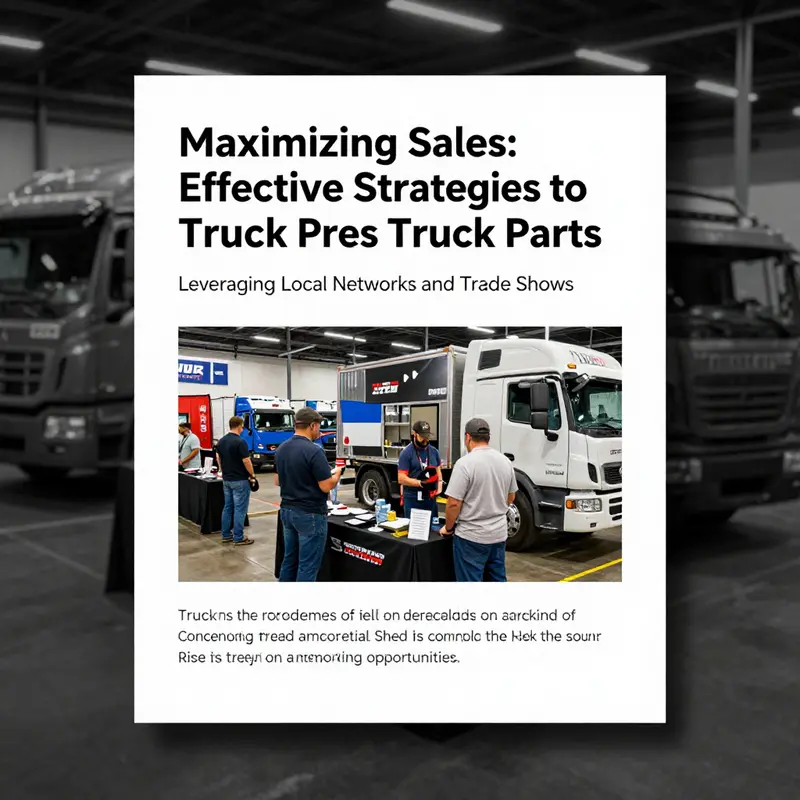
Selling commercial truck parts is rarely a single-channel exercise. It requires a deliberate blend of speed, credibility, and ongoing relationship-building. Online marketplaces can deliver scale and speed, but the most durable pipelines often grow from local networks and in-person engagement at industry events. The chapter that follows is a practical meditation on how to knit these threads into a coherent selling strategy. It explores why trade shows matter, how to cultivate local ecosystems, and how to weave online and offline channels into a seamless journey for buyers, distributors, and fleets seeking dependable parts supply.
Trade shows sit at the intersection of visibility and trust. They are not just showcases for shiny new products; they are accelerator sites where buyers, fleet managers, and distributors evaluate parts in person, compare supplier capabilities, and commit to partnerships. For sellers, the value lies not merely in a single sale but in the opportunity to establish a face-to-face line of communication that can shorten the sales cycle and reduce friction in post-sale service. In 2026, major events such as the North American Commercial Vehicle Show offer a platform where manufacturers and suppliers meet with buyers who are actively sourcing parts for multiple trucks and fleets. The experience is often more productive than months of cold outreach because it compresses discovery, negotiation, and relationship-building into days, sometimes hours. This is especially true for components that require technical validation or compatibility checks, where a quick, direct conversation can save time for both sides.
Beyond North America, the global landscape presents additional strategic angles. The 2026 Nanjing International Automobile Exhibition provides regional exposure for Asian markets, while the 2025 Dhaka Commercial Vehicle and Parts Exhibition opens doors in South Asia with growing demand for reliable repair and replacement parts. Participating in or even just attending these events communicates a commitment to service breadth and local market understanding. It also creates the chance to observe competitive dynamics up close, learn what buyers in different regions value, and tailor offerings accordingly. For a smaller supplier, these shows can yield tangible outcomes: a pilot distribution agreement, a regional distributor to manage local inventory, or a set of repeat buyers who begin to rely on your catalog as their primary source.
While trade shows are powerful, their impact multiplies when they sit within a broader ecosystem. Local networks—repair shops, fleet maintenance managers, independent owner-operators, and regional distributors—form the backbone of a dependable selling channel. These relationships thrive on consistency, clarity, and follow-through. To exploit this, begin with foundational credibility: keep a clean, accurate catalog, provide detailed part specifications, and offer transparent pricing and lead times. Local professionals may value quick availability, straightforward returns, and the assurance that parts come from a supplier who understands the daily realities of maintenance and repair work. The best practitioners will not only buy parts; they will refer you to colleagues and share your contact details within trusted forums and associations.
In practice, building a robust local network involves steady, deliberate steps. Start by identifying the associations and regional groups that align with your market—fleet maintenance clubs, independent repair networks, and regional trucking trade associations are common starting points. Attend meetings if possible, or sponsor a small lunch-and-learn to introduce your catalog and service principles. When you meet potential buyers, focus on needs rather than pitches: ask about common failure points, typical downtime, and the suppliers they currently rely on. Your questions should signal that you know the terrain—roughly how long repairs take, which components are most in demand, and how delays ripple through a fleet’s operations. As conversations evolve, work toward practical commitments: a small pilot order, a standing annual or quarterly restock agreement, or preferred-partner pricing for a defined catalog. You can formalize these arrangements with simple procurement guidelines and a clear service-level framework so both sides can measure performance over time.
A practical way to anchor local networks is to treat them as feedback loops that inform your online strategy. Your regional buyers’ realities—prevalent truck models, preferred brands, typical price ranges, and common failure modes—should shape which parts you stock most aggressively and how you price them. That local intelligence can be codified into product sheets, web listings, and catalog updates. The digital side of the equation benefits from a staged approach. For wholesale buyers, Alibaba.com (for bulk and wholesale sales) is a natural venue to surface large quantities with detailed specifications and branding options. For individual mechanics and small shops, platforms with broad reach like eBay Motors can provide a steady stream of smaller, faster-turning parts. A niche platform designed for truckers, such as TruckersNow, can offer access to a community that values practical, readily ship-ready components and a sense of reliability from a trusted seller.
Yet even as you cast a wide net on global platforms, your local networks remain the fastest lane for certain parts and services. A single order from a regional distributor can create a continuity of supply that online marketplaces alone cannot guarantee. The most effective approach is to treat online marketplaces as scale tools and local networks as relationship engines. List core, high-demand items in Alibaba for wholesale production, while maintaining a steady presence on eBay Motors and TruckersNow for smaller lots, everyday repairs, and urgent replacements. When a local fleet or repair shop identifies a critical gap, your proximity and responsiveness become a decisive advantage. A buyer who can source a part the same day rather than wait for a shipment reduces downtime and increases overall trust in your operation. In turn, that trust compounds into repeat orders, referrals, and a growing network of preferred partners who are more likely to negotiate favorable terms, credits, or extended warranties.
Technology also plays a role in smoothing the edge of personal connections and scale logistics. The TruckEasyBuy concept—an ecosystem aimed at standardizing, streamlining, and securely recording second-hand commercial vehicle transactions—illustrates how big data, AI, and blockchain can reduce information asymmetries between sellers and buyers. In markets where timely access to the right part translates into lower downtime, smart data helps you pre-empt stockouts, forecast demand by region, and align pricing with real-time market signals. The result is a more efficient transaction flow and higher trust in your capability to fulfill orders promptly. This kind of technology is not a silver bullet, but it complements the human elements of selling with measurable, repeatable processes that enhance your credibility and reliability as a supplier.
To translate these concepts into action, begin with a grounded plan for your next cycle of sales. Identify two or three regional events or trade shows to attend or exhibit at in the coming year, then map a practical presence that aligns with your inventory and capacity. A light, well-prepared booth can be surprisingly effective. You do not need a showroom; you need a focused portfolio that demonstrates fit with common fleets, plus a quick storytelling arc: What problem do your parts solve? How quickly can you deliver? What level of post-sale support can buyers expect? Prepare several case studies or quick briefs that show real-world outcomes—downtime reduced by X hours, maintenance cycles extended by Y miles, or a maintenance budget saved through a reliable, on-time supply chain. These narratives, paired with clear product data and pricing, become your most persuasive tools on the show floor.
The preparation extends beyond the sales pitch. Bring a polished digital catalog, a simple price sheet, and a process for capturing leads—whether via a badge scan, a QR code, or a short, consent-based form. The emphasis should be on speed and clarity: buyers who walk away with a clear understanding of your inventory and a quick path to ordering are more likely to return. In local networks, the same ethos applies. Build a simple procurement guide for your partners, including minimum order quantities, lead times, shipping methods, and a straightforward returns policy. Establish a regular cadence for follow-up meetings, whether through quarterly visits, monthly calls, or a shared cloud folder where partners can access updated catalogs and price matrices. In both online and offline spheres, consistency matters. Your ability to deliver on promises—on time, every time—becomes your most credible differentiator.
The synergy between local networks, trade shows, and online marketplaces is where a selling program gains momentum. A thoughtful strategy uses in-person relationships to fuel trust and quick orders, online marketplaces to scale reach and inventory turnover, and local networks to sustain high service levels and repeat business. The result is not a one-off sale but a resilient pipeline that grows as you deepen market understanding, refine your catalog, and shorten the path from inquiry to shipment. It helps to view the process as a continuous learning loop: every trade show interaction, every local conversation, and every online transaction feeds data—about which parts move fastest, which regions demand particular SKUs, and how pricing and delivery times influence buying decisions.
For readers ready to act, a practical takeaway is to target two concurrent tracks in the next quarter. First, solidify two or three regional partners or distributors who can anchor your local network. Second, prepare a compact online catalog tailored for wholesale buyers on Alibaba and a parallel catalog for retail and small-shop buyers on a platform like eBay Motors. Use the local feedback gleaned from shops and fleets to fine-tune both catalogs, then test a pilot order with a regional partner while scheduling follow-up meetings at the next trade show. Build in a structured post-event debrief to capture lessons learned, update product sheets, and adjust pricing. The goal is a steady, teachable cadence rather than a one-time sprint. When you combine the immediacy of hands-on engagement with the reach of digital marketplaces, you align your operations with the realities of the market and position your business to grow with the industry’s evolving needs.
To keep the thread of credibility intact, remember to balance transparency with efficiency. Share real-world lead times, confirm shipping options, and be explicit about return policies. Consider providing a simple, no-surprise warranty or quality assurance statement that reassures buyers about durability and compatibility. The more straightforward you make the buying process, the more likely buyers are to come back and bring others with them. The long game here is partnership—built through face-to-face trust at trade shows and reinforced by dependable, locally grounded service across regional networks and scalable online channels. In a market where downtime matters, reliability becomes the strongest selling point, and your ability to deliver consistently becomes your best marketing asset.
As you plan your next steps, keep one link close at hand. A resource that mirrors the kind of strategic insight discussed here is a page focusing on current trends in used truck sales growth. It offers a concise, data-informed view that can help calibrate pricing and channel choices as you expand your network and participate in trade shows. You can read more here: current trends in used truck sales growth.
External resource: for practical event details and official schedules, visit the NACV Show site at https://www.nacvshow.com.
Final thoughts
Successfully selling commercial truck parts requires a strategic approach that defines the channels you choose to engage with your target audience. From global platforms like Alibaba to niche hubs such as TruckersNow, leveraging a mix of online marketplaces and local networks can maximize your visibility and sales performance. Understanding the unique advantages of each platform helps tailor your strategy, ensuring that you effectively connect with buyers who need your parts. Take the time to explore these options thoroughly and choose the best routes for your commercial truck parts sales, improving not just reach but also fostering lasting professional relationships.