The transportation industry relies heavily on skilled commercial truck drivers who not only transport goods but also uphold safety and regulatory standards. Understanding how these drivers are trained is crucial for trucking company owners and fleet managers, as well as for procurement teams in construction, mining, and logistics firms. The training process is comprehensive, blending classroom instruction, practical driving experience, and employer-sponsored programs, all framed within strict regulatory requirements. This article dissects these elements, providing insights into each stage of the training journey, the benefits of employer involvement, and the necessity of meeting federal and state mandates. By exploring these aspects, fleet managers and hiring agents can better appreciate the complexities of driver training and make informed decisions for their operations.
From Classroom to Open Road: The Integrated Path That Trains America’s Commercial Truck Drivers
The journey from prospective driver to licensed professional unfolds as an integrated sequence that blends theory with practice, governed by federal standards and amplified by state and employer expectations. It is a path designed not merely to produce a credential, but to cultivate a safety-first mindset that can translate into reliable on-road performance across diverse geographies and cargoes. In the United States, the training framework for commercial truck drivers rests on a careful balance: rigorous classroom instruction that builds legal and technical literacy, followed by hands-on driving experience under the watchful eyes of seasoned instructors. The arc of this process mirrors the industry’s demand for drivers who can navigate legal requirements, manage risk, and sustain efficiency in the face of a dynamic freight market. The result is a credential—the Commercial Driver’s License—that certifies a candidate’s competence while signaling to employers that the driver has demonstrated both knowledge and real-world capability. Yet the certificate is only the visible edge of a longer commitment to ongoing learning, disciplined operation, and a culture of safety that begins before a wheel is turned and continues long after the last load is secured for the day.
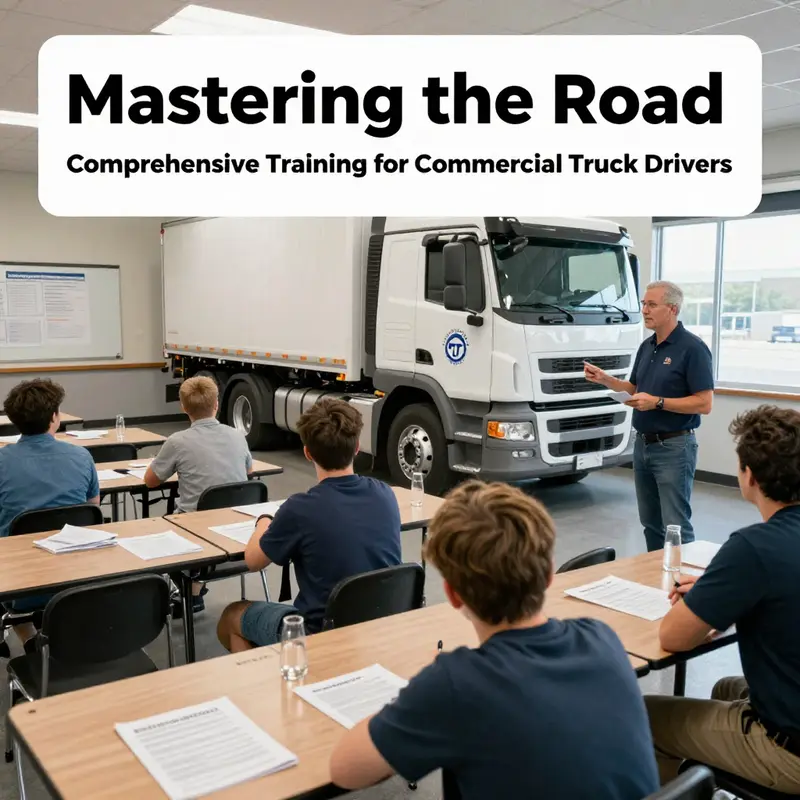
The backbone of this training is the Federal Motor Carrier Safety Administration’s framework, which establishes the minimum standards for knowledge and performance. Within that framework, the training path emphasizes a clear sequence: acquire foundational knowledge in a classroom, demonstrate practical skill in a controlled, supervised environment, and then validate competence through state-administered examinations. The classroom component serves multiple essential functions. It introduces drivers to federal and state regulations that govern what can be transported, where, and under what conditions. It also covers the mechanics of vehicle safety, including vehicle inspection procedures, which are not mere rituals but a structured system for ensuring that a truck, its load, and all supporting equipment are fit for operation. This preparation is not abstract; it ties directly to day-to-day decision making on the road.
In the classroom, topics are chosen to reflect the actual risks and responsibilities that come with operating heavy vehicles. Students learn the underlying rules that guide hours of service, which constrain driving time to protect fatigue management and road safety. They study pre-trip, en-route, and post-trip inspection procedures, learning to identify wear, leaks, or mechanical issues before they become hazards. They delve into truck safety protocols, including how to assess brake performance, steering play, lighting, and signaling systems. Defensive driving is framed not just as a set of techniques but as a continuous habit of scanning, predicting, and adapting to the behavior of other road users. The aim is to instill a safety culture from day one—a mindset that treats every maneuver as an opportunity to prevent incidents rather than diagnose them after the fact.
Beyond the safety and regulatory content, the classroom introduces learners to the broader logistics landscape. A working knowledge of basic logistics helps drivers understand why schedules matter, how loads are prioritized, and how choices at the planning stage affect fuel economy, equipment wear, and customer satisfaction. This contextual awareness fuels professional judgment. It gives the driver a framework for balancing efficiency with safety, a balancing act that increasingly defines the modern trucking industry as it moves toward tighter margins and higher expectations for service reliability.
The second pillar of training is the practical driving phase. Here, the focus shifts from theory to doing, under supervision, in environments that progressively mirror the complexity of real-world operations. Instructors guide learners through the fundamentals of operating large commercial vehicles and then progressively introduce more challenging tasks. Early practice typically emphasizes vehicle control in a controlled setting—backing, parking, and basic maneuvers—before moving to more demanding tasks such as navigating tight spaces, urban streets, and multi-lane highways. The emphasis is not simply on executing a maneuver but on doing so while maintaining a margin of safety, consistency, and awareness of surrounding traffic.
Backing and turning, often the most anxiety-provoking skills for new drivers, are taught with a structured approach: position awareness, mirror use, hand-eye coordination, and a steady throttle and brake technique. Instructors provide real-time feedback, highlighting small adjustments that accumulate into larger improvements. Parking, too, becomes less a test of precision and more a demonstration of planning and spatial judgment. Instructors stress that successful parking is born of practice and a calm, deliberate pace rather than brute force. As the driver gains confidence, the range expands to include highway merging, lane changes, and maintaining appropriate following distances at different speeds and road conditions. Each stage of practice is designed to reduce surprises on the road and to cultivate a disciplined method for handling emergencies, such as sudden stops, evasive maneuvering, or adverse weather conditions.
In parallel with the driving itself, students learn to interpret the vehicle’s behavior, the road environment, and the logistics demands that will define their daily work. They study pre-trip inspections in a way that becomes almost instinctive, a habit that can catch minor issues before they become safety risks. They are taught to think in terms of trip planning, fuel management, load securement, and compliance with cargo handling procedures. The practical curriculum reinforces the ideas introduced in the classroom: regulations are not abstract constraints but concrete rules that shape every decision—whether a driver is choosing a route, deciding how to string together a day’s deliveries, or determining how to respond to an unexpected service interruption.
Central to the certification pathway are the examinations administered by the state’s DMV, which test both knowledge and skill. Candidates must first demonstrate mastery of the requisite knowledge through a written exam that covers the rules, regulations, and safe operating practices that constitute the foundation of professional driving. The knowledge test is designed to verify that the driver can recall and apply critical information when necessary, and it includes questions that assess comprehension of complex regulatory concepts such as weight limits, permit requirements, and the boundaries of acceptable cargo handling. After the written portion is completed, the driver must pass a skills test. The skills test evaluates practical ability across a range of tasks under simulated real-world conditions. A successful performance on the test confirms that the operator can handle a commercial vehicle with competence, stability, and respect for the safety of others on the road.
Endorsements add further depth to the credential, expanding the scope of operations that a driver can perform legally. While the core CDL covers general operating privileges, many roles require additional authorization. HazMat endorsements, for example, authorize the transport of hazardous materials, a responsibility that includes additional security, handling, and routing considerations. Other endorsements cover passenger transport or specialized configurations such as double or triple trailers. Each endorsement adds a layer of training and testing, ensuring that drivers who take on these specialized duties possess the detailed knowledge and practiced skill that these operations demand.
The instructor and school practices play a crucial role in translating policy into performance. Effective instructors pair engaging, up-to-date presentations with real-world scenarios that reflect the kinds of decisions drivers face on the road. They emphasize a safety culture from the outset, modeling careful risk assessment, disciplined adherence to procedures, and a habit of continuous learning. A well-designed curriculum aligns classroom content with hands-on practice, ensuring that what is taught in theory is reinforced by what is demonstrated and executed during behind-the-wheel sessions. This alignment is essential for long-term professional competence because trucking is an activity where knowledge and muscle memory must synchronize under pressure.
Yet training is not a one-size-fits-all process. For many aspiring drivers, employer-sponsored programs provide an accelerated, hands-on pathway that blends company-specific procedures with the general CDL framework. In these settings, mentorship from experienced drivers is an integral part of the training. Trainees gain exposure to company safety protocols, route familiarization, and the practical realities of daily cargo movement. The emphasis is on instilling a shared operational culture—how to manage diel routes, how to respond to maintenance alerts, and how to communicate with dispatch in real time. On-the-job training helps new drivers translate classroom knowledge into consistent performance within the expectations and tempo of actual freight operations. The result is a well-rounded professional who not only holds a license but also understands the operational rhythms of the industry, the nuances of the equipment they operate, and the expectations of the teams that rely on timely, safe delivery.
The professional arc does not end with certification. The regulatory framework is a baseline, while ongoing learning becomes part of career development. Many drivers benefit from continuing education activities, periodic refresher training, and recertification that keeps them current with any changes in rules, technologies, or safety practices. Regular coaching, performance feedback, and access to updated safety materials help ensure that a driver’s competence remains robust as traffic patterns, inspection standards, and safety expectations evolve. In this way, the training pathway is less a single hurdle and more a continuous ladder that supports lifelong learning and sustainable career progression in a field built on reliability, precision, and dependable service.
The breadth of the training experience also reflects the diverse environments that drivers encounter. A typical student may spend weeks in a classroom and many more weeks behind the wheel, gradually absorbing the demands of long-haul routes, regional deliveries, and specialized cargo handling. The variety of scenarios—ranging from rural backroads to congested urban corridors—tests judgment, timing, and adaptability. This variability is not arbitrary; it mirrors the industry’s need for drivers who can shift gears—literally and figuratively—between different cargo types, weather conditions, and regulatory regions. It also highlights the importance of developing a personal safety strategy: pre-trip discipline, situational awareness, and the humility to seek guidance when a scenario falls outside one’s current comfort zone.
A well-structured training program also recognizes that knowledge alone is insufficient without the confidence to apply it under pressure. Instructors cultivate confidence by layering practice experiences that gradually increase exposure to complexity while maintaining a safety net. The result is a driver who can approach each trip with a clear mental model of what matters: the legality of the operation, the security of the cargo, the safety of the crew and the public, and the efficient, predictable execution of the plan. This holistic approach to training fosters not only skill but a professional identity that values accountability, teamwork, and a proactive stance toward risk management. It also aligns with broader industry trends toward standardized competency, performance measurement, and a culture where safety is everyone’s responsibility.
To connect these ideas to concrete practice, one can imagine a typical learner’s journey as a sequence of interwoven experiences rather than a rigid timetable. The learner begins with the laws and fundamental concepts in the classroom, then transitions to controlled driving sessions that emphasize technique and safety. As competence grows, the focus expands to route planning, cargo handling, and the assessment of real-world risks. The DMV tests provide the external validation that the competencies are transferable to highway conditions and commercial operations. Throughout this journey, endorsements serve as signposts indicating additional expertise, while employer-sponsored training offers the practical scaffolding that helps new drivers translate credentials into productive work. The emphasis remains constant: safety, compliance, and competence are the pillars that support every mile driven and every cargo delivered.
For readers who want to explore industry perspectives and broader context, the ongoing conversation about training quality and outcomes is often echoed in trade discussions, policy analyses, and professional associations. A useful touchstone for readers seeking more context on training frameworks, regulatory updates, and implementation best practices is to consult the official federal resource on CDL training. This external reference provides authoritative detail on the curriculum expectations, testing standards, and regulatory background that shape every driver’s education journey. (External resource: https://www.fmcsa.dot.gov/training/cdl-training).
In addition to regulatory and instructional considerations, readers may wish to consider practical insights that surface in industry dialogue and reflect the lived experience of trainees and instructors. A simple, practical takeaway is the importance of engaging learning materials and dynamic teaching methods. Instructors who incorporate interactive simulations, real-world scenarios, and up-to-date case studies tend to cultivate deeper comprehension and longer retention. This approach helps ensure that learners do not simply memorize rules but develop the ability to apply them in unpredictable, high-stakes settings. Another takeaway is the value of early safety immersion—introducing a safety-first mindset as a core dimension of daily practice rather than relegating it to a separate module. When safety becomes part of the driver’s habitual way of operating, the road becomes a classroom that continually reinforces the day’s lessons with every mile.
For those who seek a compact, practical pointer on where to begin, a straightforward path is to engage with the broader industry conversation through reputable, industry-facing resources and training programs. A convenient starting point is the public-facing content on trucking education and safe operation, which often includes practical checklists, guidance for new drivers, and reflections on the transition from classroom theory to highway practice. For readers looking to explore more about the latest industry perspectives, the McGrath Trucks blog offers a broad range of posts that contextualize trucking topics within the current market and policy environment. This resource can serve as a supplementary space to reflect on how training translates into real-world operations and market readiness. (Internal link: McGrath Trucks blog).
The trajectory from classroom to open road, then, is not a single leap but a carefully structured ascent. It begins with foundational knowledge that establishes a shared language for safety and compliance. It continues with practical, supervised skill development that builds muscle memory, judgment, and routing acumen. It culminates in formal certification, with endorsements layered on as the cargo and customer requirements demand. Behind this progression is a broader commitment to safety culture, professional accountability, and continuous improvement that characterizes the trucking profession. The training experience, therefore, is not merely about passing tests; it is about cultivating a posture of preparedness and responsibility that remains essential long after the CDL is earned and the first solo route is logged. In this sense, the classroom and the road together form a continuous education, one that supports the driver, the motoring public, and the integrity of the supply chains that keep communities supplied.
From Theory to Throttle: The Real-World Hands-On Training that Shapes Commercial Truck Drivers
A commercial driver’s training journey is not a single test or a single class; it is a carefully choreographed sequence that blends classroom learning with real-world practice until knowledge becomes instinct. Trainees begin in a classroom or a yard where fundamentals are laid out with clarity and consistency. They enroll in programs certified by state and federal authorities, and the length of these programs varies. The curriculum covers federal and state regulations, vehicle inspection procedures, safe driving practices, defensive driving techniques, cargo handling, and hours-of-service rules, forming a scaffold for operating large vehicles under pressure and staying within the law.
In the classroom, the aim is to build a robust mental model of how commercial transportation works. Students learn why rules exist, how regulations shape decisions, and how inspections prevent equipment failure. The knowledge portion also covers endorsements such as hazardous materials, passengers, or multiple combinations, adding layers of responsibility that reflect the complexity of real-world freight networks. The material emphasizes definitions, statutes, and procedures and how to apply them under dynamic conditions later on the road. The cognitive load involves accuracy in noting hours, understanding cargo types, and recognizing signs of potential equipment issues before they become problems.
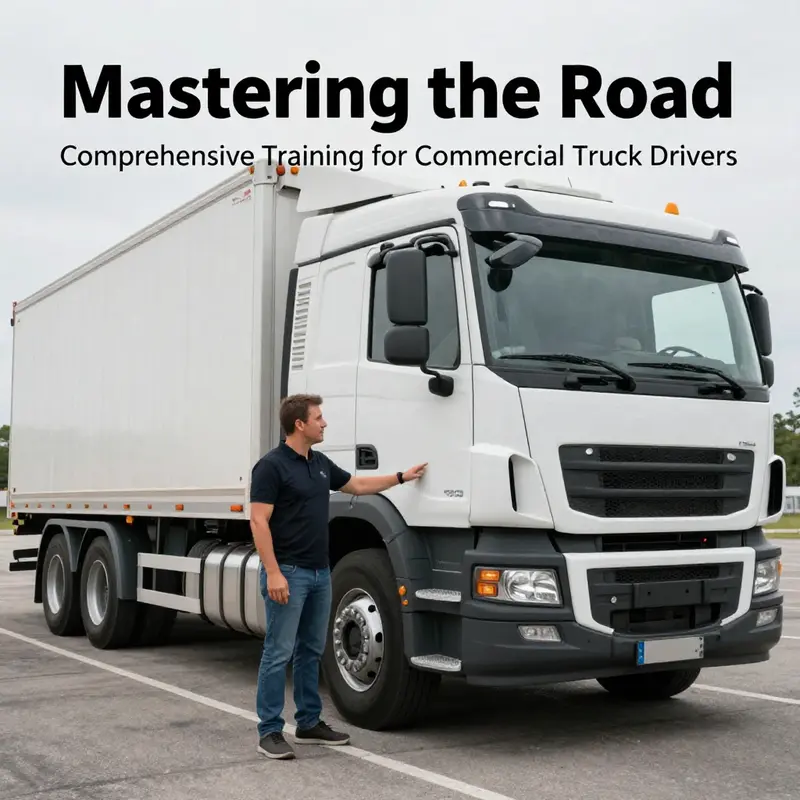
The hands-on phase follows the classroom and takes place under the watchful eyes of experienced instructors. Here the scale and weight of the vehicle become tangible. Early sessions focus on foundational maneuvers in controlled settings—backing with precision, tight turns, and parking in constrained spaces. Backing, in particular, requires patience, spatial awareness, and ongoing micro-adjustments. Instructors guide learners through steps that increase in complexity, from straight-line backing to offset maneuvers, alignment checks, and the use of mirrors to maintain awareness. Each drill translates theory into automatic reflexes, with immediate debriefs that explain what went wrong, why it matters, and how to improve.
Beyond the yard, real-world traffic introduces challenges not fully replicated in a classroom. Instructors gradually raise exposure to highway speeds, merging, lane changes, defensive driving, and urban dynamics. Students learn to anticipate other road users, adapt to varying conditions, and make rapid, safe decisions under pressure. The vehicle becomes an extension of the driver’s planning, attention, and judgment. The supervisor’s role is to provide timely feedback and create opportunities for reflection on decision making. A feedback loop—observe, perform, reflect, and adjust—transforms practice into consistent competence. Safety remains the priority: drivers must master pre-trip inspections, understand cargo handling to prevent shifting, and follow risk-mitigation practices.
The pathway to a CDL rests on a two-part examination: a knowledge test that covers regulations and safety procedures, and a skills test administered by the state that simulates real driving with a pre-trip, on-road maneuvers, and a post-trip wrap-up. Some roles require additional endorsements, adding further training and regulatory expectations before stepping into the cab with freight. For many entrants, training continues through employer-sponsored programs that combine classroom learning with on-the-job practice, mentorship, and route familiarization. The FMCSA provides overarching guidelines that shape program design, while schools and fleets tailor the pace to local realities. The hands-on phase remains the fulcrum that transforms a student into a capable professional, ready to meet the demands of modern freight networks with safety and compliance at the core. For continued growth, readers can explore FMCSA guidelines and industry resources cited within this chapter.
On-the-Job Craftsmanship: How Employer-Sponsored Training Builds Safer, More Skilled Commercial Truck Drivers
When a driver steps into an employer-sponsored training program, the journey from rookie to professional unfolds as a careful orchestration of classroom study, hands-on practice, and real-world accountability. It is not merely a test of memory or a checklist of maneuvers; it is a culture, a way of thinking about safety, efficiency, and responsibility that becomes part of the driver’s identity. In this model, learning is embedded in the daily rhythms of a fleet, with mentors shaping behavior, policies shaping perception, and technology shaping feedback. The result is a workforce that can translate regulatory requirements into reliable performance behind the wheel, on routes that range from congested urban streets to open highways and challenging weather conditions. Employer-sponsored training, then, is the bridge between the abstract rules of the road and the practical realities of moving goods across a vast and varied landscape.
From the outset, the structure of these programs mirrors the dual purpose at the heart of professional trucking: compliance with law and the pursuit of safer, more productive operations. The classroom phase covers Federal and State regulations, the fundamentals of vehicle inspection, defensive driving principles, and a practical awareness of maintenance needs. Trainees learn to perform the Pre-Trip Inspection with a meticulous eye—checking brakes, tires, lights, couplings, and load securement—because a late or incomplete inspection can cascade into unsafe conditions or costly delays. They study the procedural rules that govern hours-of-service, rest breaks, and duty status, not as abstract mandates but as guardrails that keep drivers alert, fatigue risks manageable, and fleets compliant across jurisdictions. This theoretical grounding gives way to sensory, experiential learning as soon as the first behind-the-wheel session begins.
The hands-on portion is where the training becomes embodied knowledge. Under the watchful guidance of seasoned instructors, new drivers practice the essential competencies that separate a casual road runner from a professional operator. They work on fundamental vehicle control—backing and docking with precision, executing turns through tight urban corridors, and negotiating parking lots crowded with pedestrians and other vehicles. They learn to manage space and speed, to anticipate other road users’ actions, and to adjust to the vehicle’s unique dynamics—the long wheelbase, the weight distribution, the need for careful throttle modulation when pulling away uphill or maneuvering through slippery surfaces. These sessions are not only about technique; they are opportunities to internalize the rhythms of safety as a daily operating principle.
Equally important is exposure to a spectrum of driving environments. Programs often incorporate long-haul experiences that stretch endurance and test mental focus, balanced by local-delivery assignments that demand quick, precise decisions in dense traffic, frequent stops, and ever-changing loading conditions. Trainees encounter a variety of road surfaces, weather conditions, and traffic patterns, building a sense of adaptability that no single route can provide. The aim is to develop a driver who can maintain composure and accuracy whether navigating a narrow street in the dawn light or handling a late-night highway merge with a demanding schedule ahead. In practice, the on-the-job component is designed to transform theoretical knowledge into reliable habits: consistent pre- and post-trip routines, proactive risk assessment, and proactive communication with dispatchers and customers.
At the heart of any employer-sponsored program lies a commitment to compliance and safety. The Federal Motor Carrier Safety Administration (FMCSA) provides the regulatory framework that undergirds every training module. Programs align with FMCSA expectations for entry-level driver training, certification, and the progression into CDL operations. This alignment ensures that the instruction students receive on regulatory topics is not incidental but is integrated with practical application. Trainees learn about compliance protocols, record-keeping, and the importance of accurate documentation. They come to view safety not as a checklist but as an ongoing discipline that governs decisions on the road, the loading dock, and the maintenance bay. In addition to broad regulatory content, employers weave in company-specific policies, tailoring training to the fleet’s operational realities. These policies may cover safety protocols for hazardous conditions, incident reporting procedures, and standardized responses to common hazards encountered in their network. Incorporating these protocols from day one helps new drivers understand how they will be expected to perform in real-world settings and how the company will measure and support their progress.
Technology plays a pivotal role in shaping the training experience. Modern fleets leverage telematics systems, electronic logging devices, and route-management platforms to deliver real-time feedback and objective performance data. Trainees quickly learn how their driving style translates into measurable indicators—speed consistency, following distance, abrupt braking, gear selection, or idle time. Instructors use this data to guide coaching conversations, pinpointing areas for improvement and highlighting progress over time. The integration of technology is not merely about surveillance; it is about actionable feedback that accelerates learning and fosters a culture of continuous improvement. Drivers come to understand how their daily choices influence fuel efficiency, maintenance costs, and on-time delivery performance, tying personal development to broader business outcomes.
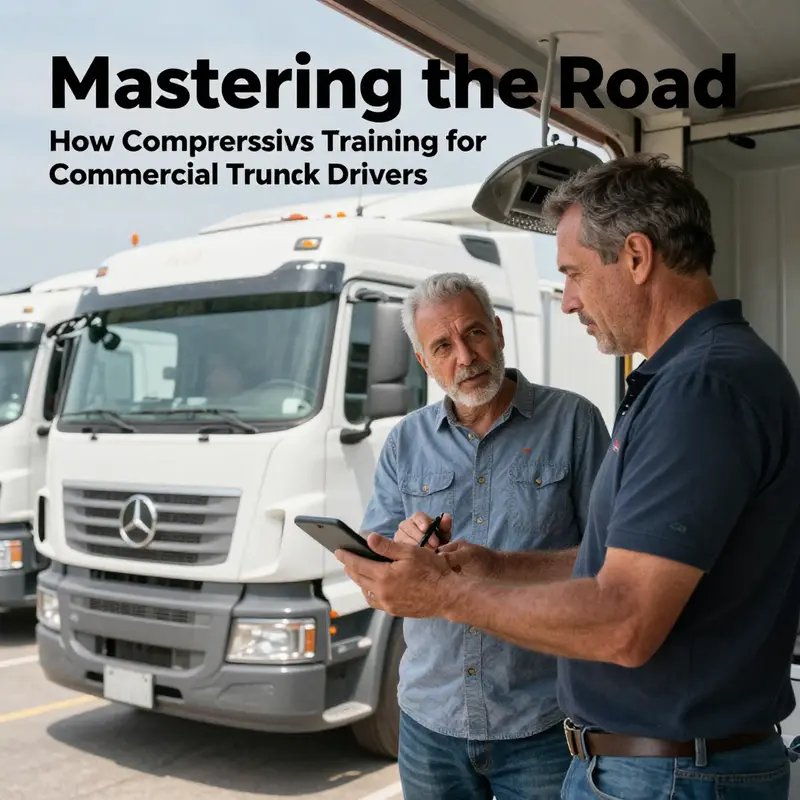
The mentorship model embedded in employer-sponsored programs is as critical as the curriculum itself. Seasoned drivers serve as mentors, not only teaching technical skills but modeling professional behavior, customer service, and the nuanced judgment required to handle the unpredictability of real-world freight movement. The mentor-mentee relationship fosters trust and open communication, enabling newcomers to ask questions, seek clarification, and reflect on errors without fear of punitive consequences. This approach supports a growth trajectory that combines structured instruction with the flexibility to address individual learning curves. Mentors also help trainees reconcile the competing demands of safety, productivity, and compliance, illustrating the importance of setting realistic route plans, monitoring fatigue, and prioritizing problem-solving when mechanical or logistical challenges arise.
Within the broader training ecosystem, employer-sponsored programs also emphasize maintenance awareness. Drivers who know how to spot signs of wear, leaks, or abnormal tire wear can prevent breakdowns and reduce roadside incidents. While technicians perform the primary maintenance work, drivers become the first line of defense, learning basic checks and understanding maintenance cycles. This knowledge contributes to a smoother operation, because it reduces the likelihood that minor issues escalate into safety risks or service disruptions. It also reinforces a sense of ownership and responsibility for the vehicle, reinforcing the driver’s role as a steward of the equipment and the fleet’s reputation for reliability.
A central goal of these programs is to produce drivers who are immediately effective on the road while developing the dispositions that sustain long careers in the industry. This means cultivating a safety-first mindset that weightily factors in risk perception, decision quality, and proactive communication. The end state is not merely a CDL on the wall but a driver who can function safely in diverse circumstances, manage fatigue and stress, and navigate the many decision points that arise on a daily schedule of pickups, deliveries, and route changes. The training process is designed to produce those outcomes within a defined timeline, aligning with the company’s onboarding expectations and the regulatory milestones that accompany operating a commercial vehicle. In practice, a well-run program tends to produce a measurable impact on safety metrics, on-time performance, and the consistency of service across different shifts and routes.
The continuity of training doesn’t end at graduation from the initial program. The industry recognizes that learning is ongoing, and many fleets structure continuous training that builds on the foundation established during onboarding. Refresher modules, scenario-based simulations, and periodic reviews of regulations keep drivers up to date as rules evolve. For drivers who seek to broaden their qualifications, employers may offer pathways to endorsements or specialized roles, such as hazardous materials or passenger transport. These opportunities often require additional assessments and training modules, further illustrating how employer-sponsored programs can be a ladder for career progression within the trucking industry. The strategic value of such programs lies in their ability to align the driver’s personal development with the company’s long-term safety and service goals, creating a workforce that is not only capable but resilient and adaptable in the face of changing demands.
In guiding a new recruit from enrollment to deployment, the practical details matter as much as the broader philosophy. Scheduling considerations, for instance, balance classroom time with on-road practice to prevent cognitive overload and fatigue. Trainees often begin with shorter, lower-risk routes and gradually graduate to more complex assignments as confidence and competence grow. Supervisors monitor readiness through structured assessments that blend observation, knowledge checks, and performance data from the telematics systems. The evaluation framework is designed to be constructive rather than punitive, focusing on identifying gaps, providing targeted coaching, and charting a clear path forward. This transparent, data-informed approach helps new drivers feel supported as they navigate the steep learning curve that accompanies operating heavy vehicles in dynamic traffic environments.
The external landscape surrounding employer-sponsored training also matters. Regulators emphasize the importance of safe entry into professional driving, and the industry-wide push toward standardized practices helps reduce variability across fleets. While each company tailors its program to its own operational realities, the common thread is a commitment to safety, compliance, and continuous improvement. In this sense, employer-sponsored training contributes to a broader national strategy for a skilled, dependable trucking workforce that can meet the logistics demands of a complex economy. This perspective resonates with a chapter of the article that traces the spectrum of training approaches—from formal CDL schools to employer-run onboarding—and explains how each stage complements the others to produce a driver capable of meeting today’s safety expectations and tomorrow’s challenges.
For readers seeking practical perspectives on fleet training in action, industry voices often point to resources that illustrate how theory translates into daily practice. A reputable industry blog offers narratives and insights drawn from real-world experiences in fleet operations, serving as a bridge between formal training concepts and frontline execution. This resource provides context for how training theories play out in the day-to-day rhythms of dispatch, delivery windows, and route planning, helping readers connect the dots between classroom lessons and on-the-road realities. You can explore those practical perspectives at the following source: McGrath Trucks blog.
All of these elements—the regulatory framework, the structured classroom-to-hood transition, the mentorship ethos, the integration of technology, and the emphasis on safety culture—combine to form a coherent approach to training that is centered on the driver’s development as a professional. The employer-sponsored model recognizes that a CDL is a critical credential, but it is just one milestone in a longer journey of learning and adaptation. It treats the first months behind the wheel as an extended apprenticeship, with supervisors and peers providing guidance, feedback, and opportunities to learn from errors in a controlled environment before those lessons are tested by the unpredictable realities of the open road. The chapter that follows will build on this foundation by exploring how this on-the-job training connects with the broader lifecycle of truck-driving careers, including ongoing professional development, regulatory updates, and the evolving role of technology in shaping driver competence and road safety.
External resource: For official guidance on training and safety standards, consult the FMCSA framework at https://www.fmcsa.dot.gov.
Navigating the Regulatory Highway: How Federal and State Guidelines Shape Commercial Truck Driver Training
The training of commercial truck drivers in the United States rests on a carefully constructed regulatory highway that blends nationwide standards with state-administered procedures. This framework is not merely bureaucratic scaffolding; it is the backbone that ensures every newly minted driver enters the road with a common baseline of knowledge, skills, and safety sensibilities. At its core lies the Federal Motor Carrier Safety Administration (FMCSA), whose regulations, collectively known as the Federal Motor Carrier Safety Regulations (FMCSRs), set the minimum thresholds for what drivers must know and be able to do before they can operate commercial motor vehicles on public highways. The architecture of these rules is explicit yet adaptable, detailing everything from the specific knowledge areas that must be understood to the driving competencies that must be demonstrated, and it frames the training that underpins the entire licensing journey.
To understand how training is structured, one must start with the federal scaffolding, which is codified in Title 49 of the Code of Federal Regulations (49 CFR). Within that title, Parts 383 and 385 stand out as the landmark provisions for CDL testing and training. Part 383 outlines the minimum qualifications and testing for commercial drivers, including the specialized knowledge that must be mastered and the procedural steps to obtain a CDL. Part 385, in turn, governs the enforcement and administrative aspects of CDL testing and licensing, ensuring consistency across jurisdictions while allowing for the occasional state nuance. Together, these parts prescribe not only the end product—an operator qualified to drive a CMV—but also the sequence by which a driver earns that qualification. They articulate that the journey begins with a formal understanding of vehicle inspection, proceeds through the basic control of a vehicle, and culminates in safe operation under a spectrum of driving conditions.
Central to that journey is the Entry-Level Driver Training (ELDT) rule, a landmark federal initiative that took full effect in January 2022. The ELDT rule requires that persons applying for a CDL, or upgrading to a higher class of CDL, complete a formal training program from an FMCSA-approved provider. This rule is not a bureaucratic checkbox; it is a mission-critical safeguard designed to ensure a minimum floor of classroom instruction and behind-the-wheel practice before any knowledge or road test is attempted. The ELDT framework emphasizes hands-on, real-world scenario training that mirrors the challenges of highway driving—high-speed interchanges, adverse weather, nocturnal conditions, and the complex choreography of sharing space with other large vehicles, vulnerable road users, and rapidly changing traffic patterns. The objective is to cultivate drivers who not only know the rules but who can apply them with judgment and composure when operational pressures mount.
The ELDT curriculum is deliberately comprehensive. Trainees spend a structured number of hours in the classroom, learning fundamental topics such as vehicle inspection procedures—both pre-trip and post-trip checks—basic vehicle controls, and the mechanics of safe, efficient operation. They also study road and traffic laws, defensive driving techniques, hazard recognition and response, and the critical importance of compliance with hours-of-service rules. Behind the wheel, learners are exposed to controlled, supervised practice that covers basic maneuvers, complex backing and parking tasks, and the navigation of varied road environments. Importantly, the ELDT framework places a premium on hands-on experience and scenario-based training, ensuring that drivers are prepared to adapt to real-world complexities rather than merely reciting theoretical knowledge. Training providers must be FMCSA-certified and must employ curricula that align with federal guidelines, reinforcing a standardized baseline that spans states and programs.
Even with federal standards in place, the administration of CDL testing remains a state responsibility. States issue CDLs and conduct the actual knowledge examinations and road testing through their Department of Motor Vehicles (DMV) or equivalent agencies. This distributed approach preserves local governance while ensuring federal compliance. State agencies must administer examinations in ways that are consistent with federal requirements, yet they also accommodate state-specific considerations, including endorsements for specialized operations. Among the most common endorsements are those required for transporting hazardous materials and for carrying passengers, each of which triggers additional testing, background checks, and often more stringent supervision during training. The coexistence of federal minimums and state-level administration creates a layered system designed to preserve both uniform safety standards and the practical realities of local regulatory environments.
The ELDT rule clarifies and formalizes how the training relationship between federal standards and state testing should function. Under ELDT, the employer or training provider’s role is to deliver a validate-able, FMCSA-aligned curriculum that yields documented outcomes. The new structure helps ensure that when a trainee sits for the knowledge test and the road test, the content addressed in the exams reflects a validated, standardized set of competencies. It also provides a clear mechanism for accountability: training providers must maintain records demonstrating that learners have completed the required hours and topics, and states can verify that the program credentials attached to a CDL candidate line up with FMCSA expectations. In practice, this means a more predictable training trajectory for students and a more consistent baseline for employers seeking new drivers who can hit the ground running while following safety-first protocols.
Within this regulatory ecosystem, endorsements add a further layer of complexity and specificity. The ELDT framework covers core topics applicable to all drivers, but endorsements introduce extensions to the training journey that reflect the operational realities of specialized roles. A driver who aims to handle hazardous materials, for example, must undergo additional instruction and pass a distinct set of knowledge and skills tests, plus undergo background checks and security clearances. Similarly, a driver who intends to transport passengers faces extra considerations for passenger safety, public interaction, and the management of group mobility under diverse conditions. These endorsement pathways illustrate how the federal framework accommodates a range of CMV operations while preserving a shared emphasis on safety, competence, and accountability.
The regulatory highway also interacts with broader state and industry practices in ways that shape the lived experience of training. States implement the ELDT framework through approved training providers and testing centers, creating an ecosystem in which curricula, instructional quality, and assessment methods are expected to align with FMCSA guidelines. The practical effect is a more uniform training landscape than existed in earlier years, reducing regional disparities in driver preparation and enabling smoother cross-border or cross-state employment transitions for new CDL holders. That uniformity is not a substitution for local context; rather, it is a foundation upon which state agencies, training schools, and employers can build tailored training plans that still meet universal safety and competency standards.
The regulatory framework also contains provisions for ongoing monitoring and updates. The FMCSA continually reviews training standards in light of evolving vehicle technology, new safety research, and changing traffic environments. When necessary, adjustments are made to refining curriculum expectations, adjusting knowledge and skills benchmarks, and clarifying testing procedures. This adaptive aspect is critical in an era of rapid changes in the trucking industry—from automatic and semi-automatic transmissions to advanced driver-assistance systems and telematics that shape driver behavior and safety ecosystems. The framework seeks to balance the efficiency gains of new technologies with the imperative to maintain high safety thresholds for all drivers on the road. In practice, this means that training providers must stay current, often engaging in ongoing professional development, curriculum revision, and close coordination with regulatory bodies to ensure that the content delivered to learners remains relevant and rigorous.
The practical implications for aspiring drivers are significant. The federal framework emphasizes core competencies that translate into safer road performance, not merely credential accumulation. Trainees learn to conduct thorough vehicle inspections that detect issues before they escalate, and they practice the basic control and maneuvering skills that underpin safe operation in crowded urban corridors and high-speed rural highways. They study defensive driving strategies that reduce risk in the face of unpredictable drivers, adverse weather, and evolving traffic patterns. They also internalize the rules that govern hours of service, ensuring that fatigue management becomes a deliberate part of day-to-day decision making rather than a regulatory afterthought. All of this takes place within a system designed to verify both knowledge and practical capability, with the understanding that a CDL is not a certificate of prestige but a professional credential that enables safe, reliable transportation of people and goods.
The interplay between federal rules and state implementation has an everyday resonance for training providers, instructors, and learners alike. For those studying or designing curriculum, the FMCSA’s official resources offer a compass for alignment, outlining required topics, testing standards, and the responsibilities of approved training providers. For individuals preparing to enter the profession, the ELDT framework clarifies what is expected, reduces ambiguity about the training path, and provides confidence that once completed, the training will be recognized across jurisdictions, subject to the usual endorsements and state-specific requirements. And for employers in the industry, the regulatory structure offers a predictable path for onboarding new drivers—one that reduces variability in onboarding time and helps ensure that new entrants can contribute effectively while maintaining the highest safety standards.
As a practical narrative of this regulatory journey, the training process in the United States begins with a recognition that safety is non-negotiable and that standardization is the best way to achieve consistency in outcomes. The federal backbone administered by FMCSA sets the non-negotiable floor, while the ELDT rule translates that floor into an actionable training blueprint available to approved providers. States operate this blueprint through their testing regimes, ensuring that the ultimate credential reflects both national standards and local regulatory realities. Endorsements add depth and specialization, allowing drivers to align their professional goals with the needs of a dynamic freight system. In this sense, the regulatory framework does more than govern compliance; it orchestrates a cohesive, safety-first pathway that connects classroom theory, behind-the-wheel practice, and real-world driving performance into a profession that moves the economy forward while keeping people safe on US roads.
For readers seeking a concise synthesis of how these layers fit together and how training providers translate federal expectations into practical curricula, the industry blog offers a helpful overview that connects policy to practice. You can explore a broad range of topics and see how the training ecosystem translates into everyday classroom and road experiences by visiting the McGrath Trucks blog. McGrath Trucks blog.
On the federal front, the official regulatory compass remains centered on FMCSA’s ongoing governance of CDL requirements, the ELDT rule, and the procedural scaffolding that supports testing, endorsements, and ongoing safety oversight. The federal system is designed not to trap learners in a static checklist but to elevate training through explicit criteria, standardized assessment, and continuous alignment with the evolving realities of highway operations. The state layer then translates that framework into accessible, locally administered processes that ultimately determine whether a driver is legally authorized to helm a commercial vehicle on public roads. This layered approach—federal standards, ELDT-based curricula, and state testing—provides a balance between nationwide safety goals and the practicalities of administering licenses in diverse jurisdictions. It is a system that aims to be rigorous, transparent, and fair, while always keeping a central focus on the overarching mission: to move goods safely, efficiently, and with accountability across the nation’s highways.
For readers who want to dive deeper into the federal regulatory backbone, the FMCSA’s official portal is the authoritative point of reference. It offers current information about CDL requirements, training standards, and compliance resources that administrators and prospective drivers alike may find invaluable. External resource: FMCSA regulations. FMCSA Regulations.
Final thoughts
Understanding the multifaceted training required for commercial truck drivers not only benefits company owners and fleet managers but also enhances overall safety and efficiency in freight transportation. From classroom instruction focused on regulations to practical hands-on training and mentorship in real-world settings, every aspect of a driver’s education is crucial. Moreover, compliance with regulatory frameworks ensures that companies operate within legal boundaries while fostering a culture of safety and excellence among their drivers. As the demand for skilled truck drivers continues to rise, investing in effective training methods will yield significant returns for the industry.