In the fast-paced world of commercial trucking, where every mile traveled holds significant potential for profit or loss, the importance of commercial truck insurance cannot be overstated. Trucking company owners and fleet managers are tasked not only with ensuring the efficient operation of their vehicles but also with safeguarding their business assets against unforeseen challenges. From accidents to theft, the risks are numerous, and without adequate insurance, a single mishap could spell disaster. This type of insurance offers essential coverage tailored to the unique needs of the industry, providing peace of mind that can ultimately enhance operational efficiency. For those navigating this complex landscape, understanding the nuances of commercial truck insurance is not merely a financial obligation but a strategic necessity in maintaining their market position. To explore more about the benefits and implications of commercial truck insurance, check out our insights into current trends.
Coverage Options for Commercial Truck Insurance
When considering coverage for your commercial trucks, it’s important to understand the various options available. State Farm offers a range of coverage types tailored to the needs of trucking company owners, fleet managers, and small businesses involved in logistics and freight brokerage. These options can include:
- Liability Insurance: Protects against damages caused to other people or property in an accident.
- Cargo Insurance: Covers losses and damages to goods being transported.
- Physical Damage Coverage: Offers protection for your vehicles against damages due to accidents, theft, or vandalism.
- Commercial Auto Liability: Specifically designed for vehicles used for business purposes, providing coverage against legal liabilities.
Understanding these coverage types can help you make informed decisions about your insurance needs. For insights into purchasing trucks wisely, consider buying and selling trucks efficiently to ensure you are fully covered while managing costs.
Overview of State Farm’s Commercial Truck Insurance
State Farm offers comprehensive commercial truck insurance designed specifically for businesses that rely on trucks for transporting goods and services. This insurance is essential for truck owners who need protection not only for their vehicles but also for their business operations. Here’s a detailed overview of the offerings:
Key Features and Benefits
- Liability Protection: Coverage for damages to other vehicles or property as a result of an accident.
- Physical Damage Coverage: Options for collision and comprehensive coverage, protecting against damage to the insured vehicle from accidents, theft, and natural disasters.
- Cargo Coverage: Additional protection for goods transported in the truck against loss or damage.
- Customizable Options: Various endorsements can be tailored to specific business needs, including coverage for hired and non-owned vehicles.
- Support for Business Continuity: Assistance and benefits helping businesses to resume operations following an accident, minimizing downtime.
Types of Coverage Offered
State Farm’s commercial truck insurance policies cater to different business needs:
| Type of Trucking Business | Coverage Options |
|---|---|
| Freight and Delivery Services | Primary liability, cargo insurance, and physical damage coverage |
| Construction and Heavy Equipment | Liability coverage for equipment and trucks, as well as endorsement options for specific risks |
| Local Distribution | Comprehensive auto insurance, including coverage for commercial vehicles like vans and box trucks |
| Long-Haul Trucking | Innovative solutions that cover various risks associated with long-distance operations |
These customizable policies ensure that business owners can select the right protection tailored to their specific operations and risks.
Why Choose State Farm?
State Farm’s commercial truck insurance stands out due to its reliable customer service and a deep understanding of the trucking industry. They offer 24/7 claims support, easy online access to policy information, and a commitment to working closely with clients to address their unique needs.
For trucking companies seeking a trustworthy insurance partner to protect their investments and ensure smooth operations, State Farm commercial truck insurance proves to be an excellent option.
Comparison of Commercial Truck Insurance Offers
| Provider | Average Premium Range | Coverage Options | Customer Service |
|---|---|---|---|
| State Farm | $4,000 – $7,000 | Liability, collision, comprehensive, physical damage, customizable BOP | Strong agent network, local support |
| Nationwide | $4,200 – $7,500 | Liability, collision, property damage, cargo options | Noted for responsive claims handling |
| Progressive | $4,000 – $8,000 | Liability, physical damage, cargo, customized insurance | High customer satisfaction, 24/7 support |
| Geico | $3,800 – $6,800 | Liability, comprehensive, collision, specialized cargo | Online tools and efficient claims process |
Key Insights:
- State Farm falls within the average premium range for commercial truck insurance and is known for personalized quotes based on individual business needs. It offers robust coverage options with a strong focus on customer service through its local agents.
- Nationwide and Progressive provide similar coverage but may have slightly varying premium rates. Both companies are recognized for their customer service, with Progressive noted for its high customer satisfaction ratings.
- Geico offers the lowest average premium, which can be attractive, but may provide slightly fewer options compared to the other companies.
For more insights related to trucking and insurance, consider checking current trends in used truck sales growth or navigating economic uncertainties in the trucking market.
This table provides a solid overview, ensuring you can assess your options effectively.
Legal Requirements for Commercial Truck Insurance
As commercial truck owners, understanding the legal requirements for insurance is crucial to maintaining compliance and protecting your business. Each state has its own mandates concerning the minimum coverage levels that commercial trucks must carry. Furthermore, federal regulations may apply, especially for interstate operations. State Farm offers a range of commercial truck insurance solutions designed to help owners fulfill these legal obligations effectively. By working with their knowledgeable agents, trucking business owners can ensure they not only meet the required legal standards but also safeguard their vehicles and drivers against unforeseen circumstances.
For insights into current trends affecting the trucking industry, including the impact of tariffs and economic changes, you can learn more about the impact of tariffs on truck sales and the trends in used truck sales growth that may influence your insurance decisions.
Legal Requirements for Commercial Truck Insurance
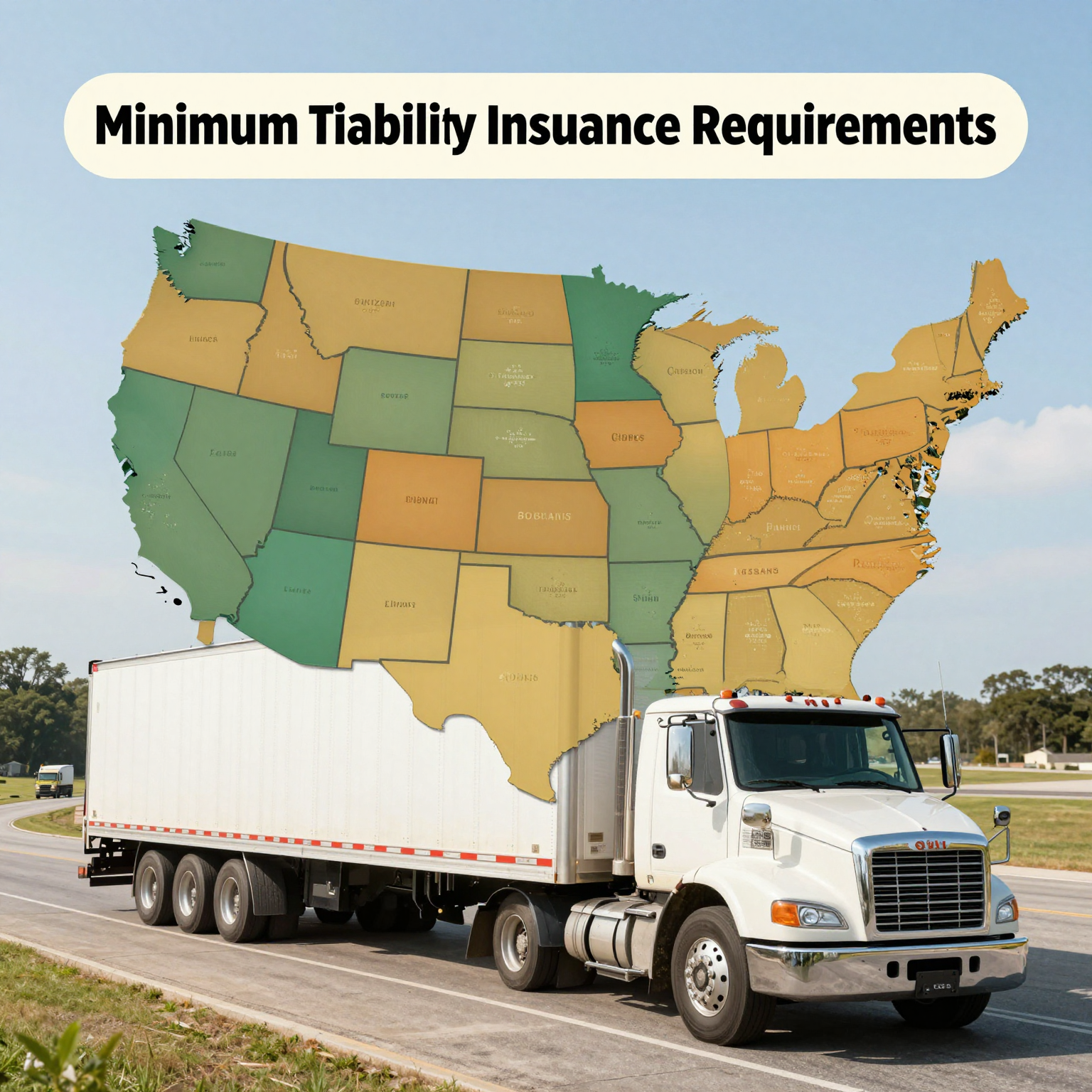
In the trucking industry, compliance with legal insurance requirements is crucial for ensuring smooth operations and protection against unforeseen incidents. The Federal Motor Carrier Safety Administration (FMCSA) mandates that commercial trucks engaged in interstate commerce maintain a minimum liability insurance of $1.5 million for general liability, with hazardous materials carriers requiring coverage of up to $5 million. These regulations apply broadly to motor carriers and freight brokers, necessitating proof of coverage during compliance inspections. Individual states may impose even stricter insurance requirements; for example, California demands $1.5 million for trucks transporting passengers or cargo within its borders, as highlighted by the National Association of Insurance Commissioners (NAIC).
In addition to federal and state mandates, trucking companies are advised to consider supplementary coverages, such as cargo insurance and physical damage insurance, which, while not always legally required, can significantly mitigate the financial risks associated with accidents or damages.
State Farm can assist in navigating this complex landscape of insurance requirements. With their comprehensive commercial truck insurance offerings, trucking companies can ensure they meet both federal and state mandates effortlessly. Additionally, State Farm provides guidance on additional coverages needed for optimal protection, helping fleet managers and truck owners maintain compliance and safeguard their operations. For further insights into insurance obligations and related trends in the trucking industry, visit our resource on navigating economic uncertainties.

When it comes to commercial truck insurance, State Farm offers numerous benefits tailored to meet the unique needs of trucking company owners and fleet managers. Here are some of the key advantages:
-
Comprehensive Coverage Options: State Farm’s commercial auto insurance provides extensive coverage for a wide range of vehicles used in business operations, protecting against accidents, theft, and property damage. This ensures that your business is financially safeguarded in critical situations.
-
Cost-Effective Policies: With choices like the Business Owners Policy (BOP), businesses can bundle essential coverages, including commercial auto insurance, which may lead to cost savings compared to purchasing separate policies. This can help business owners better manage their budget while ensuring adequate protection.
-
Customization Options: State Farm allows customization of insurance packages to fit the specific needs of your business. Whether you operate different vehicle types or require specialized coverage, State Farm can tailor policies to meet those demands.
-
Strong Liability Protection: State Farm offers additional liability limits through their Commercial Liability Umbrella Insurance, providing an extra layer of protection from significant claims or lawsuits, which can be crucial for businesses with substantial exposure.
-
Innovative Claims Processing: Though there have been mixed reviews on customer service, State Farm continues to work on streamlining their claims process, aiming to provide quicker response times and better support during claims handling.
-
Accessible Customer Support: State Farm’s extensive network means that help can be sought easily, with various service options available. Customers can choose how they wish to communicate, whether through phone, online chat, or mobile apps.
-
Proven Track Record: State Farm is one of the largest and most trusted insurers, which provides peace of mind to trucking companies knowing they are protected by a reputable provider.
For additional insights on the trucking industry and used truck sales, you can learn more about current trends in used truck sales growth.
In conclusion, choosing State Farm for commercial truck insurance offers a well-rounded mix of benefits that can significantly impact the decision-making process for trucking companies, ensuring they are protected and supported in their business operations.
“State Farm’s support team was professional and responsive, reinforcing my trust in their ability to manage critical business risks effectively.”
This testimonial showcases the reliability and trustworthiness that many clients experience with State Farm’s commercial truck insurance.
For further information about the coverage they offer, be sure to check out State Farm’s official truck insurance page.
Understanding the Claims Process
In this section, we will delve into how the claims process works for commercial truck insurance with State Farm. Understanding how claims operate not only helps trucking company owners and fleet managers to navigate their policies effectively, but also ensures that they can make informed decisions when unfortunate incidents arise. If you want to learn more about the current trends in used truck sales, click here. Furthermore, given the importance of timely claims processing in maintaining operations, an understanding of current economic market conditions is vital; explore strategies to navigate these uncertainties here.
Overview of the Claims Process for State Farm Commercial Truck Insurance
Navigating the claims process is an essential aspect of managing commercial truck insurance, and State Farm offers a comprehensive and user-friendly approach. This overview details how claims can be filed, expected timelines, and vital points of contact for support, as well as unique features that distinguish their process from competitors.
How to File a Claim
State Farm makes it straightforward for policyholders to file a claim. The options for initiating a claim include:
- Phone: Call 1-800-SFCLAIM to speak directly with a claims representative.
- Online: File a claim through the State Farm website or use the State Farm mobile app.
- Email: Reach out to your designated State Farm insurance agent.
Filing a claim involves reporting the incident, after which a claims adjuster will contact the policyholder to gather necessary details and documentation. This promotes a streamlined process and aids in efficient handling.
Estimated Timelines
The timeline for processing claims can vary based on complexity. Here’s an overview of the expected timelines:
| Claim Type | Estimated Timeline |
|---|---|
| Straightforward Incidents (e.g., minor fender benders) | 1-4 weeks |
| Moderate Complexity Cases (e.g., accidents with minor injuries) | 4-8 weeks |
| Complex Cases (e.g., major accidents with significant liability) | 8-20+ weeks |

Key Points of Contact
For assistance throughout the claims process, policyholders can connect with:
- Dedicated Claims Representative: Assigned to each claim for personalized support.
- Customer Service Line: For general inquiries and status updates.
Unique Features of State Farm’s Claims Process
State Farm not only emphasizes prompt handling but also provides continuous updates throughout the claims journey, a feature that is often highlighted as a key differentiator compared to competitors. This dedication to customer communication ensures that policyholders remain informed and supported from the time they file their claim until its resolution.
For more information on how changes in the commercial trucking landscape might affect your claims process, learn about current trends in truck sales.