Navigating the requirements of a commercial truck loan can be challenging for trucking companies, construction enterprises, and logistics firms. As the demand for operational vehicles rises, understanding how to qualify for these loans is crucial for sustained growth and efficiency. This article will guide you through the qualification process, focusing on personal eligibility, financial stability, creditworthiness, and necessary vehicle and documentation requirements. Each chapter delves into crucial aspects, enabling you to approach lenders with confidence and secure the necessary financing for your operational vehicles.
On the Road to Approval: Navigating Personal Eligibility for a Commercial Truck Loan
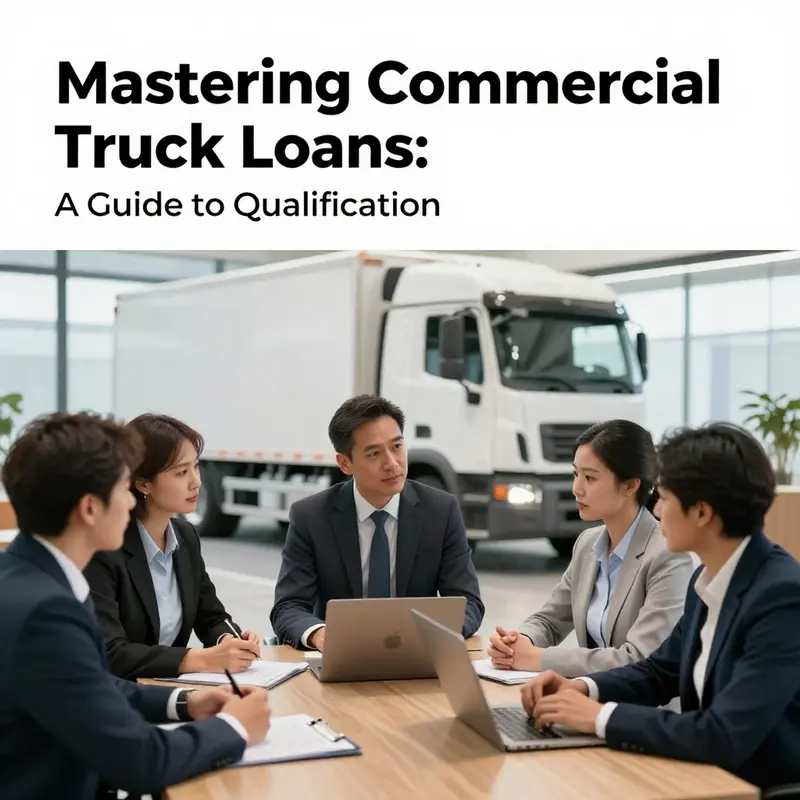
Approval for a commercial truck loan begins with you, the borrower, and the personal eligibility lenders weigh as the first gatekeeper to financing. This chapter helps you understand how personal eligibility fits into the broader qualification framework and how to build a credible profile that signals stability, responsibility, and the capacity to repay. The core idea is not just checking boxes but shaping evidence that you can responsibly service a long-term asset.
Age and legal capacity form the bare minimum. Most lenders expect applicants to be adults with full legal capacity, typically 18 or older, and many markets impose an upper limit around 60 to 65 to reflect the practical realities of long-term debt. A valid government-issued ID is essential for identity verification and credit checks. Residency matters too: lenders often prefer borrowers with established residency in the area where they operate, facilitating regulatory compliance and service access.
For foreign nationals or residents from certain jurisdictions, there may be additional steps, such as a minimum period of continuous residence, a fixed place of residence, and a clear employment narrative tied to the local labor market. A local contact person who can vouch for credibility may also be requested.
Economic steadiness anchors eligibility. Lenders examine income stability and trace earnings through documentation such as pay stubs and bank statements showing regular deposits over the prior six months. Self-employed applicants or business owners provide revenue reports, tax returns, or declarations that corroborate sustainable cash flow. The goal is to show you can absorb the loan payments along with ongoing operating costs.
Down payment expectations anchor risk. A typical minimum down payment is around 20–30 percent of the purchase price, with variations by vehicle type and lender policy. A larger down payment reduces the loan amount and signals commitment, potentially yielding better terms.
Creditworthiness is the lens lenders use to assess risk. A solid credit history and a reasonable credit score—often a threshold around 650 or higher—help open doors. A clean driving record, a valid commercial vehicle insurance commitment, and a prudent debt-to-income ratio (often around 40 percent or less) strengthen your case.
Experience in the transportation ecosystem can strengthen your profile. Prior driving roles, ownership of vehicles, or demonstrated success managing routes and compliance show the lender you understand industry realities. In some cases, a letter of intent or plan from a transportation company can reinforce the application.
Documentation for eligibility matters. Expect to assemble tax returns, bank statements, licenses, and, if applicable, a business plan that outlines how the truck will generate revenue. A signed commitment from a potential employer or client can further bolster credibility.
Practical strategies: gather income evidence early, check your credit report for errors, be realistic about the down payment and financing structure, and keep roadmaps for compliance and revenue ready. Consider a concise business plan that maps revenue streams and contingency plans to help lenders see a viable path to repayment.
Finally, compare financing options across banks, dealers, and specialized lenders. Treat eligibility as the opening chapter of your financing journey, and tailor each application to highlight factors most important to the lender’s risk assessment. A well-posed application with transparent terms improves your odds of obtaining favorable financing that supports your operations while protecting long-term financial health.
Financial Stability and Repayment Capacity: Key to Qualifying for a Commercial Truck Loan
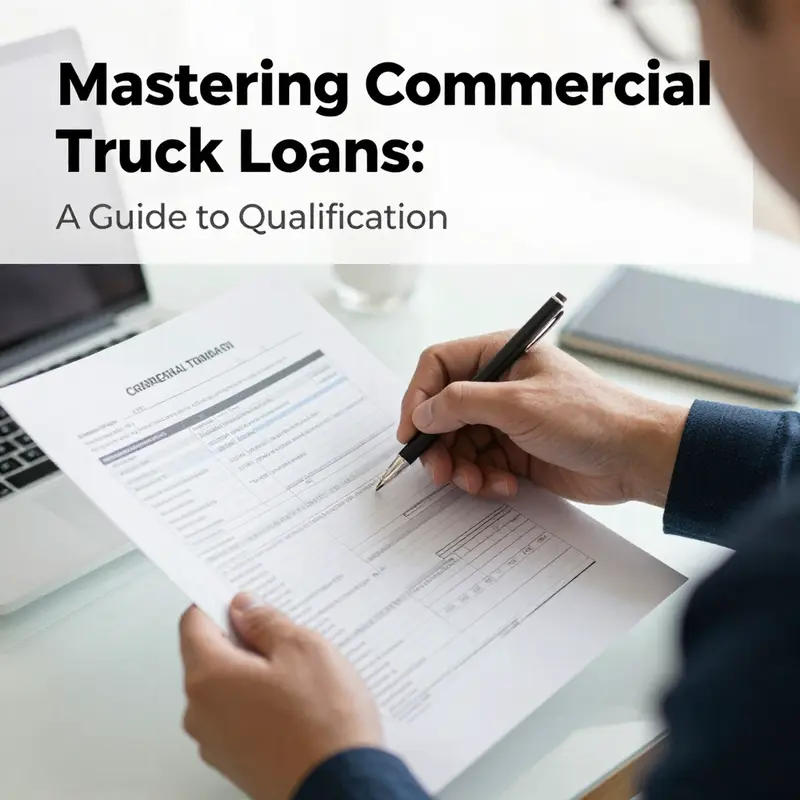
Financial stability and repayment capacity sit at the core of any credible truck loan application. Lenders do more than glance at a single paycheck or a high price tag. They build a nuanced portrait of your ability to generate steady income, manage debt, and sustain payments over the term of the loan, while keeping the business thriving in a cyclical industry. When you understand how these pieces fit together, you can shape your finances and documentation to align with lender expectations, improving your odds of approval and favorable terms. The journey from application to funding hinges on showing that your operation is stable today and capable of cashing in on tomorrow’s freight demand without delinquency.
Fundamentally, robust financial stability begins with a reliable income stream. Lenders want assurance that the trucking operation can produce predictable revenue month after month. For many operators, that means presenting a balanced mix of revenue sources such as long haul contracts, steady local runs, and contingency work to avoid overreliance on one customer or lane. The stability of income is not only about what you earn but how consistently you earn it. Pay stubs, salary slips, and bank statements showing regular deposits over the previous six months provide a clear picture of liquidity. For self employed borrowers, the burden shifts to business revenue reports and tax returns that reflect recurring profit rather than one off spikes. In practice, lenders examine year over year earnings, looking for a durable margin that can absorb the recurring costs of ownership such as fuel, maintenance, insurance, and debt service without eroding operating profit.
Debt management translates the income story into an affordability question. A key metric is the debt to income ratio, which helps quantify how much of monthly income is already committed to existing obligations. The picture grows more complex when considering freight and passenger vehicle segments, where a single late payment can cascade into higher rates or reduced available credit. Many lenders cap the number of outstanding personal commercial vehicle loans per applicant, recognizing that stacking debt can erode repayment capacity. The cash flow analysis that accompanies the loan request is not a mere formality; it is a test of whether payments will fit alongside other fixed costs such as driver wages, maintenance reserves, insurance, and incidental capital expenditures. The most persuasive presentations show not just a favorable current cash flow but a plan for consistent growth that can sustain payments through market downturns and seasonal dips.
Creditworthiness anchors the underwriting in a broader financial history. A solid credit history signals a track record of meeting financial obligations, a habit that reduces perceived risk. A clean credit report without major delinquencies, defaults, or enforcement actions communicates reliability. Lenders typically pull score data from official sources, using thresholds that influence interest rates and loan size. In many markets a strong score around 680 and above can translate into more favorable terms and a broader range of loan options. Conversely, a blemished credit history demands compensating strengths elsewhere, such as larger down payments, shorter loan tenors, or more rigorous collateral protections. Beyond the score, lenders scrutinize recent payment history, existing debt levels, and variations in cash flows that could foreshadow future difficulties. In practical terms, the better your credit profile the more leverage you hold when negotiating rates and terms.
The underwriting lens also widens to consider business viability and the quality of the operating plan. Industry experience matters because it signals the operator’s capacity to manage both revenue risk and the costs of fleet ownership. A business plan that outlines projected revenues, anticipated demand, and explicit cost structures can reveal to lenders that you have modeled the road ahead with realism. This is especially true for new entrants who may lack a long operational track record; in such cases, lenders often demand additional assurances such as contracts, letters of intent, or a signed commitment from a transportation company that will provide work. For freight and city passenger vehicles, proof of legitimate operation such as licenses, permits, and operating rights also reinforces the financial narrative by reducing regulatory risk. The combination of practical experience and a credible roadmap can transform a lender’s risk assessment from a cautionary note into a confident approval.
Documentation is the bridge between numbers and trust. A well organized dossier demonstrates not only your current financial health but your readiness to manage lenders’ administrative expectations. Tax returns for the past two to three years help verify income stability and consistency of profitability for business borrowers. Bank statements provide a window into liquidity and the ability to absorb shocks. Profit and loss statements, balance sheets, and cash flow analyses illuminate how well the business converts revenue into sustainable cash reserves. When it comes to collateral, the quality and accessibility of assets whether the truck itself with a title and lien or a real estate stake as additional security are scrutinized with equal care. For business borrowers, the combined package of business licenses, registration documents, and financial statements builds a robust case for continuous operation and the capacity to meet obligations even during market fluctuations. If you are purchasing freight or city passenger vehicles as an individual, a signed commitment letter from the transportation company that will provide contracts or referrals can substitute for some lack of formal business documentation, bridging the gap between personal finances and the operational reality.
The trajectory from application to approval is also shaped by the specific terms attached to the loan. In many markets loans for commercial vehicles allow a maximum financing share around 70 percent of the vehicle price, with more restrictive caps such as 60 percent applied to freight or construction machinery. The loan tenor typically spans up to three years, though freight vehicles may carry shorter terms to reflect higher depreciation or greater risk of use related wear. Interest rates align with central bank benchmarks and adjust upward with risk profile, so a stronger financial footing can lock in more favorable pricing. The payment schedule will be set against existing cash flows, and lenders often require you to establish a settlement account with the lending institution to streamline disbursement and repayments. Taken together these terms underscore a simple truth the stronger your financial stability and repayment capacity the more you control the structure of your loan.
To strengthen your position you can craft a proactive financial narrative. Start with a meticulous inventory of income sources and a conservative projection of future earnings. Show how you will maintain or grow cash reserves to withstand disruptions like fuel price spikes maintenance surprises or regulatory changes. Build a credible debt plan that demonstrates capacity to absorb additional obligations without compromising core operations. Maintain a clean credit history by staying current on all obligations even small ones, and avoid new nonessential debt in the months leading up to an application. Keep detailed records of all financial statements, tax filings, and business metrics because lenders will validate every line item against real world performance. Demonstrating industry knowledge and a practical plan for profitability is not merely persuasive it signals to lenders that you have the behavioral traits associated with long term loan stewardship.
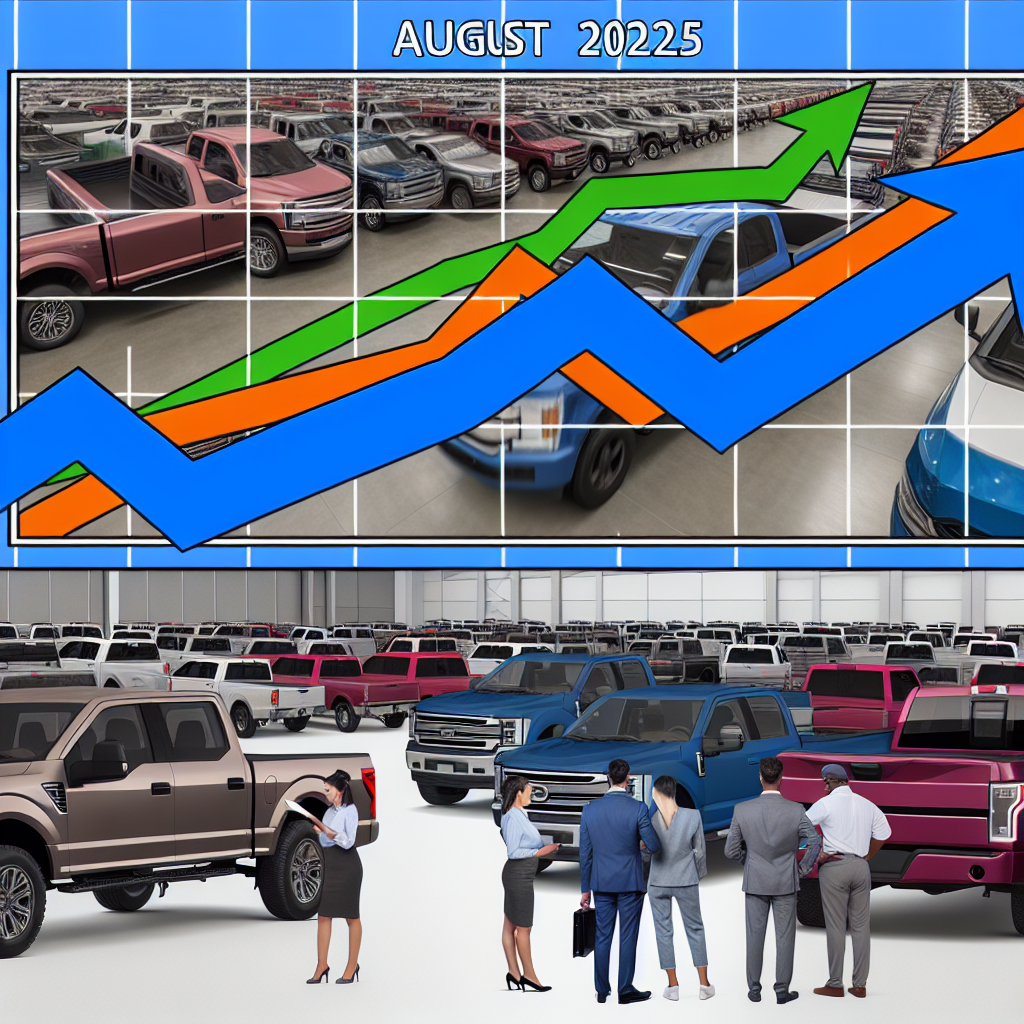
There is value in anchoring your plan to market realities. The health of the used truck market, for instance, can impact how lenders view depreciation risk and resale value a factor that may inform collateral valuation and loan sizing. You can stay ahead by tapping into current industry insights and market trends, including the latest shifts in demand, pricing, and fleet utilization. A practical way to stay informed is to consult reputable market analyses and trend reports, which can inform your projections and reassure lenders that your business strategy is grounded in current conditions. For readers who want to see how market momentum translates into operational planning, a concise overview of current trends in used truck sales growth provides actionable context for forecasting revenue and capital needs. This perspective helps ensure your cash flow models are not only technically correct but resonant with the real world environment in which your fleet operates.
As you assemble and refine the package that accompanies your loan request remember that the goal is not to hide risk but to illuminate it responsibly and to show how you will manage it. Lenders appreciate frank discussions about volatility and contingency plans that demonstrate disciplined stewardship. A well prepared application looks beyond a single favorable metric and builds a coherent story that connects income stability, prudent debt management, solid credit behavior, credible operational plans, and robust documentation. When these elements come together the loan proposal becomes more than a transaction it becomes a credible bankable plan for sustaining a fleet that can meet customer demand while delivering a dependable return on investment.
In practical terms you can begin today by organizing the essential documents lining up your inbound revenue forecasts and identifying potential collateral arrangements. If you are a business owner coordinate with your bookkeeper or accountant to extract clean audit ready financial statements that reflect the true performance of the business. If you are purchasing a vehicle for a self run operation secure a letter of support from the transportation company that will provide contracts or referrals. Deliberate planning now reduces friction later helping you move through underwriting efficiently and with confidence. The result is not merely a loan approval but a financing arrangement that respects your operational realities and positions you for sustainable growth.
To complete the broader picture of qualification remember the broader literature on commercial truck financing emphasizes a holistic view of stability and capacity. The aim is to present a disciplined evidence based case that you can meet debt obligations in good times and bad that your credit remains reliable and that the vehicle will be a productive asset within a cash flow positive business model. By aligning your personal and business finances with the expectations of lenders you increase not only your chances of approval but also your ability to negotiate terms that support long term profitability. In the ongoing evolution of trucking finance preparation remains a powerful differentiator one that helps you turn a significant capital investment into a durable operational advantage.
For readers seeking further practical guidance on how to qualify and optimize loan terms you can consult external resources that distill the core financial principles into accessible guidance. A respected source offers in depth guidance on the requirements and best practices for commercial truck financing including steps to prepare and common pitfalls to avoid. This external reference can complement the detailed criteria discussed here and help you translate theory into a concrete action plan https://www.bankrate.com/loans/commercial-truck-loan-requirements/.
Creditworthiness as the Bridge to Truck Financing: Reading Your Ledger Before You Sign
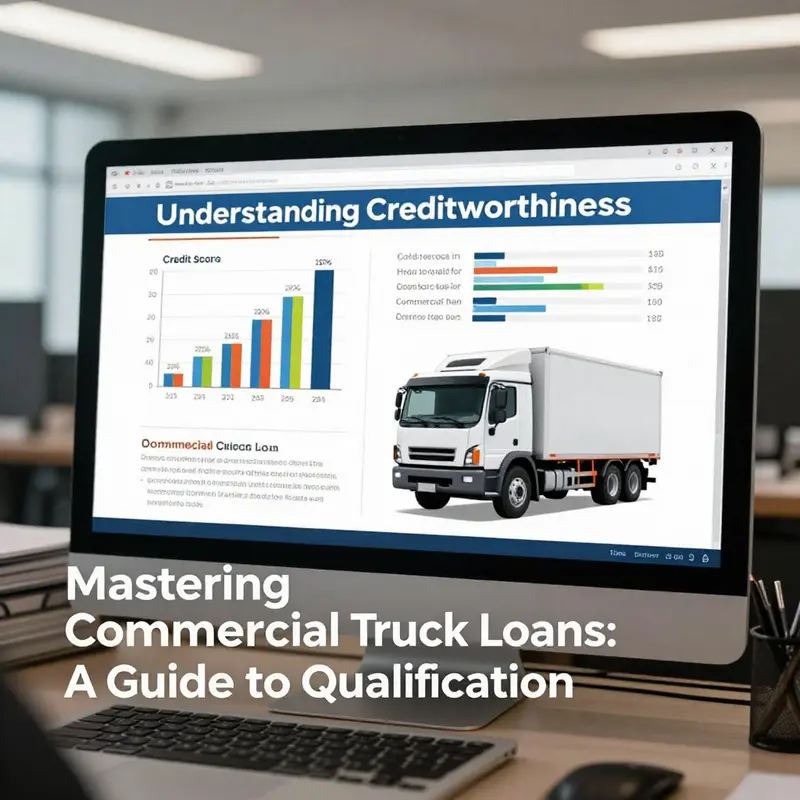
Creditworthiness is the quiet gatekeeper of commercial truck financing. It is not the vehicle or the down payment alone, nor the brand of the lender, that determines whether a loan will come together smoothly. It is the borrower’s financial story—the way past obligations have been managed, the cadence of payments, and the texture of credit history—that shapes the terms you are offered and the likelihood of approval. For many buyers, trucks are essential capital. They must be deployed quickly to keep fleets rolling, deliver on contracts, and seize new opportunities. That urgency can tempt decisions that overlook the longer arc of financial behavior. Yet the most reliable route to favorable terms—lower interest rates, larger loan amounts, and flexible repayment schedules—begins not with the truck you plan to buy but with the credit you have built and maintained over time. Understanding creditworthiness is, therefore, a strategic move as important as selecting the right make, model, or payload. It is the bridge that connects a business’s operational realities to the bank’s risk appetite, turning a hopeful application into a funded one when the numbers align with reality rather than speculation.
Creditworthiness is a composite picture. Lenders look at two layers: the personal side and the business side, especially when the borrower is a small operator or a new fleet owner. Even in larger operations, the personal credit profile of owners or key guarantors often travels with the application. The core idea is simple: past behavior is the best predictor of future performance. If a borrower has a history of steady income, timely payments, and prudent debt management, the lender reads that history as a signal of reliability in meeting monthly obligations tied to a sizable loan. Conversely, signs of strain—missed payments, high credit utilization, or a pattern of new and unsettled debt—signal risk that can raise rates, shrink loan size, or slow the approval process. This dynamic is not about punishment for past missteps; it is a risk management calculation that aligns the borrower’s capacity with the loan’s repayment schedule and the vehicle’s expected revenue-generating potential.
The most immediate way lenders measure creditworthiness is through credit reports. For business borrowers, these reports come from specialized business credit bureaus as well as consumer-style credit histories that may follow owners or guarantors. A robust report documents timely pay-down of obligations, the consistency of revenue streams, and the absence of delinquencies or collections that could complicate cash flow. The power of this document lies in its clarity: it paints a narrative of reliability. When the report shows a clean payment history and manageable debt levels, lenders gain confidence not only in the borrower’s current liquidity but in the discipline that will govern the new loan’s repayments. It is common to see lenders cross-reference multiple sources—Dun & Bradstreet, Experian, and Equifax, among others—to assemble a comprehensive view. The cross-checking helps confirm that the business’s story is not the result of one favorable line of credit or a temporary blip in cash flow.
Equally important is the ongoing management of debt. Creditworthiness improves as a borrower demonstrates a pattern of paying down existing obligations and avoiding new high-interest commitments that would crowd monthly cash flow. A practical target many lenders favor is maintaining a credit utilization ratio well below the commonly cited 30 percent threshold. In business terms, this means the company is not maxing out its revolving lines or juggling multiple high-balance accounts. Keeping utilization low signals that new debt is manageable relative to the business’s earnings and assets. It also helps ensure there is a cushion if revenue dips due to seasonality, fuel price volatility, or market slowdowns. Making payments on or before due dates matters just as much as the amount paid. A history of punctual payments establishes a track record that strengthens a lender’s confidence that future payments will land on time as well.
Credit history length matters because lenders prefer a longer runway on which to gauge behavior. A business with a multi-year history of financing activity—whether through lines of credit, equipment loans, or supplier finance—offers a clearer picture of how the company responds to debt and the kinds of financial commitments it can sustain. Shorter histories are not disqualifying, but they tend to invite closer scrutiny of other indicators, like revenue stability, asset quality, and the owner’s personal credit signal. This is why many seasoned operators emphasize building credit gradually: establish the cadence of successful draws and repayments, even if the initial loan amounts are modest. A patient approach to credit construction often yields better terms when larger financing needs arise for heavy equipment, expanded fleets, or fleet modernization.
In practice, readers can translate these concepts into actionable steps. Start with a thorough review of both personal and business credit reports. Look for inaccuracies, such as misapplied payments, outdated addresses, or closed accounts still reflecting balances. Disputing errors promptly can restore clarity and prevent downstream pricing penalties. Consistent, on-time payments across all reporting accounts should be the baseline habit. If cash flow constraints exist, consider restructuring debt to lower monthly obligations or smoothing payment dates to align with peak revenue cycles. The goal is to show lenders that the business’s financial obligations are well within reach given current earnings and forecasted demand for transport services.
Another practical lever is the deliberate management of credit mix. A diversified credit profile—combining operating lines, term loans, and perhaps supplier financing—can demonstrate the ability to handle different forms of credit responsibly. Lenders do not demand complexity for its own sake, but they value the evidence that a business can navigate varying repayment structures while maintaining liquidity. In this sense, creditworthiness is not a static snapshot; it is an evolving portrait built through deliberate financial choices and disciplined stewardship of money in motion. For new entrants, the emphasis should be on establishing a stable revenue stream and a credible plan for how loan proceeds will generate return. A well-supported business plan that ties the truck purchase to specific revenue growth, utilization rates, or contract pipelines can illuminate the risk-reward balance in the lender’s eyes.
Beyond the numbers, there is a narrative to tell. The best applications weave together financial discipline with clear operational plans. They show how the truck acquisition will increase payload capacity, reduce downtime, or expand service areas in ways that predictably improve cash flow. They also acknowledge the risks: fuel volatility, regulatory changes, or competitive pressure. The strongest applications do not pretend risk does not exist; they quantify it and show how the business will absorb it. This honesty matters because lenders must evaluate not only what the business owes today but what it can responsibly take on tomorrow. When a borrower presents a coherent story backed by solid numbers, the bank does not just see a loan request; it sees a policy for sustainable growth.
In the same spirit, some readers may find it useful to connect with industry signals that accompany the credit picture. For instance, industry trends in the used-truck market can influence financing decisions, because wholesale and resale values affect collateral depreciation and residual risk. A sentence worth circling is that current trends in used truck sales growth can inform how a lender views the collateral side of the loan and the overall risk profile. Current trends in used truck sales growth are not a substitute for robust financial records, but they can shape expectations around resale value, maintenance history, and demand for capacity entering the term of the loan. The point is not to chase market chatter but to anchor your application in credible indicators that can be referenced in a credit discussion, making your story more concrete rather than speculative.
No discussion of creditworthiness is complete without acknowledging the role of accurate documentation. Lenders rely on a clear, well-organized presentation of financials, including tax returns or declarations, bank statements showing consistent deposits, and a transparent outline of any existing debts and their terms. The better the documentation, the less time a lender spends reconciling numbers or requesting supplementary materials. This is especially true for borrowers who operate fleets or own multiple assets. In those cases, a concise corporate structure, current registration certificates, and a clean legal standing become essential to verify ongoing legitimacy and the ability to meet obligations. Documentation—like a well-prepared set of financial statements, a strong business license, and evidence of operating rights—serves not only as proof of capacity but as an indicator of organizational health that supports long-term loan performance.
The integration of creditworthiness with other loan criteria is where the real decision happens. A strong credit profile enhances the value of a robust down payment, strengthens collateral proposals, and can harmonize with favorable terms in interest rates and amortization. Conversely, a weaker credit posture may necessitate higher down payments, tighter terms, or even a pause in financing until the borrower demonstrates improved credit behavior. This interconnectedness underscores the need for a holistic approach to preparing for a loan application. Review your personal and business credit, gather the most current financials, and align your cash flow plans with the loan structure you intend to pursue. If possible, stage your financing needs so that you can present a coherent, credible timeline to lenders. In doing so, you are not merely meeting minimum requirements; you are shaping a disciplined financing narrative that aligns lender expectations with the operational realities of your trucking enterprise.
Finally, remember that gaining the most favorable terms is as much about timing as it is about metrics. Market conditions, the lender’s appetite for risk, and the portfolio mix of existing borrowers all shift over time. A borrower who positions themselves with a ready-to-present credit story during a period of stable rates and healthy demand stands a better chance of obtaining a larger loan with attractive terms. The reverse is also true: in tighter credit environments, the same borrower may face higher scrutiny, stricter covenants, or the need for more substantial equity to secure financing. The prudent path, therefore, is proactive preparation. Build and monitor your credit profile, maintain up-to-date financials, and be ready to illustrate how the truck purchase fits within a sustainable growth plan. In practice this means setting a timeline that allows you to bolster your credit posture before you apply, rather than rushing to close a deal when it might not be ideal.
For readers seeking broader guidance on financing strategy, widely used resources exist to illuminate the underlying principles of loan qualification. While the specifics can vary by jurisdiction and lender, the fundamental logic remains consistent: credible credit history, disciplined debt management, and a clear demonstration of how borrowed capital will generate revenue. When you present a balanced, well-documented case, you improve your odds of securing financing that supports your business’s operational goals and long-term stability. External resources offer foundational understanding and can help you frame questions for lenders, assess risk, and build a credible plan before sitting down to sign documents. As you prepare, it is worth keeping a forward view of your credit trajectory, a realistic forecast of fleet utilization, and a transparent, data-backed story of growth that aligns with the realities of the trucking market.
External resource: https://www.sba.gov/funding-programs/loans
Document Gateways and Vehicle Readiness: The Bedrock of Qualifying for a Commercial Truck Loan
Qualifying for a commercial truck loan rests on two interdependent pillars: the documents that prove who you are and where you live, and the vehicle that you intend to buy. Together they form the lender’s view of risk and collateral. The document side establishes identity, residency, income, and business legitimacy, while the vehicle side demonstrates value, insurability, and operability. When both parts align, approval is smoother and terms are more favorable.
On the document front, lenders require verifiable identity and proof of address. Government-issued ID and a proof of residence such as utility bills or a lease are typical. If you operate through a business, you may need corporate documents showing legal status, tax IDs, and financial statements. For employees who work for a company, a letter of employment or contract may be requested. The goal is to prove you are identifiable, reachable, and responsible.
Steady income and financial stability follow. Provide pay stubs, bank statements showing regular deposits, or business revenue documentation for self-employed applicants. A common expectation is a down payment of about 30 percent of the vehicle price, with loan caps sometimes around 60-70 percent depending on asset type. Strong income and a meaningful down payment improve debt service coverage and loan pricing.
Creditworthiness, insurance, and the vehicle itself complete the picture. Lenders check credit history and often obtain a formal report. A robust insurance package covering liability, cargo, and collision is typically required, with the lender named as loss payee in many cases. The vehicle should be suitable for business use, titled to the borrower or the business entity, and free of liens. Clean vehicle history reduces the risk of unexpected costs.
In practice, assemble a complete document bundle and ensure the chosen vehicle meets the lender’s criteria: new or near-new, appropriate for business needs, and legally encumbered only by an agreed security arrangement. Think ahead about lien perfection and the documentation the lender will require to place and enforce a lien. A coherent, well-supported package improves the odds of approval and favorable terms.
Final thoughts
In summary, qualifying for a commercial truck loan involves understanding personal eligibility, demonstrating financial stability, establishing creditworthiness, and meeting specific vehicle and documentation requirements. Each of these elements is integral to impressing lenders and securing the necessary funding for your business operations. By preparing thoroughly, trucking company owners, fleet managers, construction procurement teams, and logistics firms can position themselves advantageously in the financing landscape.