
In the dynamic world of trucking, construction, and logistics, understanding the value of a commercial truck is not just beneficial-it’s essential. This knowledge serves as a pivotal factor in making informed investment decisions, thereby optimizing operational efficiency. Owners and fleet managers face the daily challenge of balancing costs, maintaining equipment, and planning for future needs. Knowing the precise value of their assets allows these professionals to negotiate better when purchasing new vehicles, determine appropriate insurance coverage, and strategically plan equipment upgrades or replacements. Additionally, with fluctuating market trends, such as the current insights on used truck sales trends and pricing stability, it’s vital to stay updated on valuation processes that impact financing and resale strategies. Whether you’re leading a construction team or navigating logistics challenges, understanding truck valuation empowers your business to thrive in a competitive landscape, ensuring that every dollar spent is an investment in success.
Factors Affecting the Value of a Commercial Truck
Understanding the valuation of a commercial truck is critical for truck owners and fleet managers. Several key factors significantly impact the market value, including:
- Make and Model: Brand reputation influences resale value, with reliable brands maintaining higher prices. Trucks from manufacturers like Mercedes-Benz and Volvo are often in higher demand due to their reputation and service networks.
- Age: Newer models typically fetch higher prices, while older trucks may depreciate due to factors like outdated technology or emissions regulations.
- Mileage: Lower mileage often results in higher values, reflecting less wear and tear. Well-maintained trucks that have been driven fewer miles command a premium.
- Condition: The overall physical and mechanical condition of the truck, including its maintenance history, can greatly affect value. Trucks with a documented service history and no major repairs will generally sell for more.
- Market Demand: Prices fluctuate based on supply and demand dynamics, influenced by peak logistics seasons.
For more insights on current trends in truck sales, you can learn more about used truck prices stability and current trends in used truck sales growth.
| Truck Model | Average Resale Value (2023) | Average Resale Percentage of New Price |
|---|---|---|
| Freightliner Cascadia | $165,000 | 52% |
| Peterbilt 579 | $172,000 | 54% |
| Kenworth T680 | $168,000 | 53% |
| Volvo VNL | $166,000 | 52% |
| International LT Series | $145,000 | 48% |
Data sourced from 2023 truck resale value reports by Trucks.com, Heavy Equipment Trader, and the National Truck Dealers Association (NTDA). Resale values reflect average prices for trucks with typical mileage (60,000-80,000 miles) and good condition. Resale percentages are calculated based on manufacturer’s suggested retail price (MSRP) at new purchase.
For more insights into the current trends in used truck sales, check our article on current trends in used truck sales growth.
Conducting a Market Analysis for Truck Valuation
Valuing commercial trucks accurately requires a comprehensive market analysis. This process not only helps in determining appropriate pricing but also assists in understanding the broader trends impacting the trucking industry. Here’s how to effectively conduct a market analysis for truck valuation:
1. Identify Pricing Data Sources
To initiate your analysis, it is pivotal to gather reliable pricing data. Here are some recommended sources:
- Online Platforms: Websites like NADA Guides and the Black Book offer robust databases of market values based on model, age, condition, and mileage of trucks.
- Auction Results: Auctions can provide real-time pricing information. Attend auction events or access results from platforms such as eBay Motors or specialized truck auctions, which often reflect current market demand.
- Industry Reports: Utilize comprehensive reports from industry associations like the American Trucking Associations or market insight reports that detail trends in used truck sales and pricing stability (learn more about recent trends).
2. Leverage Multi-Dimensional Analysis
Effective market analysis should include a multifaceted approach:
- Comparative Pricing: Analyze similar trucks in your geographical area. Consider key variables like age, service history, and current demand. You might also look into cross-referencing prices with models from other markets to gain a broader perspective.
- Market Trends: Stay informed on macroeconomic factors, policy changes, and technological advancements affecting the trucking industry. For instance, consider how tariffs on heavy trucks or emissions standards could influence pricing and demand.
3. Utilize Analytical Tools and Resources
Employ analytical models such as:
- Depreciation Models: Understanding how the value of vehicles depreciates over time (e.g., the “54321 method” based on mileage) can provide insights into potential future valuations.
- Sales Trend Analytics: Regularly review sales reports and trends specific to commercial trucks, including average sale prices and seasonal fluctuations. Look for databases that consolidate these statistics for continuous updates and insights.
4. Conduct Field Research
Sometimes, firsthand inspections are crucial. Look to verify the condition of trucks against their market projections. Ensure that maintenance records are comprehensive and inspect mechanical integrity and wear-and-tear features.
Conclusion
By employing a combination of comprehensive data sources, analytical techniques, and real-world evaluations, you can effectively conduct a market analysis that enhances the accuracy of your commercial truck valuations. Remember, the goal is not only to price a truck but to understand its place within the larger market context.

Expert Opinions on Commercial Truck Value Assessment
Assessing the value of commercial trucks is critical for owners and fleet managers. Various experts have outlined effective methods for ensuring accurate valuations:
According to industry experts at Truck Paper, a comprehensive approach is essential:
“A thorough physical inspection is critical-examine the chassis for rust, check engine performance, verify transmission smoothness, and inspect interior condition. Maintenance records significantly increase value, proving consistent care.”
They recommend utilizing trusted valuation tools such as Car300 and GuGuChe for preliminary estimates, but emphasize the need for physical inspection to understand the market dynamics affecting certain models and regions.
A study published in the Journal of Transportation Economics & Management identifies five core appraisal methods:
“The most accurate is the ‘Income Approach’, which calculates present value based on projected net cash flows from the vehicle’s use-a favored method by fleet operators and lenders.”
Additionally, McKinsey & Company highlights the impact of technology on truck valuation:
“AI-powered platforms can reduce appraisal errors by up to 40% compared to traditional methods, integrating intangible metrics like a truck’s reputation score and compliance status with emission standards.”
Following these expert guidelines can greatly assist in making informed purchasing decisions and avoiding potential overpayment.
Cost Implications of Undervaluing Truck Value
Underestimating the value of a commercial truck can lead to significant financial repercussions for trucking companies, fleet managers, and procurement teams. The assessment of a truck’s value is critical in both procurement and resale scenarios. Inaccurate evaluations can result in poor decision-making that may impact a company’s bottom line and operational efficiency.
Risks Associated with Underestimating Truck Value
- Poor Procurement Choices: Undervaluing trucks may incentivize businesses to opt for lower-quality components or models, believing they are saving costs. This can lead to increased operational costs over time, including higher frequency of repairs and unplanned downtime.
- A study shows that suboptimal procurement decisions can lead to a 40% increase in total cost of ownership (TCO) within five years due to poor part selection and maintenance neglect.
- Resale Value Depreciation: Trucks fitted with low-cost, non-genuine parts often lead to depreciation in resale value. Estimates suggest that such decisions can reduce resale value by 15-25%, severely impacting the financial return from asset liquidation.
- Vehicles using counterfeit or substandard parts risk not only lower market value but also potential legal liabilities and recalls.
-
Increased Operating Costs: Neglecting the long-term savings associated with efficient technologies can compound costs over time. For instance, trucks that do not leverage fuel-efficient technologies may incur 8-12% higher fuel costs annually, leading to total fuel cost losses of up to 60% over five years.
-
Maintenance Deferral: Delaying essential maintenance prompted by an undervaluation mindset accelerates wear and tear on vehicles, potentially resulting in emergency repairs and significant downtime.
- The estimated lifecycle maintenance costs can increase by 35%, with residual values decreasing by 50% by the end of the truck’s operational life due to these neglected duties.
Conclusion
In summary, the cost implications of undervaluing a truck are substantial. Businesses cannot afford to overlook the significance of accurate assessments in both their procurement and resale efforts. Investing time in thorough evaluations and selecting high-quality components is crucial for maintaining operational efficiency and safeguarding financial investments in the long run.
To learn more about the effects of undervaluing trucks, explore current trends in used truck sales or the stability of used truck prices.
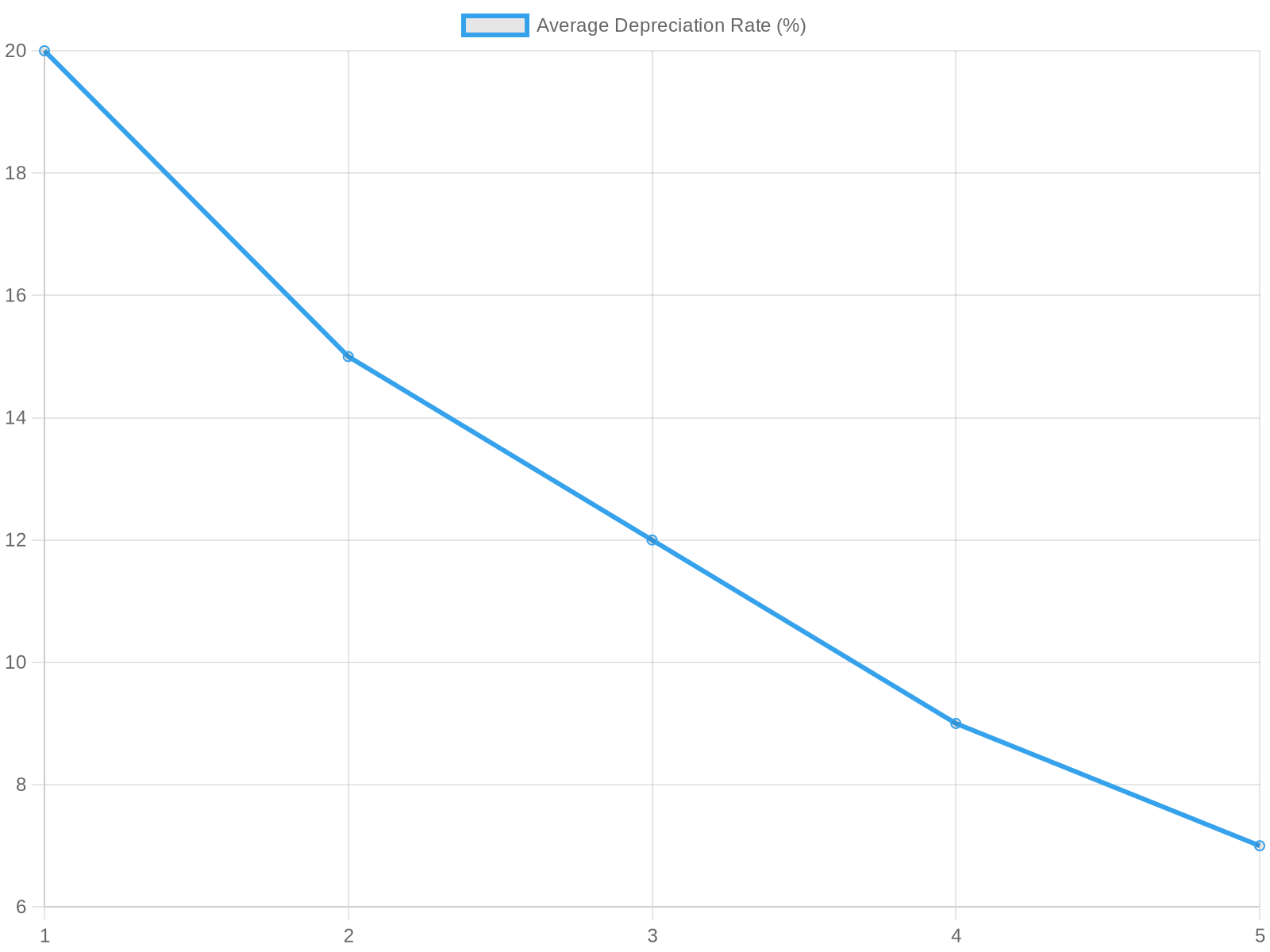
| Year | Average Depreciation Rate (%) |
|---|---|
| 1 | 20 |
| 2 | 15 |
| 3 | 12 |
| 4 | 9 |
| 5 | 7 |
Data source: Industry-standard depreciation trends for commercial trucks (based on industry benchmarks and fleet management reports, 2026).
Conclusion
In conclusion, accurate truck valuations are paramount for trucking company owners, fleet managers, and procurement teams aiming to make informed purchasing decisions and optimize operational efficiency. Understanding the true market value of a truck facilitates better financial planning and risk management, reducing the likelihood of costly surprises during and after acquisitions. A precise valuation enables operators to identify vehicles that not only meet operational needs but also provide sustainable cost efficiencies over time, especially in an environment influenced by fluctuating markets and evolving technological standards.
In the landscape of commercial trucking, where factors such as fuel efficiency, emissions compliance, and advanced telematics significantly impact valuation, the importance of accurate appraisals cannot be overstated. Failing to conduct thorough evaluations can lead businesses to overpay for assets that may have hidden mechanical issues or depreciation risks, ultimately affecting productivity and bottom lines. By understanding and utilizing reliable valuation data, companies can make smarter decisions regarding fleet composition, potential replacements, and long-term asset management strategies.
For fleet owners and procurement teams seeking to enhance their strategic assets, ensuring accurate truck valuations is essential. This is where Summit Fairings stands out as a trusted partner in the field. By leveraging their expertise in evaluating truck values, companies can improve their acquisition processes and foster sustainable growth in the trucking sector, driving further success in an increasingly competitive market.
Upgrade Your Truck with Summit Fairings
If you’re looking to enhance the aesthetics and performance of your trucking fleet, consider exploring the premium custom-fit fairings available at Summit Fairings. Designed with style and durability in mind, these fairings are made from high-quality materials such as impact-resistant ABS plastic and carbon fiber composites. Not only do they provide a sleek, factory-finished look, but they also improve aerodynamics, which can lead to reduced fuel consumption and enhanced handling. The perfect alignment with your vehicle’s bodywork ensures that there are no gaps, adding to both the visual appeal and structural integrity.
Customers report significant improvements in their truck’s airflow management, resulting in lower wind noise during highway travel and better driving stability. With Summit Fairings, you’re not just investing in style; you’re also opting for a product that stands the test of time, ensuring that your fleet remains operational and efficient even under challenging conditions. Don’t miss the opportunity to elevate your fleet’s performance-explore what Summit Fairings has to offer today!