
In today’s competitive environment, trucking company owners, construction and mining enterprise procurement teams, and logistics firms require robust, secure truck accessories to enhance efficiency and safety in their operations. The A.R.E. Deluxe Commercial Unit (DCU) truck cap stands out as a premier solution, engineered for both durability and functionality. In this comprehensive exploration, we will examine the specifications of the DCU truck cap, the unique features and benefits it offers, a thorough performance analysis, insights from user feedback, and best practices for selection. By the end of this article, professionals will be equipped with valuable knowledge to make informed decisions for their vehicle fleet needs.
Engineering the Deluxe Commercial Unit Cap: Performance, Security, and Fleet-Ready Design
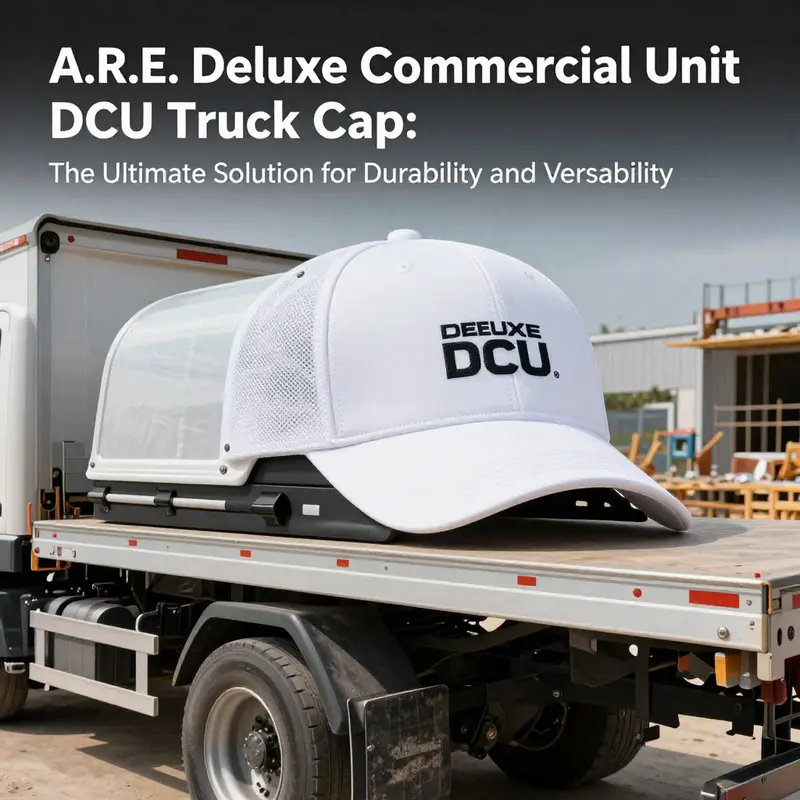
On the worksite and in transit, a premium cap is more than a weatherproof lid. It is an integrated extension of the truck that translates long hours on the road into tangible gains in efficiency, security, and uptime. The design philosophy behind a deluxe commercial unit cap centers on harmony with the vehicle’s architecture while offering rugged reliability for daily use. In practice, this means choosing materials and structures that balance light weight with strength, so the cap remains manageable for the driver and doesn’t unduly tax fuel economy or handling. A common approach employs weather‑resistant composites that can withstand sun, rain, and road grit without cracking or warping. These materials can be formed into sleek silhouettes that preserve aerodynamics, yet they still provide ample interior volume for tools, parts, or inventory. For fleets that carry sensitive gear or electronics, every cubic inch of interior space can be optimized with thoughtful layouts that keep items secure and readily accessible, reducing time spent rummaging through a cluttered cargo area and speeding up daily routines.
The seamless integration with the truck’s existing structure is not merely about aesthetics. It matters for structural integrity under vibration, wind, and uneven terrain. The upper shell and frame are engineered to align with the truck’s rails and bed dimensions, with mounting hardware that distributes stress evenly rather than concentrating it at a few points. This approach helps maintain a quiet ride at highway speeds and minimizes rattles that can wear on fixtures, seals, and fasteners over time. The interior is designed to accommodate a wide range of equipment, from heavy tool boxes to modular inventory systems. In many configurations, the cap can be paired with a secure, lockable storage option—an integrated vault that provides rapid access while safeguarding valuable gear from theft. This combination of accessible workspace and secure storage is particularly valuable for contractors and service fleets that rotate between job sites.
Recent design iterations emphasize reliability in challenging environments. The cap’s seal systems play a central role in keeping moisture out while preserving interior dryness. Dense gaskets and compression seals around doors and any view or vent openings create a watertight barrier that remains effective even in heavy rain and driving spray. This is essential for protecting tools, batteries, and electronics that could suffer from condensation or water intrusion. To manage moisture further, the ventilation strategy is carefully tuned to promote airflow without letting heat or dust infiltrate the cab. Small, strategically placed vents help equalize pressure and vent warm air that would otherwise condense on metal surfaces, while filters reduce dust ingress. The goal is not to create a drafty interior but to maintain a stable microclimate inside the cargo area, which extends the life of equipment and preserves the quality of stored items.
From a security standpoint, the deluxe cap is built to deter opportunistic access while remaining user-friendly for daily operations. Locking mechanisms on doors and access points are reinforced to resist prying attempts, and interior hardware is chosen for durability under rough handling. In addition to physical security, the interior layout often accommodates modular organizers that enable quick, organized access to tools and parts. This kind of organization reduces the need to leave expensive gear unsecured or exposed during a job rotation. In operational terms, the cap becomes a living part of the fleet’s security posture, contributing to lower loss rates and faster job site turnover. For fleets that need extra peace of mind, a dedicated, lockable storage compartment—sometimes marketed as a vault option—can be integrated to provide a second line of defense for high-value items.
The aerodynamic considerations of a curb-weight-conscious design also ripple into fuel efficiency and cabin noise. When the cap is sculpted to minimize drag, it helps the vehicle cut through wind with less resistance. That translates into tangible gains at highway speeds, especially on long-haul routes where small improvements compound over thousands of miles. At the same time, attention to fit and seal reduces wind noise, contributing to a calmer workspace for the driver. These acoustic benefits matter beyond comfort; they support safer communication, less fatigue, and more precise focus during demanding drives. The practical payoff is a more productive vehicle that operators are more likely to maintain and rely upon for back-to-back jobs.
Of course, every design choice carries trade-offs. Weight is a perennial consideration for any cap engineered for commercial use. While modern composites and lightweight metals deliver strength for rugged service, they do add mass. For fleets, this means weighing the benefits of added payload protection against potential impacts on acceleration, braking, and sensor calibration. In some cases, vehicle systems—such as proximity sensors or parking aids—may require recalibration to account for altered geometries. Fleet managers who plan replacements or upgrades should factor these considerations into total-cost-of-ownership calculations, balancing upfront investments in a durable shell with longer service life and reduced replacement cycles.
From a practical perspective, installation and compatibility are central to the value proposition of a deluxe cap. The best-grade designs are engineered to install with minimal drilling or permanent alteration to the truck’s structure, employing standardized mounting patterns and modular components that can be adapted to a variety of makes and bed lengths. This adaptability is key for fleets that operate mixed-models or frequently switch between vehicles. In addition, the interior can be configured to support owner-operator needs as well as larger fleets. For someone transporting a rotating toolbox, spare tires, and inventory, a cap that supports a flexible interior arrangement can save time and reduce the number of separate storage solutions required. The practical effect is a reduction in the number of loose parts on a job site, a lower risk of damage, and smoother handoffs when crew turnover occurs.
For readers seeking deeper specifics, the most informative resources will outline precise dimensions, weight capacities, material composition, mounting options, and model compatibility. These specifications are essential for ensuring the cap fits the chosen truck and meets the intended load profile. While the general principles described here apply broadly, the exact numbers matter when planning a fleet upgrade or new procurement. As part of this broader narrative, fleets are encouraged to consult dedicated specification sheets and installation guides to confirm fit and performance expectations for their particular vehicle configuration. Additionally, for those exploring the purchasing pathway, practical guidance on how to approach buying and selling trucks and campers can be helpful to shape a smarter procurement strategy, including budgeting, lifecycle planning, and risk assessment. See a detailed guide on efficient buying and selling here: buy-sell-trucks-campers-efficiently.
Beyond the hardware, the deluxe cap concept aligns with the broader arc of fleet optimization. A cap is not a standalone accessory but a strategic asset that intersects with vehicle acquisition, maintenance planning, and on-site workflow management. When fleets evaluate new or replacement caps, they weigh not only the initial price tag but also the downstream benefits: reduced time spent loading and unloading, improved protection for tools and inventory, lower insurance exposure through enhanced security, and better weather resilience for sensitive equipment. The annualized operational gains from such features can surpass the cost differential over the life of the cap, especially in sectors where weather exposure or remote job sites are the norm. Operators may also consider how the cap integrates with other cargo solutions, such as lockable vaults, modular shelving, and weather seals that further target condensation and corrosion risks. The end result is a cohesive system that preserves cargo integrity while enabling faster job turnover and more predictable scheduling across a fleet.
As the industry moves toward more data-driven maintenance and smarter asset management, the role of the cap in a larger equipment ecosystem becomes more pronounced. Regular inspection of seals, hinges, and mounting hardware should be part of a routine maintenance cycle. Simple steps—checking gasket integrity, ensuring drainage paths remain clear, and testing locks—can prevent small issues from escalating into costly downtime. In the longer view, the cap’s ongoing performance depends on deliberate care, appropriate use, and alignment with the operator’s daily demands. It is this combination of durable construction, intelligent design, and practical usability that makes the deluxe commercial unit cap a compelling option for fleets that operate across varied terrain, weather conditions, and job profiles.
For readers who want to explore official specifications and mounting options tailored to specific truck models, the manufacturer’s detailed pages offer the most precise guidance. While the general principles outlined here apply across many configurations, exact numbers will vary by bed length, cab height, and chassis. Accessing these technical sheets complements field knowledge gained from hands-on experience and helps ensure a successful, cost-effective deployment across an active fleet.
External resource: https://www.are.com/products/deluxe-commercial-unit-dcu
Weatherproof Utility on Wheels: How the Deluxe Commercial Unit DCU Cap Transforms Work Truck Capabilities
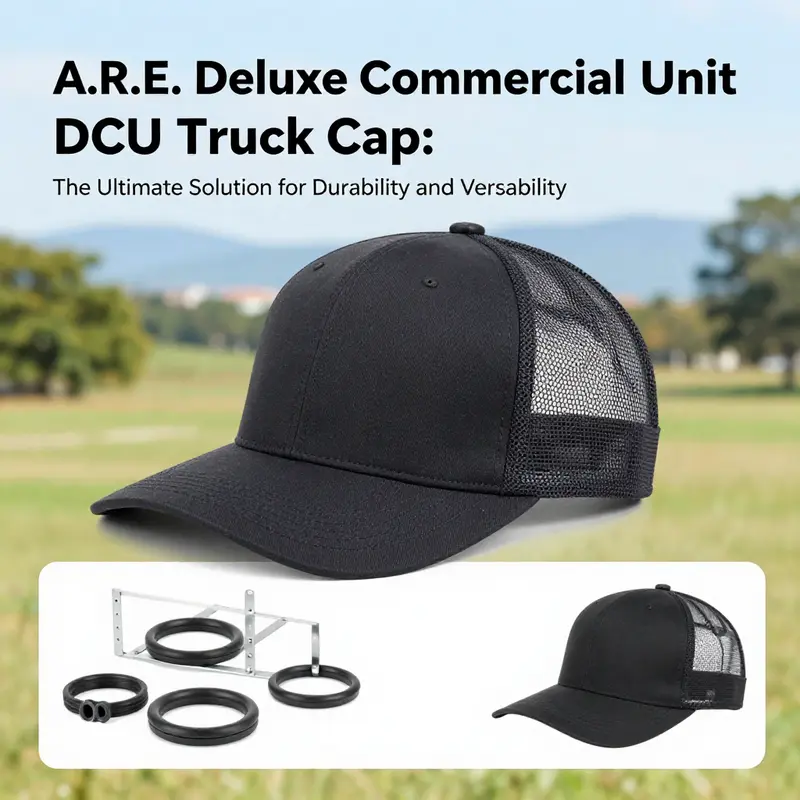
In the realm of work-ready trucks, the cap that sits atop the bed is more than a weather seal and a storage box. It is a portable command center, a weatherproof vault, and a modular toolkit all in one. The Deluxe Commercial Unit (DCU) cap embodies this philosophy by marrying rugged construction with adaptable, user-centric features. The goal is simple and powerful: keep tools, electronics, and gear secure and organized while preserving the vehicle’s core performance for the job ahead. This approach speaks to professionals who rely on uptime and reliability as core productivity metrics. The cap is not just an enclosure; it is a design response to real job-site demands, where sudden rain, rough terrain, and cluttered tool belts can otherwise erode efficiency and safety. A closer look at its construction and options reveals why it has become a favored choice for tradespeople and outdoor enthusiasts who treat their trucks as mobile workshops.
The first impression comes from fit and form. A purpose-built shell for full-size pickups of a certain era translates into a precise fit that minimizes gaps where water, dust, or wind could intrude. The DCU cap is offered in multiple height options—23, 26, 29, and 36 inches—allowing operators to tailor clearance to their cargo and personal preference. This range is not just about aesthetics; it directly influences how much gear can be stowed and how easy it is to reach items without craning, leaning, or climbing. A taller profile means more interior volume for larger tool assortments or bulky equipment, but it also necessitates thoughtful access points. In practice, the rear door configurations expand this accessibility, ensuring that tools can be retrieved quickly in the field, where every minute saved translates into real labor savings.
Storage is the lifeblood of the DCU’s value proposition. Options for roof racks extend the cap’s carrying capacity beyond what the bed of the truck alone can hold. For professionals who must transport ladders, pipe, or long-handled tools, roof racks convert the cap into a versatile cargo platform that can adapt to the job at hand. Inside, a suite of toolbox configurations helps keep small parts, fasteners, and consumables in order. The interior is further customizable through adjustable windows and door sizes, a feature that reduces condensation and improves air-flow management. Condensation is not a trivial concern in commercial settings where electronics or precision instruments are part of the everyday load. The inclusion of an optional interior liner—specifically a polyester fabric liner—serves as a moisture barrier, helping to maintain a drier environment inside the cap’s cabin. The liner reduces the fogged surfaces that can obscure visibility and corrode sensitive gear, extending the life of both tools and electronics.
Materials and structural design underpin the DCU’s durability. The cap alternates between fiberglass and aluminum construction, delivering a balance of toughness and weight efficiency. The choice of materials matters: fiberglass or aluminum can resist dents and corrosion while keeping the profile light enough to avoid excessive strain on the truck’s chassis. A watertight seal system anchors the reliability of this architecture. Dense rubber O-rings and compression seals around doors and windows create a barrier against driven rain, spray, and splashes—an essential feature when the vehicle is parked in damp job sites or traversing wet access roads after a rainstorm. The seal system is complemented by reinforced steel supports in the frame. These supports provide robustness for rugged terrain and heavy loads, ensuring that the cap remains steady during off-road ingress, donning a roof rack, or when tools shift as the truck navigates potholes and uneven surfaces.
Ventilation is another thoughtful detail. Instead of simply sealing the interior off from the outside, the DCU cap integrates ventilation strategies designed to minimize interior humidity while preserving security and thermal comfort. A well-ventilated interior can significantly reduce the risk of condensation accumulating on equipment, which is especially valuable for electricians, technicians, and customers carrying sensitive electronics or battery-powered gear. In a market where equipment budgets are scrutinized, such practical moisture management helps protect investment in tools and gear, ultimately lowering lifecycle costs. The combination of a dry interior and a secure enclosure creates a workspace that feels almost like a small, climate-controlled office on wheels. This is particularly relevant for those who use the cap not just for work but for occasional mobility needs, such as camping or outdoor research trips, where a robust storage solution can double as a shelter or weatherproof storage for personal gear.
The DCU cap’s practical benefits extend beyond weather protection and moisture control. Aerodynamics play a twin role in performance by reducing wind resistance and, consequently, contributing to modest fuel savings and quieter highway travel. A cap designed with a streamlined profile integrates smoothly with the truck’s aerodynamics, limiting noise and drag compared with more utilitarian alternative configurations. For operators who spend long hours on the road, this refinement translates into reduced fatigue and a more comfortable ride. Yet this emphasis on efficiency does come with trade-offs. The added mass of a cap, even when crafted from lighter materials, can influence fuel economy and weight distribution. For some users, especially those operating older or marginally equipped fleets, this is a factor worth weighing against the security and storability benefits. The DCU design anticipates these concerns by offering diverse height options and robust load-bearing structures, letting buyers optimize for their own balance of payload, performance, and practicality.
The DCU cap’s value also extends into the realm of security. The combination of secure doors and high-quality seals, reinforced frame geometry, and the option for interior liners creates a protected cargo zone that can deter theft and weather-related damage. In environments where tools and equipment are both expensive and critical to on-site productivity, such security increases the likelihood of fewer losses and less downtime, supporting more predictable project timelines. For many buyers, this security translates into lower insurance and upkeep costs over time, reinforcing the cap’s return on investment even when the initial purchase price requires careful budgeting.
From a consumer perspective, the DCU cap resonates with those who treat their trucks as a critical extension of their professional toolkit. A professional’s day often begins with the challenge of loading and transporting a varied array of tools, devices, and spare parts. The modular, customizable nature of the DCU cap makes it easier to tailor the vehicle to specific trades without abandoning the familiar utility of a pickup. The modular design means different configurations can be swapped or upgraded as the job evolves—from heavy-duty tool storage to specialized compartments for sensitive electronics—and even adapted for leisure use during downtime. In this light, the DCU cap emerges not as a single-use accessory but as a flexible platform that grows with the operator’s changing needs. The brand’s reputation for quality and local production also matters here, providing reassurance that the investment aligns with durability and long-term performance.
Market context matters when considering such an accessory. In an industry characterized by fluctuations in demand, fuel costs, and evolving regulations, buyers increasingly value reliability, modularity, and total-cost-of-ownership. To understand how durable, adaptable add-ons influence decision-making amid market uncertainties, readers can explore broader market analyses that discuss how operators weigh reliability against price and the strategic value of uptime. For context on how durable add-ons influence buyer decisions in uncertain markets, see Navigating Economic Uncertainties in Trucking Markets. This broader lens helps illuminate why a cap that promises weather resistance, tool organization, and secure storage often fits the needs of professionals who cannot afford downtime due to weather or missed pickups.
As a final note, the DCU cap represents a broader shift toward purpose-built, modular enhancements for work vehicles. It embodies a philosophy that blends rugged, field-tested materials with attention to the realities of daily use: condensation control, load management, and accessibility in all weather. In practice, this means a work truck can function more like a mobile workshop, keeping essential gear ready, protected, and organized without forcing compromises on fuel economy or ride comfort. The result is a practical, durable solution that supports both the hard demands of tradespeople and the more exploratory pursuits of outdoor enthusiasts who require secure, weather-resistant storage on the move. External reference: official product page.
Engineered for Endurance: The A.R.E. Deluxe DCU Truck Cap in Action
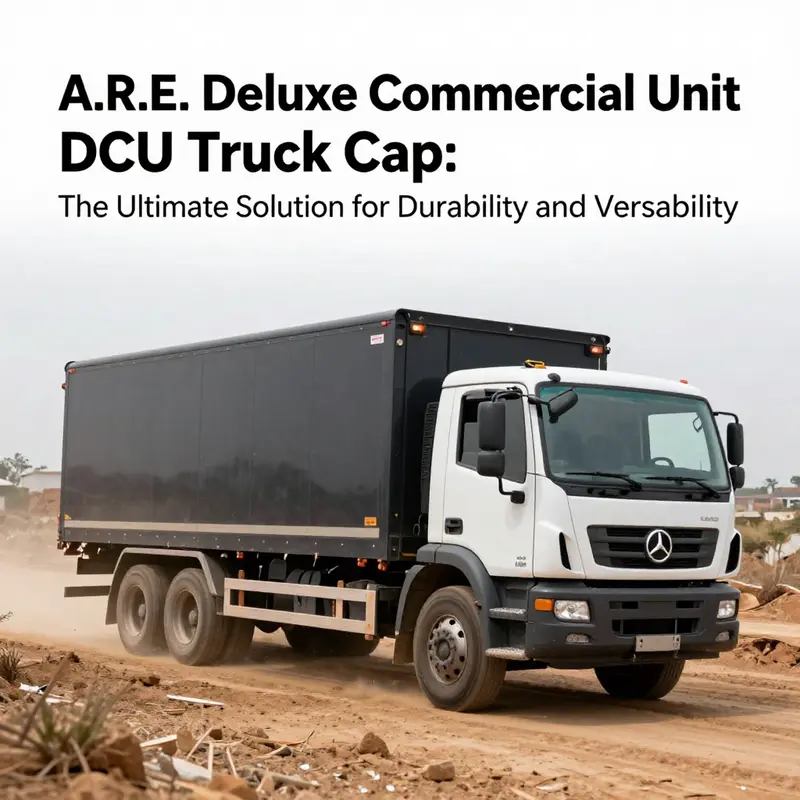
Across the spectrum of work ready truck accessories the A.R.E. Deluxe DCU cap stands out for endurance. Its performance rests on an all welded aluminum frame that forms a rugged skeleton built to withstand daily field use. This is not a cosmetic shell but a purpose built enclosure that resists rust, impact and the unpredictable demands of outdoor work. The frame is reinforced with heavy duty braces that resist bending and fatigue, and together with laminated panels it keeps shape even when loaded with heavy gear. This combination lets operators load, transport and access tools with confidence that helps push through long days. As workloads grow the DCU durability translates into fewer interruptions, less downtime, and a predictable flow of materials between site and vehicle. The credibility of this performance rests not on marketing talk but on engineering choices that keep the cap functional through seasons and job types. Customization is not an afterthought; it is built into the product. The DCU lineup offers hundreds of configurations that turn potential incompatibilities into tailored solutions. Doors and windows can be arranged to maximize access for tools, equipment, or electronics. Integrated toolboxes and ladder racks reshape both interior and exterior workflows. Adjustable cap heights further tailor the silhouette to the truck payload and the reach of a worker. This level of configurability matters because a cap is more than a cargo shell; it is a moving extension of a tradesperson workflow. When a contractor moves between job sites gear shifts from a set of hand tools to a compact power driven kit. The DCU ability to reconfigure access points and storage compartments streamlines that shift, reducing time spent hunting for items and increasing time on the task. For those who go beyond a toolbox optional ladder racks and extra mounting points unlock opportunities for larger equipment enabling a single truck to function as a compact on site micro warehouse. From a performance standpoint the seal system is a critical safeguard against weather and its sometimes harsh consequences. Dense rubber O rings and compression seals around doors and windows create a tight envelope that holds up in rain, driving sleet and high humidity. This is not just about keeping cargo dry it is about preserving the integrity of sensitive equipment, batteries, electronics, and tools that can degrade in moisture rich environments. Ventilation options further distinguish the DCU by managing condensation a common issue when payloads include electronics or temperature sensitive gear. The ability to vent heat and introduce fresh air without compromising the seal makes a real difference in maintaining product longevity inside the shell. In practical terms this means fewer moisture related theft risks and less equipment damage that would erode a contractor bottom line. The ventilation strategy supports reliability in the field by mitigating fogging on lenses, dew on stored components and corrosion from moisture over months of use. The DCU aerodynamic profile is another facet of its performance story. A well shaped cap reduces wind resistance and by extension fuel burn and cabin noise at highway speeds. This matters not only for the economics of daily operation but for driver comfort and fatigue. In long haul or multi site days a quieter cab and steadier ride contribute to safer driving, better focus, and more consistent job performance. The aerodynamic advantage is complemented by a robust corrosion resistant exterior finish that resists harsh off road and climate conditions common to commercial routes. These design choices show a holistic approach to performance not measured only in miles per gallon but in how the cap responds when a worker moves from one site to another while continuing to work efficiently inside the cap. Real world use cases reflect the DCU core audience contractors outdoor professionals and operators who balance demand with practicality. The cap structure accommodates heavy toolboxes and modular storage transforming the truck bed into a secure high capacity repository. There is a practical mental calculus at play the extra mass of a cap adds stability for heavy payloads but also raises considerations about vehicle weight and payload limits. Users report appreciating the improved security and weather resistance which translate into less inventory loss and fewer weather related repairs. At the same time some operators note tradeoffs including the weight increment of a fully loaded cap and potential interactions with vehicle sensors or parking assist systems. The best fitting configurations help avoid or minimize these concerns preserving safety and performance without compromising access or storage density. To translate these attributes into tangible outcomes operators look for alignment between daily tasks and the caps offerings. A professional who carries sensitive electronics, power tools, and spares will value the combination of watertight doors and modular interior layouts which reduce the need for external crates or wrap systems. Those who work in outdoor environments will appreciate the reinforced frame and rugged construction that tolerate repeated exposure to sun, rain, cold and dust. The ability to customize with integrated toolboxes, ladder racks, and varying door placements gives users a sense of control over their operational footprint. Yet for those who operate in urban or mixed use settings the weight and size of a fully equipped cap require thoughtful planning including how to preserve sensor integrity, optimize payload distribution, and maintain optimal vehicle handling. The DCU flexibility becomes a practical asset once users map their workflow to its configuration options. As the market for truck equipment evolves the interplay between accessory performance and vehicle economics grows more nuanced. The shift toward modular adaptable solutions reflects broader trends in fleet optimization and total cost of ownership calculations. For readers tracking these dynamics there is value in observing how accessory choices influence resale trajectories and fleet utilization. The industrys evolving landscape seen in current trends in used truck sales growth offers a useful lens through which to assess investment in a configurable cap. External resources and official product literature provide a granular view of capabilities limits and certified performance. The chapter closes with a reminder that beyond the raw numbers of strength or the counts of configurations the DCU real performance emerges in how it supports a workflow. It provides security for tools weather protection for cargo and the flexibility to adapt to changing jobs, climates and inventories. The result is a work companion that stays the course as operations expand, contract, or shift through different clients and sites. For those seeking deeper technical specifics including material stress evaluations and real world testing data the official product specifications and technical reports offer a detailed view of capabilities and limits.
Voices from the Jobsite: Real-World Feedback on the Deluxe DCU Cap for Commercial Use
On the rough expanse of a jobsite, where weather changes by the hour and every minute of usable space counts, the role of a cap over the truck bed becomes more than a matter of looks. It carries the day’s work, the tools that must endure, and the security of gear left in the open while crews shift from one task to the next. The deluxe DCU cap sits at the intersection of resilience and practicality, promising a blend of weatherproof storage, secure access, and efficient use of space that tradespeople rely on to keep operations smooth. What emerges from field experiences is a nuanced picture: durability stands up to rain and sun; the locking system is a clear deterrent to unwanted access; and installation is generally straightforward enough to avoid delaying a project for a weekend of tweaking. Yet, as with any piece of equipment designed for varied environments, certain trade-offs surface in real-world use, encouraging buyers to weigh fit, space, and weight against the benefits of protection and capacity.
Durability is the baseline expectation for any unit designed to endure the daily grind of outdoor work. The cap’s construction, whether fiberglass or aluminum, is chosen to balance weight with strength. In practice, users report that the materials and overall build provide a sturdy barrier against wind-driven rain, snow, and UV exposure—a critical factor when equipment and weather-sensitive gear are stowed for hours at a time. The cap’s sides and rear are reinforced in ways that resist deformation under heavy loads, a feature that becomes especially meaningful when crews haul long-handled tools, safety gear, or sensitive electronics that require stable housing. The result is a sense of continuity: the job can move forward without the cargo worrying about the elements or jostling during highway merging and off-road shifts alike.
A system built to endure must also be trusted to keep cargo secure. Reviews consistently highlight an integrated locking mechanism as a key value point, providing a tangible sense of security for tradespeople who leave tools in the bed for extended periods between sites. In practice, locksmith-like reliability gives users confidence, allowing crews to park in less familiar neighborhoods or overnight a site without worrying about shed or equipment theft. The sense of security translates into practical benefits as well—fewer trips back to the truck to check gear and less micro-stress about visibility from passersby. And because much of the work relies on keeping tools sharp and organized, the ability to secure contents quickly and effectively becomes part of the workflow, not an afterthought.
Ease of installation is another recurring thread in user feedback. For many, mounting a cap on a compatible truck model is a straightforward process that does not derail a project schedule. The alignment, gasket fitment, and fastener engagement typically proceed with a minimum of fuss, and the result is a tight, rattle-free seal at highway speeds and during bumpy detours. This simplicity matters because time saved during setup compounds into more productive work hours on the road. When install steps are clear and predictable, crews can focus on loading and organizing—knowing the cap will stay in place as their routes flow from job to job site to job site. However, a subset of users reports fitment quirks on specific truck configurations, where minor adjustments to seals or mounting hardware are necessary to achieve a flawless, weather-tight seal. Those anecdotes are valuable reminders that even well-made systems benefit from model-specific attention and, occasionally, professional alignment to ensure peak performance in every climate.
Inside, the DCU cap offers a usable volume designed to accommodate a wide range of items—from compact toolboxes and electrical gear to larger tools and spare parts. Yet, as some users note, interior space can feel tight for surprisingly large equipment, especially when organizers and dividers are employed to maximize efficiency. The design seems to favor modular storage: shelves, bins, and latching systems that allow crews to visual scan what’s on hand at a glance. The result is a workspace that travels with a crew, turning the bed into more than cargo area and into a mobile storeroom with clear access paths. Ventilation plays a practical role here as well. Proper airflow within the cargo area reduces condensation, which matters for sensitive electronics, batteries, and moisture-prone materials. In climates with shifting humidity or rapid temperature swings, a thoughtful vent design can mean the difference between usable gear on Day One and fogged lenses or damp containers by Day Three.
The cap’s aerodynamic profile is not merely cosmetic. Its streamlined shape helps reduce wind resistance and noise, with users often reporting a modest improvement in highway fuel efficiency and a quieter ride compared with no cap at all. For vehicles that spend long hours on highway stretches between sites, the cumulative effect of a smoother profile translates into measurable gains in comfort and operating costs. While the cap does add weight, which some drivers notice in marginal fuel economy, the overall experience tends to favor steady, predictable performance rather than dramatic shifts. For fleets mindful of long-term total cost of ownership, the fuel difference is a factor to account for, but it rarely eclipses the benefits of secure storage, weather protection, and cargo organization.
Of course, no piece of equipment is without its caveats. Several practitioners point to the incremental weight of the cap as a consideration, especially when trailing through older fleets or when payload capacities are already near limits. This weight can subtly affect handling dynamics, and in some cases, drivers report minor shifts in sensor readings or recalibration needs for systems that are sensitive to vehicle mass. Fitment challenges, though infrequent, also remind buyers that not all truck configurations are identical. Minor customization—such as gasket realignment or slight tweaks to mounting brackets—may be required to achieve a perfect seal on certain models, a detail that emphasizes the value of consulting installation guidance or professional support when a factory fit isn’t perfect straight from the crate.
What emerges when these threads are woven together is a portrait of a product that remains compelling for a wide spectrum of commercial users. Tradespeople who must secure tools across multiple sites every day often describe the cap as a reliable extension of their workflow; it protects prospecting gear and keeps project-critical items out of sight and out of the weather. Outdoor professionals who spend nights on the road or in rural locations highlight the added confidence that comes from weatherproofing, secure access, and an organized interior. Even some travelers who convert their setups for camping or extended road trips find a practical upside: extra dry storage space, a defined place for gear, and a quiet ride that helps preserve focus on the road ahead. The consensus across these stories is not a single universal verdict but a layered appreciation: the cap contributes to efficiency and security without turning the truck into a lumbering museum piece. It remains a flexible asset that unlocks more effective use of the vehicle’s payload and, by extension, the day’s possible tasks.
For readers seeking connected perspectives beyond the anecdotal, the broader conversation surrounding cap choices in the field often points toward balanced decision-making. A well-chosen load cover can harmonize with a truck’s aerodynamics, the owner’s security expectations, and the practical realities of daily work. It is not merely about keeping weather out or keeping tools in; it is about sculpting a mobile workspace that travels as a unified system. In that sense, the deluxe DCU cap represents a thoughtful convergence of materials science, engineering integration, and user-centered design. The ultimate value is realized not only in what it protects but in how it protects time—time saved loading, unloading, securing, and accessing gear on the road. For readers who want to explore more about how cap decisions intersect with operational efficiency and overall vehicle value, a deeper dive into industry perspectives and case studies can be found in the broader trade press and blogs, such as this resource: McGrath Trucks Blog.
In the end, the feedback from the field underscores a simple truth: a cap is most valuable when it dissolves friction. It should seal against the weather, secure its contents, fit without force on the right truck, and contribute to the sense that the vehicle is a reliable partner rather than a transient tool. When these elements align, tradespeople and travelers alike come away with a practical confidence—the assurance that the truck’s storage is as capable as the hands that use it.
Choosing the Right Deluxe Commercial Cap: Fit, Features, and Fortitude for Your Truck
When you start the process of adding a deluxe commercial cap to a pickup, you quickly discover that the decision is less about style and more about a balanced mix of fit, protection, and practical capability. The best cap for a working vehicle behaves as an extension of the truck itself, not a burden mounted on top. It should offer weatherproofing that keeps tools, electronics, and gear dry in heavy rain, while also providing light and visibility from the cab. It should contribute to stability on rough roads and maintain a sensible footprint that doesn’t throw off the truck’s aerodynamics or handling. And it must be a practical investment, delivering reliable access to cargo, secure locking, and long-term durability. In this light, the selection process becomes less about chasing the most features and more about ensuring the cap integrates seamlessly with the truck’s geometry, the owner’s daily rhythms, and the specific demands of a tradesperson’s or outdoor enthusiast’s routine. A thoughtful choice yields benefits that compound over time, translating into fewer days lost to weather damage, easier daily operations, and better fuel efficiency thanks to an aerodynamic profile that minimizes drag at highway speeds. To approach the decision with clarity, it helps to consider a few core factors that shape the overall value of the cap without requiring a parade of specialty options. For practical considerations and dealer perspectives, the McGrath Trucks blog offers insights worth reading as you evaluate whether a deluxe cap aligns with your goals. https://mcgrathtrucks.com/blog/
Final thoughts
The A.R.E. Deluxe Commercial Unit DCU truck cap presents an excellent option for trucking company owners and fleet managers seeking a reliable, functional accessory that enhances vehicle capabilities. With its robust specifications, diverse features, and commendable user feedback, it facilitates secure transportation and logistical solutions across varied industries. Understanding the performance attributes and the best practices for selection empowers businesses to leverage this accessory effectively, ensuring they meet their operational needs with confidence.