The durability of commercial truck tires is a critical concern for fleet managers, procurement teams, and logistics firms. Tire lifespan directly impacts operational efficiency, safety, and costs, making it essential to understand the various factors that affect tire longevity. From driving conditions and tire maintenance practices to specific perils encountered in different regions, this article delves into key elements that determine how long commercial truck tires last. Each chapter will provide a comprehensive overview, highlighting vital aspects of tire performance in relation to unique environments, ensuring you are well-informed to make the best decisions for your fleets.
Miles, Time, and Terrain: What Really Determines How Long Commercial Truck Tires Last
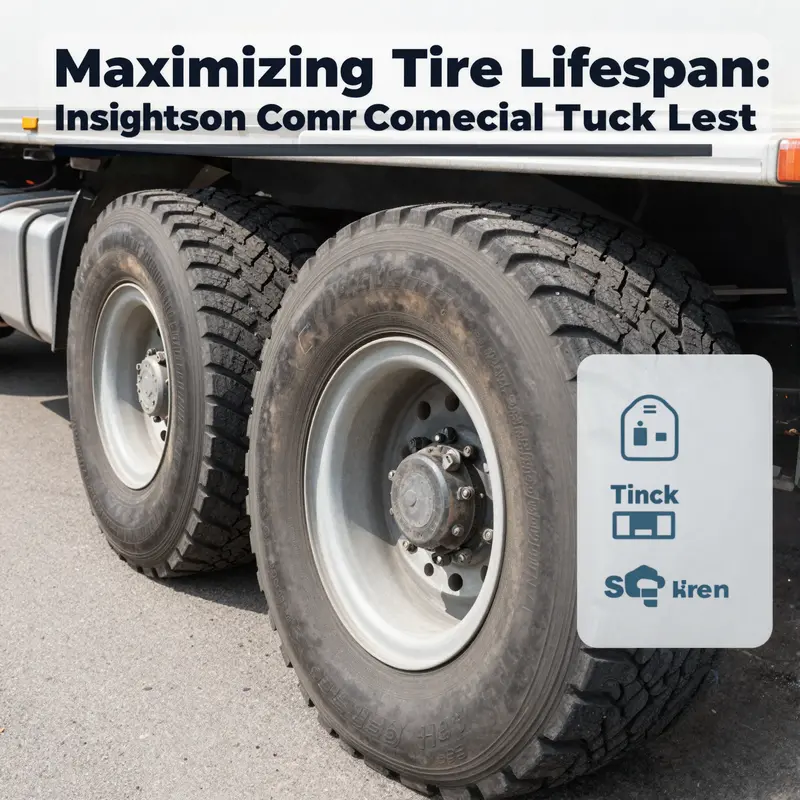
Tires in commercial trucking wear out due to a combination of heat, load, road conditions, and maintenance discipline. There isn’t a single universal mileage; typical baselines show 40,000 to 120,000 miles depending on conditions. In hot climates, heat buildup accelerates wear; in cold climates, rubber can stiffen and crack. Off-road/mining contexts reduce life to 30,000–60,000 miles due to abrasive terrain and loading. The industry also uses a 10-year age limit from manufacture, irrespective of tread, because aging rubber degrades properties.
Driving style matters: aggressive acceleration and hard braking cause heat spikes and uneven wear; smooth driving extends life. Tire pressure matters: underinflation increases wear on shoulders and causes heat; overinflation concentrates wear in the center. Regular maintenance is key: alignment, rotation, and balancing reduce irregular wear and heat buildup. Select tires matched to operation: tread pattern, compounds, carcass design for expected wear mechanisms. Environmental factors: heat accelerates aging, cold reduces elasticity; storage away from sunlight and ozone extends life. Fleets that implement tire management programs—regular inspections beyond tread depth, accurate inflation, timely rotations, and driver education—see longer, more predictable tire life. The 10-year rule acts as a safeguard; retirements by manufacture date help prevent failures. The future of tire longevity integrates data-driven maintenance, tire management platforms, and operator training to optimize miles per dollar while preserving safety.
Tread Life on the Move: How Long Do Commercial Truck Tires Last Under Varying Operating Conditions
The lifespan of commercial truck tires is not a fixed clock but a fingerprint left by a hundred small decisions made on the road, in the yard, and inside the shop. Tires wear not only from distance but from temperature, load, road quality, and maintenance discipline. When fleets ask how long tires will last, the answer is as much about the how as the how far. In common practice, a well-maintained tire can cover a broad range of miles, yet the exact number depends on the operating environment and the tire design itself. Across fleets that chase efficiency and uptime, numbers tend to cluster in a few bands: under favorable conditions, long-haul radial tires can approach the upper end of life, while in punishing settings, wear accelerates and life shortens considerably. A pragmatic way to frame it starts with a widely cited principle: life is mileage, but life is also heat, load, and care, all of which conspire to set a ceiling on how many miles a tire will tread before it reaches the end of its useful service.
In ideal conditions, with steady freeway speeds, smooth pavement, and a steady, moderate load, tires can run longer between replacements. Modern radial tires engineered for long-haul service are designed for durability and fuel efficiency, and when paired with disciplined maintenance, they can reliably stretch toward the high end of the mileage spectrum. Fleet operators who track tread depth, rotate tires on a precise schedule, and maintain accurate inflation pressure often see fewer surprises and less downtime. The takeaway in such environments is not merely the miles logged but the predictability of those miles. When the wheels turn with consistent load and minimal stress, tread life tends to accumulate in a more linear fashion, and the total miles overtly reflect the care given to inflation, alignment, and rotation. The relationship between maintenance practices and tire life is direct and tangible, and it holds across road types and climates, even as the absolute number shifts with temperature and surface conditions.
Yet the road is not a controlled laboratory. Harsh or demanding conditions—urban stop-and-go traffic with frequent accelerations, heavy payloads that keep tires in a compressed, heat-generating state, extreme ambient temperatures, rough and uneven surfaces, and long stretches of poor road quality—inevitably quicken wear. In those environments, tread life can drop from the ideal range to more constrained levels. The effect of heat cannot be overstated. Excess heat accelerates the chemical aging of rubber, weakens tread compound, and destabilizes the belt structure, especially when tires operate at or near their maximum load for extended periods. In tropical or subtropical climates, where heat and humidity combine with heavy traffic, the same tire might wear faster than in temperate, steady conditions. Operators who see high tire temperatures during routine service checks are often facing a warning sign that life is being shortened and that strategic choices—such as selecting a tire with better high-temperature performance, adjusting speeds, or revising load distribution—are warranted to preserve tread and reduce downtime.
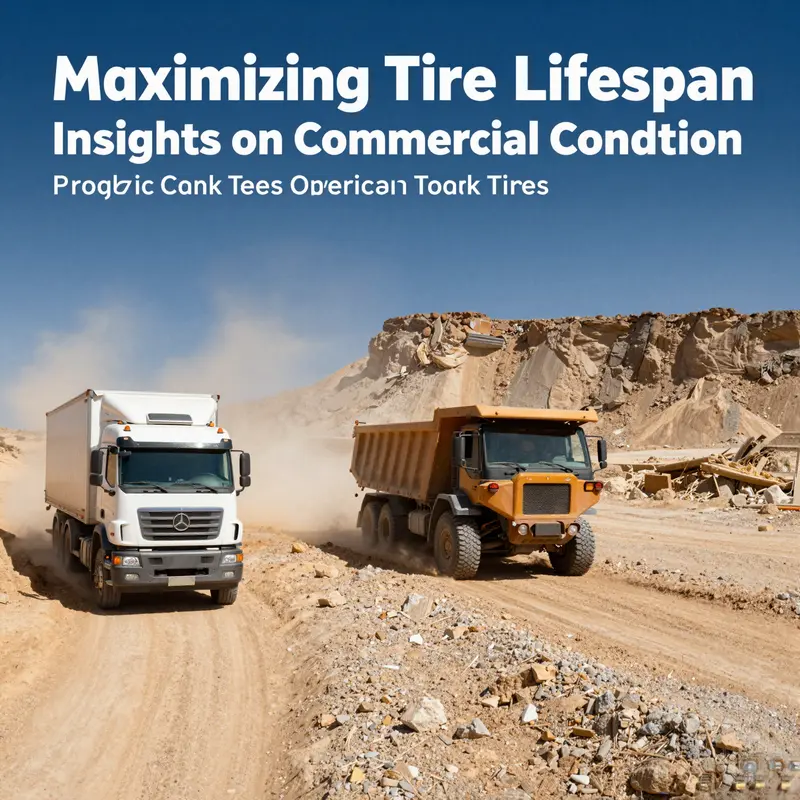
Off-road and mining applications illustrate another dimension of tire life. Heavy-duty bias-ply tires, with multiple fabric layers and specialized carcass construction, are built to resist punctures and maintain stability on abrasive surfaces. They carry heavyweight loads over rough terrain, where rocks, gravel, and sharp edges can scuff tread rapidly. Even so, wear patterns in these settings are not purely a function of distance traveled. The tire’s stance on the machine, the driving profile, and how aggressively loads are moved through the system matter just as much as the coarse terrain itself. In many mining and dump-truck contexts, miles per tire can be substantially lower than on highway service, often in the 30,000 to 60,000-mile range depending on blasting cycles, truck speed, and the proportion of time spent under full load. This apparent anomaly—highly specialized tires wearing faster in demanding use—reflects the brutal arithmetic of heat, abrasion, and impact on tread compounds and carcass structures.
Even when miles logged are modest, age itself remains a central predictor of tire safety. Tire age is not measured by tread depth alone; it is defined by the calendar since manufacture. All manufacturers emphasize that rubber ages with time, regardless of tread, and that the risk of internal degradation, ozone cracking, and structural weakness rises as the tire approaches a decade of life. The conventionally cited threshold—ten years from the date of manufacture—acts as a baseline safety standard across many fleets and regulatory environments. The reason is simple: even if the tread depth looks substantial, the rubber matrix compromises over time. A tire that sits in a yard, never reaches the road, or spends most of its life under a light load will still age and may become unsafe long before the tread is worn. For safety, fleets often pair this age-based guideline with tread-depth criteria, heat monitoring, and regular inspection cycles to catch aging signs early, such as cracking, hardening, or bead area distress.
A practical, data-informed approach to tire life thus hinges on a blend of model selection and disciplined maintenance. Tire design—radial versus bias-ply, the number of plies, the tread pattern, and the intended service class for a given tire—shapes baseline durability. Radial tires, widely favored for highway service, generally deliver longer wear life and better fuel efficiency when deployed under appropriate loads and speeds. Bias-ply tires, while often more robust in certain off-road or mining contexts, may wear at a different rate under abrasive conditions. Beyond the construction type, the operating environment—temperature, road quality, terrain, and traffic mix—introduces a spectrum of wear rates that fleets must account for in planning, budgeting, and scheduling maintenance. Managers who recognize this spectrum are better positioned to align tire choice with route profiles, thereby optimizing uptime and minimizing unplanned downtime caused by premature tire failure.
Maintenance acts as the connective tissue between tire design and real-world life. Regular inspections catch early signs of abnormal wear or damage. Proper inflation is not a cosmetic detail; it governs contact area, heat generation, and even tread wear. Underinflation creates excess heat, which accelerates aging and can precipitate cushion failure or blowouts. Overinflation concentrates contact on the center of the tread, increasing wear in that narrow zone and making the tire more susceptible to cuts and stone retention damage. Routine inflation checks, ideally with the tires cold, set the stage for even wear across the tread. Alignment and camber checks ensure that tire wear remains balanced across the axle, reducing shoulder wear and the potential for cupping. Rotation, when performed on a schedule aligned with tire wear patterns across axles, helps distribute wear more evenly and extend the overall life of the set. Load distribution is equally important; uneven loading, whether due to improper ballast or systematic loading practices, concentrates wear in specific areas of the tread or shoulders and can shorten life dramatically.
Fleets that pursue longevity often adopt a lifecycle approach: track mileage per tire, monitor tread depth with consistent measurement techniques, and compare wear across positions to detect misalignment or imbalance early. They also implement cycles that maximize life by pairing tread wear management with scheduled maintenance windows, balancing uptime with safety. In contexts where driving cycles include frequent starts and stops, the importance of maintaining tire pressure and ensuring proper brake alignment cannot be overstated. Even the most advanced tire design cannot compensate for chronic misalignment or a suboptimal inflation profile. As a result, maintenance becomes a strategic lever, not a passive duty, allowing fleets to push toward longer service lives without compromising safety or performance.
When planners evaluate how long tires will last, they must weigh regional climate and road quality as well. In hot climates, the combination of heat and load can drive a faster wear rate, particularly if the fleet operates at or near the maximum rated load for long durations or faces pavement with high thermal conductivity. In temperate regions with smooth highways, tread life can be extended, especially when paired with consistent maintenance discipline and strategic route planning that minimizes unnecessary braking and acceleration, which contribute to heat and wear. In urban operating profiles, where stop-and-go traffic is common, wear accelerates due to repeated acceleration and braking, compounded by heat generation in tire compounds. Fleets with a significant urban component may observe shorter average tire life than those operating on long-haul routes that maintain steady speeds. In either case, the guiding principle remains: tailor tire selection to the typical route profile and climate, while maintaining an aggressive maintenance schedule that targets heat management, proper inflation, and even wear distribution.
The evidence from diverse fleet experiences supports a practical framework: under ideal, well-managed conditions, miles-to-replacement can be substantial, often reaching into the high hundreds of thousands for radial tires designed for long-haul service. In more demanding environments, including urban driving, heavy payloads, extreme temperatures, and rough terrains, life is notably shorter, sometimes dropping into the fifty-thousand-to-eighty-thousand-mile band. Off-road and mining operations frequently settle into still lower ranges, reflecting the harsh interplay of abrasive surfaces, high loads, and frequent impact. Amid these variations, tire age remains a constant factor no fleet can ignore. Even when tread looks serviceable, aging rubber may compromise safety, so the ten-year rule remains a prudent baseline. For managers seeking to optimize tire life, the path is clear: invest in high-quality radial tires appropriate for the mission, maintain strict inflation discipline, coordinate rotations and alignments, and manage loads and routes with a view toward heat and wear patterns. In practice, this means a fleet-wide culture that treats tire life as a living metric—one that responds to driving patterns, climate, and the mechanical health of the vehicle.
For readers who want a concrete sense of how these principles translate into day-to-day guidance, consider a simple anchor: document miles per tire, track tread depth across steering and drive positions, and compare wear patterns over successive service intervals. If you observe faster-than-expected wear in a particular axle, you can flag potential issues such as misalignment, improper inflation, or unusual loading patterns. If you notice heat-related wear without obvious overloading, consider climate-adapted tire selections or enhanced heat management strategies for that route. The value of this approach is not a single prescription but a feedback loop. You learn from how tires age in your specific network and adjust maintenance, loading practices, and route planning accordingly. The result is a more predictable tire life profile, fewer unplanned downtime events, and more reliable performance across seasons and regions.
For ongoing insights into maintenance practices and life extensions, readers may explore practical resources that encapsulate fleet-focused wisdom and discipline. As with any fleet operation, the chapter is less about chasing a universal number and more about shaping a reliable, data-driven lifecycle. A note from industry practitioners emphasizes that while tire life can stretch across a broad mileage spectrum, the most robust strategy is to couple thoughtful tire design with disciplined operational practices. The synergy between tire construction, climate awareness, load management, and maintenance scheduling forms the backbone of extended tread life. In this context, long life becomes sustainable—not a lucky outcome but a consequence of deliberate, repeatable processes.
From a practical standpoint, the route toward longer tire life starts with understanding the operating envelope: the typical speeds, payloads, climates, and road surfaces the fleet encounters. By matching tire construction to the mission, fleets set a foundation for better wear performance. Then comes the art of maintenance: keep inflation within the recommended range, perform regular alignment checks, rotate tires to balance wear, and monitor tread depth with consistent methods. When these elements are in place, tire life not only extends; it becomes more predictable, making it easier to plan replacements and manage costs. In short, tire longevity is less about a single number and more about a disciplined approach that respects the rules of heat, load, and habit. For readers seeking further guidance on maintenance practices and fleet-oriented tire strategies, a comprehensive resource exists online that consolidates these principles into actionable steps. McGrath Trucks’ practical guidance on tire care and maintenance is a useful companion reference: mcgrathtrucks.com/blog/.
As this discussion moves forward, keep in mind that the best single predictor of tire longevity is how well the tire is cared for in the context of its expected service. The best policy blends smart tire choice with rigorous maintenance and route planning. When fleets invest in regular inspections, disciplined inflation management, timely rotation, and proactive load distribution, they do not just extend miles; they improve reliability, safety, and total cost of ownership. Tire life, in other words, rewards a consistent, data-informed protocol that respects both the science of rubber and the art of fleet operations. The ultimate takeaway is pragmatic: there is no universal mileage number that fits every truck, every road, and every climate. There is, instead, a reliable framework to estimate and maximize tire life—one that begins with understanding the operating conditions and ends with disciplined maintenance that keeps tires performing their best, mile after mile across varied terrain and seasons.
External resource for further reading and technical context on tire aging and replacement guidance provides manufacturer-level insights into material performance and service-life expectations. For detailed technical guidance, refer to the tire maker’s official documentation: https://www.dunloptrucktire.com/en-us
Maintenance That Matters: How Proactive Tire Care Extends the Life of Commercial Truck Tires
Maintenance That Matters: How Proactive Tire Care Extends the Life of Commercial Truck Tires
Proper maintenance is the single most influential factor in determining how long commercial truck tires last. While raw mileage figures—often quoted between 50,000 and 100,000 miles under typical conditions—give a helpful baseline, they mask the real drivers of longevity: how tires are cared for, the environments they operate in, and how data is used to catch problems early. This chapter explains how the routine choices fleet managers and drivers make translate directly into months or years of added service life, fewer roadside failures, and lower total operating costs.
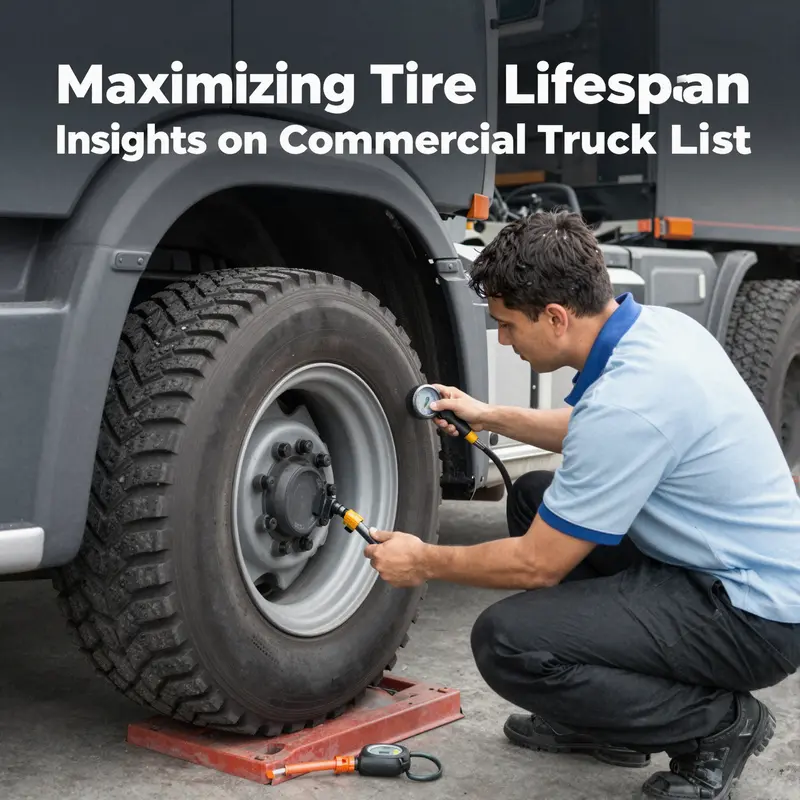
Tire pressure is the starting point of any effective maintenance program. Correct inflation keeps the contact patch even, controls heat buildup, and reduces flexing in the sidewalls. Underinflated tires flex more and generate heat. Heat speeds tread wear and accelerates internal rubber deterioration. Over time, that leads to tread separation and higher risk of blowouts. Overinflation, on the other hand, concentrates load on the center of the tread, causing rapid center wear and reducing traction. The effect of even small deviations from recommended pressure is cumulative: a tire consistently 10% underinflated can wear out noticeably earlier and consume more fuel. That fuel penalty compounds operating expenses and erodes the savings from delayed tire replacement.
Routine pressure checks must account for temperature changes. Tires lose or gain pressure with ambient shifts; a cold morning can reduce pressure enough to create risky underinflation if checks are only occasional. Checks should be scheduled when tires are cold to get an accurate baseline. For fleets, that means standardized procedures at the start of shifts or before long hauls. Portable pressure gauges are fine for spot checks, but for fleets aiming to maximize service life, automated or semi-automated systems that monitor pressure continuously are far more effective. They detect slow leaks, rapid pressure loss, and patterns that point to valve issues or slow punctures—issues that, if left unchecked, shorten tire life and increase downtime.
Alignment and balancing sit next to pressure in importance. Poor alignment causes uneven wear patterns that can halve a tire’s useful life. Misalignment might come from hitting potholes, curb strikes, or simply from suspension wear. The visual signs are obvious: excessive wear on one shoulder, scalloping, or feathering across the tread. But by the time those signs appear, the tire has often lost substantial service life. Regular alignment checks restore proper steering geometry, distribute load evenly across axles, and prevent one tire from doing the work another should share. Balancing reduces high-frequency vibrations that can break down internal components and wear the tread unevenly. Together, alignment and balancing maintain a stable contact patch, reduce strain on steering systems, and deliver smoother, safer operation.
Inspection routines form the hands-on core of maintenance. Visual and tactile inspections catch damage that sensors cannot always detect—embedded debris, cuts, sidewall bulges, or abnormal scuffing. Inspections are also vital for tracking tread depth across tires. While groove indicators and tread wear bars give an immediate sense of remaining tread, scheduled measurements across the tire tell a deeper story about wear patterns and potential suspension or alignment problems. A disciplined inspection routine treats tires as dynamic assets: their condition is recorded, trends are tracked, and intervention is scheduled before a tire becomes a liability. That discipline reduces sudden failures and extends usable life by turning reactive replacements into planned events.
Rotation is a preventive practice that evens out wear across an axle set and across positions on the vehicle. On mixed-axle configurations, front tires often wear differently than drives or trailers. Rotating tires according to a schedule prevents a single position from wearing out prematurely and squeezes extra mileage from each casing. The pattern and frequency of rotation depend on vehicle configuration, load patterns, and observed wear, but a typical rotation schedule for many commercial rigs balances front and drive positions over several service intervals. Rotation is a low-cost intervention with outsized benefits: better uniform wear, longer intervals between purchases, and improved vehicle handling.
Load management matters as much as direct tire care. Tires carry the forces and must be matched to the weight profile they support. Overloading increases contact pressure and heat, speeds wear, and risks structural damage. Even distribution of load across axles reduces localized overwork. Fleet managers who control payloads, use proper load distribution techniques, and ensure axle weights stay within design limits see steadier wear and longer tire life. That discipline also links back to fuel efficiency and regulatory compliance: overloaded tire operation is expensive in multiple ways.
Driving behavior and route selection shape wear patterns too. Aggressive driving—hard braking, rapid acceleration, and sharp cornering—increases thermal and mechanical stress. Routes with frequent stop-and-go traffic or rough roads impose more lateral and impact forces on tires. Long-haul routes with smooth highways favor steady-state conditions that maximize fuel efficiency and extend tread life. Where terrain forces wear, choosing tires with appropriate compound and design for those conditions is essential. In high-temperature regions, for example, certain tread compounds and casings resist heat breakdown better than general-purpose tires.
Tire selection intersects maintenance. A tire designed for the intended duty cycle reduces the maintenance burden. Choosing a tire that matches load, speed, and operating environment lowers the chance of early failure. For example, tires built for heavy off-road or mining duties are constructed differently than highway steer tires. Using the wrong tire type in the wrong application creates strain and shortens service life regardless of maintenance discipline. That is why maintenance plans must begin at procurement: selecting the right construction, tread design, and compound limits the stress that maintenance teams must manage.
Technology is changing the maintenance landscape. Tire-mounted sensors and fleet-level telemetry feed continuous condition data into analytics platforms. These systems do more than alert a tire is low: they identify trends, predict remaining useful life, and optimize intervention timing. Predictive maintenance shifts the paradigm from time-based replacement to condition-based decisions. Instead of replacing tires annually or at a fixed mileage, fleets can replace casings when data indicates diminishing returns or increased risk. That reduces both waste and the chance of roadside failures. Integration of sensor data with route and load data refines maintenance schedules even further, telling managers which vehicles or routes cause accelerated wear and where procedural changes can extend tire life.
Maintenance also yields indirect but substantial benefits. Properly maintained tires reduce rolling resistance, which lowers fuel consumption. Over time, the fuel savings from good tire care can exceed the cost of occasional repairs or scheduled rotations. There is a clear environmental benefit as well: fewer tire replacements mean less rubber disposed of and fewer emissions associated with manufacturing and transporting new tires. In an industry focused on margins and sustainability, maintenance practices that extend tire life contribute to both economic and environmental goals.
Institutionalizing good maintenance requires systems and culture. Standard operating procedures for pressure checks, inspections, rotations, and alignments embed good habits. Training drivers to perform simple daily checks and report anomalies creates early-warning capability. Maintenance shops equipped with the right tools and calibration procedures prevent human error from causing avoidable tread loss. Recordkeeping closes the loop: logs that track tire age, pressure history, repair records, and wear patterns let managers quantify the impact of their practices and adjust schedules for maximum effectiveness.
Age is a special dimension of tire longevity. Even with low mileage and careful storage, rubber compounds degrade. Manufacturers and industry experts generally recommend replacement after a decade from manufacture, regardless of visible tread life. That recommendation recognizes chemical and structural breakdown in the rubber and internal components. Fleet managers must track manufacturing dates alongside mileage to make informed replacement decisions. For casings retired early due to damage, proper repair techniques and documentation ensure safe return to service only when standards are met.
When a tire does show damage or irregular wear, prompt, correct repair or replacement is crucial. Temporary fixes or ignoring early signs often lead to larger failures. Repairs should meet industry standards and be carried out by trained technicians. Incorrect repairs can fail under heavy load or at speed, producing catastrophic results. The cost of a proper repair is small compared to the cost and danger of a blowout on a busy highway.
Maintenance programs should be tailored to the fleet’s mission. A regional delivery fleet has different priorities than a long-haul operator or a mining contractor. Custom frequency for inspections, alignment checks, and rotation schedules should reflect the specific wear drivers. Data collection enables this tailoring: by analyzing wear trends and failure modes, managers can allocate maintenance resources where they yield the most life extension.
In practice, success looks like predictable tire lifecycles, fewer emergency replacements, and steady improvement in cost-per-mile metrics. Fleets that combine disciplined manual maintenance with sensor-driven insights extract maximum value from each casing. The investment in training, tools, and telematics pays back in longer tread life, lower fuel bills, and improved safety.
For practical guidance on the relationship between tire manufacture dates and safe service life, consult industry resources that explain age-related recommendations. These resources clarify why a tire with shallow mileage may still require replacement after a decade from manufacture and how to log manufacture dates for a reliable maintenance program. For broader fleet operational insights and perspectives, see the McGrath Trucks blog for industry-relevant discussions and case examples.
External reference: Understanding Tire Manufacture Dates and When to Replace Them: https://www.tireandrim.com/tire-life-and-manufacture-dates/
Internal reference: McGrath Trucks blog: https://mcgrathtrucks.com/blog/
Final thoughts
Understanding how long commercial truck tires last is crucial for maintaining fleet efficiency and safety. By considering various influencing factors, including operating conditions and diligent maintenance practices, truck owners and fleet managers can optimize tire performance, significantly extending their usable life. Prioritizing tire care not only enhances safety but also contributes positively to operational costs, making it a strategic investment for any transportation or logistics operation.