A thorough understanding of commercial truck inspections is vital for trucking company owners, fleet managers, and logistics firms. These inspections guarantee that vehicles operate safely and efficiently, adhering to industry regulations. This article will dissect the essential elements of a commercial truck inspection, including critical vehicle components, specialized procedures for long-haul trucks, and compliance with safety standards. Each chapter will provide insights that are crucial for decision-making in road safety and operational efficiency.
The Roadworthiness Blueprint: What a Commercial Truck Inspection Covers and Why It Keeps Everyone Safe
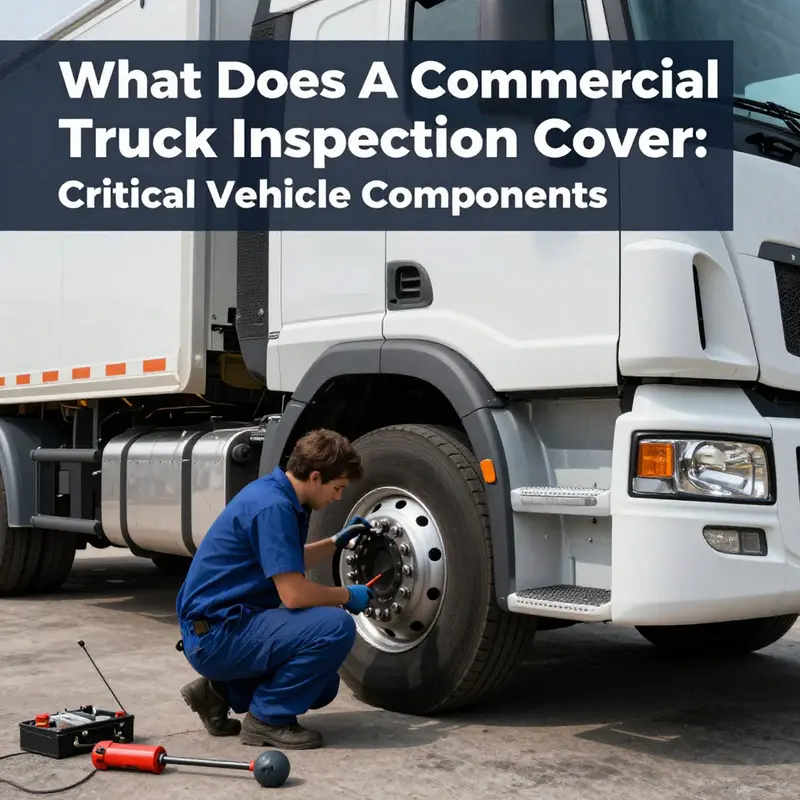
A commercial truck inspection is a safety-centered process designed to reveal defects before they become hazards on the road. When a vehicle is evaluated, inspectors focus on critical systems such as brakes, tires and wheels, lighting and electrical, steering and suspension, fluids, and cargo securement. The aim is to verify that the truck can stop predictably, maneuver safely, and operate reliably under a variety of conditions, while meeting regulatory requirements. The inspection combines visual checks with functional tests, ensuring components respond correctly and remain in good working order. In practice, drivers perform pre-trip checks, maintenance crews review post-trip findings, and authorities conduct formal inspections using standardized procedures to ensure consistency across fleets and jurisdictions. In many regions, manuals and regulatory guidance provide a common framework for defect identification, documentation, and corrective actions, helping fleets plan maintenance and drivers manage risk. A well-run inspection reduces the odds of surprises on the road, protects the safety of all road users, and supports dependable freight movement.
Long-Haul Truck Inspections Unpacked: The Specialized Checks That Keep Freight Moving
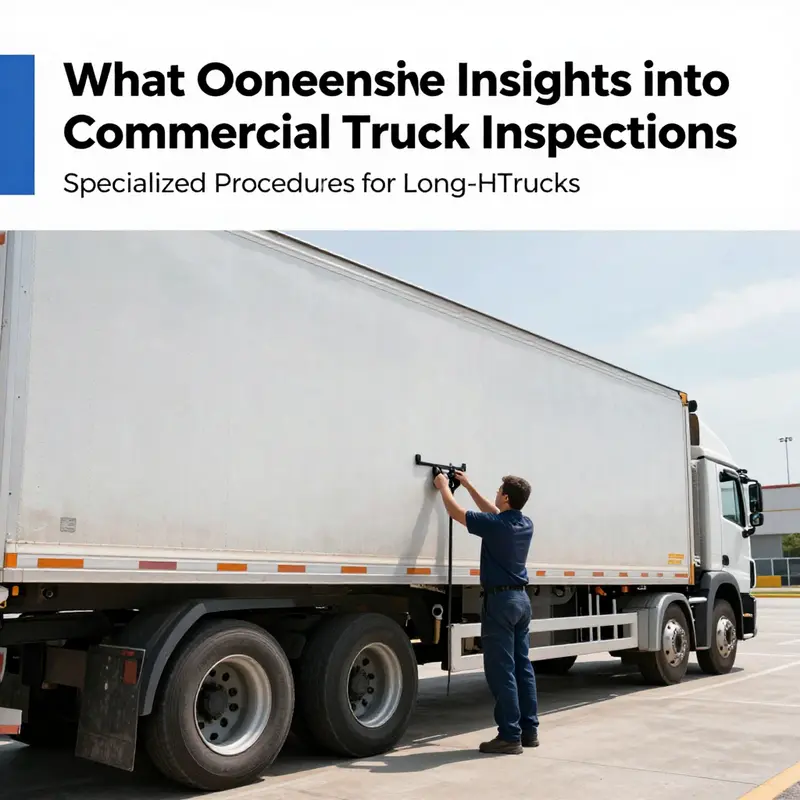
When a driver climbs into a long‑haul tractor‑trailer, the safety net for miles of highway travel begins long before the engine turns over. A commercial truck inspection is more than a routine glance at gauges and lights; it is a structured, professional practice designed to protect drivers, cargo, and the traveling public. In Canada, the process is guided by the Commercial Vehicle Inspection Manual, Version 2.0, a standardized framework that ensures inspectors assess the same critical areas across regions and fleets. The aim is simple and essential: verify roadworthiness, enforce regulatory compliance, and minimize the risk of unexpected failures on the road. The core components—brakes, tires, lights, steering and suspension, coupling devices, cargo securement, and emergency equipment—form a baseline, a kind of safety spine that supports every long journey. Even within this shared foundation, long‑haul operations demand extra attention. The long haul brings extended wear, different exposure to weather, and the potential for unique fatigue points in components that typically operate at higher speeds and for longer durations. The inspector’s eye travels beyond the obvious to consider how time on the road has slowly reshaped a vehicle’s safety margins, and how those margins can be preserved through meticulous checks and disciplined maintenance. The relationship between inspection and operation becomes a dialogue rather than a checklist; it is the dialogue that lets freight move reliably through sprawling corridors of highway and byways alike.
Among the standard inspection components, brakes stand at the center of safety. In long‑haul contexts, their effectiveness must be evaluated not only for immediate stopping power but also for how heat and repeated use affect performance over hundreds of miles. Worn linings, worn drums or rotors, and air system leaks can erode stopping power in ways that are not always obvious at a casual glance. Inspectors look for signs of fading, audible air leaks, or inconsistent hold on the pedal that might signal a hidden problem. Tires are another focal point with special emphasis on tread depth, wear patterns, and inflation, all of which directly influence traction and the risk of blowouts at high speeds. In extended operations, the tires’ aging, mounting integrity, and even the condition of valve stems and bead seating become part of the narrative the inspector reads as the vehicle stands in the inspection bay. Lighting and signaling devices are not merely about visibility; they are about predictable, unambiguous communication with other road users across long stretches where driving demands fatigue management and vigilance. Any malfunction in marker lights, brake lights, or turn signals can obscure intent and increase risk, especially in dawn-to-dusk or night driving across diverse weather conditions.
Steering and suspension components tell a story of how load, road, and time have waged a quiet war on the vehicle’s ride and handling. For long‑haul trucks, play in the steering box, worn tie rods, loose steering joints, or sagging suspension springs can alter steering geometry and stability. The inspector examines alignment indicators, the condition of bushings, and the integrity of suspension mountings to ensure the vehicle maintains predictable response to driver input. A truck that wanders or pulls unevenly adds cognitive load to a driver already managing fatigue and distance. The coupling devices—the fifth wheel, kingpin, pins, and related locking mechanisms—receive careful scrutiny because the trailer connection is the hinge on which the entire long‑haul operation pivots. Inadequate lubrication, worn locking jaws, or improper fit can lead to dangerous trailer separation or unintended decoupling in traffic. The inspection thus extends into the realm of secure, precise mating between tractor and trailer. Cargo securement, too, becomes a keystone in the long‑haul inspection, reflecting a shift from securing individual pallets to managing rolling stock, straps, chains, and binders that must withstand hours of vibration, wind, and dynamic loads. The inspector looks for compromised lashings, protruding or damaged securing devices, and signs that load restraint has degraded over time. Emergency equipment—fire extinguishers, first‑aid kits, warning triangles, and reflective safety items—carries a heightened importance under long‑haul pressures. The long road is unforgiving; a missing or expired extinguisher or a damaged reflective triangle can transform a routine stop into a hazardous delay. The goal is not only to verify that equipment is present but that it is functional, accessible, and compliant with applicable standards.
Within this broad framework, long‑haul operations introduce specialized procedures that extend beyond the standard checks. Tire examination takes on a renewed level of rigor because tires in lengthy service cycles experience greater exposure to road debris, sustained high speeds, and temperature fluctuations. The inspector assesses tread depth with a sharper eye, ensuring the remaining rubber can handle extended exposure without sudden adhesion changes or increasing risk of hydroplaning in wet conditions. Inflation pressure is monitored with an understanding that under‑inflation or over‑inflation compounds heat buildup, accelerates wear patterns, and can precipitate blowouts on long, uninterrupted highway stretches. The fifth wheel coupling, a critical link between tractor and trailer, receives particular scrutiny in long‑haul contexts. The coupling must demonstrate robust integrity, proper lubrication, and secure locking engagement. Any looseness or misalignment at the coupling point can lead to decoupling or unsafe trailer behavior during highway maneuvers. The air brake system becomes even more central when a truck covers vast distances where braking events are frequent and critical. A thorough inspection checks for leaks, pressure drops, and chamber integrity, with close attention to the governor function, air system storage, and the overall balance of the braking train. Given the extended operating environment, inspectors may perform functional tests that simulate prolonged service, watching for any delayed responses or gradual pressure losses that could compromise stopping capability.
Lighting and signaling devices assume heightened significance at night or in adverse weather. The long‑haul truck must communicate intent clearly across many hours of operation, and a single dim or failed light can reduce visibility to following traffic and other road users. Inspectors verify that headlamps, marker lights, brake lights, turn signals, and clearance lights meet performance standards and remain reliable in cold, heat, rain, and dust. In addition to functional tests, the inspection considers mounting integrity, lens condition, and waterproofing, recognizing that exposure over thousands of miles can degrade seals and connectors. Protective covers and cab weather protection features, while not always at the center of every inspection, play a meaningful role in long haul through their effect on cab integrity and climate control. Heavy‑duty protective measures protect the cab from weather ingress and road debris, supporting driver comfort and equipment longevity. Proper installation and secure fastening are essential; a loosely fitted cover or a poorly secured panel can create wind‑induced damage, loosening of fasteners at speed, or added stress on mounting points during cross‑wind events. Even though such protective gear serves more as a maintenance ally than a direct inspection item, its condition and secure attachment influence the overall safety posture of the vehicle during long journeys.
Regulatory considerations thread through every layer of the long‑haul inspection. In Canada, inspectors align with the national manual to ensure harmonized expectations across provinces, enabling consistent safety outcomes and easier cross‑border operations. Yet long‑haul fleets that frequently cross into the United States also engage with federal standards that reflect a broader safety framework. In the United States, regulators emphasize the reliability of critical systems, including heavy emphasis on braking, lighting, and axle configurations, as well as the documentation that accompanies inspections. The convergence of Canadian and U.S. standards creates a robust safety net that supports long‑haul freight movement across borders while acknowledging regional variations in enforcement and procedural details. For drivers and fleets, understanding this regulatory context is part of planning and risk management, ensuring that inspection practices anticipate upcoming regulatory checks and align with best practices for maintenance schedules and record‑keeping. Keeping up with these standards means more than avoiding fines; it means reducing the likelihood of unscheduled downtime and cascading delays that reverberate through logistics chains.
Beyond the mechanical and regulatory specifics, the long‑haul inspection carries implications for fleet reliability and driver welfare. A thorough inspection narrative emphasizes the connection between well‑maintained equipment and safe, predictable performance. When brakes respond with confidence, tires grip the highway with balanced wear, and lighting remains clear in low light, the driver experiences fewer last‑minute surprises that could escalate fatigue or trigger risky responses. The long haul tests a vehicle’s resilience, and the inspection acts as a checkpoint that identifies wear patterns early, guiding maintenance before minor changes become major failures. It also reinforces a culture of accountability: technicians, drivers, and dispatchers share responsibility for preventing preventable breakdowns and for planning routes and rest breaks around known maintenance needs. The result is not merely compliance for compliance’s sake; it is about fostering a proactive safety ecosystem where information is shared, data is analyzed, and decisions are made with miles of road ahead in view. In this sense, the specialized procedures for long‑haul trucks are more than extra checks; they are a disciplined approach to sustaining performance over distance, sustaining reliability, and protecting lives in the wake of heavy loads and long horizons.
As technology evolves, inspections adapt without sacrificing rigor. Digital logbooks, telematics, and on‑board sensors can augment traditional visual and physical checks, offering real‑time data on braking efficiency, tire pressure trends, or suspension movement under load. Yet technology does not replace the inspector’s trained judgment; it enhances it. A technician can correlate sensor alerts with physical cues—the heat signatures on brake drums, the subtle slack in a fifth wheel, or the difference in steering feel after a long drive of crosswinds. The most effective long‑haul inspection programs weave together hands‑on evaluation with data analytics, creating a more precise understanding of wear patterns and failure risks. For fleets, this means an ongoing, proactive maintenance cadence. It means scheduling tire rotation and brake service at intervals aligned with actual usage and recorded performance rather than relying solely on calendar dates. It means keeping a close watch on cargo securement practices, especially when payloads vary widely across routes and seasons. The long‑haul inspection becomes a living process, a continuous loop of monitoring, evaluation, and action that keeps the vehicle ready for the next leg of its journey.
The practical impact of these specialized procedures shows up in several tangible ways. First, there is a measurable improvement in road safety metrics. When brakes are reliable, tires are properly inflated, and lighting functions are consistent, the probability of unsafe incidents decreases. Second, the reliability of long‑haul operations improves. Fleets that implement rigorous inspection routines reduce unscheduled downtime, lowering the indirect costs of delays, missed delivery windows, and driver turnover. Third, regulatory compliance strengthens. When inspections are thorough and documentation is complete, fleets demonstrate a history of responsible maintenance that supports smoother cross‑border operations and more straightforward regulatory audits. A well‑maintained truck does not just meet expectations; it raises them—pushing maintenance from a cost center into a strategic asset that drives service levels, customer confidence, and long‑term profitability.
To those who study and practice the craft of road safety, the long‑haul inspection is a discipline that rewards patience, precision, and a respect for time on the road. It is the product of decades of standards, feedback from the field, and a recognition that miles matter—not only for the freight carried but for the people who depend on it. For readers seeking practical perspectives and ongoing discussions about maintenance discipline, the McGrath Trucks blog offers focused conversations that illuminate everyday challenges and solutions in the trucking world. McGrath Trucks Blog
In sum, a long‑haul truck inspection encompasses far more than a catalog of parts. It is a coherent, purposeful process that weaves together standard safety checks with specialized, route‑ and usage‑driven evaluations. It considers tire endurance, the fidelity of couplings, the integrity of braking and lighting systems, and the behavior of protective cab enclosures under demanding conditions. It respects the regulatory framework that governs cross‑border commerce while embracing modern tools that help translate wear patterns into proactive maintenance actions. The inspector’s task, therefore, is not merely to sign off on a machine’s readiness. It is to read a vehicle’s story—told in tread depth and temperature rise, in coupling play and air pressure trends, in light output and obstacle‑avoidance signaling—and to translate that story into concrete steps that keep freight moving with confidence and safety. The value of the specialized procedures lies in their foresight: they anticipate long journeys, reduce risk, and support a system in which drivers can navigate thousands of miles with fewer unexpected interruptions. It is, in the end, a testament to the idea that safety on the highway is built not from luck but from the disciplined practice of inspection, maintenance, and responsibility. For readers who wish to explore the regulatory context further, external references to national standards and enforcement guidelines, such as those maintained by the regulatory bodies, provide additional depth on the framework within which these inspections occur: https://www.fmcsa.dot.gov/hazmat/trucking-inspections
Reading the Road Ready: What a Commercial Truck Inspection Truly Covers for Compliance and Safety

A commercial truck inspection is a deliberate, methodical process designed to confirm that a vehicle is safe to carry people and cargo, that it complies with governing rules, and that it remains reliable enough to perform demanding tasks across long-haul, regional, or off-road operations. In practice, inspections function as a bridge between day-to-day fleet management and the broader responsibility to protect drivers, other road users, and the communities that rely on dependable trucking services. The goal is not merely to confirm that a truck looks the part, but to verify that the vehicle’s systems work in harmony, that potential hazards are identified before they become incidents, and that a culture of safety loops back into every shift, every route, and every maintenance decision.
Core inspection areas fall into a cohesive suite of checks that cover the essential functions needed to keep a heavy vehicle safe on busy highways and challenging terrains. The brakes receive careful scrutiny for proper function and safe air or hydraulic pressure as applicable. The inspector assesses the ability of the service brake and parking brake to hold, looks for leaks or wear, and checks the system’s responsiveness under load. The braking system is often the most scrutinized subsystem because its performance directly affects stopping distance, stability, and emergency control.
Tires are another focal point. Inspectors check tread depth and examine tire condition for cuts, bulges, or wear that could compromise integrity. They verify inflation pressures against manufacturer specifications because improper pressure can alter handling, reduce fuel efficiency, and increase blowout risk. This emphasis reflects the idea that traction and stability begin at the tire footprint, influencing steering, suspension, and braking.
Lighting and visibility round out the exterior checks. The lighting system communicates intentions to other drivers and illuminates the road ahead. Inspectors verify that headlights, taillights, turn signals, marker lights, and reflectors operate correctly and are aligned for optimal visibility. They consider the condition of lenses and housings and how dirt, ice, or road spray reduces brightness.
Steering and suspension are examined to assess how well the truck responds to inputs, maintains stability on uneven surfaces, and provides a safe ride for the driver. Inspectors look for play in the steering linkage, binding, or abnormal noises, and check for worn springs or damaged mountings in the suspension.
Coupling devices occupy their own line of scrutiny because the way a tractor connects to a trailer dictates safe operation. The inspector verifies that the kingpin or equivalent mechanism, the fifth wheel or trailer hitch, and related locking devices engage securely and show no excessive wear or misalignment.
Cargo securement is essential. Inspectors review tie-downs, straps, chains, and binders for wear, fraying, or damage, and they assess how cargo is arranged to prevent shifting during transit and in sudden maneuvers.
Emergency equipment and documentation complete the picture. Inspectors verify the presence and accessibility of warning triangles or reflective markers and a basic first aid kit, and they review logbooks and maintenance records to ensure compliance with hours of service and preventive maintenance schedules. Digital tools help standardize findings, track history, and reveal trends such as recurring tire wear or recurring brake adjustments.
Finally, safety is supported by a shared responsibility between drivers and maintenance staff. When practiced consistently, inspections reduce downtime, improve predictability, and reinforce a culture of safety and accountability across the fleet.
Final thoughts
In conclusion, maintaining rigorous oversight through commercial truck inspections is not only a regulatory requirement but an essential practice for ensuring road safety and operational efficiency. Comprehensive knowledge of critical vehicle components, specialized procedures for distinct truck types, and adherence to compliance standards empower trucking companies and fleet managers to uphold their commitments to safety and reliability. Investing in these inspections ultimately protects assets and enhances reputation within the industry.