In the ever-evolving landscape of the trucking industry, the significance of truck age and buyer preferences has never been clearer. As economic uncertainty casts its shadow, fleets are adapting by extending the lifecycle of their units, leading to a notable rise in the average age of trucks on the road. This shift reflects a cautious approach as companies navigate through fluctuating market conditions, where the demand for Class 8 trucks is hindered by unpredictable regulations and market dynamics.
Amidst this backdrop, Volvo Trucks stands poised with growth expectations that suggest a potential rebound in the market as conditions stabilize. With strategic investments and a strong presence in various regions, Volvo aims to capitalize on the eventual recovery of Class 8 truck orders. As buyers become more discerning in their purchasing decisions, understanding these trends will be crucial for manufacturers and fleet operators alike.
The question remains: How will Volvo and its competitors adapt to an industry defined by aging fleets and shifting economic realities?
Key Factors Affecting Truck Buyer Preferences
- Economic Conditions: The state of the economy greatly affects buying power. During economic downturns, buyers may prioritize cost over features, leading to longer lifecycle usage of trucks. Conversely, an upturn often sees increased willingness to invest in newer models with advanced technology.
- Emissions Regulations: Stricter environmental laws push buyers toward more fuel-efficient and cleaner alternatives. Regulations may dictate vehicle specifications, influencing buyers to choose options that comply and can avoid penalties.
- Market Demographics: Shifts in industry demographics, including the types of goods transported and how they are delivered, influence purchasing decisions. For instance, e-commerce growth has led to demand for smaller, more versatile trucks suited for urban delivery.
- Technological Advancements: Innovations in truck technology, such as autonomous driving features or enhanced telematics, create new preferences among buyers seeking efficiency and operational benefits. The availability of cutting-edge features can be a decisive factor in the purchasing process.
- Fuel Efficiency: Rising fuel prices make fuel efficiency a top priority for many buyers. Trucks that offer better miles per gallon or alternative fuel options become more attractive, impacting the decision-making process significantly.
- Consumer Awareness: Increasingly informed buyers prioritize sustainability and operational efficiency based on information readily available online. This heightened awareness encourages manufacturers to enhance transparency and promote sustainable practices in their offerings.
| Region | Truck Deliveries | Market Share |
|---|---|---|
| Canada | 3,700 | N/A |
| U.S. | 26,040 | N/A |
| Greater Europe | N/A | 19.6% |
| Brazil | N/A | 23% |
Changing Buyer Strategies: Economic Impact on Fleet Lifecycles and Truck Orders
As the global economic landscape continues to evolve, truck fleets are increasingly adapting their strategies in response to financial uncertainty and fluctuating market conditions. One notable effect of this adaptation is the extension of fleet life cycles. In many cases, fleet operators are choosing to hold onto their trucks for a longer period of time rather than investing in new models. This shift can largely be attributed to several economic factors that influence purchasing decisions.
Economic Pressures and Fleet Lifecycles
Economic downturns often prompt businesses to reconsider their capital expenditure, leading to a cautious approach to investment in new trucks. According to a report from Fleet Owner, extending asset life cycles during periods of market turbulence can mitigate financial risks and maintain operational efficiency, allowing companies to navigate through variable costs effectively, including fluctuating fuel prices and new truck availability.
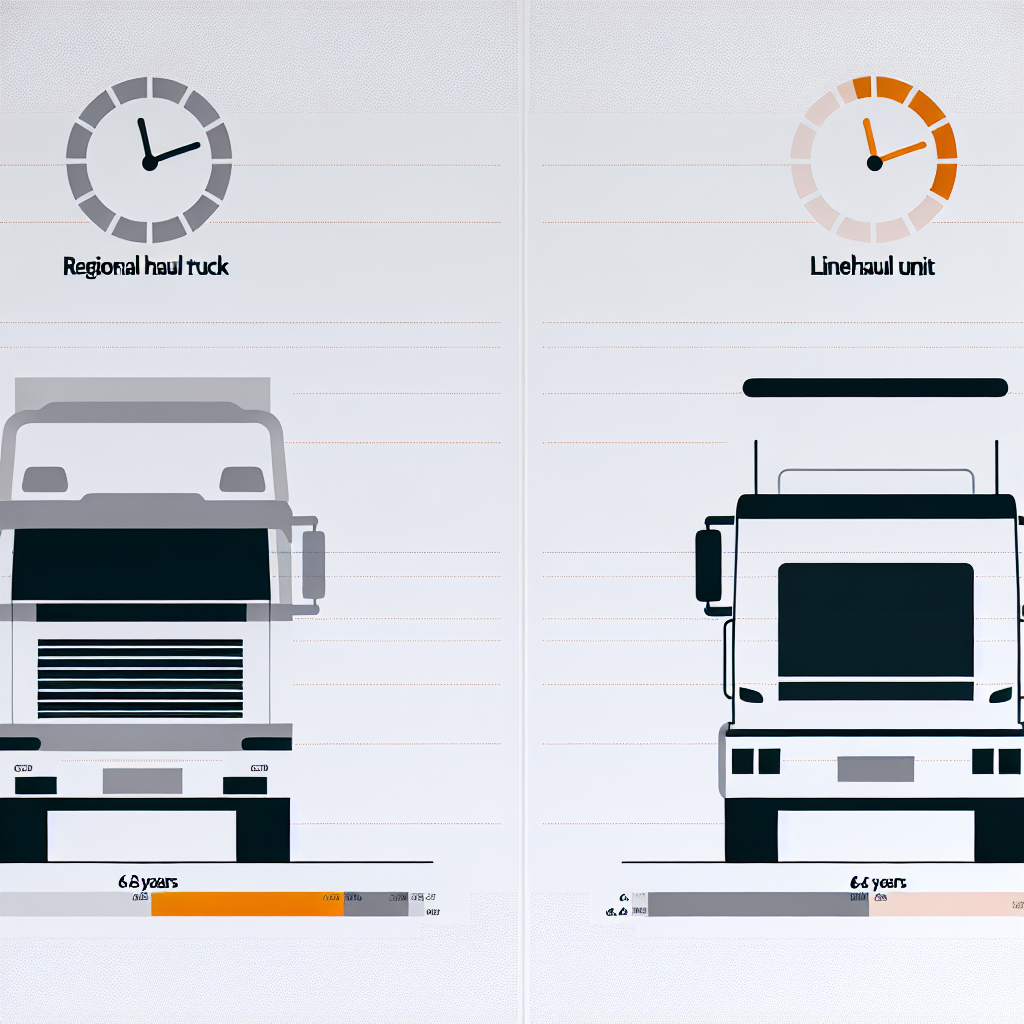
In a volatile economic climate, where costs related to logistics and financing are elevated, many fleets are deferring their purchases of new trucks. For instance, the American Truck Dealers noted that total commercial vehicle sales were projected to decrease slightly by year-end, further highlighting the trend of fleets leaning on older vehicles. The average age of regional haulers now stands at approximately 6.8 years, while linehaul units see a similar trend at around 6.4 years.
Impacts on Truck Orders
These extended lifecycles come at the expense of new truck orders. The most recent five-year order average for North America is approximately 285,000 units. However, this figure has been considerably affected during economic slowdowns, where average order volumes have dropped. For instance, as stated in multiple sources, current conditions have seen Class 8 orders hitting a 16-year low of just 9,400 units in June 2025. This reflects a significant reduction compared to previous years, showcasing how economic conditions directly correlate with procurement strategies in the trucking industry.
Data from ACT Research indicates that weak demand for Class 8 vehicles can largely be tied to regulatory uncertainties and tariff-related costs, which inflate purchasing prices and contribute to an overall hesitance among operators. As noted by Fleet Equipment Magazine, factors like inflation and supply chain disruptions thwart the timely planning necessary for acquiring new fleets, resulting in altered purchase patterns and a reliance on older trucks.
In conclusion, the current economic uncertainty has led to both extended life cycles for existing fleets and significant implications for new truck orders. Companies are adjusting their strategies to ensure financial stability, while manufacturers like Volvo Trucks need to navigate this evolving landscape carefully, capitalizing on eventual recovery as market conditions stabilize. The future will undoubtedly demand an agile approach to fleet management and truck purchasing decisions, reflecting a post-pandemic adaptability in a challenging economic environment.
Quotes from Industry Experts
The current state of the trucking industry, particularly regarding truck age and market trends, is best captured through the insights of key industry leaders. Magnus Koeck, VP of strategy, brand and marketing for Volvo Trucks North America, has shared valuable perspectives:
- Market Anticipation: In a recent interview with Truck News, Koeck noted, “The tide will turn. The question is, when the tide will turn.” This reflects his belief in the eventual recovery of Class 8 truck orders despite current economic uncertainties.
- Cautious Optimism: Koeck also expressed optimism about the future, stating, “We look for it to gain momentum in 2025, with 2026 likely seeing record levels of truck sales as demand outpaces supply.” This suggests a positive outlook for the market as it adjusts to regulatory changes and shifting consumer preferences.
- Economic Signals: During a recent media event, Koeck remarked, “There is light at the end of the tunnel,” reinforcing the narrative of cautious optimism amidst the prevailing challenges in the market. He anticipates recovery aligned with stabilizing economic conditions, emphasizing, “Very convinced that… the trucking market will come back even if the economy may not be that strong.”
Koeck’s insights serve as a reminder of the importance of adaptability in navigating the complexities of the trucking industry’s future.

Volvo’s Investments and Growth Strategy
Volvo is making substantial strides in the North American trucking market with noteworthy investments aimed at enhancing its product offerings and manufacturing capabilities. Recently, the company committed over $2 billion to develop the new VNL truck platform along with an additional $400 million dedicated to upgrading factories in Dublin, Virginia, and Hagerstown, Maryland.
The investment in the VNL reflects Volvo’s commitment to innovate within the current economic context, where fuel prices and operational costs shape buyer preferences. The new VNL design not only boasts improved fuel efficiency—up to 10% better fuel economy—but also integrates cutting-edge safety features, including side-impact airbags and driver aids. These improvements are crucial as fleets increasingly focus on minimizing expenses while enhancing operational safety and driver comfort.
Additionally, the $400 million retooling of the New River Valley plant in Virginia, Volvo’s largest facility worldwide, is vital for scaling production capacity to meet anticipated growth in truck orders. This upgrade positions Volvo to adapt swiftly to market changes, especially as the company aims to capture a 25% share of the heavy-duty market in North America by 2030. The plants will not only ramp up production for traditional diesel engines but also lay the groundwork for electric and autonomous trucks, underscoring Volvo’s overarching sustainability goal of achieving 100% fossil-free operations by 2040.
Volvo’s focus on electrification is further emphasized by securing $208 million in funding aimed at enhancing electric truck production across its facilities, which aligns perfectly with its strategy to lead in innovative transport solutions. The investments demonstrate Volvo’s proactive approach to navigating market fluctuations and positioning itself as a leader in sustainable technology.
In conclusion, Volvo’s recent investments reflect a calculated growth strategy aimed at bolstering its market presence in North America while addressing critical industry challenges such as economic uncertainty, emissions regulations, and the urgent need for sustainable transport solutions. As the company prepares for a market recovery, its headway into advanced vehicle technologies will likely enhance competitiveness in an evolving industry.
Conclusion: Trends in Truck Sales and Buyer Preferences
The current landscape of truck sales reveals significant trends characterized by an aging truck market and shifting buyer preferences. With the average ages of trucks on the road rising—regional haul trucks averaging 6.8 years and linehaul units at 6.4 years—fleet operators are increasingly extending the lifecycles of their vehicles. Economic uncertainties, including fluctuating logistical costs and regulatory changes, are compelling fleet owners to hold onto their trucks longer rather than invest in newer models. This cautious approach reflects the need for financial stability as operators navigate these challenging conditions.
Moreover, the recent downturn in Class 8 truck orders highlights the direct impact these economic factors have on purchasing decisions. The five-year order average for North America has dropped significantly to about 285,000 units, with some current monthly orders falling to a 16-year low of only 9,400 units. This trend illustrates how external pressures, such as tariffs and cost increases, deter investment in new fleets, marking a significant shift in buyer strategies.
As fleet owners adapt to these realities, manufacturers like Volvo Trucks are strategically positioning themselves for future growth. By committing over $2 billion to the development of the new VNL truck platform and investing further in technology upgrades across production facilities, Volvo aims to enhance its competitiveness in a changing market. Their forward-looking investments into electric and automated truck solutions indicate a dedication to sustainability and efficiency, aligning with the evolving preferences of environmentally aware consumers.
In conclusion, the interplay of economic uncertainty, aging truck fleets, and buyer preferences necessitates a flexible and adaptive approach in the trucking industry. Organizations must remain agile, ready to pivot in response to ongoing shifts in market dynamics, ensuring they meet the demands of a rapidly changing landscape. As we look ahead, the industry’s resilience and ability to evolve will be vital in navigating the future of truck sales and preferences.
Call to Action for Industry Stakeholders
As we face the ongoing changes in the trucking industry, it is more important than ever for industry stakeholders to actively engage in collaborative efforts to adapt to these evolving trends. The increase in average truck age and the shifting preferences of buyers highlight a necessity for proactive strategies.
We encourage manufacturers, fleet owners, and service providers to participate in our upcoming survey aimed at gathering insights on market conditions, preferences, and strategies. Your feedback will be invaluable in shaping a clearer understanding of industry dynamics and driving innovation.
Take a moment to contribute your perspectives and experiences. Together, we can find actionable solutions that not only navigate current challenges but also position us for future growth. Join us in this initiative to reshape the landscape of the trucking sector and ensure we remain responsive to the needs of the market. Click here to participate in the survey now!
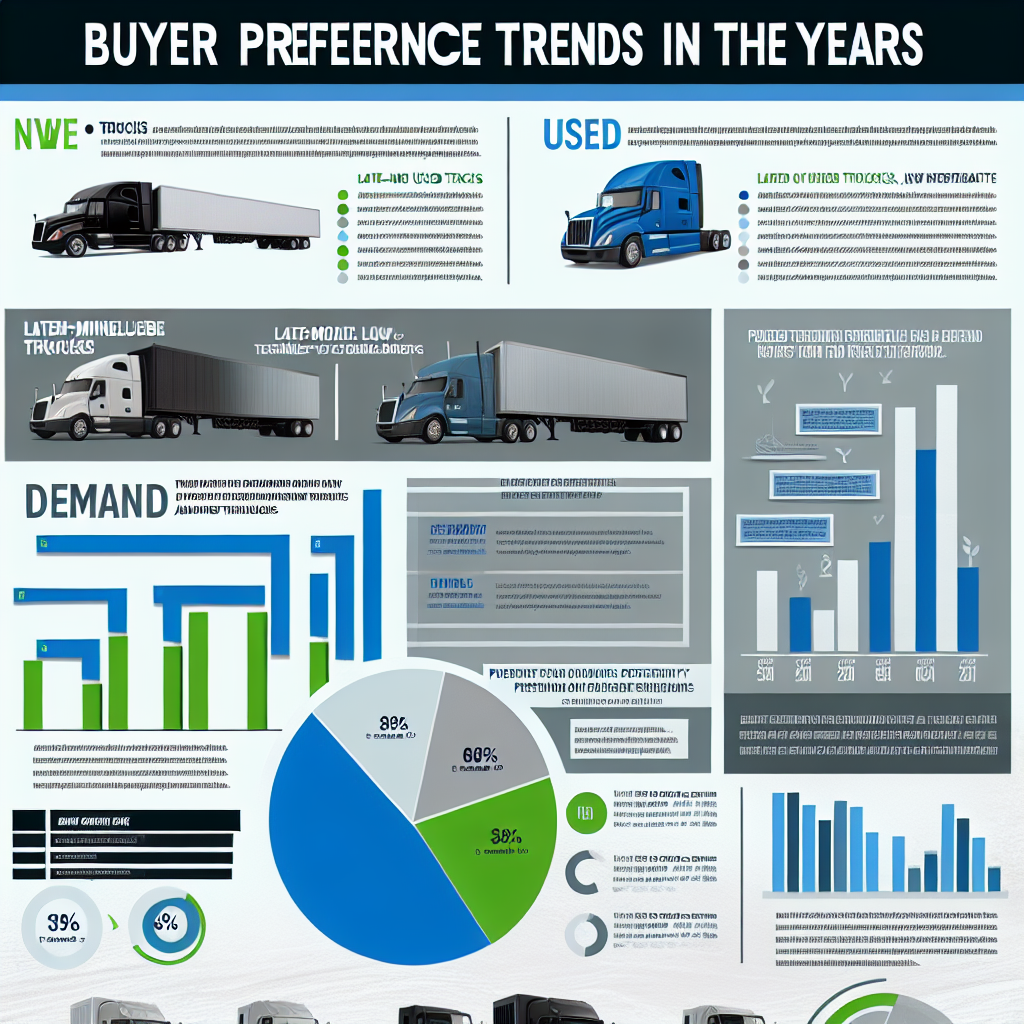
| Economic Condition | Preference for New Trucks | Preference for Used Trucks | Key Considerations |
|---|---|---|---|
| Economic Boom | High due to increased capital | Low due to better resale values | Investing in newer technologies, safety and efficiency features |
| Recession/Downturn | Low due to limited budget | High due to cost savings | Avoiding large commitments, operating expenses management |
| Moderate Recovery | Medium preference for new | Medium preference | Balancing between cost and technological advancements |
| Stable Economy | High | Low | Focus on sustainability and technology enhancements |
| Inflationary Period | Low for new trucks | Medium for used trucks | Higher costs making older models more attractive for long-term savings |
In the ever-evolving landscape of the trucking industry, the significance of truck age and buyer preferences, such as truck buyer trends, has never been clearer. As economic uncertainty casts its shadow, fleets are adapting by extending the lifecycle of their units, leading to a notable rise in the average age of trucks on the road. This shift reflects a cautious approach as companies navigate through fluctuating market conditions, where the demand for Class 8 trucks is hindered by unpredictable regulations and market dynamics. Amidst this backdrop, Volvo Trucks stands poised with growth expectations that suggest a potential rebound in the market as conditions stabilize. With strategic investments and a strong presence in various regions, including their commitment to sustainable trucking innovations, Volvo aims to capitalize on the eventual recovery of Class 8 truck orders. As buyers become more discerning in their purchasing decisions, understanding these trends will be crucial for manufacturers and fleet operators alike. The question remains: How will Volvo and its competitors adapt to an industry defined by aging fleets and shifting economic realities?
Key Factors Affecting Truck Buyer Preferences
- Economic Conditions: The state of the economy greatly affects buying power. During economic downturns, buyers may prioritize cost over features, leading to longer lifecycle usage of trucks. Conversely, an upturn often sees increased willingness to invest in newer models with advanced technology, underscoring the economic impacts on trucking.
- Emissions Regulations: Stricter environmental laws push buyers toward more fuel-efficient and cleaner alternatives. Regulations may dictate vehicle specifications, influencing buyers to choose options that comply and can avoid penalties.
- Market Demographics: Shifts in industry demographics, including the types of goods transported and how they are delivered, influence purchasing decisions. For instance, e-commerce growth has led to demand for smaller, more versatile trucks suited for urban delivery, reflecting current truck buyer trends.
- Technological Advancements: Innovations in truck technology, such as autonomous driving features or enhanced telematics, create new preferences among buyers seeking efficiency and operational benefits. The availability of cutting-edge features can be a decisive factor in the purchasing process, particularly with regard to sustainable trucking innovations.
- Fuel Efficiency: Rising fuel prices make fuel efficiency a top priority for many buyers. Trucks that offer better miles per gallon or alternative fuel options become more attractive, impacting the decision-making process significantly.
- Consumer Awareness: Increasingly informed buyers prioritize sustainability and operational efficiency based on information readily available online. This heightened awareness encourages manufacturers to enhance transparency and promote sustainable practices in their offerings.